
Integrating Blockchain Technology into Cocoa Supply Chains
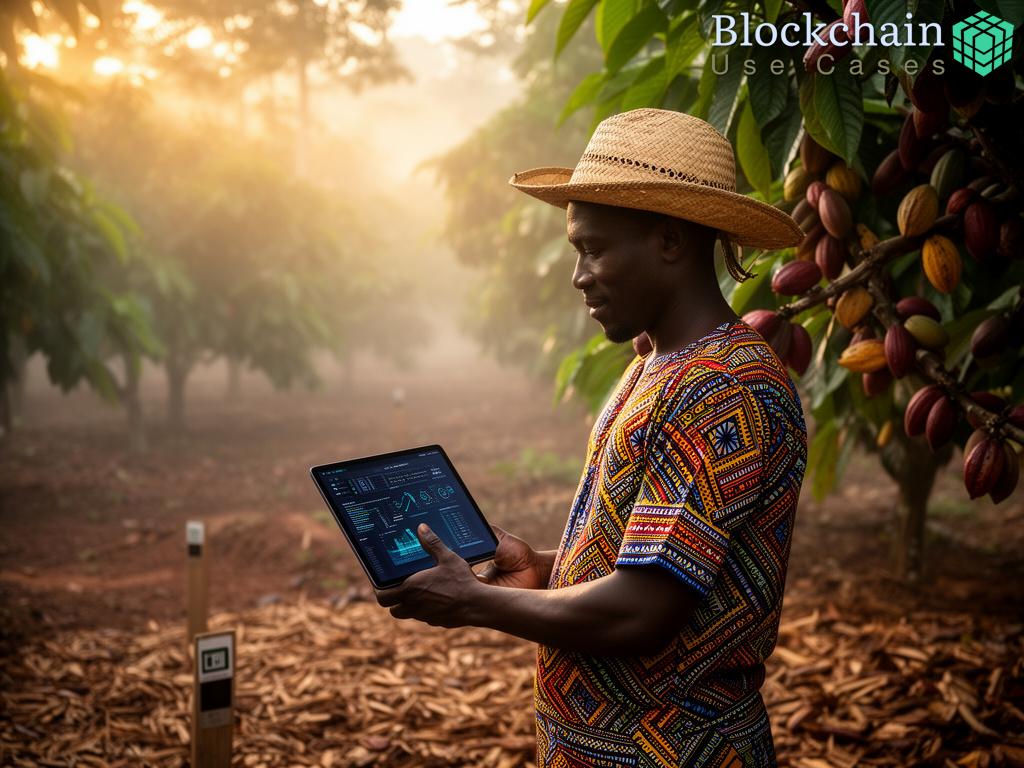
The global chocolate industry faces increasing pressure to ensure transparency, ethical sourcing, and sustainability within its cocoa supply chains. With mounting consumer awareness and regulatory demands, the integration of blockchain technology is emerging as a transformative solution to track cocoa beans from farm to factory. Companies that adopt blockchain systems not only build trust but also gain operational efficiency and social accountability.
Enhancing Transparency and Traceability through Blockchain
For decades, the cocoa industry has grappled with issues such as child labor, unfair trade practices, and environmental degradation. Traditional data management methods often fail to capture detailed and verifiable sourcing information. Blockchain provides an immutable and decentralized ledger where every stakeholder—from farmer cooperatives to exporters and chocolatiers—can record real-time transactions. This transparency fosters accountability and allows consumers to trace their chocolate back to responsible farms.
Furthermore, brand credibility grows when companies can demonstrate ethical procurement and carbon-neutral supply chains. Through blockchain integration, digital tokens or QR codes can be assigned to each cocoa batch, ensuring that certifications and sustainability metrics are securely stored and easily accessible.
From Farm to Shelf: How Blockchain Improves Efficiency and Trust
Implementing blockchain in cocoa supply chains is not merely a technical upgrade but a strategic move towards long-term resilience. By connecting remote farmers with digital platforms, data accuracy and payment speed increase, reducing dependency on intermediaries. Automated smart contracts can trigger instant payments to farmers upon quality verification, ensuring fair compensation and reducing financial delays.
Moreover, traceability data enhances quality assurance and minimizes the risks of adulteration or supply disruptions. Here’s a comparison illustrating how blockchain integration transforms core elements of the cocoa supply process:
| Aspect | Traditional System | Blockchain-Enabled System |
|---|---|---|
| Data Recording | Manual and prone to errors | Automated and immutable |
| Farmer Payments | Subject to delays and intermediaries | Instant through smart contracts |
| Product Traceability | Limited visibility | End-to-end transparency |
| Regulatory Compliance | Paper-based verification | Digital validation with real-time records |
Building a Sustainable Cocoa Future with Collaborative Innovation
The success of implementing blockchain technology relies on collaboration between farmers, governments, NGOs, and multinational chocolate brands. Educational initiatives are vital to train local producers in digital literacy and ensure equitable data participation. Combining blockchain with IoT sensors and satellite monitoring enables continuous verification of sustainable farming practices such as reduced pesticide usage and responsible deforestation management.
Below are some key steps stakeholders should consider for successful blockchain adoption in cocoa supply chains:
Strategic Implementation Steps for Cocoa Blockchain Integration:
- Assess Supply Chain Readiness: Evaluate digital infrastructure and identify key partners for pilot projects.
- Develop Data Standards: Create universally accepted data formats for recording sustainability metrics.
- Integrate Smart Contracts: Establish automated systems to validate transactions and boost trust among participants.
- Engage Local Farmers: Provide training and ensure that smallholders benefit from transparent pricing and fair trade schemes.
- Collaborate with Certifying Bodies: Use blockchain to automate audit trails and verification processes for ethical certifications.
As the chocolate market evolves, incorporating blockchain offers the potential to enhance consumer confidence, secure ethical sourcing, and achieve sustainability goals. The convergence of technology and responsible practices will ultimately redefine how we enjoy one of the world’s favorite treats—chocolate made from transparently sourced and sustainably grown cocoa.
Enhancing Transparency and Traceability in Sustainable Cocoa Production
The sustainability of cocoa production has become one of the most pressing topics in the global chocolate industry. Consumers are no longer satisfied with simply enjoying high-quality chocolate—they want assurance that it stems from ethical and environmentally responsible practices. In this evolving context, blockchain technology is taking center stage as a game-changer, introducing an unprecedented level of transparency and traceability throughout the cocoa supply chain. This transformation is not only redefining accountability among stakeholders but also setting new standards for sustainable food production worldwide.
Revolutionizing Visibility from Farm to Consumer
The integration of blockchain in sustainable cocoa tracking introduces a digital ecosystem where every process, transaction, and verification is recorded immutably. It goes beyond supply chain optimization; it verifies the authenticity of sustainability claims. Farmers, cooperatives, and manufacturers become active participants in a decentralized network where every record—from seed origin and cultivation methods to export documentation—is securely stored. This ensures that data cannot be altered or lost, thereby reinforcing trust between all participants.
While traditional systems depend heavily on manual reporting, blockchain’s immutable structure allows consumers to scan a simple QR code and access comprehensive sourcing information. The debugging of data inconsistencies becomes effortless, and audits are conducted with verifiable proof rather than paper-based assumptions. This heightened visibility greatly enhances compliance with international standards related to deforestation prevention, fair labor conditions, and carbon reduction.
Strengthening Ethical Assurance and Consumer Trust
The growing demand for ethical chocolate brands has made traceability a cornerstone of market competitiveness. With blockchain integration, verification of fair trade practices, organic certification, and living income compliance becomes automatic and tamper-proof. Smart contracts are programmed to validate farming conditions and ensure that fair compensation reaches producers quickly once established criteria are met. This technological evolution minimizes exploitation risks while empowering smallholder farmers with accessible and secure financial tools.
Consumer trust does not only stem from transparency—it thrives on consistent proof of sustainability. Blockchain platforms help chocolate brands translate ethical practices into measurable, visible data. Companies can now illustrate their environmental commitment by sharing real-time analytics on pesticide usage, carbon emissions, and biodiversity conservation. The result is a circular system of accountability where ethical sourcing, economic equity, and environmental protection merge seamlessly into the production narrative.
As more governments and certification bodies acknowledge blockchain as a legitimate tool for supply chain verification, the momentum behind digital transformation in the cocoa sector continues to grow. The convergence of technological precision and moral responsibility is setting a new precedent for transparency, ensuring that each chocolate bar tells a verified story of sustainability from the soil to the shelf.
Verifying Ethical Sourcing and Labor Practices through Blockchain
The global cocoa industry stands at a crossroads where ethical transparency and technological innovation intertwine. With increasing scrutiny over labor conditions and the ethical origins of cocoa beans, blockchain technology is reshaping how companies verify and communicate their social responsibility. The ability to authenticate sourcing practices and monitor labor conditions in real-time has turned blockchain into an indispensable tool for achieving genuine sustainability and social integrity in chocolate production. In a market where consumer confidence is directly tied to ethical proof, blockchain brings much-needed credibility and clarity to a sector long criticized for opacity.
Digital Accountability: Empowering Ethical Compliance through Immutable Data
Blockchain’s immutable ledger serves as the cornerstone for transparent and verifiable ethical sourcing. Each participant in the cocoa supply chain, from plantation managers to logistics partners and chocolatiers, records validated transactions and labor-related data directly into a decentralized system. Unlike traditional tracking methods, where human oversight can lead to manipulation or data loss, blockchain transforms verification into a self-evident process. Every entry is time-stamped, tamper-resistant, and publicly verifiable, guaranteeing that the entire supply journey—from harvest to retail shelf—reflects ethical labor compliance.
The system goes beyond documenting bean locations; it also tracks the social and environmental context surrounding their production. Using digital certifications linked to blockchain entries, organizations can verify that farms adhere to fair wage policies, child labor prevention, and gender equality standards. Smart contracts automatically validate compliance reports submitted by auditors or NGOs. When all required conditions are fulfilled, these digital contracts release payments to the corresponding producers, reinforcing fair trade principles through automation.
| Verification Aspect | Traditional Certification | Blockchain Verification |
|---|---|---|
| Labor Compliance | Dependent on periodic manual reports | Continuously monitored with real-time proof |
| Audit Transparency | Data stored in limited-access archives | Open, immutable records accessible to all stakeholders |
| Payment Fairness | Delayed due to third-party intervention | Triggered instantly through smart contracts |
Strengthening Labor Rights and Community Trust through Technological Validation
Beyond its technical capabilities, blockchain acts as a social bridge between producers and global consumers. Cocoa-producing communities often operate in remote regions with limited oversight from governing bodies. By introducing blockchain, every labor record and wage transaction becomes traceable, providing an incorruptible history of fair treatment and equal opportunity. This shift empowers local producers and safeguards them from exploitation by middlemen, aligning directly with international labor standards and fair trade laws.
Technology-driven accountability also strengthens brand reputation. Companies that adopt blockchain-powered traceability can easily prove their commitment to human rights and ethical sourcing. When consumers scan a product’s QR code, they gain access to verified details about the farmer’s working conditions, community initiatives, and sustainability programs. This fortified transparency transforms transactional purchases into ethical partnerships between brands and consumers—each cocoa bar effectively becomes a statement of verified responsibility.
Integrating blockchain into labor verification not only supports corporate social governance but also shapes a new ethical landscape for agriculture. The convergence of traceable technology, fair compensation, and verified human rights practices is revolutionizing what it means to produce and consume cocoa responsibly. As blockchain adoption spreads, it paves the way for an industry where no ethical claim remains unverified, and every form of labor is documented with integrity and trust.
Overcoming Technical and Economic Challenges in Blockchain Adoption
While blockchain technology promises revolutionary transparency and ethical verification in cocoa production, its pathway to widespread integration is filled with complex challenges. Both technical limitations and economic barriers have slowed the pace of adoption across developing regions where most cocoa originates. Understanding how to address these constraints is vital for transforming blockchain from a conceptual ideal into an operational standard within the chocolate industry. The question is no longer whether blockchain can enhance sustainability—it’s how to make it accessible, scalable, and economically viable for all stakeholders.
Bridging Technological Gaps and Infrastructure Limitations
The successful implementation of blockchain in cocoa supply chains is deeply dependent on the quality of digital infrastructure available in producing countries. Many smallholder farmers, who form the backbone of the global cocoa supply, still face issues such as limited internet connectivity, lack of access to digital devices, and minimal technical literacy. Without overcoming these foundational gaps, blockchain deployment risks excluding the very individuals it aims to empower.
One of the key technical hurdles lies in ensuring interoperability between blockchain systems and existing agricultural databases. Standardized protocols are needed to connect diverse data sources—from local cooperatives’ records to international certification platforms—ensuring that sustainability data flows seamlessly across the ecosystem. Moreover, maintaining data accuracy at input stages remains critical, as blockchain’s integrity depends on the validity of initial entries. Training programs and digital literacy initiatives play a pivotal role here, ensuring farmers can securely input and verify information themselves.
Industry partnerships between technology providers, NGOs, and local authorities are emerging as solutions. By combining blockchain with IoT sensors and mobile data platforms, it becomes possible to collect and verify field-level data even in remote areas. This hybrid approach ensures that smallholder farmers gain inclusion within transparent supply systems without requiring heavy technical infrastructure investments.
Managing Implementation Costs and Ensuring Long-Term Viability
Beyond the technical aspects, economic barriers often stand as the most formidable obstacle. Blockchain integration involves initial investments in system design, digital onboarding, maintenance, and training. For small cooperatives and local processors, these expenditures can appear prohibitive, discouraging participation even when long-term benefits are evident. Without a clearly defined model for cost-sharing and incentives, full-scale adoption remains limited to well-funded corporations.
Financial sustainability depends on collaborative cost-management frameworks and the creation of shared-value systems across the supply chain. Governments and development organizations can play a crucial role by offering subsidies or digital transformation grants targeted at small-scale producers. Similarly, private enterprises can adopt inclusive business models where platform access fees are distributed equitably. The integration of smart contracts can also reduce administrative expenses, further balancing the cost-to-benefit ratio for participants.
For companies hesitant to take the first step, pilot projects have become a cost-effective approach to assess blockchain’s return on investment. These trials provide valuable data on transaction speed, cost transparency, and verification accuracy, allowing businesses to refine their strategy before scaling. The gradual adoption model ensures that blockchain expansion aligns with economic realities while preserving its transformative impact on ethical sourcing.
Key Strategies for Overcoming Blockchain Adoption Barriers:
- Infrastructure Investment: Collaborate with local telecom providers to expand rural connectivity and digital access in farming regions.
- Educational Outreach: Develop targeted training programs that enhance digital literacy among farmers and cooperative leaders.
- Public-Private Partnerships: Build funding alliances between governments, NGOs, and corporations to share implementation costs.
- Scalable Pilot Programs: Test blockchain modules within specific cocoa sourcing channels before full integration.
- Adaptive Regulation: Encourage policy frameworks that support digital verification of sustainability data while protecting smallholder interests.
Transforming Challenges into Long-Term Opportunities
Each challenge faced in blockchain adoption within cocoa supply chains represents an opportunity for innovation and collaboration. As emerging economies strengthen their digital capacity, the potential to democratize transparency grows exponentially. The careful orchestration of infrastructure development, financial inclusion, and technical education can convert existing barriers into drivers of systemic transformation.
Ultimately, the success of blockchain in sustainable cocoa production depends on designing frameworks that prioritize inclusivity over exclusivity. By balancing technological ambition with economic reality, stakeholders can ensure that blockchain becomes not just a symbol of ethical progress but a functional catalyst for global cocoa equity. The digital foundation being laid today holds the promise of a tomorrow where every cocoa bean journey is transparent, every farmer is fairly represented, and every chocolate product reflects verifiable sustainability at its core.
Future Prospects for Digital Transformation in Sustainable Chocolate Manufacturing
The next evolution of the chocolate industry lies at the intersection of digital transformation and sustainability. As blockchain establishes itself as a cornerstone for ethical transparency in cocoa supply chains, manufacturers are now exploring how digital technologies can further redefine production, quality assurance, and carbon-neutral innovation. The future of sustainable chocolate manufacturing is being shaped by the integration of smart systems, data intelligence, and decentralized verification tools that create a seamless ecosystem — one where every step from bean to bar is digitally accountable and environmentally conscious.
Smart Manufacturing and Data-Driven Cocoa Processing
In the coming years, the chocolate industry will witness a shift from traditional production models to intelligent manufacturing ecosystems powered by blockchain and Internet of Things (IoT) connectivity. The fusion of these technologies allows manufacturers to capture real-time information on temperature, humidity, and fermentation quality, ensuring precision in cocoa bean processing. Blockchain serves as the immutable record keeper, storing each stage’s performance metrics and creating an incorruptible trail that links farm data to final production outcomes.
The introduction of AI-powered analytics will amplify blockchain’s value by predicting demand trends and optimizing ingredient allocation, thereby reducing waste and improving sustainability benchmarks. Digital twins — virtual replicas of production lines — will enable producers to simulate process improvements and minimize environmental impact before implementation. Energy-efficient machinery and adaptive automation will further support carbon reduction goals, while blockchain ensures all improvements are verifiable through tamper-proof data entries. This confluence ushers in not just efficiency, but also branded authenticity that appeals to conscious consumers.
| Aspect | Conventional Manufacturing | Blockchain-Integrated Manufacturing |
|---|---|---|
| Production Oversight | Manual and reactive | Sensor-driven and predictive |
| Data Integrity | Centralized and vulnerable | Immutable and universally accessible |
| Sustainability Tracking | Reported annually | Monitored in real-time |
| Energy Efficiency | Dependent on human control | Optimized through smart automation |
Digital Collaboration and Consumer-Centric Innovation
One of the most promising aspects of future cocoa traceability lies in the development of open digital ecosystems linking farmers, producers, and consumers in a single blockchain network. Through cloud-based applications, real-time sustainability dashboards, and interactive data visualization, organizations can foster inclusivity while maintaining strict environmental and social standards. The digital transformation of cocoa production will also enable direct-to-consumer transparency models, where buyers can scan product labels to trace ingredients to their certified origins — backed by verifiable blockchain data.
In the marketplace of tomorrow, brand value will hinge upon data credibility. Manufacturers leveraging decentralized traceability will not only meet upcoming regulatory standards but also create emotional engagement by demonstrating tangible sustainability outcomes. Partnerships among tech providers, certification agencies, and local cooperatives will evolve into data-sharing consortia, ensuring equitable access to technology and fair representation of all supply chain participants.
As global consumers increasingly prioritize ethical purchasing, blockchain-enabled digital transformation will redefine their relationship with chocolate. Innovation in this field is no longer just about flavor or texture — it’s about verified responsibility and technological trust. The synergy of blockchain, smart manufacturing, and open collaboration will elevate sustainable chocolate from a niche concept to an industry-wide paradigm, paving the way for a future where every bar of chocolate tells a transparent, data-driven story of fairness, innovation, and environmental respect.