
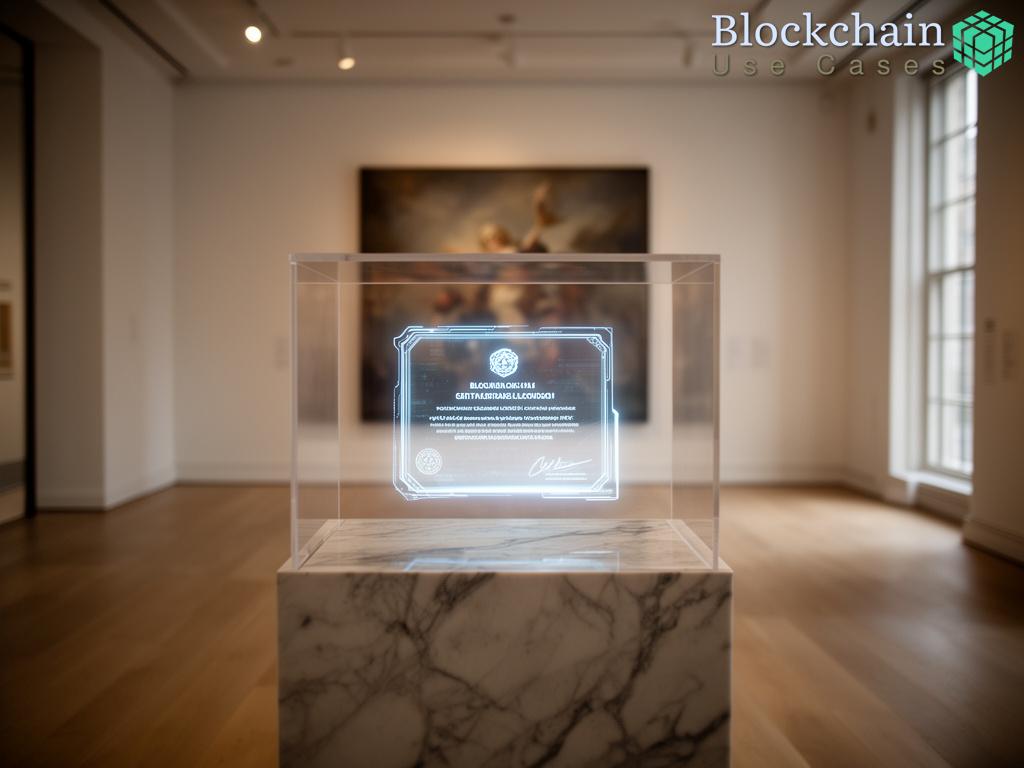
Blockchain Frameworks for Provenance Verification
In the world of art and collectibles, authenticity defines value. With the rise of digital marketplaces and cross-border transactions, verifying the provenance of artworks and collectibles has become increasingly complex. Blockchain technology is emerging as a powerful ally in establishing trust, ensuring transparency, and preserving authenticity across global supply chains.

Traditional art verification processes often rely on physical certificates and expert opinions, which can be forged or disputed. Blockchain technology introduces a decentralized ledger system where each transaction related to an artwork—from creation to current ownership—is recorded in an immutable sequence. This traceability ensures that provenance data cannot be tampered with, giving collectors and institutions confidence in their acquisitions.
Multiple blockchain frameworks are now being developed to suit different segments of the art industry. Ethereum-based smart contracts enable automated transfer of ownership and royalties, while private or consortium blockchains, such as Hyperledger Fabric, focus on privacy and institutional control. These frameworks present a balance between transparency and data protection, crucial in the art and collectibles ecosystem.
The expanding blockchain ecosystem brings with it a diverse range of frameworks tailored to provenance verification. Understanding their unique capabilities helps stakeholders choose the right solution for their needs, whether they are managing digital art NFTs, rare collectibles, or museum-grade physical pieces.
| Framework | Type | Main Features | Best Use Case |
|---|---|---|---|
| Ethereum | Public Blockchain | Smart contracts, NFTs, decentralized verification | Digital art, tokenized collectibles |
| Hyperledger Fabric | Consortium Blockchain | Controlled access, modular architecture, scalability | Museum and gallery provenance systems |
| Corda | Permissioned Blockchain | High privacy, transaction validation among known parties | Private collector transactions, institutional archives |
Each framework provides different security and scalability features, influencing how art organizations integrate blockchain into their authentication workflows. By leveraging these systems, provenance records can be shared securely among artists, galleries, and buyers, reducing fraud and enhancing market confidence.
Deploying a blockchain solution for authenticity verification requires structured planning, secure technology selection, and stakeholder collaboration. The following list outlines essential phases of implementation, tailored for art institutions and collectible platforms seeking blockchain transformation.
Description of Implementation Phases:
- Assessment and Framework Selection: Evaluate whether a public or private blockchain fits operational needs and privacy requirements.
- Metadata Structuring: Standardize digital certificates and metadata formats to ensure consistency across assets.
- Smart Contract Development: Design automated ownership transfer and royalty systems to enhance transparency.
- Integration with Marketplaces: Link blockchain records to art platforms and auction databases for real-time provenance tracking.
- Audit and Continuous Improvement: Periodically verify blockchain records and adapt governance frameworks as the ecosystem evolves.
By following these steps, art institutions and collectors can move beyond traditional authentication methods and embrace a digital framework of trust. Blockchain’s immutability and transparency ensure that provenance becomes more than a certificate—it evolves into a verifiable digital heritage preserved for future generations.
Enhancing Transparency in Art Supply Chains
In a global market where art and collectibles circulate across continents, the need for transparency in supply chains has never been more urgent. From the initial creation of an artwork to its final destination in a private collection or gallery wall, each stage involves intermediaries, certifications, and logistical steps that can obscure authenticity. Blockchain technology is redefining this complex ecosystem, offering a new level of traceability that secures not only ownership but also the integrity of every transaction linked to the artwork’s journey.
Traditional provenance systems often suffer from fragmented information, scattered archives, and reliance on trust-based documentation. With blockchain integration, every transfer, restoration, or valuation is digitally recorded in a tamper-proof ledger. Artists, curators, auction houses, and collectors gain real-time access to a timeline of every activity associated with a particular piece. This shared visibility erases the opacity that once characterized art trading, allowing every stakeholder to confirm an artwork’s authenticity with unparalleled accuracy. As each transaction becomes a verifiable block on the chain, disputed ownership histories and fraudulent certificates become virtually obsolete.
Moreover, smart contracts embedded within blockchain networks automate much of this validation process. These self-executing codes enforce predefined conditions such as royalty payments and transfer approvals, ensuring compliance without intermediaries. The result is a seamless system where trust is built into the technology itself, significantly reducing the administrative burden for institutions while boosting collector confidence.
Beyond mere authentication, blockchain creates a unified data ecosystem that connects all participants in the art supply chain. Artists can directly register their works on decentralized platforms, encrypting essential metadata—such as creation date, materials used, and certificate details—under unique blockchain identifiers. Collectors and galleries can then verify these details instantly, preventing the duplication or manipulation of provenance documents. This form of transparency not only safeguards the market value of artworks but also enhances ethical sourcing and cultural accountability, especially for heritage items and indigenous artifacts.
In addition, museums and auction houses benefit from interoperable blockchain systems that link to logistics networks, insurance providers, and appraisal databases. This integration ensures every movement, appraisal, or exhibition loan is seamlessly documented and accessible to authorized users. Such interconnected transparency transforms how the art world manages its assets—turning what was once a fragmented, trust-dependent sector into a digitally verifiable chain of custody supported by decentralized trust mechanisms.
By embedding blockchain solutions within the art supply chain, the industry enters an era of traceability that extends beyond security—it reshapes how art’s history, ownership, and authenticity are experienced. As digital frameworks continue to evolve, transparency will not only serve as a protective mechanism but as a defining feature of a more ethical and accountable art economy.
Mitigating Counterfeiting through Digital Tokenization
As digital transformation reshapes the global art market, the fight against counterfeiting has evolved beyond physical forgery. High-value collectibles and artworks no longer face threats solely from imitation canvases or replicated sculptures; counterfeiters now target digital and hybrid assets. Blockchain technology, combined with digital tokenization, offers a groundbreaking defense mechanism—transforming authenticity verification from a reactive process into a proactive shield of trust. Through the creation of unique digital identities for each asset, blockchain ensures that ownership legitimacy is cryptographically secured and tamper-proof, setting a new benchmark for provenance protection.
At the core of digital tokenization lies the concept of assigning a unique cryptographic token to every artwork or collectible. This token acts as a decentralized certificate of authenticity recorded on the blockchain ledger. Each token, often represented as a Non-Fungible Token (NFT), embodies immutable metadata—details about the artist, creation date, materials, and prior ownership. Unlike traditional certificates or paper-based records, these tokens cannot be cloned or edited without detection. When buyers or institutions verify a piece, they no longer rely on subjective documentation but on verifiable blockchain entries that provide real-time validation across global markets.
In practice, this digital identification process doesn’t replace physical authentication procedures but reinforces them. For instance, pairing a painted artwork with a micro-embedded digital tag linked to a blockchain record allows galleries and collectors to validate both its physical and digital presence simultaneously. This integration creates a multidimensional authentication layer—one that merges tangible craftsmanship with digital integrity. The result is a tamper-evident record of authenticity that counters both analogue and digital fraud attempts, reducing the circulation of high-quality counterfeit replicas.
Blockchain-based tokenization does more than certify origin—it introduces traceability across the entire art supply chain. Every transaction, exhibition, or restoration associated with a tokenized piece is recorded transparently, forming a comprehensive chain of custody. This digital ledger not only deters forgery but also exposes unethical market practices such as misattributed works or unauthorized reproductions. Tokenized provenance systems thereby elevate accountability standards, ensuring stakeholders—from artists to auction houses—operate within auditable digital frameworks that protect cultural and financial integrity.
To illustrate its impact, consider how auction houses employ tokenized blockchain systems to authenticate artworks prior to sale. Buyers can examine the token’s transaction history, verifying that the piece has not changed hands through opaque or unauthorized channels. This transparency discourages counterfeit circulation and builds investor confidence in art as a secure asset class. Digital tokenization transforms provenance into a living ecosystem, where authenticity is not a static certificate but an evolving, verifiable digital narrative maintained by cryptographic proof.
The adaptability of blockchain tokenization allows it to cater to different authenticity needs across sub-sectors of the art and collectibles landscape. Public blockchains are favored for open markets requiring transparency, while private or hybrid systems serve institutional environments prioritizing data confidentiality. The following comparison outlines key distinctions in tokenization applications across varying blockchain frameworks:
| Blockchain Type | Tokenization Purpose | Security Advantage | Ideal Use Case |
|---|---|---|---|
| Public Blockchain (e.g., Ethereum) | Creation of NFT-based art tokens and open marketplace verification | Immutable, community-validated authenticity records | Digital art auctions, decentralized galleries |
| Consortium Blockchain (e.g., Hyperledger Fabric) | Private token issuance within verified member networks | Controlled accessibility and institutional trust | Museum archives, licensed collectible trading |
| Hybrid Blockchain Platforms | Combines on-chain verification with off-chain data management | Enhanced scalability and flexible privacy governance | Cross-border art distribution, logistics integration |
The balance between transparency, privacy, and scalability is crucial when choosing a tokenization framework. Public blockchains enhance openness and promote cross-border confidence, while private networks safeguard sensitive data involving heritage and restricted-access collections. As interoperability standards between blockchain systems mature, tokenization promises to unify these two worlds—blending verifiable openness with institutional-grade confidentiality.
By embedding token-based verification into every stage of the art and collectibles lifecycle, blockchain effectively dismantles the infrastructure that enables counterfeiting. It replaces trust-based documentation with verifiable data integrity, ensuring that every artwork carries not just aesthetic or historical value, but also an unquestionable digital identity. This technological convergence stands as blockchain’s most profound contribution: turning authenticity into an intrinsic, immutable attribute of art itself.
Integrating Smart Contracts for Ownership Transfer
As the art and collectibles industry accelerates toward digital transformation, the process of transferring ownership has emerged as one of the most critical points for ensuring authenticity and transparency. Traditional ownership transfers often rely on extensive documentation, expert intermediaries, and regulatory oversight—methods that can slow down transactions and allow discrepancies or forgeries to occur. Blockchain-based smart contracts are revolutionizing this process by introducing automated, trustworthy transaction protocols that ensure authenticity at every stage. Through these self-executing digital agreements, ownership transitions become instantaneous, verifiable, and immune to tampering.
Smart contracts are transforming the concept of ownership verification. Operating on blockchain networks, they autonomously execute predefined terms once specific conditions are met. This technology eliminates the need for intermediaries such as notaries or certification agents, replacing subjective validation with mathematical certainty. Every transaction—whether a sale, transfer, or inheritance—is automatically recorded on a decentralized ledger, creating a permanent audit trail accessible to all relevant parties. This immutable record ensures that disputes over authenticity or ownership can be resolved quickly through verified blockchain evidence.
For collectors, artists, and institutions, this mechanism significantly reduces administrative overhead. The execution of ownership transfers, royalty distribution, and compliance verification occurs simultaneously without human intervention. In addition, each smart contract can embed specific clauses—such as resale royalties or restrictions on exportation—thus preserving artists’ rights while maintaining the artwork’s traceable journey within global markets.
Unlike conventional forms of record-keeping, blockchain-enabled smart contracts connect every part of an artwork’s lifecycle. When an item is sold or traded, the corresponding token (often linked to the physical or digital asset) automatically registers the new owner’s cryptographic identity. This ensures that the provenance chain remains complete and tamper-proof—even as artworks change hands across international borders. Auction houses, galleries, and private collectors benefit from real-time updates, while consumers gain unprecedented confidence in the legitimacy of their acquisitions.
The automation of ownership transfer doesn’t only benefit transparency—it also fuels liquidity in the art market. Buyers can securely engage in cross-border transactions without delays associated with verification and documentation. Furthermore, integrated APIs can link blockchain smart contracts to insurance, shipping, and appraisal networks, ensuring a seamless flow of authenticated data. This interconnectivity transforms smart contracts from passive records into active components of an intelligent provenance ecosystem.
As art institutions explore blockchain integration, choosing the right smart contract framework is crucial. Each platform supports unique governance models, compliance protocols, and scalability options suited for specific needs—from public NFT issuance to confidential transactions among verified collectors. The comparative table below highlights the distinctive strengths of leading frameworks:
| Platform | Contract Type | Core Functionality | Best Fit |
|---|---|---|---|
| Ethereum | Public Smart Contracts | Decentralized execution, NFT minting, royalty automation | Open art marketplaces, digital art transactions |
| Hyperledger Fabric | Consortium Smart Contracts | Controlled access, permissioned ownership transfers | Museum systems, institutional provenance tracking |
| Corda | Permissioned Agreements | Validated private transactions between known participants | Private collectors, archivists, and heritage holdings |
Each of these platforms offers a unique balance of transparency, speed, and data privacy. Public blockchains like Ethereum lead in scalability and global reach, while permissioned systems such as Hyperledger and Corda ensure the confidentiality necessary for sensitive cultural assets. As interoperability between these frameworks improves, art ecosystems stand to gain unified provenance records with fully automated ownership transitions.
By embedding blockchain-powered smart contracts into the art and collectibles supply chain, stakeholders gain a multilayered security framework that enhances transactional integrity. The following key benefits outline why this integration is becoming indispensable for modern provenance management:
- Immutable Recordkeeping: Every change in ownership is recorded permanently, minimizing the risk of falsified documentation.
- Automated Compliance: Predefined conditions embedded within smart contracts ensure that all legal and ethical standards are met before transfer execution.
- Global Traceability: Cross-border transfers are tracked in real-time, connecting buyers and sellers through verified digital identities.
- Artist Rights Protection: Built-in royalty clauses enable artists to receive recurring compensation from future resales.
- Operational Efficiency: Manual verification steps are replaced with automated, code-based validation, reducing both time and costs.
Ultimately, smart contracts serve as the backbone for a new paradigm of trust in art and collectible markets. They convert ownership transfer into a transparent, automated process governed not by opaque paperwork, but by immutable code. This transformation points to a future where every artwork’s authenticity—and its rightful ownership—exists as a living digital truth, forever secured on the blockchain.