
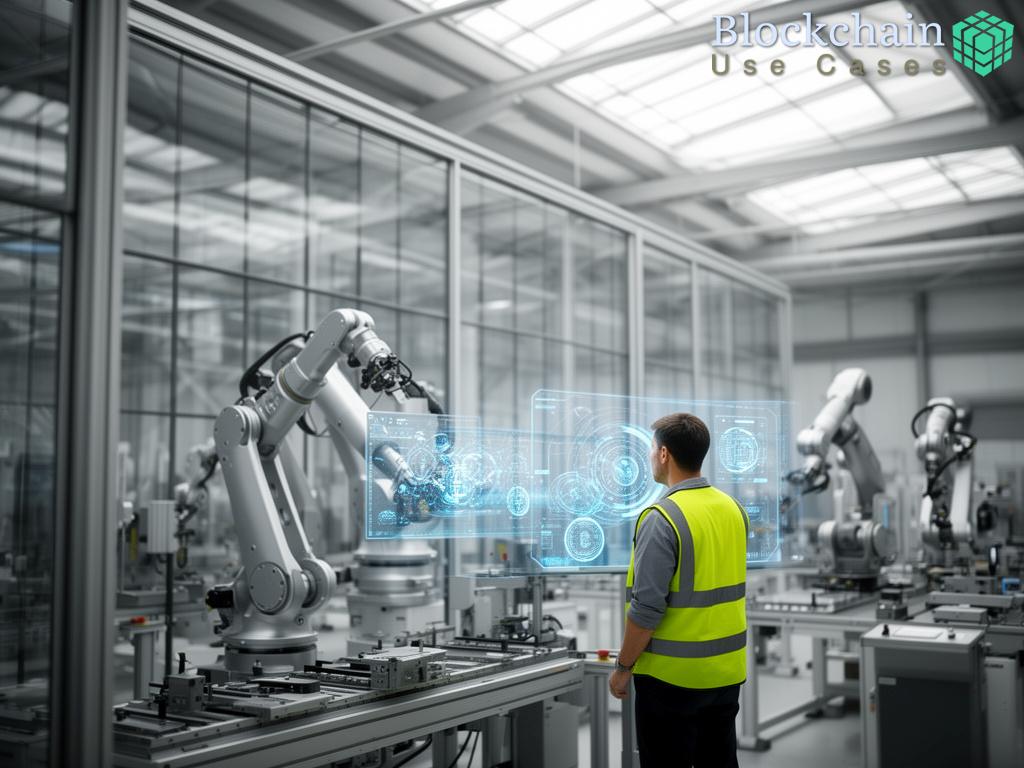
Decentralized Tokenization Frameworks in Manufacturing
Manufacturing enterprises are increasingly adopting digital transformation strategies that enhance efficiency, transparency, and adaptability. Among the most promising innovations driving the next wave of industrial evolution is the decentralized tokenization framework. By converting tangible manufacturing assets such as production capacity, raw materials, and logistical services into digital tokens, organizations can access new models of value exchange across global supply chains.
The idea of tokenization in manufacturing pivots on the concept of representing physical production units or capacity as digital assets on a blockchain network. This transformation encourages a shift from static ownership models to dynamic resource-sharing systems that maximize idle capacities and democratize access to manufacturing infrastructure.

In a decentralized ecosystem, the tokenized representation of manufacturing resources ensures traceability, automated validation of supply contracts, and efficient cross-border transactions. Companies gain an opportunity to dynamically scale production demand, while smaller manufacturers can monetize unused capacities through transparent smart contracts.
| Aspect | Traditional Model | Tokenized Model |
|---|---|---|
| Resource Accessibility | Limited to contractual relationships | Open and flexible through token exchange |
| Transparency | Low, dependent on third-party intermediaries | High, enabled by blockchain ledger |
| Scalability | Constrained by centralized control | Enhanced through decentralized governance |
| Transaction Speed | Manual and time-consuming | Automated via smart contracts |
Implementing a decentralized tokenization framework requires strategic integration between blockchain infrastructure, industrial IoT systems, and enterprise software platforms. While the technological barriers and regulatory challenges remain significant, the potential value creation is immense. Companies embracing tokenized capacity management are setting new precedents for collaboration, efficiency, and innovation.
The following list outlines the key stages of implementing tokenized manufacturing systems that companies should consider before deployment:
- Assessment and Mapping: Identify resources suitable for tokenization and model their utility value.
- Blockchain Framework Selection: Choose a decentralized platform that supports scalability, compliance, and smart contract flexibility.
- Integration Phase: Connect existing ERP or IoT ecosystems with blockchain nodes for real-time data validation and process automation.
- Regulatory Alignment: Ensure adherence to international standards and token governance policies.
- Performance Optimization: Continuously evaluate transaction efficiency, liquidity of tokens, and network interoperability.
As global supply networks become more intricate and digitized, decentralized tokenization frameworks will likely act as the connective tissue that binds industrial ecosystems together. The accelerating interest from technology providers, governments, and innovators reaffirms that tokenized production management could soon become a default operating model in the manufacturing sector.
Dynamic Capacity Allocation Through Digital Tokens
As the manufacturing industry advances toward a fully interconnected production landscape, dynamic capacity allocation has emerged as a cornerstone of digital transformation. The integration of tokenized frameworks within the supply chain now allows production resources to be distributed, traded, and optimized through a decentralized digital economy. This evolution replaces traditional scheduling and procurement procedures with a data-driven model that equitably redistributes capacity where and when it is most needed.

The introduction of digital tokens representing production capacity enables factories to fluidly adjust their operational loads across global networks. Instead of being constrained by fixed contracts or regional limitations, tokenized capacity units can be transferred to participating manufacturers who require immediate access to additional output. This establishes a marketplace that values speed, transparency, and operational efficiency. Through smart contracts, every token transaction is automatically verified, ensuring trust without the need for intermediary oversight.
For manufacturers, this approach transforms how business scalability is perceived. Idle machinery or downtime can now be turned into revenue streams by temporarily tokenizing unused capacity and making it available for other companies. Meanwhile, enterprises facing production surges can procure additional capacity instantly, backed by immutable digital records. The result is a more agile industrial ecosystem that thrives on mutual benefit rather than competition for limited infrastructure.
A token-based capacity exchange modifies the economics of supply chain collaboration. Tokens become instruments of productivity, reflecting real-time manufacturing potential rather than static service agreements. The flexibility offered by decentralized systems encourages cross-border agility and enhances regional resilience, reducing dependency on single-source suppliers. With blockchain as the foundational layer, enterprises gain full visibility of their resource flow, enabling predictive adjustments that minimize waste and downtime.
Furthermore, the combination of industrial IoT sensors and blockchain analytics brings precision to performance forecasting. Each production token can embed operational data such as energy use, maintenance cycles, or labor input—creating a detailed digital footprint that increases traceability and supports sustainable manufacturing objectives. This ensures that capacity allocation isn’t just efficient, but also compliant with sustainability targets and quality standards.
In a market that values responsiveness, tokenized capacity management aligns incentives across the global supply chain. Manufacturers are no longer limited by geography or capital-heavy expansion. Instead, through dynamic token exchanges, they can collaborate, scale, and innovate in real time—reshaping the very foundation of industrial cooperation for a smarter, more balanced manufacturing future.
Enhancing Transparency and Traceability Across Supply Networks
As global industries advance toward fully integrated production ecosystems, the demand for real-time transparency and traceability across supply networks has never been more critical. Manufacturers are facing growing pressure from regulators, partners, and consumers to prove that their operational processes are ethical, sustainable, and verifiable. Within this evolving landscape, tokenized supply chain capacity introduces a next-generation mechanism that not only optimizes efficiency but also embeds accountability into every production and distribution layer. By digitally representing resources, inventory, and logistics assets through blockchain-driven tokens, companies achieve a level of visibility and control unattainable through traditional systems.
In tokenized models, every exchange—whether it involves material procurement, production output, or resource allocation—is recorded as a permanent, timestamped transaction on the blockchain. This ensures that data integrity and authenticity are intrinsically safeguarded, making tampering virtually impossible. Traditional supply chains often rely on fragmented data silos managed by intermediaries, leading to misinformation and inconsistencies. A tokenized infrastructure, in contrast, enables seamless end-to-end traceability, where each digital token acts as a verifiable representation of a real-world asset. The decentralized ledger serves as a universal reference point for all parties, reducing disputes and enhancing operational credibility.
Moreover, through the integration of industrial IoT sensors and AI-driven analytics, manufacturers can track raw materials from origin to final assembly with unmatched precision. Each token encapsulates critical metadata—such as energy consumption, environmental compliance, or transportation history—empowering stakeholders to make data-led decisions. The outcome is a self-regulating supply network, where every movement of goods and capacity is not only documented but also verifiable in real time. This holistic traceability builds trust among partners and reinforces the brand’s commitment to transparency and sustainability.
Transparency is no longer just a corporate buzzword—it has become a competitive differentiator. Tokenized supply chain capacity introduces decentralized validation mechanisms that redefine auditability across multinational manufacturing networks. Through smart contracts, compliance checks and quality assurance procedures can be automated, triggering alerts or adjustments instantly when deviations occur. This reduces the cost and complexity of manual inspections, while ensuring that all certifications and product verifications are permanently linked to the token’s immutable ledger. Unlike centralized digital systems that require trust in a single authority, blockchain-based validation distributes accountability across the network, securing collective integrity.
For manufacturers and logistics providers, this transformation translates into increased resilience and efficiency. Products and services can be traced through every stage of their lifecycle, providing irrefutable proof of source and authenticity. Investors, auditors, and consumers gain transparent insight into how resources are utilized, reducing the risk of counterfeiting, fraud, or unethical sourcing. As companies adapt to a future defined by decentralized networks, tokenized transparency will emerge as both a regulatory compliance tool and a strategic advantage—positioning forward-thinking organizations at the forefront of industrial innovation.
Ultimately, the tokenization of manufacturing capacity represents a paradigm shift in how industries collaborate and verify operations. It transforms visibility from an optional feature into an inherent functionality of the supply chain. As industrial ecosystems evolve toward this model, the ability to provide uncompromised traceability will define the leaders of the next wave of global manufacturing transformation.
Smart Contract Governance for Resource Sharing Efficiency
The rise of tokenized supply chain capacity is reshaping the manufacturing landscape by redefining how collaboration, transparency, and trust are established across global industries. At the core of this transformation lies smart contract governance—a robust mechanism that ensures decentralized cooperation operates seamlessly and securely. These autonomous digital agreements are not only enabling frictionless transactions but also building a governance framework that optimizes resource allocation while maintaining compliance and fairness within decentralized production networks. The result is a powerful alignment between technology, efficiency, and governance that empowers organizations to scale intelligently.
Smart contracts create the foundation for a new governance paradigm in tokenized manufacturing ecosystems. Unlike traditional contracts bound by intermediaries and manual enforcement, blockchain-anchored agreements execute predefined conditions automatically. Every resource exchange—be it raw materials, assembly capacity, or logistics—is verified and validated through algorithmic trust. This eliminates human error and accelerates decision-making across the supply chain. Governance models embedded within smart contracts assign roles, permissions, and responsibilities dynamically, ensuring participants adhere to standardized operational procedures without requiring centralized supervision.
From a compliance perspective, decentralized governance provides unparalleled traceability. Regulatory mandates, sustainability standards, and quality controls can be encoded directly into the contract logic, triggering automated audits and certifications. This integration not only streamlines operations but also builds lasting confidence among stakeholders. The assurance that every transaction is verifiable and immutable transforms brand accountability and investor trust into tangible market advantages. Through adaptive policy frameworks, companies can update governance parameters in real-time, adapting to evolving global trade regulations without disrupting the underlying network integrity.
Efficiency in decentralized manufacturing ecosystems hinges on how effectively smart contracts distribute and balance resource interactions. In tokenized supply chains, each token represents a measurable utility—such as production time, machine access, or transport capacity. Smart contracts manage these tokens through autonomous logic, enabling real-time capacity sharing and marketplace-driven distribution. When production demands fluctuate across regions or partners, the contract recalibrates token flow, ensuring resources are utilized precisely where they are most needed. This automated adaptation enhances global manufacturing efficiency, minimizes waste, and fosters equitable collaboration between enterprises of different scales.
Moreover, governance efficiency is achieved through multi-layer token interaction, where tokens are not isolated assets but interlinked elements within a broader ecosystem. One layer may represent production capacity, another energy consumption, and another supply logistics—each governed by a smart contract consensus. By orchestrating these layers cohesively, manufacturers can synchronize supply chain decisions, mitigate bottlenecks, and maintain sustainability objectives. The combination of AI insights, IoT data, and blockchain governance transforms each decision into a verifiable, data-driven action. This synergy positions smart contract governance as a central enabler of next-generation industrial agility and resilience.
The strategic benefit of implementing smart contract governance lies in its ability to translate technological automation into long-term business value. Beyond operational efficiency, it establishes an equitable ecosystem where every contributor—from suppliers to manufacturers and logistics partners—participates under transparent, rule-based coordination. The governance logic ensures fair compensation for shared resources, minimizes disputes, and aligns incentives with network performance. As global industries transition toward decentralized cooperation, governance-driven efficiency becomes a decisive differentiator for sustainable growth.
In essence, tokenized supply chain capacity represents more than a technical upgrade; it signals a philosophical transformation toward data integrity, inclusivity, and cooperative innovation. Through smart contract governance, manufacturing networks evolve into self-regulating economies that mirror the principles of fairness, adaptability, and accountability. Organizations embracing this model aren’t just improving supply chain workflows—they are laying the groundwork for a new era of trustworthy, transparent, and token-driven industrial ecosystems.