
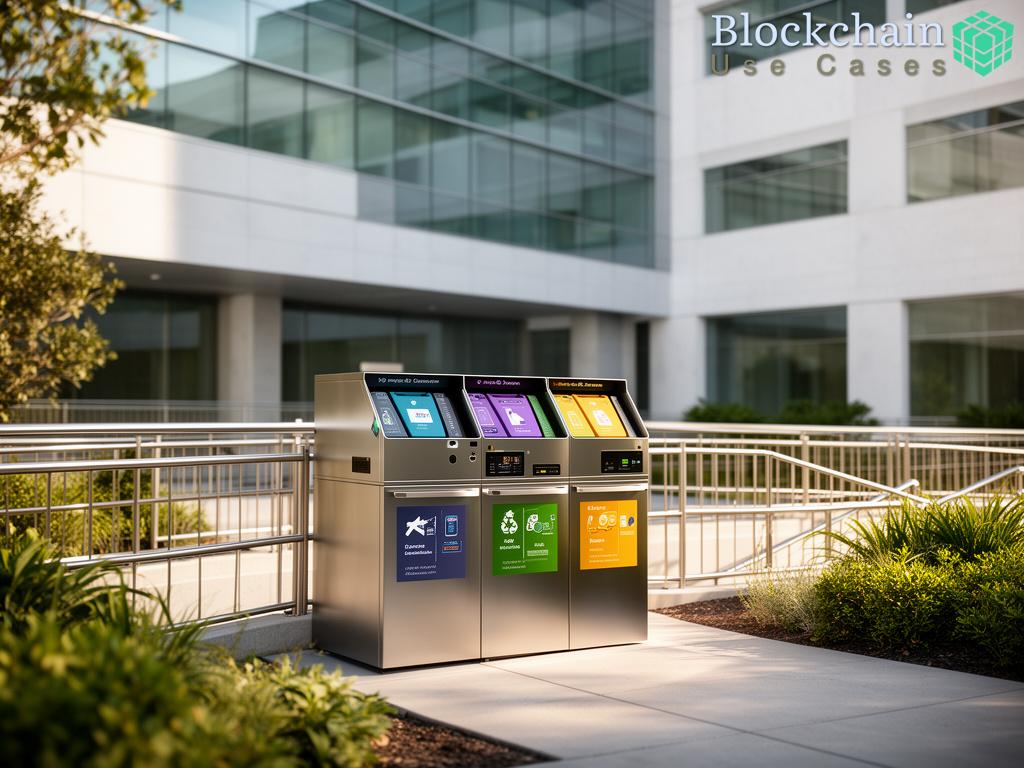
Integration of Smart Contracts in Healthcare Waste Tracking Systems
As healthcare systems across the world battle rising operational costs and regulatory scrutiny, one area ripe for technological disruption is waste management. The integration of smart contracts—self-executing blockchain-based digital agreements—into healthcare waste tracking systems promises to transform how medical facilities handle disposal, segregation, and recycling. This innovation ensures transparency, accountability, and compliance at every stage of waste processing.
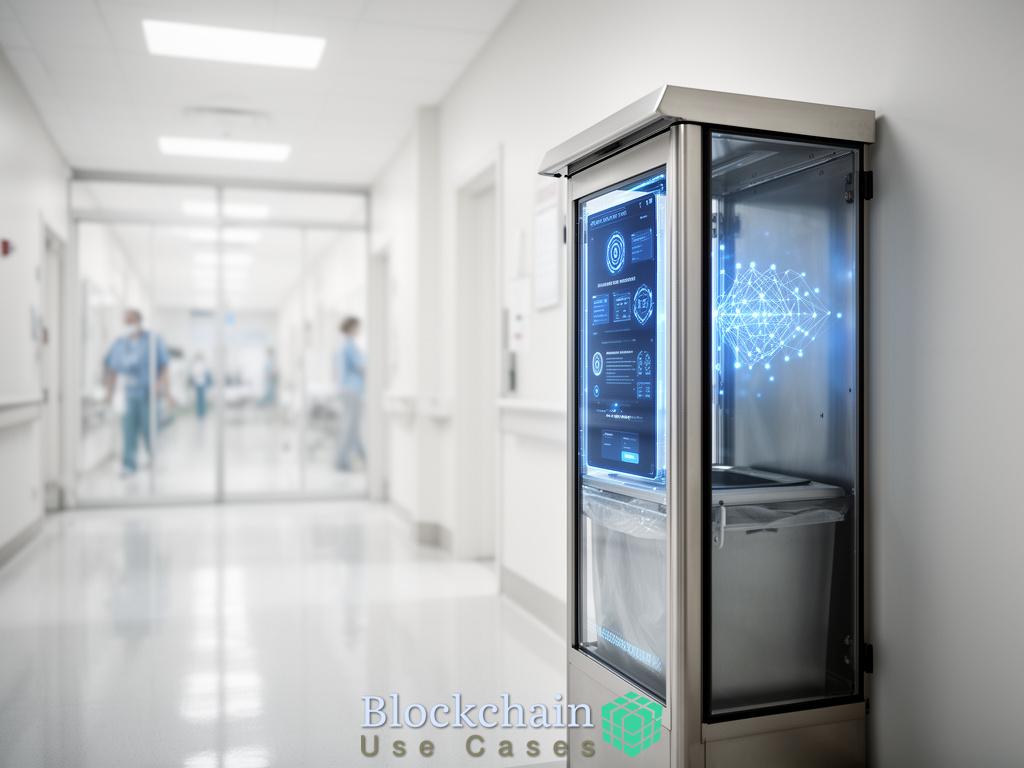
In traditional waste management processes, inefficiencies and human errors can lead to inaccurate reporting, poor compliance, and increased environmental risks. By embedding smart contracts into waste tracking platforms, hospitals can automate every step—from labeling hazardous waste to verifying its safe disposal. These contracts execute predefined rules automatically once data is verified on the blockchain, minimizing manual intervention.
Smart contracts not only support seamless verification between healthcare providers, waste carriers, and recyclers but also ensure real-time visibility across the entire waste lifecycle. This transparency helps meet national healthcare regulations and global sustainability standards.
| Feature | Traditional System | Blockchain-Enabled System |
|---|---|---|
| Data Accuracy | Prone to manual entry errors | Immutable and verified automatically |
| Compliance Tracking | Requires frequent audits | Auditable in real time |
| Cost Efficiency | Higher administrative overhead | Reduced process redundancy |
The sustainable management of biomedical waste has become a regulatory priority. Smart contracts can integrate with IoT-based sensors and digital waste bins to gather real-time data on disposal workflows. The data automatically triggers contractual actions, such as notifying waste transporters or verifying that proper waste segregation is followed. This chain of automated actions strengthens both efficiency and accountability.
Hospitals implementing blockchain and smart contract platforms report faster waste clearance cycles, better tracking accuracy, and improved partnerships with certified recyclers. In essence, this technology not only streamlines internal processes but also enhances public health safety by ensuring that hazardous materials never enter the general environment.
Key Implementation Steps for Smart Contract Integration:
- Conduct a waste-flow assessment to identify integration points within existing management software.
- Design smart contract templates aligned with healthcare compliance standards and disposal regulations.
- Deploy blockchain nodes for hospitals, waste handlers, and recyclers to enable synchronized data transactions.
- Integrate IoT sensors for automatic tracking of collection, transport, and disposal activities.
- Implement a continuous audit mechanism for real-time compliance reporting and system optimization.
The adoption of smart contracts in healthcare waste tracking is not merely a transition toward automation—it’s a shift toward an eco-conscious and compliant infrastructure. As governments and medical institutions emphasize sustainable practices, blockchain-based systems offer a clear path to efficiency, integrity, and transparency. Ultimately, smart contracts stand poised to redefine how healthcare facilities meet waste management standards in the digital era.
Enhancing Transparency and Accountability in Waste Disposal Processes
As the drive toward digital transformation accelerates within the healthcare sector, one of the most profound shifts is taking place in the domain of waste management. Transparency and accountability have become the central pillars of effective biomedical waste disposal—a domain traditionally hampered by fragmented data, inconsistent reporting, and compliance loopholes. The introduction of smart contract technology powered by blockchain addresses these long-standing inefficiencies, promising to deliver an ecosystem where every action—collection, transport, treatment, or recycling—is traceable, verified, and immutable.
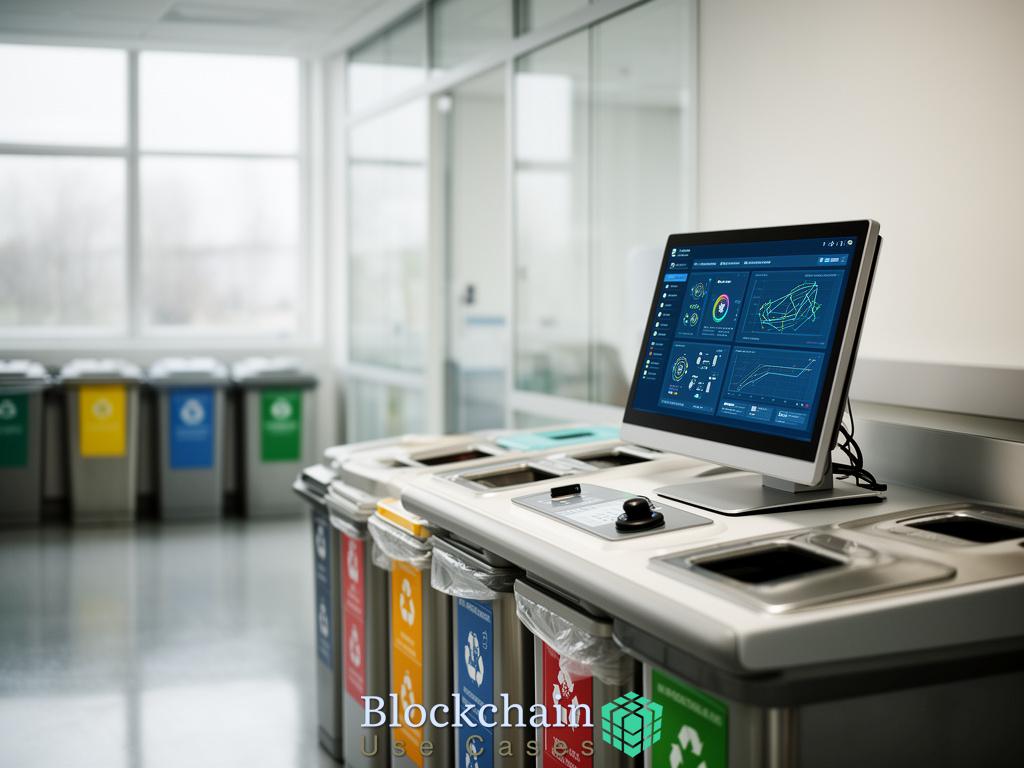
In conventional waste management systems, recordkeeping often depends on paper-based logs and manual updates, prone to human error and sometimes deliberate manipulation. Smart contracts change this landscape entirely by ensuring that once data is recorded, it cannot be altered without authorization. Each transaction related to waste transfer, from hospital wards to final disposal sites, is securely logged on the blockchain ledger. This feature guarantees authenticity and effectively deters fraudulent practices. With predefined conditions coded into the system, any deviation from protocol is automatically flagged, promoting proactive compliance rather than reactive oversight.
Moreover, healthcare administrators and environmental regulators gain real-time access to waste disposal data. This level of visibility facilitates rapid audits and informed decision-making. For instance, when a waste transporter misses a scheduled collection or a storage bin reaches its safety threshold, the system can trigger automated alerts via smart contracts, ensuring swift corrective measures and adherence to established timelines. This dynamic auditing process eliminates the need for recurring manual checks, enabling healthcare facilities to build stronger reputations for safety and integrity.
The integration of blockchain and smart contracts also transforms the collaborative relationships between hospitals, waste handlers, and recyclers. By establishing a shared, tamper-proof data environment, each participant operates with transparent accountability. The system tracks not only waste quantities but also the actors responsible at each step, ensuring that responsibility is distributed and visible across all parties. This collaborative transparency helps mitigate disputes, simplifies verification processes, and prevents lapses in environmental compliance.
Beyond compliance and operational benefits, this model contributes to greater public trust. Communities, increasingly conscious of environmental health, can take reassurance from systems that document every aspect of medical waste handling. In aligning sustainability goals with regulatory requirements, smart contracts offer a holistic framework that enhances both operational integrity and social responsibility. With such digital accountability built into core processes, healthcare institutions are not just managing waste—they are setting new benchmarks for ethical and sustainable governance.
Automated Incentive Mechanisms for Recycling and Sustainability
The transformation of healthcare waste management through blockchain and smart contract integration is driving a new wave of environmental accountability. Beyond tracking and compliance, the next frontier lies in automated incentive mechanisms that motivate healthcare organizations, waste handlers, and recyclers to adopt more sustainable behaviors. These digital frameworks connect operational efficiency with tangible ecological rewards, creating a closed-loop system where sustainability efforts are both measurable and rewarded.
Unlike traditional reporting systems that rely on delayed audits and manual verification, smart contracts enable a transparent environment where actions aligned with sustainability goals—such as proper waste segregation, responsible disposal, or effective recycling—are automatically recognized and rewarded. Each compliant activity recorded on the blockchain can trigger an incentive event, distributing rewards in the form of digital credits, certifications, or even reduced service fees. These automated transactions minimize administrative intervention while ensuring that environmental achievements are acknowledged in real-time.
For healthcare facilities, this dynamic means moving from reactive waste reporting to proactive ecological management. Incentive tokens generated through smart contracts can be exchanged within a dedicated sustainability network, encouraging collaboration between hospitals and certified recyclers. The immutable nature of blockchain ensures the transparency of every incentive transaction, allowing regulators and stakeholders to verify that rewards correspond to verified actions rather than claims.
| Parameter | Traditional Incentive Model | Smart Contract-Based Incentive Model |
|---|---|---|
| Reward Distribution | Manual and delayed | Automated and instantaneous |
| Data Verification | Dependent on audits | Blockchain-verified in real time |
| Transparency | Limited visibility | Full traceability across participants |
| Engagement Level | Low due to inconsistent incentives | High due to immediate recognition |
The integration of smart contracts with IoT-enabled recycling bins and transport systems introduces an entirely new dimension—data-driven sustainable decision-making. As bins track material types and quantities in real time, smart contracts evaluate the data against predefined benchmarks for recycling purity and waste volume reduction. When these thresholds are surpassed, automated incentives can be released to participating departments or teams. This approach transforms sustainability into a quantifiable performance metric rather than a symbolic initiative.
Moreover, the deployment of blockchain-based sustainability records serves as a proof of compliance and environmental commitment. By tying rewards directly to measurable outputs, hospitals can adopt performance-based sustainability budgeting, optimizing funds toward departments achieving the highest environmental impact. Through these mechanisms, the healthcare sector not only improves waste efficiency but also establishes a replicable model for other industries striving toward a circular economy.
Automated incentive systems represent more than an operational improvement—they create a cultural shift within healthcare facilities. As staff and management witness tangible benefits derived from waste minimization and recycling performance, sustainable behavior becomes self-reinforcing. Policymakers and environmental agencies can integrate these digital incentives into broader regional or national sustainability frameworks, linking compliance with quantifiable environmental and financial benefits. Smart contracts, therefore, do not just automate rewards; they redefine responsibility through measurable, transparent, and equitable sustainability economics.
With every verified recycling milestone, a new standard of accountability emerges—one where healthcare institutions transition from waste generators to active participants in ecological preservation. This convergence of technology, transparency, and sustainability is shaping a future where responsible waste management is not only mandatory but genuinely rewarding.
Data Security and Compliance in Blockchain-Based Waste Management
As blockchain technology becomes the backbone of healthcare waste management systems, one of its most compelling advantages lies in its ability to reinforce data security and ensure regulatory compliance. In a sector where mishandled biomedical waste can have serious legal and environmental implications, securing data integrity is not just a matter of efficiency—it’s a public health necessity. Blockchain, enhanced with smart contracts, introduces a robust ecosystem where waste tracking data remains tamper-proof, auditable, and permanently recorded, bridging the long-standing gap between operational transparency and security compliance.
Traditional waste management systems often rely on centralized databases that are vulnerable to unauthorized alterations, breaches, and data loss. In contrast, blockchain’s decentralized ledger distributes data across multiple nodes, drastically minimizing the risk of single-point failures or cyberattacks. Each data entry—from hazardous waste categorization to transport verification—is encrypted and linked to a verified digital identity, making it nearly impossible to falsify records without detection. This immutable structure ensures that healthcare institutions maintain constant compliance with national data protection standards such as HIPAA and GDPR, while also aligning with environmental reporting frameworks.
Furthermore, smart contracts add an additional layer of security by automating validation checkpoints. When a container is sealed or a waste batch is transferred to an authorized recycler, the associated transaction is automatically verified and logged. Any discrepancies, such as mismatched quantities or unauthorized access attempts, are flagged instantaneously. This automated oversight not only safeguards sensitive operational data but creates a verifiable chain of custody essential for regulatory audits.
Compliance in healthcare waste management is often hindered by fragmented documentation, inconsistent monitoring, and delayed incident reporting. With smart contracts, compliance becomes a built-in function, executed automatically through predefined logic coded into the blockchain system. When specific waste management milestones—transport, storage, treatment, or recycling—are reached, smart contracts validate each process step against embedded compliance rules. This ensures that only approved procedures aligned with local and international waste regulations are logged as valid transactions.
Regulatory agencies, hospitals, and waste handlers benefit from real-time compliance visibility. Instead of waiting for scheduled audits, regulators can access immutable ledgers that reflect ongoing operational performance. In cases of policy updates or new environmental mandates, smart contracts can be dynamically adjusted to reflect revised compliance thresholds, thus keeping the system perpetually aligned with evolving standards. This adaptive framework transforms traditional static auditing into a continuous, transparent process that raises accountability across all participants in the waste disposal chain.
In an era of increasing scrutiny over healthcare sustainability, digital trust has become the new currency of responsibility. By embedding data encryption and consensus validation mechanisms into every waste management transaction, blockchain-based systems cultivate a secure, verifiable network of stakeholders. Hospitals, transport firms, recycling units, and environmental authorities collaborate within a shared, tamper-resistant environment, enabling mutual oversight without compromising confidentiality. Every fingerprint of activity—from waste generation to recycling confirmation—becomes a digitally certified proof of compliance.
Ultimately, the integration of smart contracts in waste data security not only protects healthcare institutions from non-compliance penalties but also enhances their reputation as responsible custodians of environmental health. By ensuring that every byte of data meets both ethical and legal standards, blockchain positions itself as the cornerstone of a transparent, accountable, and future-ready healthcare waste management ecosystem.