
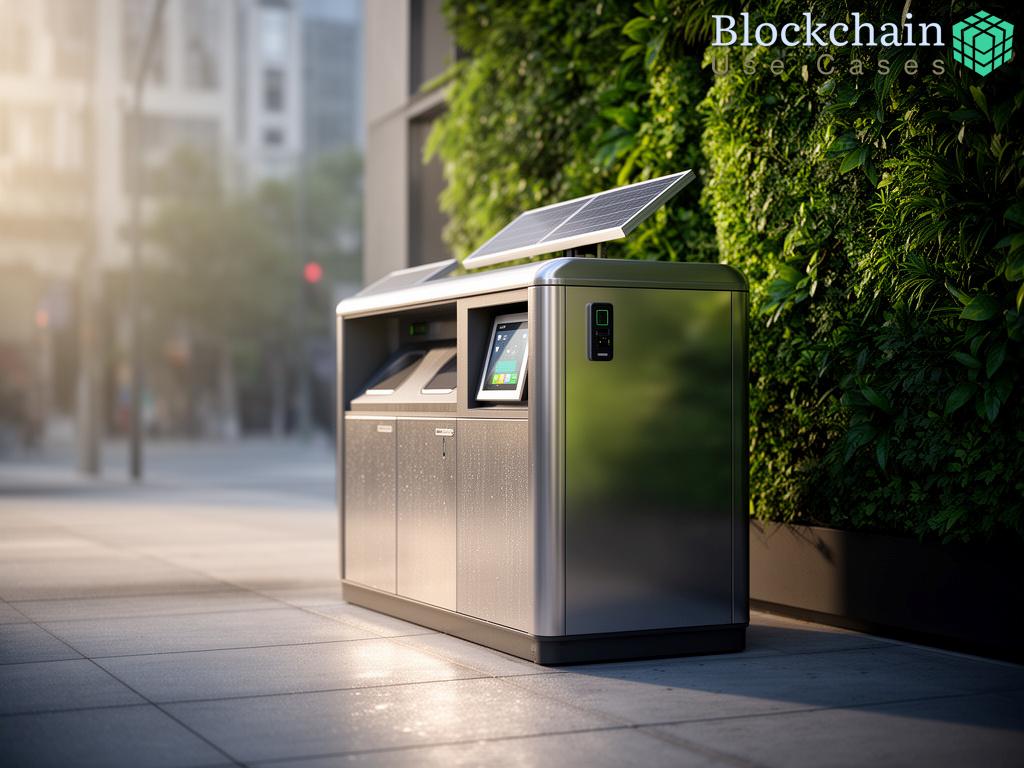
Blockchain Integration for Transparent Waste Tracking
In today’s era of digital transformation, waste management has emerged as a crucial issue requiring innovative technological solutions. The integration of blockchain technology within IoT-based smart waste sorting systems introduces transparency, traceability, and security to recycling processes. This article explores how blockchain can revolutionize the waste tracking landscape by promoting accountability and data integrity.

The conventional waste management system often suffers from inefficiencies and opacity, particularly in tracking the journey of waste from disposal to recycling. By embedding blockchain technology, each phase — collection, segregation, transportation, and recycling — is recorded immutably on a decentralized ledger. This ensures each stakeholder, from municipalities to recycling facilities, has access to verified and tamper-proof data.
IoT sensors placed within smart bins and waste transfer vehicles play a pivotal role by capturing real-time data on waste type, quantity, and location. When paired with blockchain, these devices create an automated and verifiable data chain, mitigating issues such as illegal dumping or misreporting of recyclable materials. The result is a sustainable digital ecosystem where accountability becomes inherent to the system.
Beyond transparency, blockchain integration in waste management systems contributes to operational optimization. Smart contracts underpin automated interactions among service providers, waste generators, and processing entities. Every transaction, such as waste collection requests, payments for recycling, or compliance checks, is executed automatically once predefined conditions are met.
To clearly visualize how blockchain influences efficiency and transparency, the following comparative table highlights the key differences between traditional and blockchain-enabled waste tracking frameworks:
| Aspect | Traditional Waste Tracking | Blockchain-Enabled Waste Tracking |
|---|---|---|
| Data Record | Centralized & vulnerable to tampering | Immutable & decentralized ledger |
| Traceability | Limited visibility | Real-time, end-to-end tracking |
| Stakeholder Collaboration | Dependent on central authorities | Autonomous via smart contracts |
| Operational Costs | Higher due to intermediaries | Reduced through automated workflows |
The introduction of blockchain to IoT-driven waste management does not simply digitize current operations — it redefines the very foundation of the circular economy. Through data interoperability and shared ledgers, cities can establish trust-based systems where waste is perceived not as refuse but as a resource. Governments and private entities can collaborate to analyze anonymous blockchain data, identifying waste patterns and enhancing recycling strategies.
Below is a brief descriptive list summarizing the crucial steps for effective blockchain integration in waste management operations:
- Step 1: Deploy IoT sensors to capture real-time waste data.
- Step 2: Implement blockchain nodes to store and authenticate data securely.
- Step 3: Develop smart contracts for automated collection and payment processes.
- Step 4: Enable stakeholder access for transparent tracking and auditing.
- Step 5: Integrate with data analytics tools to foster policy innovation and sustainability goals.
Overall, blockchain integration signifies a transformative leap forward — connecting technology, sustainability, and governance in pursuit of cleaner cities and a smarter planet. As global awareness toward sustainability continues to grow, this decentralized framework is quickly becoming a cornerstone for the future of waste management innovation.
IoT Sensor Networks for Real-Time Waste Classification
As cities advance toward becoming smarter and more sustainable, IoT sensor networks have become a fundamental component in realizing the potential of decentralized waste management systems. These sensors not only enable real-time monitoring but also transform how recyclable materials are identified, sorted, and processed. When integrated with blockchain-based frameworks, IoT-driven networks create a transparent, efficient, and autonomous ecosystem that minimizes human intervention while enhancing accuracy and accountability.

One of the most groundbreaking developments in smart waste management is the fusion of multiple sensors—such as optical, ultrasonic, chemical, and weight sensors—working cohesively within decentralized IoT networks. This hybrid sensor approach allows systems to accurately determine waste composition, detect contaminants, and assess material quality without manual sorting. Machine learning algorithms further strengthen this process by interpreting sensor data in real time, enabling the system to classify plastic, metal, paper, and organic materials with superior precision.
In a decentralized model, data collected from each smart bin or sorting point is validated across multiple nodes, ensuring consistency and protecting against tampering. This design enables urban administrations and private operators to operate with a unified, verified database without relying on centralized servers. As a result, data-driven decisions can be made instantly, optimizing collection routes, reducing energy consumption, and minimizing landfill dependency.
Beyond individual sensors, the true strength of IoT-enabled waste systems lies in their interconnected grid structure. These networks allow devices to communicate autonomously, exchanging data regarding fill levels, waste types, and bin conditions. The decentralized communication protocol facilitates system scalability — each node or sensor unit can operate independently while still contributing to the broader waste classification network.
Predictive analytics and edge computing capabilities empower these networks to process complex tasks locally, reducing latency and enabling near-instantaneous classification of waste materials. For instance, a smart collection vehicle equipped with edge sensors can dynamically adjust its route based on real-time bin data or environmental conditions, eliminating unnecessary fuel consumption. This responsive adaptation marks a significant milestone toward zero-emission waste logistics and sustainable smart city infrastructure.
| Feature | Conventional Waste Sorting | IoT Sensor-Based Real-Time Classification |
|---|---|---|
| Data Processing | Manual observation with delayed updates | Automated and instantaneous classification |
| System Architecture | Centralized control and limited scalability | Decentralized nodes with adaptive scalability |
| Operational Insights | Static reports on waste volumes | Dynamic analytics based on live sensor input |
| Environmental Impact | Higher emissions due to inefficient routing | Optimized routes reducing energy consumption |
When IoT sensor networks are coupled with blockchain technology, the system attains a new dimension of data trustworthiness and sustainability intelligence. Every recorded sensor event—whether detecting contamination or measuring recycling throughput—is instantly logged into an immutable ledger. This synchronized infrastructure mitigates fraudulent activities, ensures recycling compliance, and supports environmentally conscious policy-making.
Furthermore, the convergence of IoT and blockchain initiates a feedback loop where continuous data updates fuel advanced analytics and machine learning improvements. Over time, this process creates self-optimizing systems capable of foreseeing waste trends and managing resources efficiently. The outcome is a truly autonomous and transparent waste classification network that contributes directly to the advancement of a global circular economy and smarter, greener urban living.
Data Security and Privacy in Decentralized Recycling Systems
As cities continue adopting decentralized waste management models powered by IoT and blockchain, data security and privacy emerge as pivotal concerns. In a network where countless smart bins, vehicles, and processing centers interact autonomously, the sheer volume of collected data—ranging from location details to real-time waste metrics—demands robust protection mechanisms. Ensuring that this sensitive information remains secure and ethically managed is not just a technical obligation; it is essential to sustaining public trust and reinforcing the integrity of smart waste ecosystems.
The distributed structure of decentralized waste systems transforms how data integrity is maintained. Instead of relying on a central authority, encrypted peer-to-peer communication and blockchain validation layers ensure that each data entry remains tamper-proof and verifiable. Every waste data packet, whether generated by an optical sensor detecting material type or a geo-sensor monitoring vehicle routes, is cryptographically signed and immutably stored across the network’s nodes. This approach effectively eliminates single points of failure and unauthorized data alteration.
Beyond cryptographic protection, multi-layer identity verification protocols are used to confirm the authenticity of each participating device and stakeholder. These protocols ensure that only verified nodes—such as municipal authorities, waste collectors, and recycling operators—can access relevant datasets. Such zero-trust architectures drastically reduce cyberattack vectors and create a digital environment where transparency coexists with strong privacy controls. Moreover, smart contracts embedded within the blockchain autonomously enforce compliance rules, preventing data misuse and providing audit trails for every operational transaction.
While system transparency is vital for accountability, preserving user privacy remains equally critical in decentralized recycling ecosystems. IoT devices embedded in smart waste bins may collect metadata linked to user habits, neighborhood waste patterns, and consumption behaviors. To ensure ethical handling of such information, anonymization and differential privacy mechanisms are applied during data analysis, securely masking personal identifiers before data aggregation or sharing occurs. This balance enables policymakers and operators to glean meaningful insights for sustainability initiatives without compromising individual privacy.
The implementation of edge computing further enhances privacy by processing data locally within IoT devices rather than transmitting raw information to external servers. This localized computation not only minimizes data exposure risks but also improves network efficiency and environmental performance. Additionally, the use of decentralized identity management systems empowers citizens to maintain control over their digital identities, enabling them to decide which entities may access their data and under what conditions. Such empowerment fosters public confidence in smart waste technologies while promoting responsible innovation.
Ultimately, the future of data security within decentralized recycling systems lies in the convergence of advanced cryptography, privacy-by-design principles, and transparent governance. As the digital and physical layers of waste management become increasingly intertwined, building secure and privacy-centric frameworks will determine whether these technologies can scale globally and sustainably. The commitment to protecting data integrity and respecting user privacy will define the next paradigm of trust in IoT-enabled environmental transformation.
Smart Contracts for Automated Recycling Incentives
As decentralized waste management ecosystems evolve, smart contracts are emerging as a cornerstone for fostering efficient, transparent, and self-regulating recycling processes. Deployed within blockchain networks, these programmable agreements autonomously execute predefined actions when certain conditions are fulfilled—eliminating intermediaries and ensuring equitable participation among all stakeholders. In the context of IoT-enabled smart waste sorting systems, smart contracts enable the creation of automated incentive models that reward citizens, recyclers, and municipal entities for their sustainable actions. This convergence of automation, transparency, and green economics is redefining the way urban recycling systems operate.
Smart contracts integrate seamlessly into the operational architecture of decentralized recycling systems, transforming waste transactions into verifiable, reward-based events. When a smart bin equipped with IoT sensors records that recyclable material has been correctly deposited, the data is instantaneously validated across blockchain nodes. Upon confirmation, the embedded smart contract autonomously triggers a digital token reward credited to the participant’s account. These tokens may later be exchanged for utility credits, public services, or even local e-currency equivalents, bringing tangible benefits to eco-conscious behavior.
Beyond individual incentives, this automated reward system encourages collaborative recycling frameworks in communities where transparency and fairness are digitally guaranteed. Each participant—whether a household, private recycling facility, or municipal department—interacts on equal terms, governed by algorithmic trust rather than institutional hierarchies. This approach not only increases recycling participation rates but also cultivates a self-sustaining green economy where environmental responsibility becomes quantitatively recognized and economically appealing.
At the technical level, smart contracts in IoT-driven waste systems act as autonomous coordinators, linking sensor data with transactional logic. They establish conditional workflows—such as verifying recyclable material quality, validating collection timestamps, or monitoring compliance metrics—prior to award allocation. The process is completed without manual oversight, creating a real-time incentive loop between citizens and recycling authorities.
To better visualize how automated incentive execution improves recycling mechanisms, consider the following comparative table illustrating differences between Traditional Incentive Programs and Smart Contract-Based Rewards:
| Aspect | Traditional Incentive Programs | Smart Contract-Driven Incentives |
|---|---|---|
| Data Validation | Manual reporting prone to errors | Automated verification via IoT data streams |
| Reward Distribution | Centralized and time-delayed payouts | Instant and automatic tokenized rewards |
| Administrative Overhead | Requires third-party management | Self-executing and cost-efficient |
| Transparency Level | Limited visibility into reward allocation | Immutable and publicly auditable transactions |
This comparison underscores how the transition from centralized to decentralized frameworks significantly strengthens operational accountability while fostering economic inclusivity in waste management. Through such automation, smart contracts minimize infrastructure costs and human bias, ensuring that every participant receives fair compensation based on verifiable contributions.
The success of smart contract-based recycling models largely depends on their ability to integrate seamlessly into existing municipal architectures while maintaining scalability for growing urban populations. By connecting IoT sensors, blockchain nodes, and digital wallets under a unified incentive framework, decentralized systems establish continuous feedback loops between data generation and policy evolution. Dynamic reward structures can be adjusted in real-time based on waste volume, material type, or recycling frequency, aligning financial motivation with environmental outcomes.
Furthermore, these systems encourage local economies by introducing green tokenomics—a digital economic structure linked directly to sustainability metrics. Citizens earn and trade tokens within circular communities, thereby transforming environmental stewardship into a measurable and economically empowering activity. City administrators gain access to anonymized blockchain analytics to adjust incentive strategies, ensuring equitable distribution and long-term ecological balance.
Key Elements in Implementing Smart Contract Recycling Incentives
- Integrate IoT and blockchain infrastructures to capture and validate real-time recycling data.
- Deploy smart contracts with predefined rules for reward issuance and waste quality verification.
- Enable tokenized reward systems to promote continuous user engagement and local green economies.
- Leverage decentralized analytics to refine incentive distribution and policy effectiveness over time.
In the broader narrative of decentralized environmental technology, smart contracts serve as the connective tissue linking digital trust, behavioral economics, and sustainability performance. As global cities transition toward smarter waste ecosystems, automated recycling incentives will become a vital mechanism to balance ecological integrity with economic growth—ushering in a new era where sustainability is not only a civic duty but also a rewarding digital experience.
Scalability Challenges in Decentralized Waste Management
As decentralized systems continue to redefine the efficiency and sustainability of urban waste management, the conversation has shifted from early adoption to scalable integration. While IoT-based smart waste sorting and blockchain-backed transparency have introduced unparalleled advancements, cities and enterprises face pressing scalability challenges that can hinder large-scale implementation. Expanding from pilot programs to citywide or national infrastructures requires overcoming complex technical, algorithmic, and governance barriers associated with decentralized architectures. This segment examines the multifaceted nature of these challenges and outlines emerging strategies aimed at achieving seamless interoperability and sustainable growth.
One of the foremost hurdles in expanding decentralized waste management systems lies in the increasing data complexity generated by thousands of interconnected IoT sensors. Each device continuously transmits data related to waste type recognition, fill levels, contamination metrics, and processing efficiencies. As the network grows, ensuring consistent synchronization between blockchain nodes and IoT gateways becomes a monumental task. Latency and data congestion may occur when multiple nodes attempt to verify and store real-time transactions simultaneously, particularly in metropolitan areas with dense sensor deployments.
To address these bottlenecks, decentralized architectures must adopt upgraded consensus mechanisms capable of coping with high transaction throughput. Hybrid protocols such as Proof-of-Authority (PoA) or Directed Acyclic Graph (DAG)-based structures are being explored to balance decentralization with performance. Additionally, layer-two scaling solutions and sharding techniques have shown promise in enabling parallel transaction validation, which can drastically enhance the network’s speed and responsiveness without compromising data integrity. The following table provides an illustrative comparison between conventional and emerging approaches to decentralized scaling:
| Scaling Dimension | Conventional Blockchain Methods | Next-Generation Decentralized Techniques |
|---|---|---|
| Consensus Efficiency | Energy-intensive proof mechanisms | Low-energy PoA and DAG optimizations |
| Transaction Throughput | Limited to a few transactions per second | Parallel validation via sharding and sidechains |
| Data Synchronization | Sequential block confirmation delays | Real-time micro-block or node clustering |
| Resource Utilization | High computational demand per node | Distributed computing with edge processing |
Without these technical upgrades, the decentralized waste ecosystem risks facing the same scalability dilemmas that plagued early blockchain networks—leading to slower decision-making and reduced system responsiveness. Thus, innovation at both the hardware and protocol levels is indispensable to facilitate large-scale adoption.
Beyond technology, scalability also hinges on institutional collaboration and governance alignment. Each stakeholder—ranging from municipal authorities and waste collectors to recycling startups—operates under different regulatory and operational frameworks. The absence of unified data standards and procedural protocols often results in fragmented systems that obstruct interoperability. Without a coherent governance model, scaling a decentralized waste ecosystem across different regions can lead to inconsistencies in performance metrics, data ownership disputes, and audit inefficiencies.
To mitigate these issues, policymakers and developers are now focusing on modular blockchain standardization combined with federated governance models. These frameworks enable localized systems to maintain autonomy while still contributing to a shared ledger of verified data. Moreover, the emergence of cross-chain communication protocols allows data from multiple blockchain networks to interact securely, overcoming the silos that once hindered scalability. Smart governance contracts are now capable of automatically reconciling regulatory differences between stakeholders, ensuring policy adaptability as systems expand.
Scalability in this context is not merely a technological achievement but a socio-technical evolution—a balance between decentralized trust and coordinated governance. The cities that succeed in scaling decentralized waste management will be those that integrate interoperability standards into every stage of their digital infrastructure, empowering both public institutions and private enterprises to co-manage environmental goals transparently.
The economic dimension of scalability cannot be understated. Deploying thousands of IoT sensors, maintaining blockchain nodes, and supporting cloud-edge hybrid systems require substantial financial and energy resources. The challenge intensifies as cities strive to maintain a carbon-neutral digital footprint while scaling technological operations. Economic sustainability must, therefore, be intrinsically linked to energy efficiency, system automation, and adaptive incentive mechanisms.
Emerging trends such as decentralized financing (DeFi) partnerships and tokenized infrastructure funding are being employed to offset deployment costs and attract environmental investors. These capital models leverage smart contracts to finance the installation of sensor networks, rewarding contributors through performance-based digital tokens. Additionally, the integration of AI-driven energy optimization algorithms ensures that distributed IoT nodes operate with minimal energy waste, enabling a scalable yet ecologically balanced infrastructure. By fusing financial decentralization with technological intelligence, cities can overcome the economic limitations that once restricted mass adoption.
Ultimately, the path toward scalable decentralized waste management systems lies in aligning technological innovation, economic pragmatism, and policy cooperation. The combined force of these elements will determine how effectively human societies transition from isolated smart waste initiatives to globally coordinated circular ecosystems capable of sustaining future urban generations.