
Blockchain Integration for Transparent Quality Monitoring
In today’s interconnected global economy, manufacturers, suppliers, and logistics providers face increasing pressure to ensure product quality and traceability. The traditional, centralized monitoring systems often fail to deliver the transparency and speed required for modern operations. By integrating blockchain technology into supply chain quality management, organizations can not only safeguard data integrity but also promote shared accountability across partners.
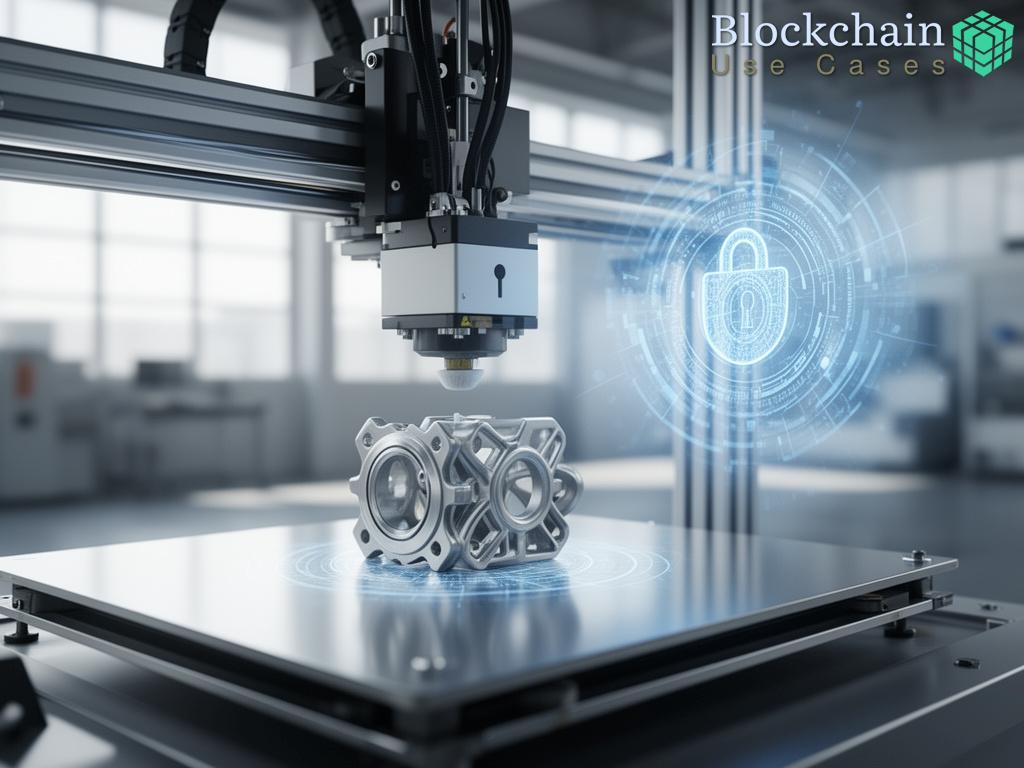
Blockchain integration is redefining how enterprises track and verify product quality across distributed supply networks. Unlike legacy systems, blockchain offers an immutable ledger that records every quality check, inspection, and compliance result in real time. This approach eliminates data silos and ensures that every stakeholder—from producers to consumers—has access to a single source of verified truth.
Companies are beginning to realize that the adoption of decentralized ledgers is not merely a trend, but a fundamental shift toward operational transparency. The tamper-resistant nature of blockchain prevents unauthorized alterations, ensuring that quality-related data, once recorded, remains trustworthy.
| Aspect | Traditional Monitoring | Blockchain-Based Monitoring |
|---|---|---|
| Data Integrity | Vulnerable to manipulation and human error | Immutable and cryptographically verified |
| Transparency | Limited visibility for partners | Real-time shared visibility for all stakeholders |
| Audit Process | Manual and time-consuming | Automated and instant through smart contracts |
Blockchain fosters an environment of trust and mutual accountability within the supply chain. Each participant—from raw material suppliers to quality auditors and manufacturers—can securely exchange data with immediate verification. This promotes continuous process improvement and allows quick action on nonconformance issues.
Furthermore, smart contracts, an integral part of blockchain systems, automatically enforce predefined rules and standards. When quality thresholds are not met, alerts are generated, and corrective actions can be triggered without delay.
For businesses exploring blockchain integration, several crucial steps ensure successful adoption and measurable improvement in quality outcomes:
- Assessment: Evaluate current quality management processes and identify data flow bottlenecks suitable for decentralization.
- Integration Planning: Choose a blockchain platform compatible with existing enterprise resource planning (ERP) systems.
- Pilot Implementation: Begin with a limited-scope project to test interoperability and supplier collaboration efficiency.
- Performance Benchmarking: Continuously monitor key performance indicators (KPIs) such as defect rates, audit time reduction, and stakeholder satisfaction.
- Scaling Up: Expand gradually across global locations based on pilot success and return on investment.
By embracing blockchain-enabled quality monitoring, organizations not only achieve technological advancement but also elevate trust, sustainability, and competitive advantage across the entire supply chain network.
Empowering Supplier Collaboration Through Decentralized Networks
As supply chains continue to diversify across continents and industries, efficient collaboration with suppliers has become the cornerstone of maintaining consistent quality and operational transparency. Decentralized networks built on blockchain technology are transforming how organizations and their suppliers interact, exchange information, and ensure mutual compliance. Unlike traditional hierarchical models where communication flows through centralized authorities, decentralized systems empower every participant to contribute data and insights in real time, fostering an ecosystem of trust and shared progress.
In a decentralized supply network, data is no longer confined to a single repository managed by one organization. Instead, all members of the chain — from raw material sources to final assemblers — collectively maintain and validate quality records through distributed ledgers. This shared ownership model strengthens accountability across all tiers of the supply chain. By eliminating opaque communication channels, suppliers are encouraged to uphold consistent quality standards, knowing that any deviation is immediately visible and verifiable by all stakeholders.

Moreover, decentralized record-keeping promotes proactive engagement rather than reactive correction. Suppliers can directly update process improvements, material certifications, or compliance documentation within the blockchain framework, ensuring instant visibility and reducing administrative overhead. The continuous synchronization of verified data translates into fewer disputes, quicker audits, and a stronger alignment between partners striving for excellence.
One of the most transformative elements of decentralized supply chain quality management is its ability to create an open yet secure environment for innovation. When suppliers have secure access to performance analytics, demand forecasts, and quality data from other partners, they can anticipate issues before they arise and propose improvements that benefit the entire network. This mutual transparency fosters innovation rooted in real-time intelligence, replacing competitive secrecy with collaborative advancement.
Smart contracts play a pivotal role in maintaining fairness and efficiency. These self-executing agreements automatically enforce quality parameters, ensuring that standards are consistently met without manual intervention. Any discrepancies trigger instant notifications, prompting all relevant parties to initiate corrective measures without delay. This dynamic coordination allows for swift resolution of quality issues and ensures continuous improvement loops are embedded within daily operations.
Key Advantages of Decentralized Supplier Collaboration:
- Enhanced Transparency: Every member of the network shares access to immutable quality records, reducing miscommunication and delays.
- Accelerated Feedback Loops: Real-time data exchange enables immediate identification and resolution of noncompliance or performance issues.
- Mutual Trust and Accountability: Suppliers and manufacturers co-own the verification process, promoting reliability and fairness.
- Cost and Time Efficiency: Automated quality checks and smart contract enforcement minimize manual audits and administrative complexity.
- Innovation Enablement: Shared datasets drive collective problem-solving and continual process optimization.
The adoption of decentralized systems not only reshapes how data flows within supply chains but also redefines how relationships are built. Suppliers become strategic collaborators rather than transactional entities, participating actively in shaping quality standards and achieving sustainability goals. Over time, this approach cultivates a culture of continuous improvement rooted in transparency, respect, and technological empowerment.
As global supply networks grow increasingly digital, organizations that champion decentralized collaboration will emerge as leaders in both quality and innovation. By aligning technology with trust, businesses are laying the foundation for an intelligent, self-sustaining ecosystem where every participant contributes to shared excellence.
Data-Driven Decision Making in Distributed Quality Systems
In a globalized environment where supply chains operate across multiple regions and digital ecosystems, data-driven decision making has emerged as the cornerstone of effective decentralized quality management. The convergence of blockchain, analytics, and artificial intelligence enables organizations to derive meaningful insights from decentralized data points, ensuring that every choice is informed, transparent, and rooted in accuracy. As real-time data replaces fragmented reporting systems, enterprises can finally move beyond reactive quality management to achieve predictive and prescriptive outcomes that fuel continuous improvement.

One of the most transformative aspects of decentralized supply chain networks is their capacity for real-time data aggregation and analysis. Unlike traditional centralized systems that rely on batch data collection, blockchain-enabled frameworks capture every quality-related event instantly, creating a continuous flow of actionable intelligence. This approach empowers decision-makers with a single version of truth drawn from validated and immutable data sources. Through advanced analytics, organizations can identify subtle variations in product quality, detect emerging risks before they escalate, and allocate resources with precision.
By integrating machine learning models and predictive algorithms into decentralized systems, companies can forecast quality deviations or process inefficiencies ahead of time. For instance, when a supplier’s performance metrics begin to drift from optimal thresholds, automated alerts are triggered through smart contracts, enabling immediate intervention. This proactive strategy not only reduces defect rates but also enhances trust across stakeholders who rely on verifiable data rather than assumptions. The fusion of analytics and decentralization forms a powerful feedback loop that continuously refines operational performance.
The success of data-driven decision making in distributed quality systems depends on effective data harmonization. As supply chains involve multiple partners, each using distinct digital platforms, the ability to integrate, standardize, and contextualize data becomes essential. Blockchain serves as the backbone of this process by ensuring that all stored information adheres to a unified structure and remains tamper-proof. This harmonized data environment enables businesses to compare performance indicators across different suppliers, manufacturing sites, or logistics providers with unparalleled transparency.
Moreover, organizations are increasingly adopting AI-driven dashboards built upon decentralized databases to transform complex datasets into intuitive decision-support visuals. These systems empower managers and auditors to identify priority areas, track long-term trends, and implement strategic improvements based on evidence rather than speculation. The result is a culture of continuous intelligence where every stakeholder—from plant supervisors to supply chain executives—can derive context-aware insights in real time. As decentralized networks mature, the synergy between data integrity and cognitive analytics will redefine how quality decisions are made at every level.
Ultimately, decentralized data ecosystems are not merely technological advancements—they represent a paradigm shift in governance and accountability. By grounding decisions in shared, immutable, and intelligently processed data, businesses foster resilience, agility, and trust throughout the entire supply chain. The future of quality management lies in orchestrating collective intelligence, where every validated data point contributes to the continuous evolution of operational excellence.
Ensuring Compliance and Traceability Across Multi-Tier Supply Chains
As modern supply chains evolve into expansive, interconnected networks spanning continents, compliance and traceability have become critical pillars of quality assurance. In multi-tier supply chains where dozens of suppliers may contribute to a single product, ensuring that every component adheres to regulatory and ethical standards presents a formidable challenge. Traditional compliance checks often depend on manual audits and fragmented data exchanges, creating loopholes that can obscure nonconformities or unethical practices. The integration of decentralized technologies offers a transformative solution, enabling real-time transparency and immutable documentation across every link of the supply chain.
In the decentralized model, every stakeholder—from raw material providers to final assemblers—records compliance information directly onto a shared blockchain ledger. Each transaction, inspection, and certification is securely timestamped and cryptographically validated, ensuring that the data’s authenticity remains beyond contestation. This distributed structure eliminates data silos and provides auditors and regulators with trusted, audit-ready information at any moment. The result is an ecosystem where regulatory adherence is not an afterthought but an embedded process verified through digital consensus.
Unlike centralized databases vulnerable to manipulation, decentralized compliance systems guarantee tamper-proof documentation of all quality and safety checkpoints. When combined with smart contracts, compliance obligations can be enforced automatically—triggering instant actions if breaches occur or certifications expire. This automation minimizes administrative complexity while elevating compliance precision across every partner and geographic location involved. By embedding verifiable traceability into the lifecycle of every product, companies nurture consumer confidence and align operational practices with international standards such as ISO 9001, REACH, or FDA regulations.
Traceability has shifted from being a regulatory necessity to a strategic advantage in global supply chain management. With multi-tier supplier networks, tracking a product’s journey—from origin to distribution—requires multidimensional visibility that only decentralized systems can provide. Through digital tokens and unique identifiers, every material component acquires an immutable identity stored on the blockchain. These identifiers maintain detailed histories of sourcing, handling, and transportation, allowing tracebacks to be performed in seconds rather than days.
In practice, this level of traceability empowers organizations to detect risk patterns early. For instance, when sensor data or inspection records indicate a deviation in quality parameters at any node, automated alerts inform all relevant stakeholders simultaneously. This proactive mechanism ensures swift containment of potential issues, reducing recall costs and protecting brand reputation. Furthermore, the visibility gained through decentralized traceability enables more responsible sourcing. Companies can verify ethical labor practices, environmental compliance, and supplier sustainability credentials in real time—data that increasingly influences consumer purchasing decisions and investor trust.
The integration of decentralized compliance and traceability frameworks ultimately transforms supply chains into intelligent, self-regulating ecosystems. By merging digital verification with predictive analytics, enterprises not only shield themselves from compliance risks but also create a foundation for continuous improvement. In an era defined by complex networks and dynamic market pressures, those adopting these transparent and trusted systems set a new standard for operational excellence and long-term resilience.
Fostering Continuous Improvement Through Decentralized Feedback Loops
As global supply chains evolve into digital ecosystems, the capacity to respond rapidly to quality deviations and emerging inefficiencies has become a decisive factor for success. In decentralized supply chain quality management, feedback is no longer a linear process dictated by hierarchical oversight. Instead, decentralized feedback loops transform every data transaction, inspection report, and supplier update into an opportunity for learning and progress. These continuous cycles of input and refinement empower organizations to sustain operational excellence even amid dynamic market conditions and complex supplier networks.
In conventional systems, insights typically flow upward through multiple channels before corrective actions are initiated, often leading to delays and fragmented accountability. By contrast, decentralized frameworks ensure that feedback is captured, verified, and circulated in real time across all nodes of the supply network. Each participant contributes verified data within blockchain-enabled environments, allowing organizations to detect irregularities or process inefficiencies instantly. This digital synchronization turns quality oversight into a collaborative, data-rich exchange where every update reinforces systemic intelligence rather than merely documenting past issues.
Machine learning algorithms and smart analytics platforms analyze this continuous stream of validated information to uncover hidden trends in product performance, supplier reliability, or environmental impact. When an anomaly is identified—such as a drop in material consistency or delayed compliance documentation—smart contracts automatically trigger alerts and initiate corrective workflows. This automation establishes a continuously evolving ecosystem where insights are not just reactive but predictive, driving improvement before deviations affect end products or customer satisfaction.
Continuous improvement thrives on collaboration. In a decentralized context, feedback loops connect diverse stakeholders—manufacturers, distributors, suppliers, and regulators—within a trusted digital framework that supports transparent communication and shared accountability. Each contribution to the ledger serves as an authenticated data point, empowering teams to refine production protocols and optimize resource utilization collectively. This transparency eliminates the inefficiencies of traditional top-down reporting, accelerating the pace at which improvements can be implemented across the network.
Organizations leveraging these decentralized feedback mechanisms gain more than operational efficiency; they cultivate a resilient culture of innovation. With verifiable performance metrics visible to all participants, the focus shifts from blame to collaboration. Partners use shared insights to co-create solutions—adapting processes, redesigning workflows, and enhancing compliance strategies dynamically. This collective intelligence fuels sustainable quality enhancement grounded in facts, accountability, and shared goals, creating a seamless bridge between digital traceability and human ingenuity.
The most advanced decentralized feedback systems integrate governance models that evolve in tandem with the data they process. Instead of static quality standards, decentralized governance leverages real-time analytics and stakeholder consensus to refine procedural guidelines continually. Adaptive governance mechanisms driven by blockchain consensus ensure that as market demands shift or new compliance requirements emerge, the supply chain adjusts instantly. The feedback loop thus becomes not only operational but strategic—guiding decision-makers toward agility and continuous transformation.
Enterprises that embrace this decentralized continuum of self-correction and collaborative insight are redefining quality assurance for the digital era. They move beyond periodic audits and manual reviews, operating in a state of perpetual optimization anchored in verified, decentralized data. As these ecosystems mature, they represent more than technological progress—they embody a new quality paradigm where intelligence, trust, and improvement converge to form the backbone of future-ready supply networks.