Integration of Blockchain with IoT for Product Provenance
Luxury brands face an increasing challenge in validating the authenticity and traceability of their products in a world driven by technology and global commerce. Counterfeit goods continue to erode both brand integrity and consumer trust. However, a powerful combination of Blockchain and Internet of Things (IoT) technologies is reshaping how organizations can ensure genuine product provenance. This transformative integration not only strengthens transparency across the supply chain but also provides real-time insights and verification methods for high-value goods.
Blockchain Meets IoT: A Revolution in Product Provenance
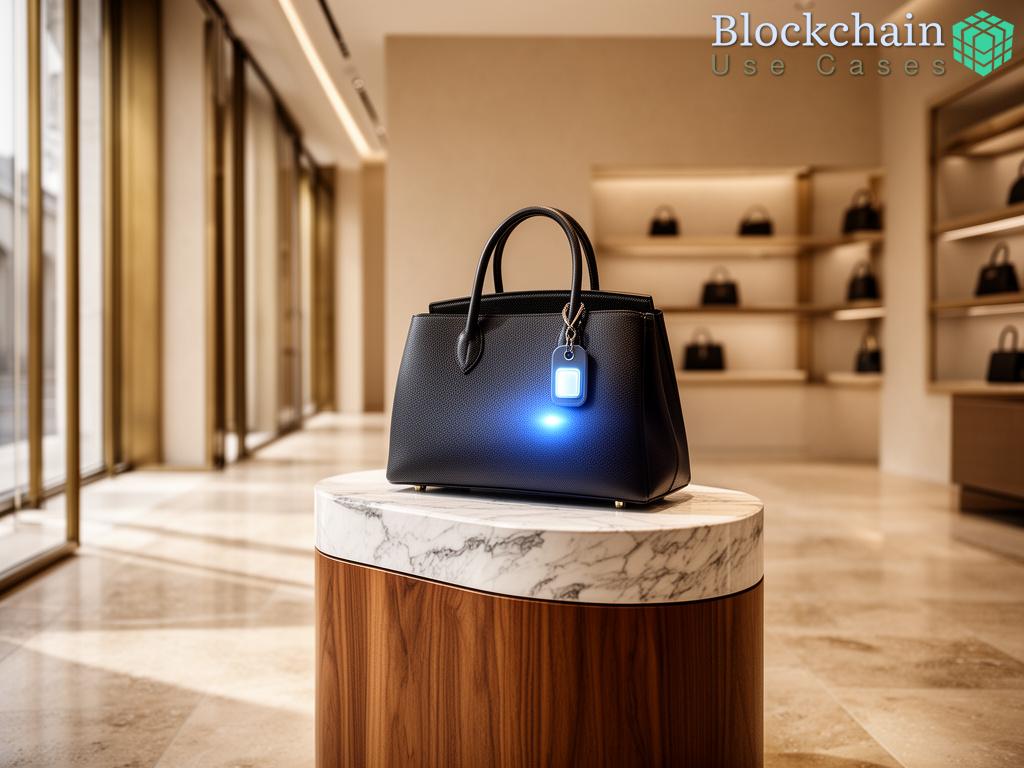
The integration of Blockchain technology with IoT devices creates a secure and immutable framework for tracking luxury goods from manufacturing to consumer hands. Each product, embedded with an IoT-enabled sensor or RFID chip, transmits data regarding its origin, movement, and current status. These data records are encrypted and stored on a distributed blockchain ledger – ensuring that every entry remains tamper-proof.

Unlike traditional tracking systems, this approach utilizes IoT to collect real-time environmental and logistic data, while blockchain guarantees the integrity of that data across a decentralized network. Such synergy allows brands and consumers alike to verify the authenticity and journey of products with unprecedented clarity and confidence.
Impact on Luxury Market Transparency and Consumer Trust
For premium goods such as designer handbags, high-end watches, or collectible timepieces, authenticity verification is crucial. Blockchain and IoT together can deliver evidence-based trust. Consumers can scan their product’s digital ID to access its verifiable history, including information about fabrication location, shipment routes, storage conditions, and ownership changes.
This system not only curtails counterfeiting attempts but also enhances consumer engagement through increased transparency. Retailers and manufacturers benefit from better inventory management, faster recall systems, and improved accountability across supply chains. Moreover, the immutable nature of blockchain records assures organizations that their data integrity cannot be compromised by insider threats or cyberattacks.
Key Comparisons Between Traditional vs. Blockchain-IoT Systems:
| Aspect | Traditional Tracking Systems | Blockchain-IoT Integrated Systems |
|---|---|---|
| Data Security | Centralized and vulnerable to manipulation | Decentralized and cryptographically secure |
| Data Visibility | Limited and often opaque | Transparent with verifiable provenance records |
| Consumer Trust | Relies on brand reputation | Built through verified and immutable records |
| Operational Efficiency | Manual audits and delayed tracking | Real-time monitoring and automation via IoT |
Implementation Steps for Integrating Blockchain with IoT Devices
Successful implementation demands strategic planning, partnership between technology providers, and alignment with regulatory standards. The following key steps outline an effective path to deploying blockchain for IoT-based luxury goods authentication:
- Step 1: Select appropriate IoT sensors or tags compatible with blockchain data protocols.
- Step 2: Establish secure connectivity channels for real-time data transmission from IoT devices to blockchain nodes.
- Step 3: Define smart contracts for automated authentication and ownership verification.
- Step 4: Integrate consumer interfaces that allow users to verify provenance via mobile or web platforms.
- Step 5: Maintain compliance with data protection regulations and ensure interoperability among supply chain partners.
As luxury industries move toward digital transformation, the fusion of Blockchain and IoT stands as a potent tool for building trust and safeguarding authenticity. The approach not only supports operational excellence but also fosters a deeper, transparent relationship between brands and their clientele.
Enhancing Supply Chain Transparency through Distributed Ledger Technology
As the luxury goods sector continues its digital transformation journey, organizations are increasingly turning toward blockchain technology to reinforce transparency and reliability across their supply chains. The integration of distributed ledger technology with IoT-enabled assets provides a powerful mechanism to verify the integrity of each product’s journey—from raw material sourcing to final retail delivery. This digital transparency not only addresses the long-standing issue of counterfeiting but also establishes a foundation of verifiable trust that reshapes the relationship between brands and consumers.
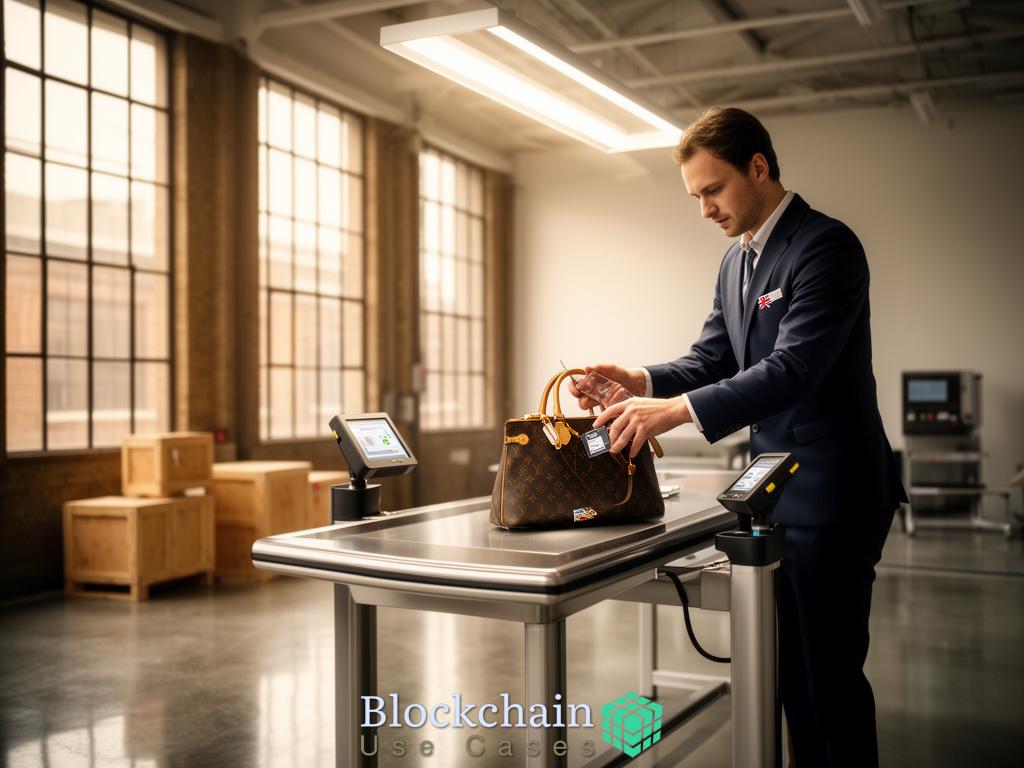
Reinforcing Visibility and Accountability Across the Supply Chain
The core strength of distributed ledger technology (DLT) lies in its immutable and decentralized structure, making it ideal for tracking high-value goods in the luxury segment. Each transaction or product event recorded on the blockchain cannot be altered, ensuring a permanent record of authenticity. When IoT devices embedded in products transmit real-time status data—such as storage conditions, transit details, and geographical coordinates—this data is instantly verified and stored on the blockchain. The result is a transparent, tamper-proof timeline that documents every stage of the product lifecycle.
Unlike traditional supply chain systems, where data often resides in isolated silos, blockchain ensures that all participants—from manufacturers and logistics firms to retailers and end customers—access a unified version of the truth. This not only enhances accountability among supply chain stakeholders but also allows regulators and auditors to verify compliance seamlessly. Furthermore, smart contracts automate and validate key stages in the supply chain, significantly reducing administrative overheads and human errors while expediting verification workflows.
Elevating Consumer Confidence Through Verifiable Transparency
Transparency is no longer an optional feature in the consumer experience—it has become an expectation. Blockchain-based tracking mechanisms enable luxury brands to provide detailed and irrefutable proofs of authenticity for each product. Consumers can use a smartphone or digital platform to access real-time data about a product’s journey, confirming its originality with just a few taps. This process enhances consumer trust and differentiates brands through honesty and openness.
Luxury brands implementing blockchain-driven IoT systems also gain a strategic edge in sustainability and regulatory compliance. By tracing the source of materials, organizations can verify ethical sourcing practices and assure compliance with global trade requirements. In addition, this approach bolsters post-sale engagement, allowing consumers to receive product care updates or ownership verification through secure blockchain entries. The integration of distributed ledger transparency with IoT-enabled ecosystems stands as a transformative advancement—one that shifts luxury brands from reactive protection models to proactive trust-building frameworks.
Security and Data Integrity in Luxury Goods Authentication
In the digital era where consumer confidence defines brand prestige, luxury goods authentication requires more than stylish presentation — it demands irrefutable proof of origin, authenticity, and ethical standards. As brands adopt blockchain combined with Internet of Things (IoT) technology, they are redefining security and data integrity frameworks to safeguard high-value products from counterfeiting and data manipulation. This convergence ensures that every digital trace remains transparent, immutable, and verifiable, anchoring trust in an industry built on exclusivity and precision.
Fortifying Data Integrity Through Immutable Ledger Systems
Data integrity lies at the core of luxury goods authentication. Historically, traditional databases relied on centralized structures that were susceptible to breaches, unauthorized alterations, or data loss. Blockchain changes this paradigm entirely. Each transaction or update regarding a product’s lifecycle is encrypted and permanently stored on a distributed ledger. This decentralized architecture offers not only tamper-proof documentation but also a single, unified record visible to all authorized participants in the supply chain.
When integrated with IoT sensors or communication chips embedded in products, real-time data such as location, environmental conditions, and handling procedures are accurately captured. These entries are cryptographically linked, ensuring that any attempt to modify past records is both detectable and immediately rejected by the network. This guarantees the authenticity of each data point and fortifies traceability for luxury brands that depend on integrity as their defining attribute.
Advanced Security Protocols and Smart Contract Automation
The integration of blockchain with IoT introduces an intricate layer of security through smart contracts—self-executing digital agreements encoded on the blockchain. These intelligent contracts automatically validate key events, such as product transfers or ownership verification, reducing the need for manual oversight and eliminating potential vulnerabilities introduced by human error. The execution of these protocols not only strengthens operational efficiency but also enables brands to establish verifiable audit trails.
In addition, encryption standards and cryptographic hashing protect each transaction against external threats. Blockchain’s consensus mechanism ensures that only verified data can be appended to the ledger, providing an additional safeguard against cyberattacks or falsified updates. As a result, both businesses and consumers benefit from enhanced confidence in data reliability—an essential factor for maintaining the prestige and exclusivity of luxury products.
Key Security Enhancements Enabled by Blockchain-IoT Systems:
- End-to-End Encryption: Every product transaction and data transfer is protected by encryption, ensuring information confidentiality across the network.
- Decentralized Validation: Multiple blockchain nodes confirm data accuracy, preventing manipulation and unauthorized entry.
- Smart Contract Safeguards: Automated verification mechanisms replace manual audits, streamlining authentication while minimizing risks.
- Real-Time Monitoring: IoT sensors continuously transmit verified data, providing live visibility into product movement and conditions.
- Immutable Recordkeeping: Once data is stored on the blockchain, it becomes permanently tamper-resistant, preserving the full lineage of luxury goods.
Empowering Trust Through Transparent Verification Frameworks
The evolution of blockchain-backed IoT tracking represents a breakthrough in safeguarding luxury brand equity. By translating physical product attributes into verifiable digital tokens, brands empower consumers with the ability to instantly confirm authenticity through mobile devices or digital portals. Such transparency fosters deeper consumer engagement and stifles counterfeit markets. Moreover, for auditors and regulatory bodies, blockchain’s immutable ledger simplifies compliance verification and promotes responsible sourcing practices.
Ultimately, the fusion of blockchain and IoT in the luxury sector is more than a technological advancement—it is a strategic transformation. As the boundaries between physical craftsmanship and digital assurance continue to blur, this synergy guarantees that authenticity and data integrity remain inseparable pillars of modern luxury innovation.
Challenges and Practical Implementation Strategies
The convergence of Blockchain and IoT technologies in luxury goods authentication represents one of the most profound digital transformations in the industry. Yet, this innovation is not without obstacles. As brands transition from conventional data management systems to decentralized architectures, they must navigate a complex landscape of technological, regulatory, and operational challenges. Understanding these obstacles—and developing effective ways to overcome them—determines the long-term success of blockchain-based transparency solutions in the luxury market.
Overcoming the Technical and Operational Challenges in Integration
While the benefits of blockchain-integrated IoT systems are compelling, the process of merging these technologies introduces multifaceted challenges. Data scalability remains a primary concern, as IoT devices produce massive streams of information that must be recorded efficiently on a blockchain without compromising performance. Traditional blockchain networks often struggle with transaction throughput, latency, and energy consumption, leading to adoption hesitations among premium brands that rely on timely and flawless operations.
Another major obstacle arises from interoperability issues. Luxury supply chains frequently involve multiple vendors, logistics partners, and verification services operating across distinct digital infrastructures. Achieving seamless communication between these systems demands standardized protocols that ensure data uniformity and integrity. Furthermore, ensuring end-to-end encryption and compliance with privacy regulations such as GDPR introduces additional complexity, especially when real-time tracking involves sharing sensitive logistical or ownership data across jurisdictions.
To address these challenges, many organizations are exploring hybrid blockchain frameworks that combine public accessibility and private permissioned control. This enables brands to maintain confidentiality over proprietary data while offering transparent verification channels to consumers. Moreover, the deployment of lightweight IoT edge devices capable of local data filtration reduces network latency and optimizes storage usage on the blockchain. Collectively, these strategic enhancements empower brands to establish a scalable, secure, and efficient operational framework for luxury item authentication.
Strategic Pathways for Sustainable Implementation and Industry Adoption
Building a reliable blockchain-IoT framework for luxury product tracking requires a deliberate, phased approach. Brands with global supply chains are encouraged to begin with pilot projects focusing on limited product categories. By implementing controlled testing environments, stakeholders can evaluate system performance, data accuracy, and cost implications before wider integration. This approach not only minimizes deployment risks but also establishes valuable insights into real-time scalability and consumer response.
Another essential strategy involves cross-sector collaboration. Blockchain and IoT ecosystems thrive on strategic partnerships among technology providers, cybersecurity specialists, logistics operators, and luxury houses. Such cooperation fosters innovation in cryptographic identity tagging, smart contract automation, and decentralized data governance. For instance, integrating predictive analytics with blockchain data can provide early warnings of potential counterfeit activity, reinforcing proactive protection measures.
Equally important is the alignment with international compliance frameworks. The luxury industry’s clientele values ethical manufacturing and responsible sourcing; hence, blockchain implementations should support transparent reporting of sustainability metrics. By embedding traceable data entries that confirm material origins, labor conditions, and transportation records, brands can transform blockchain into a pillar of both authenticity and ethical accountability. Furthermore, establishing consumer-friendly digital interfaces enhances engagement and fosters trust, making the verification process not only secure but also intuitively accessible.
Ultimately, the path toward blockchain-driven transparency in IoT-enabled luxury goods authentication demands persistence, collaboration, and adaptability. While technical and regulatory complexities persist, the strategic adoption of advanced ledger systems offers brands an opportunity to redefine their relationship with authenticity, ensuring that every creation stands as a genuine testament to craftsmanship, technology, and trust.