Blockchain Integration for Secure Medical Data Exchange
The fusion of blockchain technology with Internet of Things (IoT)-based telemedicine is redefining how healthcare data is transmitted, stored, and accessed. As healthcare systems evolve to embrace decentralized platforms, ensuring the integrity, security, and privacy of patient data has become a top priority. Blockchain integration brings new dimensions of transparency and trust to remote patient monitoring, a critical component of modern telehealth ecosystems.

Blockchain as the Backbone of Trusted Healthcare Data
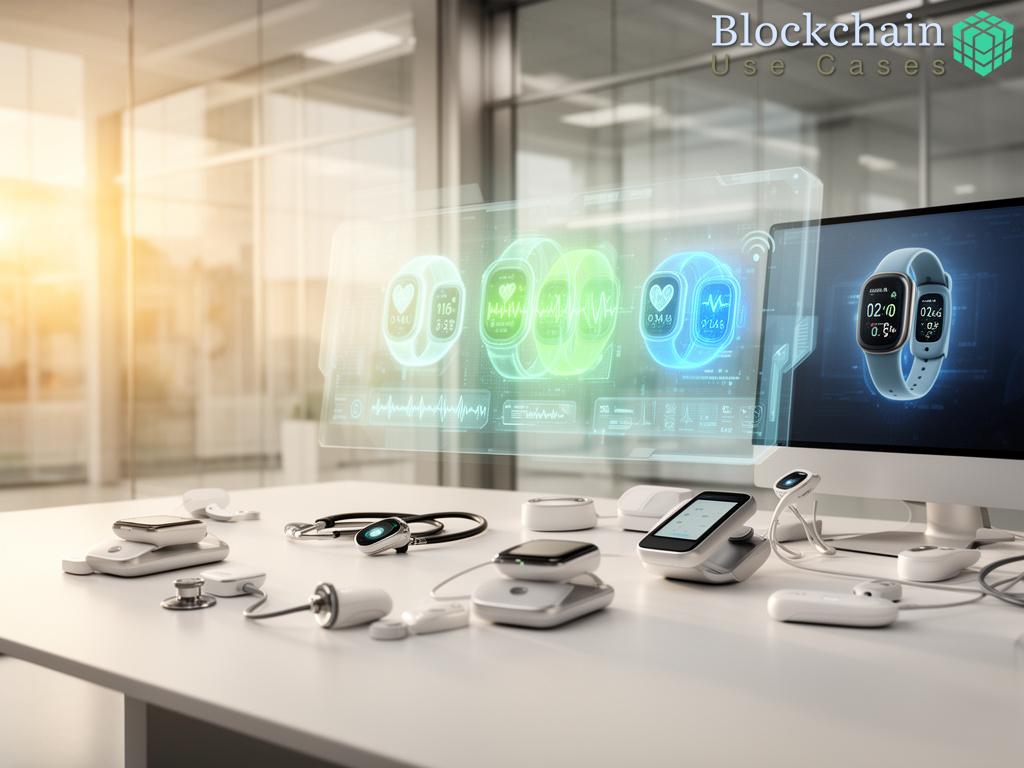
The healthcare sector is traditionally plagued by fragmented data systems, susceptibility to cyber threats, and inefficient interoperability. Blockchain technology addresses these challenges by creating immutable records that ensure data cannot be altered or tampered with. When combined with IoT devices, blockchain securely records every data transfer—from wearable sensors tracking vitals to telemedicine platforms analyzing patient conditions remotely.
Each transaction on the blockchain is encrypted and time-stamped, ensuring traceability while maintaining patient confidentiality. Moreover, smart contracts automate verification processes, making it easier for medical institutions and insurance providers to validate data authenticity in real time. This not only reduces administrative costs but also eliminates the need for intermediaries that often slow down medical data exchange.
Security, Interoperability, and Patient Empowerment
Data breaches and unauthorized access are persistent threats in the realm of connected healthcare. With blockchain, sensitive patient information is not stored in a single database; instead, it is distributed across nodes in a secure network, drastically reducing vulnerability. Patients gain greater control over their data, granting permissions for access rather than being passive subjects of healthcare databases. The combination of decentralization and encryption establishes a framework that is both secure and patient-centric.
In practical application, interoperability between disparate healthcare systems is vital. Blockchain enables standardized communication protocols that bridge medical records, IoT devices, and telemedicine software. Through shared ledgers, various healthcare providers can access and update patient records seamlessly, without sacrificing data security. The result is a cohesive network that enhances the quality of care while maintaining compliance with stringent health data regulations.
Key Benefits of Blockchain Integration in Medical Data Exchange:
- Enhanced Security: Data encryption and distributed architecture safeguard patient information from breaches.
- Improved Transparency: Immutable ledgers ensure data integrity and traceability for auditing purposes.
- Interoperability: Standardized data protocols connect devices and systems across healthcare institutions.
- Patient Empowerment: Individuals have full control over who accesses their health data and under what conditions.
- Operational Efficiency: Automated smart contracts reduce paperwork, delays, and administrative overhead.
Market Trends and Technological Outlook
Market trends suggest a steady rise in the adoption of blockchain-based telemedicine systems, primarily driven by the increasing use of IoT-enabled medical devices. As compliance laws such as HIPAA and GDPR push for stricter patient data protection, blockchain solutions offer a reliable pathway to compliance. Technological advancements are also bringing hybrid models that combine cloud computing and blockchain for better scalability and performance.
The following table outlines a comparative overview of conventional versus blockchain-based data exchange frameworks:
| Criteria | Conventional Systems | Blockchain-Integrated Systems |
|---|---|---|
| Data Storage | Centralized Databases | Distributed Ledger Network |
| Security | High Risk of Breaches | Enhanced Encryption and Tamper Resistance |
| Transparency | Limited Visibility | Complete Transaction Traceability |
| Patient Control | Restricted Access Rights | Granular Permission-Based Access |
| Operational Efficiency | Manual Verification Process | Automated via Smart Contracts |
As healthcare continues to digitalize, blockchain integration in IoT-driven telemedicine will play a defining role in establishing a secure, transparent, and patient-centered data ecosystem. The future of secure medical data exchange lies in decentralized innovation, where blockchain serves as both a shield and bridge for health information exchange.
Edge Computing in Real-Time Patient Monitoring
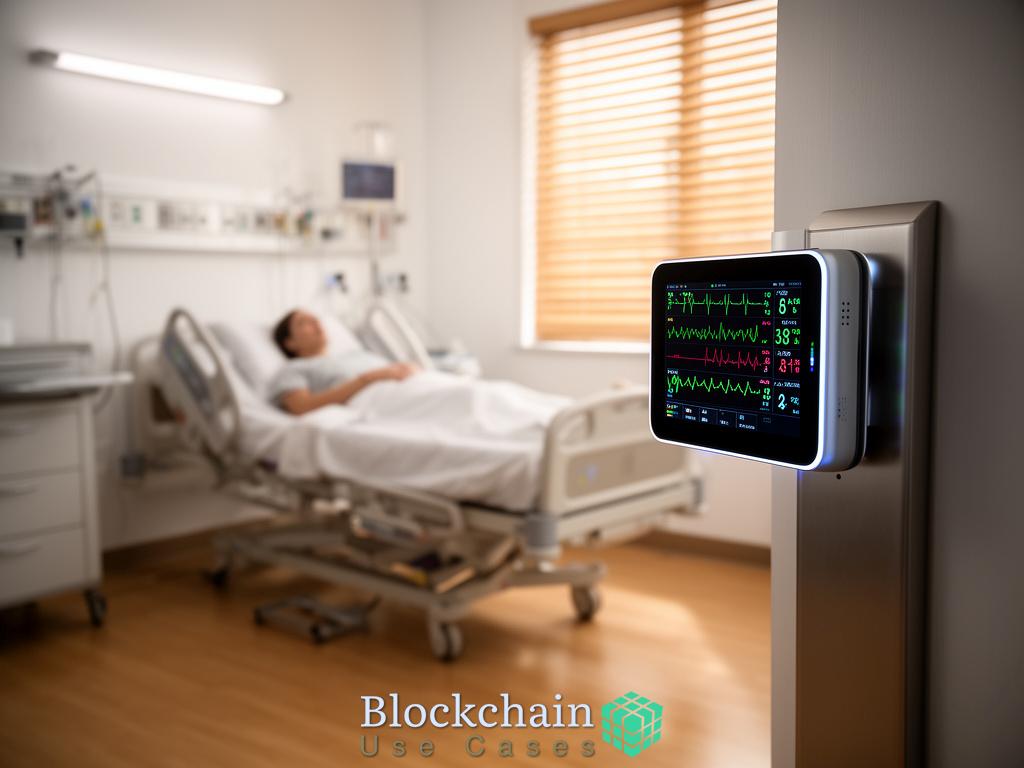
As telemedicine continues to evolve through decentralized technologies, edge computing emerges as a critical enabler of real-time patient monitoring. With millions of connected IoT medical devices generating continuous streams of health data, centralized cloud processing alone is no longer sufficient to support instant and secure decision-making. Edge computing brings computational power closer to the source of data—near the patient—reducing latency, enhancing responsiveness, and ensuring that sensitive health information remains within secure, localized boundaries. This transformation is paving the way for a more intelligent, efficient, and responsive telehealth ecosystem capable of real-time care delivery.
Revolutionizing Data Flow in IoT-Driven Healthcare Ecosystems
In traditional telemedicine frameworks, wearable devices and sensors transmit patient vitals directly to cloud servers for processing, a model that often introduces delays during critical decision-making moments. The integration of edge computing shifts this paradigm by enabling local data analysis within gateways or edge nodes before transferring only essential insights to the cloud. This approach reduces network congestion while ensuring faster alert systems for medical emergencies such as cardiac irregularities or oxygen level deterioration.
Moreover, smarter edge devices can collaborate across a decentralized network, allowing data fusion from multiple inputs—such as blood pressure cuffs, glucose monitors, and ECG sensors—without relying solely on a central repository. This distributed intelligence creates a secure, high-speed layer of computation that aligns perfectly with blockchain-backed medical data exchange infrastructure discussed earlier, ensuring data integrity from the point of collection to storage.
Synergizing Edge Intelligence with Decentralized Telehealth Models
The synergy between edge computing and decentralized telemedicine platforms lies in their shared objective: autonomy, security, and immediacy. Edge nodes embedded with AI algorithms can process medical data locally to identify anomalies or trends while still syncing verified information to blockchain networks for transparency and compliance. This hybrid framework enhances the reliability of telehealth systems and provides physicians with real-time analytics that guide proactive treatments.
By reducing dependency on centralized cloud servers, edge-based remote monitoring also ensures continued operation even under limited connectivity, making it particularly effective for rural and underserved regions where internet infrastructure may be unreliable. As patients move between locations, edge-enabled IoT devices seamlessly adapt to new network environments, ensuring uninterrupted monitoring and personalized care.
Key Advantages of Edge Computing in Real-Time Patient Monitoring:
- Reduced Latency: Localized data processing allows faster response during health emergencies.
- Enhanced Security: Sensitive health data remains within local networks, minimizing exposure risks.
- Operational Continuity: Edge systems maintain functionality even under network disruptions.
- Efficient Data Management: Only relevant insights are sent to the cloud, optimizing bandwidth usage.
- Scalable Integration: Compatible with blockchain and decentralized IoT architectures for flexible deployment.
Future Trajectories and Evolution in Decentralized Edge Health Systems
Looking ahead, edge computing will accelerate the transition toward predictive and preventive telemedicine. Through real-time analytics, AI-driven insights, and seamless blockchain integration, healthcare providers will be able to detect early warning signs, automate emergency alerts, and create adaptive treatment models. The continuous evolution of decentralized networks supported by edge intelligence promises not only greater efficiency but also democratized healthcare access, where patient monitoring is accurate, secure, and universally connected.
As decentralized telemedicine platforms evolve, the convergence of edge and blockchain technologies will redefine digital healthcare infrastructure, turning every connected device into a point of actionable intelligence and every patient into an empowered participant in their own health management.
Interoperability Standards for Decentralized Telemedicine Systems
The effectiveness of IoT-based telemedicine and remote patient monitoring depends largely on seamless interoperability—the ability of diverse healthcare systems, devices, and platforms to communicate without friction. As decentralized architectures such as blockchain and edge computing become integral to telehealth ecosystems, establishing unified interoperability standards is no longer optional; it is a foundational requirement. The goal is not just technical compatibility but also clinical coherence, ensuring that a patient’s medical data remains consistent, accessible, and secure across all systems.

Unified Protocols for Cross-platform Connectivity
Telemedicine networks today operate in multi-layered environments involving hospitals, IoT device manufacturers, insurers, and cloud providers. Without standardized communication frameworks, data fragmentation becomes inevitable, leading to diagnostic delays and administrative inefficiencies. Decentralized interoperability standards introduce universal data models and communication APIs that unify interactions between systems while maintaining data provenance and privacy. Protocols such as FHIR (Fast Healthcare Interoperability Resources) and HL7 standards are evolving to accommodate decentralized exchanges, supporting encrypted, permissioned access through blockchain infrastructures. In this system, every IoT device—from wearable ECG sensors to AI-driven diagnostic nodes—communicates on a common digital language, ensuring continuity of patient care without interoperability gaps.
Moreover, decentralized identifiers (DIDs) and verifiable credentials (VCs) are redefining patient identity management across telemedicine ecosystems. Rather than relying on centralized databases, these cryptographic standards empower patients to own and manage their digital health identities independently. Data requests between hospitals or devices are validated through blockchain-verified credentials, enabling secure and frictionless interoperability that respects global compliance frameworks such as HIPAA and GDPR.
Governance and Compliance in Interoperable Decentralized Health Networks
Ensuring interoperability across decentralized telemedicine infrastructures also requires strong governance and coordinated compliance strategies. While blockchain guarantees data integrity, it also demands standardized rules for data usage, smart contract execution, and access authorization. Governance frameworks focus on ensuring ethical data handling, regulatory adherence, and role-based data visibility. With decentralized networks, healthcare institutions can function as validated nodes in a consortium, where each participant adheres to predefined interoperability and compliance protocols.
Interoperability also plays a pivotal role in aligning decentralized health systems with global data exchange standards. By embedding compliance parameters directly into smart contracts and APIs, automated audit trails ensure that every interaction remains transparent and accountable. This reduces the administrative load and increases trust among network participants. The integration of semantic interoperability, where the meaning of exchanged data remains consistent across all systems, ensures that medical records retain context regardless of the application or geography.
| Key Element | Traditional Systems | Decentralized Interoperable Systems |
|---|---|---|
| Data Exchange | Centralized and Isolated | Distributed, Standardized, and Verified |
| Identity Management | Static and Provider-Controlled | DID-Based, Patient-Centric |
| Compliance Verification | Manual Auditing | Automated via Smart Contracts |
| Data Transparency | Limited Visibility | Immutable and Fully Traceable |
Future Directions in Interoperable Decentralized Telemedicine
The next evolution in decentralized telemedicine lies in the integration of semantic AI frameworks and dynamic interoperability engines capable of interpreting patient data across hybrid ecosystems. Emerging international collaborations are working toward a universal decentralized health data standard, enabling interoperability between national health systems, IoT device networks, and blockchain-based EHR platforms. In this model, clinical insights become borderless, allowing physicians to make informed decisions based on a patient’s complete, verifiable health history, no matter where they are in the world.
Ultimately, interoperability standards will serve as the cornerstone of a globally connected, patient-empowered telemedicine ecosystem. By integrating decentralized technologies with internationally recognized communication protocols, healthcare providers can transcend traditional data silos and deliver care that is timely, consistent, and secure. This convergence represents not just a technological evolution, but the foundation of a truly intelligent healthcare network where every data point contributes to holistic, personalized patient well-being.
Privacy and Compliance in IoT-Enabled Healthcare Networks
As IoT-based telemedicine rapidly transitions into decentralized frameworks powered by blockchain and edge computing, the demand for robust privacy safeguards and regulatory compliance mechanisms has never been more critical. The combination of vast sensor networks, continuous data streams, and distributed data storage introduces unprecedented opportunities for innovation—but also unique vulnerabilities. Navigating this balance requires a strategic fusion of encryption, governance, and patient consent models designed for the decentralized era of healthcare.
Building Privacy-First Architectures for Connected Healthcare
In decentralized telemedicine environments, patient data moves across multiple nodes, devices, and verification layers, making privacy-by-design a foundational principle rather than an afterthought. By integrating privacy protocols directly into IoT device firmware and blockchain layers, healthcare providers can ensure data anonymity without sacrificing accessibility. Advanced encryption algorithms, coupled with secure multiparty computation, protect patient identities while allowing aggregated data to support population-level analytics and clinical research. Unlike traditional centralized systems, decentralized networks eliminate single points of failure and minimize the risk of mass data breaches. Zero-knowledge proofs further enhance this framework, enabling verification of patient data authenticity without directly exposing sensitive attributes. Moreover, hybrid privacy models now combine decentralized storage with federated learning, allowing algorithms to learn from distributed health datasets securely. This approach empowers continuous AI-driven insights without raw data ever leaving its local environment, meeting both clinical needs and privacy demands.
Compliance Mechanisms for Global Regulatory Alignment
The convergence of IoT, AI, and decentralized platforms presents complex compliance challenges in an industry governed by stringent standards such as HIPAA, GDPR, and emerging national data sovereignty laws. To maintain lawful operations across these diverse jurisdictions, healthcare platforms must adopt programmable compliance—a model where smart contracts automatically enforce data usage rules, consent policies, and retention limits. Each data transaction can be audited in real-time through blockchain-backed logs, ensuring transparency for both regulators and patients. This automated compliance not only streamlines oversight but also instills trust among network participants, forming the ethical foundation of next-generation telehealth systems.
Modern decentralized health networks also leverage digital consent management frameworks where patients dynamically control access to their information. Such systems replace static consent forms with blockchain-verified permissions that can be updated, revoked, or time-limited. This ensures that patient rights are continuously honored, reinforcing the ethical integrity of telemedicine. Additionally, healthcare organizations are establishing global interoperability councils dedicated to harmonizing privacy requirements across borders, allowing a patient’s health journey to remain consistent even as care transitions between different regulatory landscapes.
In this evolving digital healthcare paradigm, privacy and compliance are not barriers—but enablers of innovation. Through transparent governance, decentralized identity standards, and adaptive regulatory integration, IoT-enabled telemedicine can maintain the delicate balance between technological advancement and patient trust. The future of compliant telehealth lies in a continuously verifiable ecosystem—one where every data point respects both personal privacy and the collective ethics of responsible healthcare innovation.
Scalability Challenges and Future Directions in Decentralized Health Platforms
The rapid digitalization of healthcare through decentralized IoT-based telemedicine is ushering in a new era of patient-centered connectivity and data-driven care. Yet, as adoption accelerates and millions of interconnected medical devices become active participants in health networks, scalability emerges as one of the most pressing challenges. Decentralized systems that once excelled in security and transparency now face the test of maintaining speed, efficiency, and interoperability at scale. The question for innovators and healthcare institutions alike is how to sustain growth without compromising the reliability or privacy that decentralized models promise.
Architectural Bottlenecks and Performance Optimization
As blockchain and edge-enabled health platforms expand, scalability issues become apparent in network throughput, latency, and computational demand. The immutable nature of blockchain—while key to security—naturally limits transaction capacity when thousands of IoT devices simultaneously transmit biometric data. Each record, whether a heart rate update or blood sugar level, demands verification and storage across multiple nodes, straining network performance. Furthermore, smart contract execution can create processing bottlenecks when multiple medical devices or providers perform real-time data validation. The solution lies not in abandoning decentralization, but in rethinking its architecture. Layer-2 solutions, sharded blockchains, and off-chain storage mechanisms are emerging as crucial components of scalable health data ecosystems. By localizing heavy data processing at the edge and synchronizing only critical metadata to blockchain ledgers, systems can achieve higher throughput while preserving verifiable integrity. These optimizations enable real-time responsiveness even as network participants multiply across global telehealth environments.
Scalability is also tied to energy efficiency. With each transaction consuming computational resources, the sustainability of health blockchains has become a technological and ethical concern. Innovative consensus mechanisms such as proof-of-authority and proof-of-stake are mitigating energy costs without reducing trust. At the same time, hybrid infrastructures that combine decentralized and cloud-based models are becoming preferred in large-scale telemedicine deployments, balancing performance needs with environmental responsibility.
The Path Forward: Adaptive Intelligence and Global Standardization
Looking to the future, the evolution of decentralized healthcare platforms will depend on the integration of adaptive intelligence and unified standards that ensure seamless scalability. Artificial intelligence and machine learning algorithms deployed at the network’s edge can dynamically manage workloads, predict congestion, and optimize routing for IoT data transmission. This creates an intelligent scaling mechanism where computational resources adjust automatically to patient activity, ensuring uninterrupted health monitoring. Moreover, AI-driven orchestration enhances predictive care by analyzing distributed datasets securely without central aggregation, an essential step toward achieving global scalability and privacy balance.
Global standardization will also shape the future of decentralized telemedicine. As international health networks continue to interconnect, the absence of universal interoperability and compliance frameworks risks fragmenting scalability progress. Establishing standardized API protocols, semantic data layers, and cross-border identity verification systems will allow health platforms from different regions to communicate effectively, regardless of their underlying technologies. The convergence of blockchain, edge, and interoperability standards like FHIR and HL7 in decentralized environments will create a unified structure for global telehealth scalability—one that ensures every patient, regardless of location, has consistent, secure, and immediate access to their health data.
Ultimately, the long-term viability of decentralized IoT-based healthcare depends on its ability to scale sustainably while maintaining trust, transparency, and inclusivity. Through energy-aware technologies, intelligent automation, and standardized governance, decentralized health platforms are poised to become the backbone of a truly global, equitable, and resilient telemedicine ecosystem—where scalability is not an obstacle, but the catalyst for universal healthcare transformation.