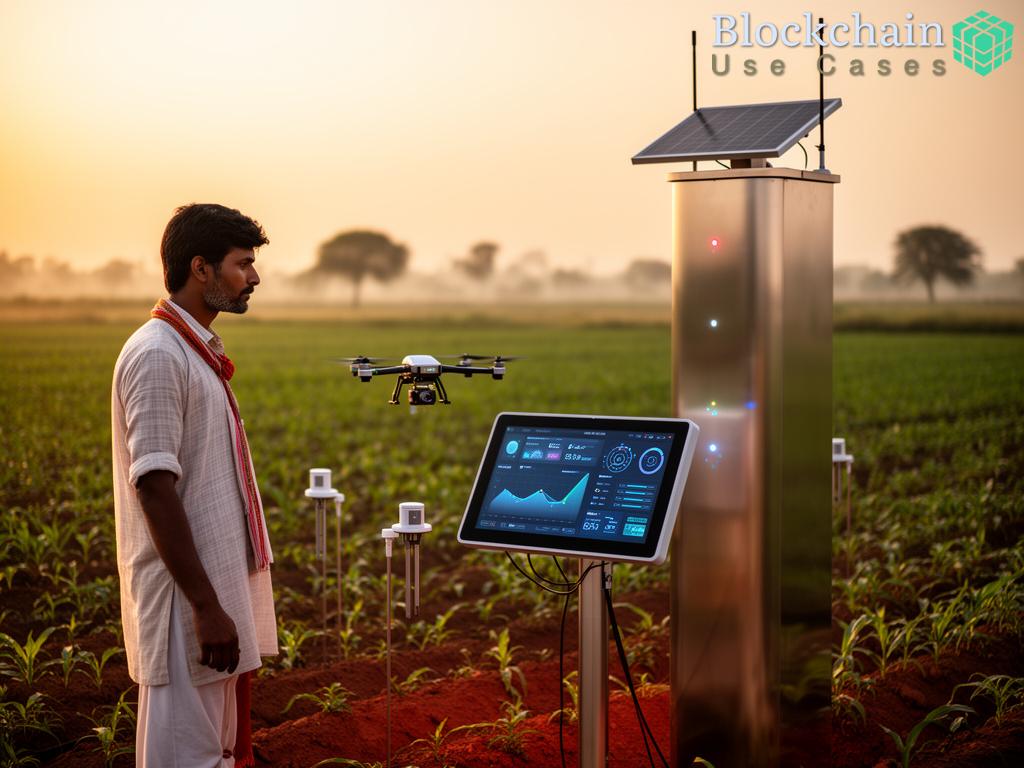

Integration of Blockchain with IoT for Real-Time Vaccine Monitoring
The global vaccination landscape is undergoing a digital revolution. Transparency, reliability, and real-time visibility across the supply chain have become non-negotiable as nations strive to deliver critical vaccines with precision. The integration of Blockchain technology with Internet of Things (IoT) systems offers a transformative pathway toward achieving full transparency and efficiency in vaccine distribution and cold chain monitoring.

Enhancing Supply Chain Transparency with Blockchain-IoT Synergy
One of the biggest challenges in vaccine distribution is maintaining visibility across every link in the supply chain, from production facilities to remote healthcare centers. By integrating blockchain with IoT, stakeholders can achieve a tamper-proof, decentralized system that records every transaction and environmental condition in real-time.
IoT devices such as RFID tags, GPS trackers, and temperature sensors continuously monitor the status of vaccine batches. Each data point collected by these devices is automatically logged into a blockchain ledger. This immutable ledger ensures the authenticity of recorded data, eliminating discrepancies and fraudulent activities.
The synergy of blockchain and IoT also mitigates risks of counterfeit vaccines and logistical bottlenecks, as every shipment becomes verifiable and traceable through a secure network. Such transparency reassures regulatory bodies and healthcare providers of the vaccines’ integrity throughout transit.
Real-Time Monitoring and Decision-Making Capabilities
Real-time analytics enabled by IoT sensors and blockchain smart contracts revolutionize how organizations respond to deviations in storage conditions or delivery schedules. A sudden rise or drop in temperature beyond the prescribed threshold can trigger an automated alert and immediate corrective action before vaccines are compromised.
Blockchain-backed platforms store these alerts and records permanently, serving as an audit trail for quality assurance. The resulting ecosystem encourages accountability and helps identify inefficiencies for continual improvement. Furthermore, blockchain ensures that all data shared among participants—manufacturers, logistics partners, and government agencies—is trusted and secure.
The following table outlines how blockchain-IoT integration enhances key aspects of vaccine monitoring:
| Aspect | Traditional System | Blockchain-IoT Enabled System |
|---|---|---|
| Data Integrity | Centralized and prone to manipulation | Immutable, decentralized ledger ensuring tamper resistance |
| Visibility | Limited to individual organizations | End-to-end transparency across stakeholders |
| Response Time | Manual intervention required | Automated alerts for real-time decision-making |
| Distribution Security | Potential for counterfeit and data loss | Authenticated tracking from source to endpoint |
Implementation Framework and Future Outlook
Developing a scalable blockchain-IoT framework requires strategic planning, cross-sector collaboration, and robust infrastructure. Governments and private entities must establish interoperability standards, integrate smart contracts for automated compliance checks, and adopt cloud-based analytics for predictive insights.
As these technologies mature, their joint implementation promises to redefine the vaccine logistics landscape. The future envisions an intelligent network where each IoT node securely interacts with blockchain protocols to ensure unbroken cold chain integrity, accelerated distribution, and enhanced patient safety.
Key Steps for Successful Integration: The following list outlines the critical steps organizations can follow to adopt this innovative model effectively.
- Conduct an end-to-end assessment of existing vaccine supply chain systems.
- Deploy IoT sensors and gateways for environmental and location data acquisition.
- Integrate blockchain platforms with IoT data streams for secure data logging.
- Establish governance protocols and smart contracts for automated validation.
- Train personnel and stakeholders on system management and data analytics.
This synchronized technological framework doesn’t just improve operational efficiency—it builds public trust, ensuring that every dose administered retains its potency and authenticity, verified through a transparent and incorruptible network.
Enhancing Transparency and Traceability in the Vaccine Supply Chain
In a world increasingly dependent on technology-driven healthcare solutions, the call for absolute transparency and traceability in vaccine distribution has never been louder. As the volume and complexity of vaccination programs expand, ensuring every vial reaches its destination under optimal conditions becomes a global priority. The convergence of Blockchain and IoT-enabled systems offers more than operational efficiency—it introduces a new era of trust and accountability in vaccine logistics. By providing verifiable data from production to administration, this integration represents a technological breakthrough that addresses long-standing challenges in public health supply chains.

Decentralized Transparency: Eliminating Blind Spots in Supply Networks
Traditional supply chain systems rely on siloed databases, manual recordkeeping, and delayed updates, paving the way for inefficiencies and inaccuracies. With blockchain-enabled traceability, however, each participant in the distribution network gains access to a single, decentralized ledger where every IoT-generated data point—such as temperature, humidity, and transit time—is permanently recorded. This real-time data synchronization eliminates blind spots, ensuring that discrepancies are instantly identifiable and correctable before they escalate into costly failures.
Unlike conventional models prone to data tampering, the blockchain ledger establishes an immutable record of vaccine movement and condition. IoT sensors continuously feed authenticated data entries into this ledger, ensuring each handoff—from manufacturer to distributor, warehousing facility, and healthcare provider—is verified and documented. The result is an end-to-end view of vaccine integrity, a critical factor in maintaining public trust during large-scale immunization campaigns. The transparency afforded by this system not only prevents logistical missteps but also discourages fraudulent activities, such as substitution or counterfeiting of high-value vaccines.
Dynamic Traceability and Predictive Oversight
The dual adoption of blockchain and IoT transforms traceability from a static process into a dynamic, predictive framework. Advanced analytics applied to blockchain-logged IoT data enable real-time anticipatory decisions rather than reactive measures. For instance, temperature variations within logistics containers can be cross-referenced with historical blockchain data to predict potential equipment failures or route inefficiencies before they compromise the vaccine batch. Smart contracts embedded in the blockchain can autonomously enforce storage compliance, automatically flagging anomalies and triggering corrective actions.
Furthermore, this data-rich environment enhances regulatory oversight. Authorities can audit the entire cold chain through cryptographically verified records without physically intervening in the process. This level of traceability reassures both international bodies and local health ministries of compliance with safety standards. Below is an illustrative comparison outlining how decentralized transparency improves vaccine supply chain traceability compared to traditional systems:
| Aspect | Conventional Supply Chain | Blockchain-IoT Traceability Model |
|---|---|---|
| Data Accessibility | Confined to specific entities | Universally accessible through shared ledger |
| Data Authenticity | Dependent on manual entries | Autonomously verified through IoT sensors |
| Incident Response | Post-incident corrective actions | Proactive detection via embedded smart contracts |
| Regulatory Compliance | Periodic manual audits | Continuous blockchain-based validation |
Trust Reinforcement and Future-Ready Governance
As governments and global health organizations look to build resilient vaccine infrastructures, the combination of blockchain and IoT offers a forward-looking governance model rooted in transparency. By redefining accountability at every touchpoint, stakeholders can ensure that each recorded action—from cold chain transfer logs to storage condition verifications—is both reliable and auditable. In this transparent environment, patients, regulatory agencies, and distribution partners gain shared confidence that vaccine quality remains uncompromised.
Such an ecosystem positions blockchain not merely as an enabling technology but as a safeguard for ethical and operational excellence. By fostering interoperability between IoT networks, blockchain protocols, and regulatory frameworks, the vaccine supply chain transforms from a fragmented process into a coherent, trusted continuum. This digital trust architecture not only secures the present but also lays the groundwork for adaptive, data-driven vaccine management models of the future.
Ensuring Cold Chain Integrity through Decentralized Data Management
In the global race to maintain vaccine viability, cold chain integrity stands as the deciding factor between successful immunization efforts and the risk of mass vaccine spoilage. As vaccine formulations become more sophisticated and storage requirements more stringent, the need for a decentralized, tamper-proof, and responsive monitoring framework grows urgent. Blockchain, when combined with the IoT ecosystem, offers a breakthrough in maintaining temperature-sensitive logistics, ensuring every vial retains its potency from lab to patient.
Decentralized Data Assurance for Continuous Chain Integrity
The backbone of effective vaccine management lies in uninterrupted temperature control and continuous validation of environmental parameters. Traditional systems, reliant on fragmented databases and periodic manual verifications, often fail to ensure consistency across borders and logistic stages. By adopting a blockchain-based decentralized data management model, every temperature reading, GPS coordinate, and handling event collected by IoT devices becomes part of an immutable and shared ledger. This architecture abolishes the risk of data alteration, ensuring transparency that ranges across manufacturers, carriers, and regulatory agencies.
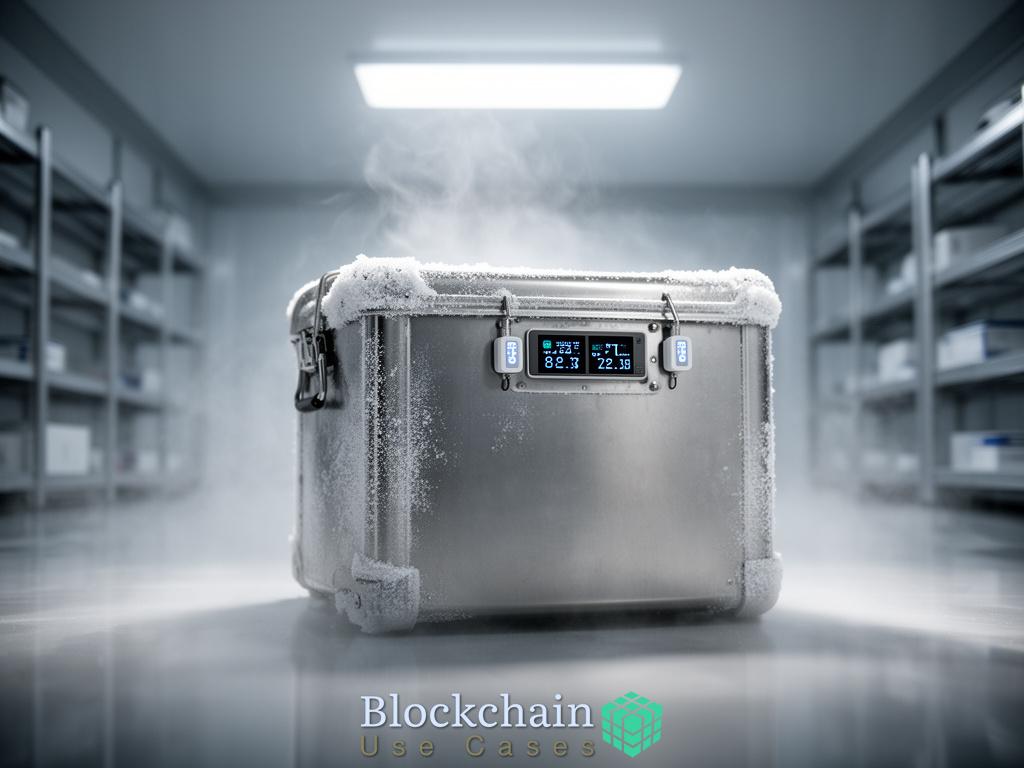
In practical terms, IoT-enabled temperature sensors affixed to refrigeration units autonomously transmit data to distributed blockchain nodes. These entries are verified through consensus mechanisms, ensuring their authenticity before becoming part of the shared record. When an anomaly occurs—such as an unexpected rise in temperature—the event is registered instantly and made visible to all authorized parties. This enables real-time corrective action while also creating a permanent audit trail, reinforcing accountability and product integrity. Unlike centralized databases vulnerable to single points of failure, decentralized structures distribute trust across the network, effectively eliminating hidden data manipulations or reporting delays that could otherwise compromise safety.
Data-Driven Resilience and Predictive Oversight in Vaccine Chains
Beyond simple monitoring, the integration of blockchain and IoT transforms cold chain management into a data-driven intelligence network. Predictive algorithms analyze blockchain-recorded sensor data to detect deviations, forecast refrigeration inefficiencies, and anticipate maintenance needs before disruptions occur. This convergence of technologies introduces a model of preventive reliability where data harmonization replaces fragmented oversight. In this ecosystem, smart contracts execute automated protocols—alerting logistic partners, recalibrating storage settings, or rerouting shipments—as predefined thresholds are reached.
Such decentralized resilience also offers a new layer of trust between international stakeholders. Health authorities can trace every vaccine’s environmental journey through verifiable blockchain entries without requiring manual checks. Meanwhile, pharmaceutical companies gain insights into distribution performance and sustainability metrics through a single transparent interface. The result is not only operational optimization but also an unbroken chain of evidence supporting vaccine efficacy and compliance. As digital governance becomes central to healthcare delivery, this decentralized approach fortifies public confidence while redefining standards for responsible, traceable, and secure vaccine distribution.
Security and Privacy Considerations in Blockchain-Based IoT Systems
As the adoption of Blockchain-IoT convergence accelerates across the healthcare supply chain, the urgency to reinforce data security and user privacy protection becomes paramount. While blockchain provides transparency and immutability, integrating it with the vast network of IoT sensors introduces new vulnerabilities that require advanced security architectures. The very features that make these systems transparent—interconnectivity, real-time data exchange, and shared ledgers—must be balanced with mechanisms to safeguard sensitive medical and logistical information. In the context of vaccine distribution, where data integrity and confidentiality directly impact public health, a failure in security design could threaten both trust and efficacy on a global scale.
Decentralized Trust vs. Data Exposure Risks
The cornerstone of any blockchain-based network lies in its distributed trust model, which eliminates centralized control and potential single points of compromise. However, the open nature of blockchain ledgers, while promoting transparency, can inadvertently expose metadata and transactional details that may be exploited if not properly anonymized. The integration with IoT magnifies this challenge, as billions of sensor nodes continuously generate streams of environmental and identification data. If insufficiently protected, these digital footprints could reveal operational routes, vaccine logistics patterns, or stakeholder identities—creating opportunities for data breaches or malicious interception.
Ensuring granular access control and employing privacy-preserving mechanisms such as zero-knowledge proofs or secure multi-party computation are essential for mitigating exposure risks. In practice, vaccine supply chain participants should access only the layers of blockchain data relevant to their specific roles—pharmaceutical manufacturers must verify batch consistency, while regulatory agencies monitor compliance without viewing proprietary routes. Such compartmentalized authorization models uphold the ethical mandate of transparency without compromising sensitive commercial or patient-linked information.
Advanced Cryptographic Safeguards and Network Hardening
To sustain data authenticity and confidentiality, blockchain-IoT ecosystems must incorporate a multi-layered defense architecture grounded in advanced cryptographic protocols. End-to-end encryption of IoT sensor data ensures that temperature readings, geolocation records, and diagnostic information remain tamper-proof and intelligible only to verified entities within the network. Furthermore, consensus algorithms such as Proof of Authority (PoA) or Practical Byzantine Fault Tolerance (PBFT) offer energy-efficient yet secure means of transaction validation—critical for resource-constrained IoT environments.
Implementing edge-intelligence mechanisms also enhances security by processing sensitive data locally before sharing it across the blockchain, minimizing the risk of exposure during transmission. In parallel, AI-assisted threat detection integrated within blockchain nodes can proactively identify anomalies, unauthorized access attempts, or data manipulations. Such self-monitoring capabilities, fortified by immutable audit trails, establish a resilient digital perimeter resistant to both internal misconduct and external cyberattacks. The interplay between blockchain immutability and IoT adaptability, when reinforced through encryption and authentication layers, cultivates a new paradigm of self-defending supply chain ecosystems.
The future of blockchain-based IoT vaccine logistics depends not only on efficiency but also on maintaining public confidence in the digital systems that safeguard lifesaving assets. By aligning transparency with privacy, and openness with control, the next generation of decentralized cold chain networks can transcend current security limitations. This balanced architecture ensures that data truthfulness coexists with discretion, empowering global healthcare systems to deliver vaccines safely, ethically, and securely in an interconnected world.
Future Prospects and Implementation Challenges in Smart Vaccine Distribution
The intersection of blockchain and IoT in vaccine logistics represents a paradigm shift toward digitally secured, transparent, and resilient supply chains. As global immunization efforts expand, the demand for real-time verifiability and adaptive infrastructure grows more urgent. Future vaccine ecosystems will not only rely on these technologies for operational efficiency but also as pillars for ethical governance and global health transparency. The road ahead holds immense promise, but it also introduces intricate challenges that must be carefully navigated to achieve sustainable, interoperable, and scalable implementations.
Reshaping Global Health Logistics through Advanced Convergence
The next generation of smart vaccine distribution networks will revolve around predictive intelligence and interoperable blockchain ecosystems. As IoT devices evolve with higher sensing accuracy and faster communication protocols like 5G, they will feed increasingly granular data into blockchain networks. This will unlock hyper-accurate visibility across international borders, helping authorities anticipate delays, environmental risks, and demand fluctuations before they disrupt operations. The incorporation of AI-driven blockchain analytics could further enhance decision-making, enabling predictive cold-chain management and automated supply balancing in multi-regional contexts.
A crucial emerging direction involves the creation of cross-consortium blockchain networks linking pharmaceutical producers, logistics providers, and regulatory agencies under a unified digital trust framework. This model would eliminate fragmented oversight by establishing shared governance rules and standardized smart contracts. The outcome would be a fully interoperable supply chain, where every agency—not just isolated participants—contributes verifiable, auditable insights. Moreover, decentralized identity management supported by blockchain ensures data authentication without compromising patient privacy, laying the groundwork for equitable and secure health data sharing across nations. To illustrate the anticipated transformation, the following table compares current implementations with projected future states:
| Aspect | Current Systems | Future Blockchain-IoT Model |
|---|---|---|
| Data Interoperability | Limited cross-platform integration | Seamless multi-sector connectivity via standardized protocols |
| Predictive Operations | Reactive maintenance based on incidents | Proactive analytics preventing cold chain failures |
| Governance | Centralized oversight and compliance checks | Distributed consensus with transparent auditing |
| Ethical Transparency | Partial disclosure across supply participants | Fully traceable chain ensuring ethical accountability |
Addressing Practical Implementation Barriers and System Scalability
Despite its compelling advantages, large-scale deployment of blockchain-IoT frameworks in vaccine distribution faces substantial barriers. The foremost challenge lies in infrastructure scalability. As millions of IoT nodes capture and transmit temperature, motion, and geolocation data, the blockchain must process immense transaction volumes without latency. Developing more efficient consensus algorithms and layer-two blockchain scaling solutions will be critical to preserving real-time functionality while maintaining energy efficiency. This technological equilibrium will define the future viability of smart vaccine logistics.
Equally pressing is the issue of interoperability and governance alignment. Divergent national regulations and proprietary data standards currently hinder seamless data exchange. Establishing universal frameworks for blockchain-enabled supply chains requires coordinated policymaking among health ministries, international agencies, and private stakeholders. The creation of open APIs and standardized communication protocols will bridge these silos, enabling interoperable trust networks that span continents. Such frameworks must also ensure equitable access for developing nations, preventing digital inequality from disrupting global immunization efforts.
Another area demanding attention is cyber resilience and ethical data stewardship. The combination of immutable ledgers and expansive IoT networks magnifies both the benefits of traceability and the risks of privacy exposure. Future systems will have to deploy privacy-preserving cryptographic techniques, secure federated IoT architectures, and AI-driven anomaly detection models to ensure safety without transparency trade-offs. Balancing these priorities will transform vaccine logistics from a function of distribution to a domain of strategic digital trust management. As nations move toward this future, the fusion of blockchain, IoT, and intelligent governance will shape a more responsive and ethically robust vaccine ecosystem for generations to come.