Enhancing Data Integrity Through Decentralized Record-Keeping
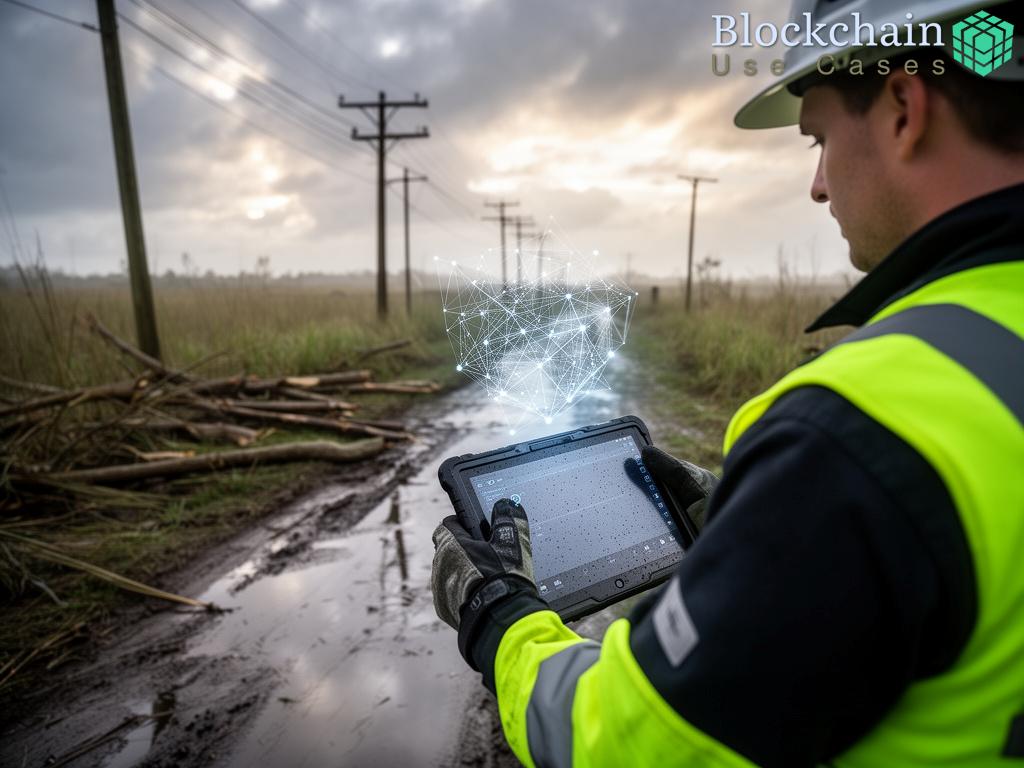
In an era where the reliability of utility infrastructure is constantly tested by severe weather events, ensuring data accuracy and accountability in storm damage assessment has become a critical priority. Utility companies face growing demands for transparency—from both regulators and the public—who expect real-time reporting and trusted data trails on restoration activities. Here, blockchain technology offers a transformative approach to data integrity, enabling an ecosystem rooted in trust and transparency.
Revolutionizing Utility Infrastructure Data Management
Traditional data management systems often operate in silos, leaving room for inaccuracies, duplication, and delays—especially in post-storm scenarios where multiple teams collaborate simultaneously. By leveraging decentralized record-keeping through blockchain, every entry related to damage assessment, equipment replacement, and repair status is chronologically recorded and cryptographically sealed. This eliminates the risk of tampering while ensuring all participants, from inspection teams to regulators, access a single version of the truth.

Additionally, blockchain-based smart contracts can automate routine verification processes, such as supplier authorization and materials dispatch, reducing paperwork and human errors. The outcome: improved operational efficiency and a more resilient response framework whenever infrastructure is impacted by natural disasters.
Building Trust Through Transparency and Real-Time Verification
Transparency is a cornerstone in the utility sector’s post-disaster operations. Public trust in utility companies hinges on the visible progress of repairs and fair allocation of resources. Blockchain offers immutable audit trails, allowing stakeholders to trace each action—from initial damage reports to service restoration—with time-stamped precision.
Furthermore, combining blockchain data with sensor networks or drone-collected imagery enhances authenticity, providing verifiable evidence for insurance claims and compliance purposes. Below is a concise comparison illustrating the differences between traditional systems and blockchain-enabled systems for storm repair management.
| Aspect | Traditional Systems | Blockchain-Enabled Systems |
|---|---|---|
| Data Verification | Manual and prone to human error | Automated via cryptographic validation |
| Record Transparency | Restricted to organizational silos | Accessible and verifiable by all authorized stakeholders |
| Auditability | Requires separate compliance reviews | Integrated timestamps and immutable logs |
| Response Efficiency | Dependent on manual reporting chains | Streamlined through smart contracts and shared ledgers |
Key Steps Toward Blockchain Implementation in Utility Damage Assessment
Transitioning to blockchain-based systems demands strategic planning and technical preparedness. The following list outlines essential steps utility providers can follow to ensure an effective and sustainable blockchain adoption strategy.
- Assessment of Existing Infrastructure: Evaluate current data frameworks and identify integration points for blockchain nodes.
- Stakeholder Collaboration: Involve IT teams, field technicians, regulators, and insurers from the outset to align technical and operational goals.
- Smart Contract Development: Create automated protocols for data validation, repair approvals, and payment releases to enhance accountability.
- Data Security Enhancement: Apply encryption standards and access controls to safeguard sensitive operational data.
- Continuous Monitoring and Optimization: Incorporate AI-driven analytics to evaluate blockchain performance and fine-tune smart contracts over time.
As utilities continue to modernize their systems to withstand the challenges of extreme weather and growing demand, blockchain technology stands as a catalyst for a more transparent, efficient, and accountable energy network. By embedding decentralized record-keeping into storm damage assessment and repair workflows, the industry can reinforce trust while driving innovation in disaster resilience and grid modernization.
Real-Time Coordination and Communication in Utility Restoration
Following the integration of decentralized record-keeping and transparency-focused mechanisms, the next frontier in storm recovery lies in achieving real-time coordination among all entities involved in utility restoration. The complexity of modern power grids, coupled with the urgency following severe weather events, demands synchronized communication flows across crews, regulators, and suppliers. Through blockchain technology, restoration activities can evolve into a digitally orchestrated ecosystem where every update, command, and verification is instantly propagated across the network, fostering rapid and validated decision-making.
Unified Communication Networks Through Blockchain Integration
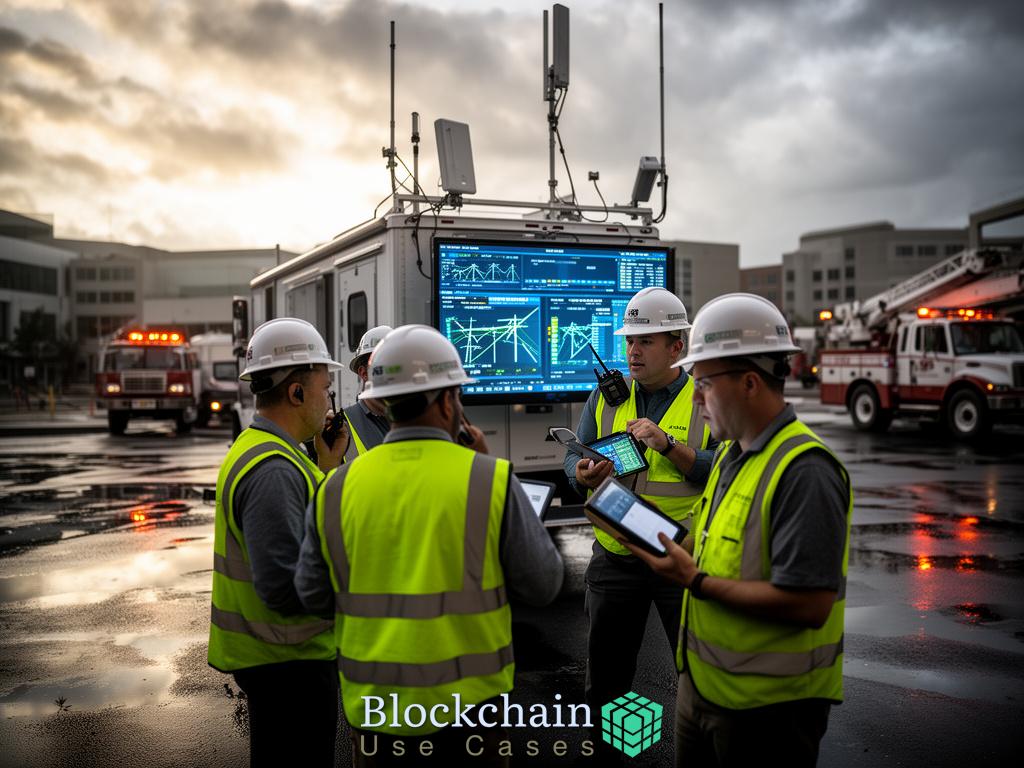
In traditional systems, coordination breakdowns often delay critical decisions—whether dispatching repair teams or validating equipment deliveries. These challenges are exacerbated in storm scenarios, when infrastructure damage is widespread and data transmission channels may be compromised. By incorporating blockchain-enabled communication nodes, utilities can ensure every stakeholder operates from a synchronized, verified stream of data. Each update—ranging from field inspection reports to repair confirmations—is chronologically recorded on the chain, accessible in real-time by all authorized personnel.
This real-time link proves invaluable for command centers, who can visualize operational progress via live dashboards built upon blockchain data layers. Combined with IoT devices, drones, and GIS mapping tools, restoration teams gain a unified operational picture without relying on fragmented data silos. The blockchain’s cryptographic validation ensures that no information is corrupted or delayed in transmission, paving the way for instantaneous collaboration even across dispersed geographic regions.
Blockchain-Powered Response Efficiency and Collaborative Intelligence
Restoration efficiency depends not only on rapid communication but also on the accuracy and verification of each task update. Blockchain introduces collaborative intelligence by linking smart contracts with real-time operational inputs. For instance, once a field technician logs a repair completion, a smart contract can autonomously trigger inventory updates or payment releases, reducing manual dependencies and accelerating the overall workflow. This automation minimizes administrative lag and ensures tasks are verifiably completed before advancing to subsequent phases of recovery.
Real-time blockchain coordination also strengthens inter-agency cooperation. During large-scale recovery efforts, multiple vendors, emergency planners, and governmental units depend on accurate progress reports. Blockchain eliminates disputes over timing or resource allocation by providing an immutable, time-stamped history of all interactions. When integrated with AI-based analytics, blockchain networks can anticipate supply needs, predict repair durations, and propose optimal routing for crews—offering a dynamic, evidence-backed approach to utility restoration.
| Coordination Aspect | Conventional Method | Blockchain-Driven Approach |
|---|---|---|
| Data Synchronization | Dependent on periodic central uploads | Instant network-wide broadcast via blockchain nodes |
| Information Authenticity | Verified manually, subject to discrepancies | Cryptographically validated at the source |
| Operational Visibility | Limited dashboard coverage per department | Unified view of all restoration actions in real time |
| Decision Cycle Speed | Slowed by paperwork and reporting chains | Accelerated through automated verification and smart contracts |
In essence, blockchain transforms the once-linear process of storm restoration into a continuous feedback loop, empowering stakeholders with trustworthy information at every stage. As utility companies embrace these interoperable platforms, the synchronization between field operations and centralized decision systems will redefine their capacity for resilience. The outcome extends far beyond operational gains—it establishes a foundation of digital trust and proactive readiness in confronting future environmental challenges.
Smart Contracts for Automated Damage Verification and Reporting
As the adoption of blockchain solutions continues to optimize real-time utility restoration, the next pivotal step in this digital transformation lies in deploying smart contracts for automated damage verification and reporting. These programmable contracts serve as self-executing digital protocols that enforce specific processes the moment predefined conditions are met. Within the context of storm damage assessment, smart contracts eliminate the delays and ambiguities that often accompany manual verification, making post-disaster recovery both faster and more auditable.

Automating Verification Through Self-Executing Logic
Smart contracts redefine how utilities validate, authenticate, and report infrastructure damage. Once field technicians submit damage records or sensor-generated data is uploaded, the blockchain network triggers smart contract conditions that verify the authenticity and completeness of this information. For example, drone imagery, IoT sensor data, or GPS-stamped inspection logs can automatically activate contract clauses that validate damage claims or initiate repair workflows without human intervention. This automation not only reduces administrative dependency but also ensures that every verification step is transparent and indisputable.
These digital agreements can further cross-reference external weather data and equipment performance logs, enabling dynamic assessments even during evolving storm conditions. As a result, decision-making is supported by verified, multi-source data—minimizing potential discrepancies between field teams and oversight units. Whether confirming transformer damage, authorizing material deliveries, or dispatching service teams, smart contracts transform validation chains into real-time, self-regulated systems of trust.
Dynamic Reporting and Compliance Through Blockchain Integration
Beyond automated verification, smart contracts streamline the reporting and auditing functions that are essential to regulatory and insurance compliance. In traditional systems, report compilation is often burdened by fragmented data sources, redundant documentation, and manual cross-checking. Through blockchain integration, every validated data point contributes directly to live, immutable performance dashboards—accessible to authorized stakeholders at any moment. This transparency translates into accelerated claim settlements, streamlined compliance submissions, and a demonstrable commitment to accountability.
When regulators or insurers require verification reports, smart contracts can autonomously generate and share certified summaries backed by blockchain timestamps. This neutral, tamper-proof audit trail minimizes the potential for disputes and bolsters public confidence in utility restoration outcomes. Moreover, machine-learning modules can be integrated with smart contracts to detect anomalies, forecast damage patterns, and recommend preemptive maintenance, turning real-time reporting into a proactive resilience mechanism rather than a reactive response.
Key Advantages of Smart Contract Implementation in Storm Response
The application of smart contracts within utility storm damage assessment offers benefits that span operational, financial, and regulatory domains. Below is a targeted overview summarizing the critical distinctions between traditional verification and blockchain-driven automation.
| Process Aspect | Traditional Verification | Smart Contract Automation |
|---|---|---|
| Verification Workflow | Manual review with high human intervention | Automated validation triggered by real-time data inputs |
| Transparency Level | Dependent on internal documentation | Inclusive, with immutable and time-stamped records accessible to stakeholders |
| Compliance Ready | Requires external audits and reconciliation | Self-auditing through blockchain-integrated smart contracts |
| Decision-Making Speed | Slowed by manual data aggregation | Instantaneous, due to automated triggers and validated data flows |
Implementation Focus Areas: For effective deployment, utilities should prioritize the creation of standardized data templates and predefined smart contract criteria that accommodate different damage categories and operational scenarios. This ensures scalability across geographic regions and consistency when engaging diverse field and regulatory teams.
Ultimately, integrating smart contracts into blockchain-based storm restoration systems marks a turning point for the energy sector. The transition from manual reporting to autonomous, blockchain-backed validation establishes a new paradigm—one where trust is quantified, transparency is verifiable, and resilience is built directly into every operational process.
Integrating IoT and Blockchain for Enhanced Field Transparency
As the digital evolution of the utility sector accelerates, the convergence of Internet of Things (IoT) technologies and blockchain networks is becoming a defining factor in advancing transparency and accountability during storm damage response. Following the integration of smart contracts and real-time coordination mechanisms, the next strategic opportunity lies in enabling connected field devices to work in synergy with blockchain-based data ledgers. By combining autonomous data capture from IoT sensors with decentralized verification systems, utilities can ensure that every report, visual, and performance log from the field is recorded in an immutable, traceable form. This not only promotes operational efficiency but also reinforces trust in the integrity of field-based observations and decisions.
Data Synergy: How IoT Devices Fuel Blockchain Transparency
When storms disrupt power grids, the first responders—often equipped with drones, smart meters, and remote sensors—become the frontline data providers. Yet, the challenge lies not in collecting data, but in assuring stakeholders that it is authentic, unaltered, and contextually reliable. Here, the integration of IoT infrastructure with blockchain plays a transformative role. Each connected device, from fault-detecting transformers to aerial surveillance units, can stream live operational data directly onto the blockchain ledger. This process establishes a continuous digital evidence trail of field conditions, validated through cryptographic consensus rather than human oversight.
Unlike traditional systems where records may be modified or delayed, blockchain’s immutable nature ensures that once IoT data is captured, it remains permanently anchored with a timestamp and verifiable origin. For example, voltage fluctuations detected by smart sensors during a post-storm inspection can autonomously register to the blockchain, linking the information with corresponding geolocation and device credentials. This provides decision-makers with verified, real-time insights and sharply reduces the potential for data discrepancies between crews and central command.
| Integration Aspect | IoT Without Blockchain | IoT with Blockchain Integration |
|---|---|---|
| Data Verification | Dependent on backend systems | Instant cryptographic validation on data entry |
| Data Integrity | Vulnerable to tampering or replication errors | Immutable, timestamped records linked to device ID |
| Operational Transparency | Fragmented visibility among departments | Unified, real-time access for all authorized participants |
| Incident Response Speed | Dependent on manual cross-verification | Automated validation and instant network updates |
Predictive Insights and Sustainable Restoration Intelligence
The synergy between blockchain and IoT extends beyond real-time reporting into predictive analytics and proactive disaster management. By embedding artificial intelligence (AI) and machine-learning models into this combined framework, utilities can analyze blockchain-verified IoT data to forecast infrastructure stress points and anticipate resource needs before system failures occur. Each weather event or equipment failure contributes to a growing decentralized knowledge repository that improves with every recorded interaction. Over time, this drives the evolution of predictive maintenance ecosystems capable of identifying risk zones long before severe weather strikes.
Additionally, sustainability objectives are reinforced through this dual integration. Verified IoT metrics stored on the blockchain can support environmentally accountable decisions—such as prioritizing renewable power sources or optimizing repair route logistics to reduce carbon emissions. When coupled with digital twins of infrastructure, blockchain-anchored IoT data ensures that every component of the power grid—whether a transformer, line segment, or relay node—is digitally represented with historic and real-time performance data. This leads to traceable, data-backed asset management that benefits regulators, insurers, and consumers alike.
Ultimately, the integration of IoT and blockchain empowers utility companies to move beyond response into resilience. The result is a transparent, intelligent network where trust is quantified through data authenticity, field coordination is continuously optimized, and the speed of recovery is matched by the credibility of every recorded action. In this digitally integrated environment, transparency becomes not just a function of technology—but a cornerstone of reliability for modern utility infrastructure.
Regulatory and Security Considerations in Blockchain-Based Utility Systems
As blockchain technology transforms the utility industry’s approach to storm damage assessment and infrastructure repair, a parallel conversation emerges around its regulatory alignment and security architecture. While decentralized systems promise unmatched transparency and trust, their widespread adoption across critical national infrastructure demands careful governance, stringent data protection measures, and proactive compliance with evolving standards. For utilities, achieving a balance between transparency, privacy, and adherence to regulation becomes essential to ensuring resilience, trustworthiness, and long-term scalability.
Establishing Regulatory Confidence in Decentralized Utility Operations
The integration of blockchain within utility ecosystems introduces a paradigm shift in how data is recorded, shared, and audited. However, this shift raises important regulatory questions—particularly concerning interoperability with existing data standards, jurisdictional control, and compliance with energy market regulations. Utility companies must navigate a complex landscape of federal oversight, cybersecurity frameworks, and environmental reporting mandates while maintaining the fundamental openness that blockchain offers.
To address these challenges, regulators are increasingly examining frameworks that support the compliance of distributed ledgers with established data governance policies. This includes ensuring that blockchain-based systems adhere to data residency laws and critical infrastructure protection standards such as NERC CIP (North American Electric Reliability Corporation Critical Infrastructure Protection). Transparent recording of storm damage responses on blockchain must coexist with privacy requirements, particularly when sensitive geolocation, asset condition, or employee-identifiable data are logged. Thus, adopting permissioned blockchain architectures—where only authorized participants validate and view data—has become a preferred regulatory approach to maintaining oversight without compromising the benefits of decentralization.
Furthermore, the need for standardization is driving the formulation of global blockchain utility protocols. These frameworks aim to unify data structures, encryption practices, and validation protocols across diverse regions. As regulators begin to recognize blockchain entries as verifiable proof for insurance claims or environmental audits, standardized compliance mechanisms will solidify blockchain’s position as a legally defensible record of operational integrity.
| Regulatory Dimension | Traditional Systems | Blockchain-Enabled Systems |
|---|---|---|
| Compliance Oversight | Central review, manual verification | Integrated auditing via immutable ledgers |
| Data Privacy | Internal access controls | Permissioned access with cryptographic identities |
| Record Authenticity | Dependent on documentation trails | Verified through digital signatures and consensus |
| Regulatory Transparency | Periodic report submissions | Continuous, real-time compliance visibility |
Architecting Cybersecurity and Data Protection in Blockchain Utilities
Beyond compliance, the resilience of blockchain-based utility systems rests on their security architecture. Storm restoration workflows inherently involve thousands of nodes, devices, and data streams—all potential targets for cyber manipulation. While decentralized ledgers significantly reduce single points of failure, new cybersecurity strategies are essential to safeguard encrypted communications, smart contract execution, and IoT device integrations.
Advanced security implementations now leverage zero-trust models combined with quantum-resistant encryption algorithms to ensure the continued validity of digital signatures in a post-quantum environment. Additionally, distributed identity frameworks (DIDs) allow technicians, vendors, and regulatory auditors to authenticate their actions without exposing private credentials, thereby minimizing identity-related breaches. Continuous monitoring powered by AI-driven threat detection adds another layer of defense, instantly identifying anomalies within blockchain transaction patterns that may indicate unauthorized access or data injection attempts.
For longitudinal protection, utility companies are encouraged to integrate secure multi-party computation (MPC) protocols and hardware-based encryption modules to prevent tampering at the device level. These measures are critical when IoT equipment autonomously reports field metrics to the blockchain during or after storm events. Regular third-party penetration testing and compliance audits further reinforce trust by ensuring ongoing adherence to global cybersecurity benchmarks such as ISO/IEC 27001 and NIST Cybersecurity Frameworks.
Ultimately, blockchain’s promise in utility restoration hinges on how effectively these systems reconcile openness with security. By empowering regulators with real-time, immutable oversight while fortifying digital infrastructures against emerging threats, utilities can establish a resilient model where technology not only accelerates recovery but also strengthens public and institutional confidence. The convergence of strong encryption, standardized governance, and transparent validation mechanisms positions blockchain not just as a tool for operational efficiency—but as the future cornerstone of secure and compliant energy restoration networks.