
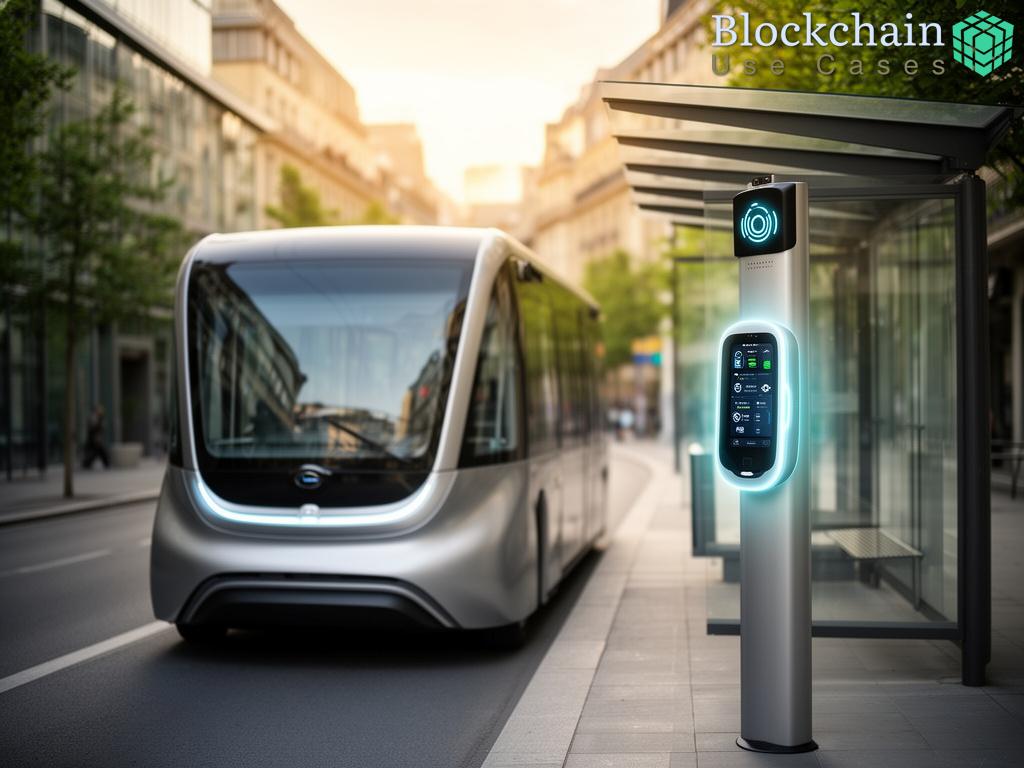
Integration of Smart Contracts within IoT Ecosystems
The fusion of Internet of Things (IoT) technology with blockchain-based smart contracts is revolutionizing how public transportation systems operate. This integration provides transparent, autonomous, and responsive solutions that empower dynamic pricing models, ensuring efficiency and fairness for both operators and passengers.
Gone are the days when static fare systems ruled urban mobility. Today, IoT devices embedded within buses, trains, and stations generate real-time data that can be automatically processed by smart contracts. These programmable agreements instantly adjust pricing according to demand, congestion, or even environmental conditions—all without human intervention.
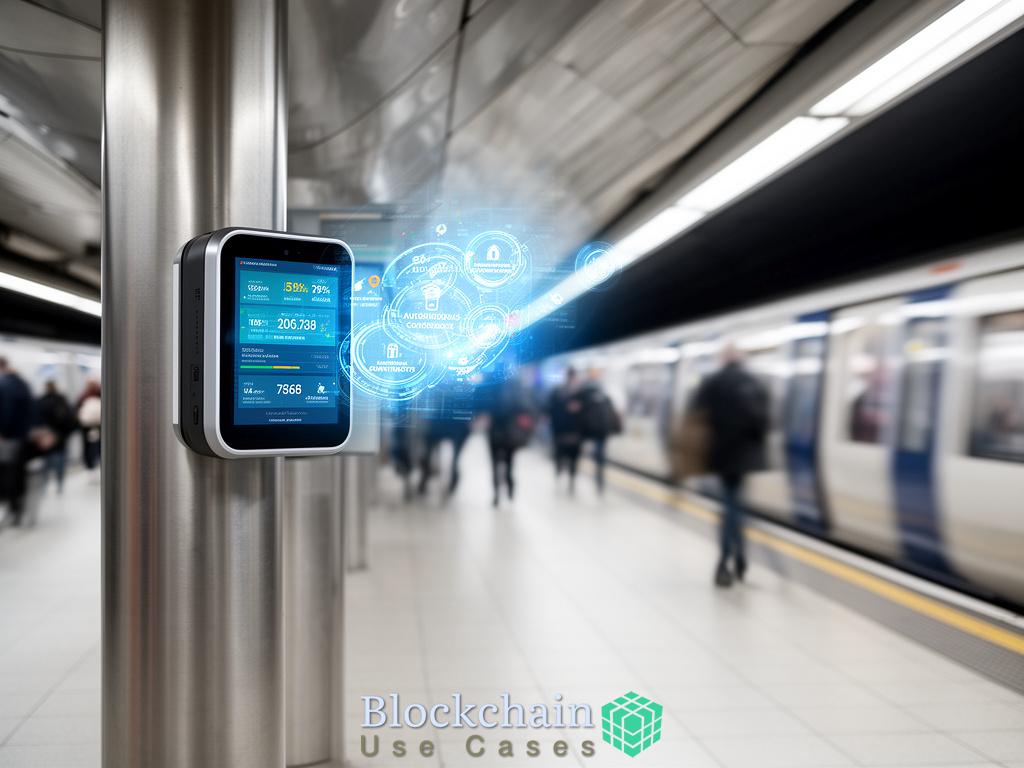
The sophistication of this mechanism lies in its ability to minimize manual administration while increasing trust among users. Passengers benefit from timely fare updates, while transport authorities gain a reliable digital ledger that audits every financial transaction securely.
| Component | Function in Dynamic Pricing | Benefit |
|---|---|---|
| IoT Sensors | Monitor passenger load and vehicle location | Provide real-time input for pricing algorithms |
| Smart Contracts | Process sensor data and execute predefined policies | Automate tariff adjustments transparently |
| Blockchain Ledger | Store all pricing and usage records securely | Enhance auditability and reduce fraud |
Integrating smart contracts into IoT ecosystems does not merely automate transactions; it redefines accountability across the transportation network. With every contract execution recorded immutably on a blockchain, disputes over incorrect charges or inconsistent fare policies decline dramatically.
Moreover, the system encourages sustainability by promoting off-peak travel through adaptive pricing that rewards energy-efficient decisions. Public transport operators can plan routes and allocate resources with unprecedented accuracy, while passengers enjoy a more equitable pricing framework.
Below is a brief overview highlighting the major advantages and implementation steps of integrating smart contracts into IoT-driven transportation networks.
Main Advantages and Steps for Implementation:
- Data-Driven Decision Making: Leverages IoT analytics for continuous adjustment of service pricing.
- Automated Payment Processing: Eliminates intermediaries and reduces administrative overhead.
- Enhanced Security: Employs cryptographic protocols to protect user and transaction data.
- Regulatory Compliance: Provides transparent audit trails for government oversight.
- Scalable Infrastructure: Adapts seamlessly to expanding urban transport networks.
As urban areas continue to embrace smart city initiatives, the synergy between IoT and blockchain technologies holds the key to shaping a future where transportation systems are not only intelligent but also inherently fair and adaptive.
Dynamic Pricing Models for Public Transportation
As cities evolve toward smarter mobility solutions, dynamic pricing models powered by IoT and blockchain-based smart contracts are transforming public transportation economics. These models represent a significant departure from fixed fare systems by aligning operational efficiency with passenger behavior and environmental goals. The integration of automated, data-driven pricing not only enhances fairness in fare determination but also promotes adaptive travel patterns that reduce congestion and resource waste.
Dynamic pricing systems derive their strength from real-time data analytics. Equipped with IoT sensors, transportation vehicles continuously monitor occupancy, route conditions, and time-based demand fluctuations. Smart contracts automatically interpret this data, adjusting fares based on parameters such as peak hours, road congestion levels, or even air quality metrics. This adaptive mechanism ensures that passengers are charged optimally and that transport operators maintain balanced load distribution across routes.
Unlike traditional fare schedules updated manually, these automated algorithms respond within seconds, allowing for immediate price calibration. For instance, during a city-wide event that spikes passenger volume, fares can increase moderately to manage demand, while off-peak travelers benefit from lower prices. This responsive pricing encourages a more even flow of passengers throughout the day, mitigating overcrowding while maximizing fleet utilization. By maintaining a transparent audit trail on the blockchain, every fare adjustment remains verifiable and tamper-proof, bolstering trust among commuters.
| Pricing Variable | Source of Data | Impact on Fare Level |
|---|---|---|
| Passenger Density | IoT occupancy sensors | Increases fare during peak load to optimize distribution |
| Traffic Congestion | GPS and transport analytics | Moderates pricing to balance travel demand |
| Environmental Factors | Air quality and weather sensors | Encourages eco-friendly travel with reduced tariffs in low emission times |
One of the critical challenges in implementing dynamic pricing structures lies in achieving equilibrium between market efficiency and user equity. With smart contracts acting as autonomous intermediaries, fare changes are executed based on verified data rather than subjective assessments. This not only curbs human error but also safeguards against biased pricing practices. Furthermore, predefined policy rules embedded within contracts ensure that adjustments remain within socially acceptable thresholds, preventing fare volatility that could discourage ridership.
Transport authorities benefit from predictive pricing models that anticipate demand surges and prepare sufficient capacity well in advance. Passengers, on the other hand, are empowered with transparent pricing notifications accessible through digital mobility platforms. The system’s immutability and traceability instill a higher degree of confidence, fostering a fair marketplace where every fare corresponds logically with service utilization and operational context.
Ultimately, dynamic pricing in IoT-enabled transportation networks is not merely a technical innovation—it is a structural evolution in mobility governance. By leveraging the precision of smart contracts and the intelligence of connected sensors, public transport systems can transition toward a more equitable, sustainable, and responsive future.
Data Security and Transparency through Blockchain
As digital ecosystems continue their rapid evolution, the intersection of blockchain, IoT, and smart contracts in public transportation is setting new benchmarks for data integrity and operational transparency. In a landscape where enormous amounts of mobility data are generated every second—ranging from passenger movements to environmental conditions—the ability to ensure accuracy, confidentiality, and auditability has become a cornerstone of trust. Blockchain technology, with its decentralized and immutable nature, underpins this trust by securing sensitive data flows and preserving the integrity of every transaction within dynamic pricing models.
The decentralization inherent to blockchain plays a critical role in redefining the concept of trust for both passengers and operators. Each data entry—whether a journey record, fare adjustment, or sensor reading—is securely time-stamped and cryptographically linked to the preceding record. This immutable structure prevents unauthorized modifications and tampering, thereby ensuring that all price changes or service updates remain transparent and verifiable. As IoT devices continuously feed real-time data to smart contracts, blockchain validation guarantees that all pricing actions adhere strictly to predefined business logic, creating a self-regulated environment free from manipulation.
Beyond its role in securing digital records, the technology also enhances governance across smart cities. Transport authorities can perform audits without risking data exposure, since each transaction’s hash enables direct verification without disclosing sensitive user information. This dual capability of confidentiality and traceability elevates public confidence, ultimately reinforcing accountability in fare management systems.
In IoT-enabled dynamic pricing systems, where thousands of connected sensors interact autonomously, safeguarding the data flow becomes paramount. Blockchain ensures that every communication between IoT devices and smart contracts occurs through authenticated channels, drastically reducing vulnerabilities to spoofing or data injection. Encrypted identities assigned to each device guarantee controlled access, while distributed ledger protocols mitigate the risks of single points of failure. Such architecture not only fortifies cybersecurity standards but also ensures operational continuity, even under network stress or partial outages.
Moreover, the distributed consensus mechanism—whether using Proof-of-Stake, PBFT, or hybrid models—serves as a collective validation layer that prevents fraudulent transactions. This distributed verification process establishes collective trust among various stakeholders, aligning the incentives of transport operators, regulators, and passengers within a unified digital ecosystem that values fairness and resilience.
The successful integration of blockchain into IoT-based smart contract frameworks amplifies both functional performance and ethical governance. The following points highlight how blockchain reinforces transparency and security within dynamic pricing systems:
- Immutable Records: Every transaction is permanently recorded, eliminating discrepancies in fare calculations and ensuring full traceability.
- Decentralized Verification: Distributed consensus prevents central authorities from altering or manipulating data.
- Enhanced Privacy Controls: Cryptographic techniques safeguard personal and operational data while maintaining public auditability.
- Resilient Infrastructure: Decentralized storage reduces downtime risks, keeping smart transportation networks continuously operational.
- Regulatory Alignment: Transparent records support compliance with data protection laws and public sector oversight requirements.
When properly implemented, blockchain-enabled transparency transforms public transport from a simple service into a secure, intelligent network that embodies digital trust. As urban mobility continues to advance, the convergence of IoT smart contracts and blockchain will not only streamline operations but redefine the ethical standards of data-driven public governance.
Operational Efficiency and Real-Time Fare Adjustments
The implementation of IoT-enabled smart contracts in public transportation networks is not merely an evolution in fare management—it represents a strategic leap toward operational precision and sustainability. As cities transform into intelligent, interconnected ecosystems, the ability to manage transportation resources dynamically becomes crucial. Through the use of real-time analytics, algorithmic pricing, and automated policy execution, public transport systems can now achieve unprecedented operational efficiency while responding instantly to shifting travel behaviors and network demands.
Operational efficiency in modern transit systems depends on more than just punctuality and maintenance. It is increasingly defined by the capacity to interpret live data and act upon it autonomously. Smart contracts, integrated with IoT devices, facilitate this by automating tasks traditionally handled by multiple administrative layers. From fare validation to capacity distribution, every transaction and operational decision is governed by predefined digital rules embedded within the blockchain framework. This eliminates delays, reduces human error, and ensures consistent compliance with transportation policies.
When IoT sensors detect fluctuations in passenger density or route congestion, smart contracts initiate responsive actions—rerouting vehicles, recalibrating schedules, or adjusting prices—without requiring manual oversight. This self-regulating mechanism significantly streamlines day-to-day operations, enabling transport authorities to utilize real-time insights for predictive planning. The result is a system that not only functions efficiently under routine conditions but also remains resilient during unexpected spikes in demand or environmental disturbances. The fusion of decentralized logic and sensor-driven automation fosters a continuously adaptive transit infrastructure optimized for both capacity and reliability.
One of the most compelling features of IoT-enabled smart contracts lies in their capacity to execute instantaneous fare adjustments. Traditional fare models often struggle to accommodate real-time variables such as peak usage, special events, or weather disruptions. However, by leveraging live input from sensors and transport analytics, smart contracts dynamically correlate contextual factors—time of day, vehicle occupancy, traffic density, and air quality—to update fares instantly and transparently.
This adaptive pricing model promotes equilibrium between system resources and passenger needs. When a sudden influx of passengers occurs, fares can adjust slightly upward to manage load distribution, while off-peak hours naturally offer incentivized reductions. Each transaction, from data capture to fare recalibration, is recorded immutably on the blockchain, ensuring full accountability and traceability across the network. More importantly, these updates are communicated in real time to passengers via digital mobility platforms, ensuring seamless awareness and trust.
Unlike static pricing schedules that rely on projections, this responsive mechanism utilizes continuous data validation. As IoT infrastructure matures, transportation operators can benchmark performance metrics—energy efficiency, passenger satisfaction, and revenue stability—against dynamically adjusted fare models. Through this iterative feedback loop, the entire transit ecosystem becomes self-optimizing, capable of learning from its own operational history and refining pricing policies for long-term efficiency and fairness. In essence, real-time fare adjustments powered by smart contracts turn public transportation into a living network—constantly sensing, learning, and responding to the pulse of the city.
Regulatory and Ethical Considerations in Automated Pricing
As urban infrastructures embrace the combined power of IoT devices and blockchain-based smart contracts, the paradigm of public transportation pricing enters a new era of automation and transparency. However, alongside this technological sophistication comes an equally pressing need for thoughtful regulation and ethical governance. Automated systems that adjust fares in real time based on sensor data introduce complex societal questions concerning accountability, fairness, and privacy. Regulators and policymakers are now tasked with developing frameworks that ensure innovation aligns with public interest, maintaining a balance between economic efficiency and social responsibility.
The integration of data-driven pricing mechanisms can unintentionally distort affordability if not properly supervised. While smart contracts operate under objective algorithms, the ethical foundation of equitable access demands that these algorithms reflect societal values beyond pure market logic. For instance, automatic fare increases during peak hours must not disproportionately burden low-income commuters who depend heavily on public transit. To safeguard fairness, regulatory oversight must define permissible pricing boundaries and enforce inclusive rule sets coded into the contracts themselves. Algorithmic transparency becomes crucial—transport authorities and third-party auditors should have insight into how pricing formulas are structured, ensuring no hidden biases or discriminatory parameters exist within the code.
Moreover, ethical pricing models must incorporate contextual sensitivity, recognizing social and environmental circumstances that influence mobility needs. Emergency situations, such as severe weather or service disruptions, should temporarily override automatic fare escalation, allowing accessibility to remain a civic right rather than a dynamic privilege. Designing regulatory guardrails that merge algorithmic precision with human empathy is vital to sustaining the integrity of automated transport economies.
Behind every autonomous fare adjustment lies an extensive data flow connecting sensors, passengers, and administrative systems. The protection and ethical handling of this data are non-negotiable pillars of trust. Blockchain’s immutability ensures verifiable transparency, yet the ethical challenge extends to how and why certain data points are used in pricing determinations. Regulatory mandates, including GDPR and similar data protection acts, require that user information be anonymized, purpose-limited, and stored securely. Decentralized networks should be designed so that no single entity gains disproportionate control over passenger behaviour insights. In this respect, compliance becomes not only a legal necessity but a moral commitment to digital dignity.
Another dimension of accountability involves automated decision explainability. Passengers should have clear information on how fares are calculated and under which circumstances adjustments occur. This openness cultivates trust and empowers users to challenge outcomes when anomalies are suspected. Ethics-driven audits can further integrate social scientists and civic representatives who review pricing effects across demographics, reinforcing collective transparency. Collaborations between technology providers, regulators, and citizen advocacy groups can yield an adaptive governance framework—one that evolves alongside the rapid progression of IoT and blockchain systems. Ultimately, fostering responsible innovation ensures that while automation propels operational efficiency, human-centered values remain at the core of transportation evolution.