
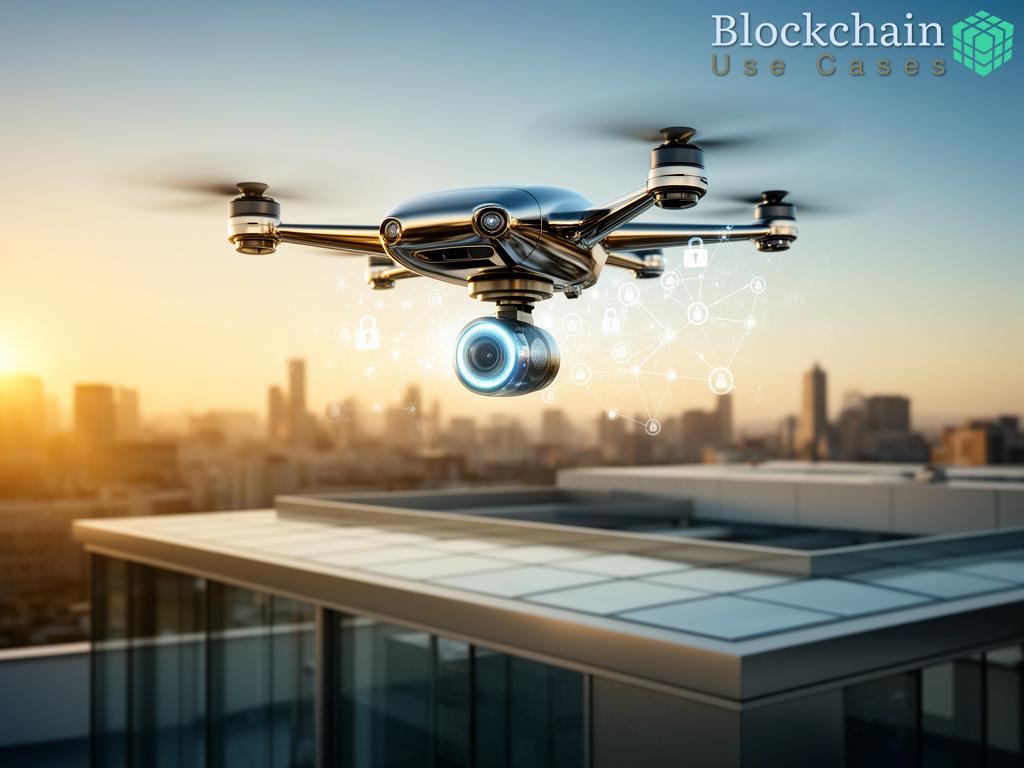
Integration of Blockchain in Drone Data Authentication
The convergence of blockchain technology and drone systems is redefining the framework for securing and verifying digital data streams. As drones increasingly become critical tools across sectors such as agriculture, logistics, and surveillance, ensuring the authenticity and integrity of their data is a growing priority. Blockchain’s decentralized and tamper-resistant attributes offer a robust solution to challenges that have long plagued the drone industry—namely data manipulation, unauthorized access, and intellectual property (IP) infringements.
Securing Drone Data Integrity with Decentralized Ledgers
Data integrity from drones has become a vital aspect of operational trust. Traditional storage models rely heavily on centralized servers, which are vulnerable to cyberattacks and unauthorized data alteration. By integrating distributed ledger technology (DLT) into drone ecosystems, every piece of information, from flight paths to captured images, can be encrypted, timestamped, and verified on the blockchain. This enhances transparency and allows stakeholders to trace any changes in the dataset’s history without compromise.
For industries such as construction or environmental monitoring, where aerial data constitutes intellectual property, blockchain ensures that collected data remains unaltered and that rightful owners maintain verifiable proof of origin. This authentication capacity also supports compliance frameworks, making it easier to demonstrate accountability in regulated sectors.
Strengthening Intellectual Property Protection Through Smart Contracts
Smart contracts are the backbone of blockchain’s automation power, enabling drones to operate with predefined digital agreements. These contracts can automatically record usage rights, ownership details, and data-sharing permissions—paving the way for advanced IP protection mechanisms. This process eliminates human error while providing immutable evidence of content creation and access.
The integration of blockchain-based smart contracts helps in preventing unauthorized replication or modification of drone-generated content. It empowers creators and operators to control how their data is distributed, ensuring fair use and strengthening the commercial viability of drone innovation.
Comparison of Traditional and Blockchain-Based Drone Data Management
| Criteria | Traditional Systems | Blockchain-Based Systems |
|---|---|---|
| Data Storage | Centralized servers, high risk of tampering | Decentralized ledgers, tamper-evident records |
| Access Control | Managed by single authority | Managed via cryptographic consensus mechanisms |
| Intellectual Property Management | Requires manual verification and documentation | Automated proof of ownership with smart contracts |
| Data Traceability | Partial data lineage visibility | Full traceability through immutable records |
Key Implementation Steps for Blockchain Integration in Drone Frameworks
Transitioning drone fleets to blockchain-supported networks requires a strategic roadmap that aligns technological capabilities with legal and operational frameworks. The integration process is multi-dimensional, focusing on security, interoperability, and regulatory compliance.
Essential Phases in the Integration Process:
- Assessment and Planning: Identify data-sensitive operations where blockchain can add the most value.
- Infrastructure Development: Establish secure nodes and consensus protocols optimized for drone communication.
- Smart Contract Design: Create automated agreements governing data ownership and license distribution.
- Testing and Validation: Conduct pilot projects to monitor performance, encryption reliability, and scalability.
- Regulatory Synchronization: Align blockchain solutions with aviation and data protection laws to avoid compliance risks.
These steps collectively reinforce a secure and transparent ecosystem, where drone-based data can be trusted, verified, and monetized responsibly. The fusion of blockchain’s cryptographic assurance with drone innovation marks a transformative leap for industries relying on autonomous data collection and analysis. Its potential to preserve intellectual property and ensure data authenticity will play a defining role in the next era of secure unmanned aerial systems.
Smart Contracts for Intellectual Property Licensing
The integration of blockchain within the drone technology landscape is not only revolutionizing data security but is also redefining the boundaries of intellectual property management. As drones continue to generate high-value data that includes imagery, 3D models, and analytics used across industries, the question of rightful ownership and data licensing takes center stage. Smart contracts — autonomous digital agreements powered by blockchain — are now emerging as the cornerstone of this transformation, offering a highly secured, transparent, and automated framework for intellectual property (IP) licensing.
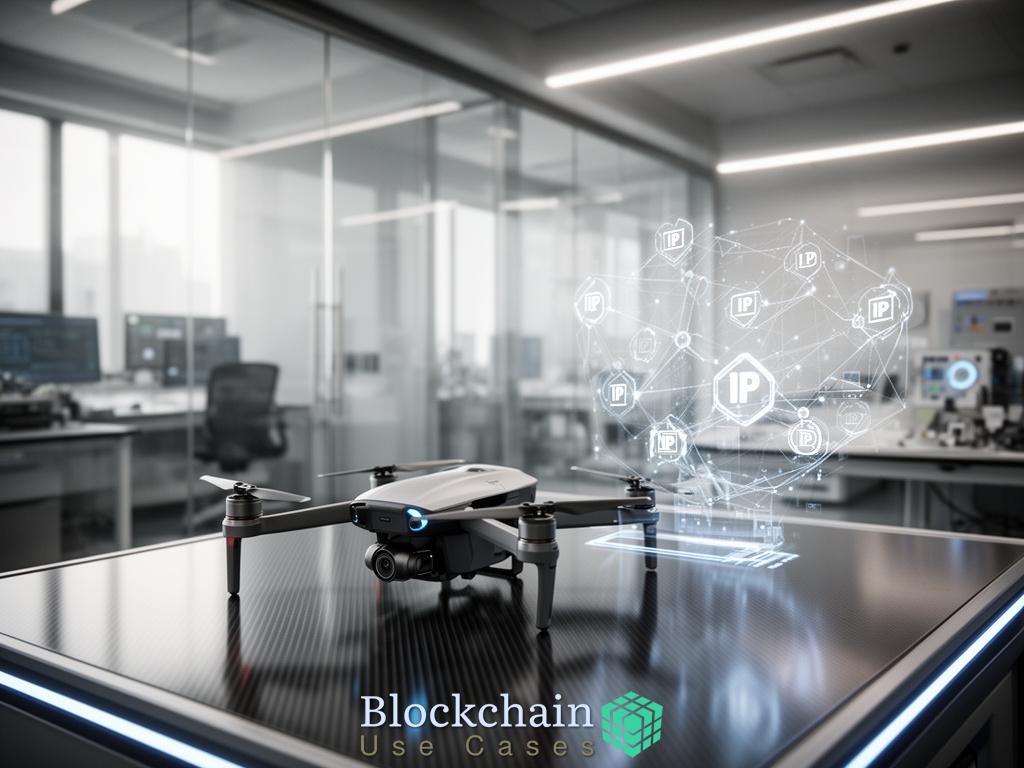
Automated Licensing Frameworks for Drone-Generated Assets
Drone-based data often carries immense commercial potential. Whether it is high-resolution agricultural imagery or precision-mapping datasets for construction, the ability to verify and manage ownership rights is essential. Smart contracts allow drone operators, content creators, and clients to engage in direct, trustless transactions where usage rights are automatically enforced once predefined conditions are met. This eliminates third-party intervention and significantly reduces both administrative delays and the possibility of IP infringement.
Through blockchain-enabled automation, licenses can be granted, transferred, or revoked in real time while maintaining a verifiable record of every interaction. Once the drone data is uploaded to the blockchain, smart contracts validate ownership credentials and issue digital certificates linked to the asset’s metadata. Such functionality empowers rights holders to preserve the exclusivity of their intellectual property with unprecedented assurance.
Comparison of Manual Versus Blockchain-Based IP Licensing
Smart contracts bring a paradigm shift compared to conventional licensing systems. The table below highlights the contrast between traditional methods and blockchain-integrated frameworks, illustrating how automation, consistency, and transparency reshape digital rights management for drone innovations.
| Criteria | Traditional Licensing | Smart Contract Licensing |
|---|---|---|
| Contract Execution | Manual agreement signing and legal involvement | Automated execution based on predefined blockchain rules |
| Transparency | Limited visibility; reliant on trust between parties | Full on-chain traceability of all licensing activities |
| Cost Efficiency | Involves intermediaries and multiple reviews | Reduces transaction costs through direct, peer-to-peer automation |
| IP Infringement Prevention | Reactive approach with legal dispute resolution | Proactive prevention via immutable, timestamped recordkeeping |
Strategic Advantages and Implementation Dynamics
For drone technology developers and data-driven enterprises, adopting blockchain smart contracts introduces a series of operational benefits that go far beyond mere licensing automation. The ability to manage, distribute, and validate drone-captured data through blockchain ensures that every stakeholder—be it a surveyor, client, or analytics provider—has an auditable trail of ownership and usage permissions.
When strategically deployed, these smart contracts enhance commercial flexibility. Rights holders can design tiered licensing models, subscription-based access, or pay-per-use agreements, all governed by blockchain logic. The result is a more fluid digital ecosystem where intellectual property compliance and revenue generation coexist seamlessly.
Key Implementation Benefits of Smart Contracts in Drone IP Licensing:
- Immutable Audit Trails: Ensures traceability of ownership and licensing actions.
- Automated Enforcement: Executes usage conditions and payment settlements without human intervention.
- Decentralized Trust: Validates transactions through distributed consensus rather than legal intermediaries.
- Dynamic Licensing Models: Supports customizable, scalable approaches for varied commercial uses of drone data.
- Regulatory Alignment: Facilitates compliance by maintaining verifiable, tamper-proof IP records.
Ultimately, blockchain-based smart contracts stand as the technological bridge between innovation and protection. They not only safeguard drone data against unauthorized exploitation but also foster a more equitable digital economy where creators maintain rightful control over their assets. As industries increasingly embrace unmanned aerial systems, the role of blockchain in fortifying intellectual property frameworks will define the standards for ethical, secure, and transparent data utilization worldwide.
Decentralized Ledger Solutions for Patent Management
The transformative integration of blockchain within drone technology is no longer limited to data authentication and automated licensing. As innovation in unmanned aerial systems accelerates, protecting intellectual property (IP) through efficient and transparent patent management has become an urgent necessity. Decentralized ledger technology offers a groundbreaking approach to safeguarding patents, ensuring that inventors and enterprises retain full control over their drone-based innovations. By replacing fragmented and slow-moving patent processes with blockchain’s immutable record system, organizations can eliminate ambiguity in ownership claims and reinforce their legal standing across international jurisdictions.
Redefining Patent Verification through Distributed Networks
Traditional patent registration and verification systems often rely on centralized authorities that are prone to delays, database inconsistencies, and limited interoperability between jurisdictions. Blockchain, through its decentralized structure, enables instant and verifiable proof of innovation timelines, creating a universally accessible registry of intellectual property. Every patent record entered on the blockchain is timestamped and cryptographically secured, providing a transparent and tamper-proof audit trail. This approach not only accelerates verification processes but also significantly reduces disputes arising from overlapping claims in the drone research and manufacturing sectors.
By leveraging smart validation protocols embedded within the blockchain, inventors can enjoy immediate authentication of design submissions, operational algorithms, and technological blueprints associated with drone systems. This traceability enhances the credibility of patent ownership, paving the way for more equitable protection and efficient commercialization.
Smart Patent Management and Cross-Industry Collaboration
As drone ecosystems become increasingly complex, involving collaborations among hardware manufacturers, software developers, and service providers, maintaining patent clarity is crucial. Decentralized ledgers enable multi-party verification wherein all contributors to a drone innovation can record and verify their participation. Smart contracts facilitate this collaboration by automatically distributing rights or royalties according to pre-established conditions, minimizing human intervention and potential legal contention.
Furthermore, blockchain-enabled patent management encourages interoperability across research institutions, startups, and global patent offices. Shared blockchain infrastructures can streamline Intellectual Property Transactions, providing a standardized framework for cross-border recognition of technology rights. Such cooperative functionality fosters innovation without compromising ownership integrity—an essential balance as the drone industry continues to expand its global footprint.
Key Functional Advantages of Blockchain in Patent Protection
Decentralized ledger technology introduces several operational benefits that redefine how patents are issued, monitored, and enforced. These advantages enhance legal defensibility and administrative efficiency for all stakeholders engaged in drone innovation.
Highlighted Functional Benefits:
- Immutable Proof of Origin: Blockchain ensures that each patent filing is permanently linked to its original creator, reducing the risk of duplication or infringement.
- Automated Rights Management: Smart contracts streamline renewal, transfer, and enforcement of patents without manual oversight.
- Enhanced Transparency: Patent data stored on-chain is accessible to authorized parties globally, promoting accountability and visibility.
- Dispute Resolution Efficiency: Cryptographic audit trails provide concrete evidence in legal disputes, expediting resolution processes.
- Compliance and Accessibility: Blockchain’s decentralized nature supports integration with international IP laws, ensuring uniform recognition of drone-related inventions.
The incorporation of decentralized ledger systems into the drone patent landscape marks a paradigm shift in intellectual property protection. It empowers innovators with secure, global recognition while streamlining operations across the IP value chain. As drone technologies continue to shape tomorrow’s industries, blockchain-driven patent management will become the cornerstone of fair, transparent, and efficient innovation governance.
Enhancing Transparency in Drone Innovation Ecosystems
The integration of blockchain technology into the rapidly expanding field of drone innovation is not merely about securing data or automating licenses—it is about reshaping the entire ecosystem with unparalleled transparency and traceability. As drones continue to transform modern industries—from environmental surveying to logistics and defense—the ability to monitor innovation flows, verify authorship, and ensure rightful attribution of intellectual property has become essential. Blockchain’s immutable and decentralized architecture offers a long-awaited solution, reinforcing trust among stakeholders and establishing a culture of openness in technological evolution.
Transparent Innovation Pipelines Through Blockchain Mechanisms
In a traditional innovation environment, assessing the authenticity or ownership lineage of drone technologies has been a challenge due to fragmented data systems and closed research networks. By embedding blockchain as the underlying infrastructure, every component of drone development—from algorithm design and hardware prototyping to field testing—can be immutably recorded on a shared ledger. Each entry, time-stamped and cryptographically validated, allows innovators, partners, and regulators to access verifiable records of their contributions. This not only eliminates disputes regarding originality but also enhances investor confidence by providing transparent evidence of technological milestones.
The blockchain’s capacity for distributed accountability further strengthens collaborative projects where multiple organizations contribute to a single drone model or patented application. Instead of relying on traditional document exchanges or disconnected patent logs, consortium members can refer to the same blockchain ledger for cross-validation of innovation data. This translates into faster intellectual property validations, reduced audit bottlenecks, and stronger compliance oversight. For high-value sectors like defense and geospatial analytics, this transparency becomes a strategic advantage, turning blockchain into a security and governance enabler rather than a mere data repository.
Comparative Visibility in Traditional and Blockchain-Driven Drone Frameworks
To understand the contrast between conventional management systems and blockchain-powered environments, one must examine how blockchain introduces clarity into each stage of drone innovation. While traditional models rely on internal databases and limited-access repositories, blockchain provides a fully auditable and transparent mechanism that ensures every transaction, file exchange, and research update remains visible yet secure. This dual benefit of accessibility and immutability creates a new benchmark for regulatory and ethical compliance in aerial technologies.
| Transparency Criteria | Traditional Innovation Systems | Blockchain-Powered Ecosystems |
|---|---|---|
| Innovation Recordkeeping | Manual documentation with limited verification | Automated, time-stamped records validated by consensus |
| Data Accessibility | Restricted to internal stakeholders | Shared yet secure visibility among authorized participants |
| Ownership Tracking | Complex chain of custody prone to disputes | Immutable proof of origin and contribution attribution |
| Audit and Compliance | Delayed and reactive verification processes | Real-time compliance monitoring through transparent records |
Such structural differences redefine how innovation ecosystems function. Under blockchain integration, each data point, design iteration, or field report forms part of an unalterable historical record. The resulting digital transparency not only accelerates patent filings and licensing reviews but also cultivates global trust, particularly in cross-border research and manufacturing collaborations.
Holistic Collaboration and Future Regulatory Alignment
The true power of blockchain-driven transparency lies in its ability to unite disparate players in the drone landscape under a common, verifiable framework. Startups, governments, suppliers, and IP authorities can interact within a synchronized network that reduces duplication, prevents IP leakage, and encourages responsible innovation. Smart contracts within these ecosystems automatically enforce participant agreements, ensuring that every stakeholder adheres to pre-established data-sharing protocols. This level of automation mitigates the risk of unauthorized data manipulation while facilitating ethical and legal alignment across international frontiers.
Furthermore, regulatory bodies are beginning to acknowledge the transformative potential of blockchain transparency for aviation safety audits and compliance standards. By accessing an immutable repository of drone flight data, component histories, and software versions, agencies can evaluate safety and IP ownership metrics more effectively. This transparency foundation is poised to become a central tenet of the next-generation drone governance model—one built on mutual verification, equitable innovation, and sustained commercial integrity.
Ultimately, enhancing transparency within drone innovation ecosystems through blockchain is more than a technological upgrade; it represents an ideological shift toward collective accountability. As the digital and aerial frontiers converge, blockchain ensures that the spirit of innovation remains both visible and verifiable, securing a future where intellectual property protection and innovation coexist seamlessly.