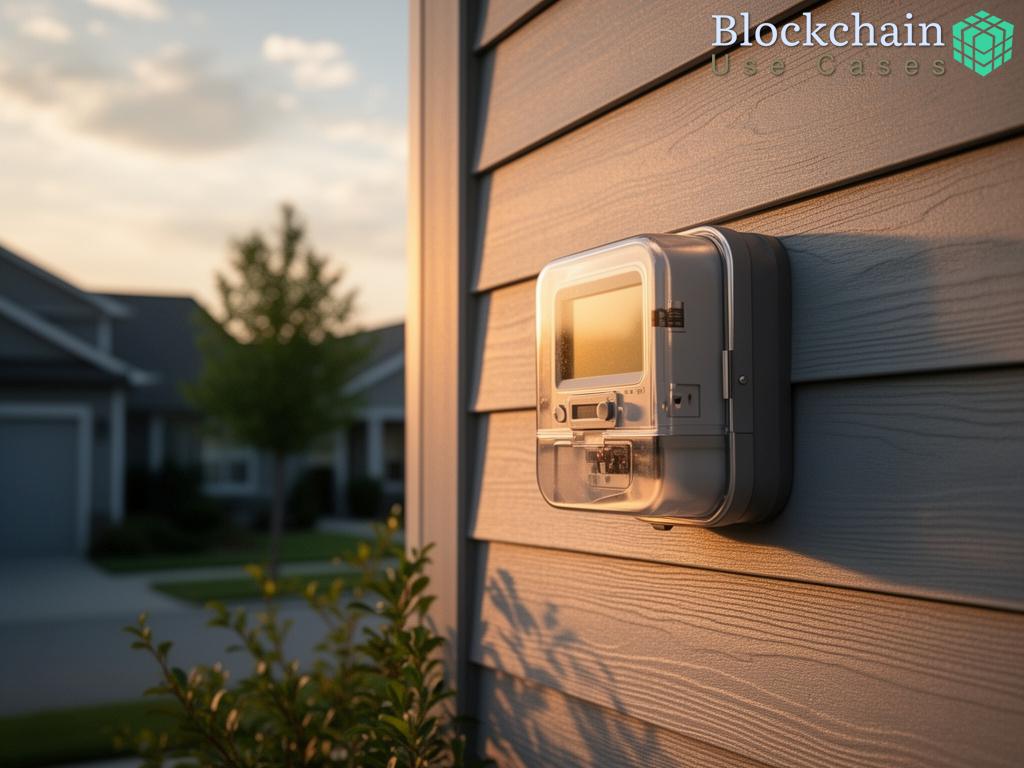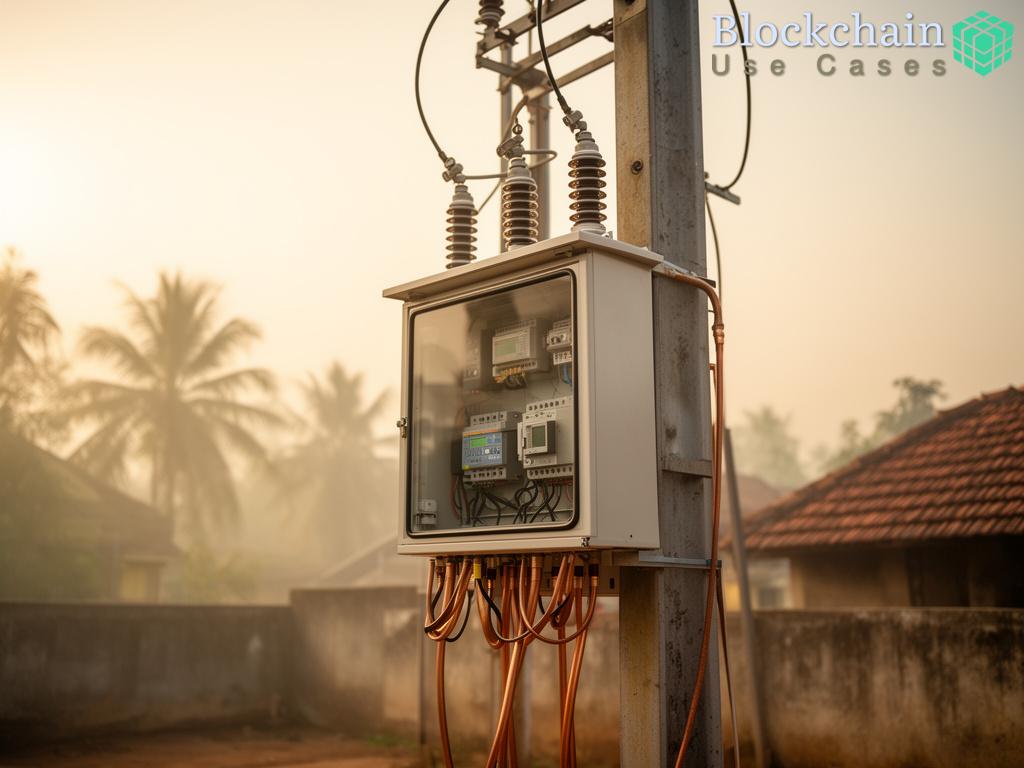

Blockchain-Based Security Frameworks for Energy Infrastructure
As the global energy sector transitions toward digitalization, the need for robust and adaptive security frameworks becomes increasingly urgent. Cyber threats targeting critical infrastructure, from power grids to renewable energy farms, have grown in frequency and sophistication. In this evolving landscape, blockchain technology is emerging as a transformative force to reinforce trust, transparency, and resilience across complex energy networks.
Unlike conventional centralized security approaches, blockchain introduces a decentralized model that ensures data integrity and traceability. Every transaction across the energy supply chain—from data logging at remote sensors to auditing in central control systems—can be immutably recorded in distributed ledgers. This not only prevents unauthorized tampering but also enables real-time visibility across all stakeholders.

The following list outlines the key advantages blockchain brings to energy infrastructure management and protection:
- Enhanced Traceability: Every transaction or system update is securely documented, minimizing operational opacity.
- Immutability: Cryptographic validation ensures that recorded data cannot be retroactively altered.
- Low Latency Consensus: Multi-party consensus mechanisms expedite verification, reducing downtime during security checks.
- Automated Compliance: Smart contracts can automatically enforce regulatory and security standards across distributed networks.
The integration of blockchain into energy systems goes beyond cybersecurity—it fundamentally redefines how data, resources, and control mechanisms interact. Utilities and energy operators are increasingly leveraging blockchain to authenticate devices, validate communication nodes, and automate cross-border energy transactions securely. The decentralized nature of blockchain mitigates single points of failure, an issue long associated with traditional, centralized systems.
The table below presents a concise comparison between traditional security methods and blockchain-based frameworks within the context of energy infrastructure protection:
| Security Attribute | Traditional System | Blockchain-Enabled Framework |
|---|---|---|
| Data Control | Centralized authority prone to failure or breach | Distributed control ensuring transparency and resilience |
| Data Integrity | Relies on third-party verification | Intrinsic immutability through cryptographic hashing |
| Incident Response | Manual response and delayed audit trails | Automated alerting and real-time validation |
| Scalability | Complex coordination and protocol limitations | Dynamic adaptation using decentralized consensus protocols |
In the coming years, the fusion of blockchain with Internet of Things (IoT)-driven energy systems will define a new paradigm of infrastructure protection. With the proliferation of distributed energy resources, such as battery storage systems and offshore wind farms, the ability to secure decentralized nodes will be vital. Governments and energy regulators are already exploring frameworks for interoperable blockchain standards to ensure seamless integration across borders.
Ultimately, blockchain does not merely strengthen cybersecurity—it orchestrates a shift toward autonomous, intelligent, and trust-based energy ecosystems. By embedding security directly into the operational fabric of energy infrastructure, it offers a sustainable pathway toward achieving both resilience and efficiency in the digital energy era.
Decentralized Data Management and Integrity in Critical Energy Systems
As critical energy networks evolve into highly interconnected ecosystems, the demand for decentralized data management solutions that ensure both transparency and resilience has become indispensable. The convergence of blockchain technology with digital energy management presents a transformative opportunity to mitigate cyber vulnerabilities while enabling real-time operational assurance. Blockchain’s consensus-driven architecture empowers stakeholders to maintain trustless collaboration, a critical component when securing distributed energy resources spread across multiple geographic locations and jurisdictions.

Traditional data management systems in the energy sector often rely on centralized databases vulnerable to manipulation, single-point failures, and insider threats. Blockchain decentralization, by contrast, distributes control and validation across multiple nodes, ensuring that no single entity holds unilateral authority over critical information. This structure enhances data sovereignty, ensuring that each data record—whether it originates from a smart grid sensor, a substation, or a trading platform—is cryptographically linked and traceable throughout its entire lifecycle. The ability to track data provenance strengthens accountability and supports seamless auditing, offering a measurable improvement in compliance and reliability.
Moreover, data integrity within blockchain-powered systems is inherently fortified by cryptographic consensus. Each block appended to the chain undergoes an independent verification process distributed among trusted nodes, reducing the risk of falsification or data corruption. In this context, blockchain not only serves as a defensive mechanism but also as an assurance model, providing energy operators with a tamper-proof ledger that validates every operation—from power distribution logs to inter-grid transactions—without compromising operational speed or scalability.
The growing complexity of modern energy ecosystems requires a resilience-oriented approach to data management. Blockchain’s decentralized infrastructure serves as a continuous safeguard, allowing energy operators to sustain mission-critical operations even in scenarios of partial network compromise. By isolating localized breaches and maintaining immutable records elsewhere in the network, blockchain minimizes the contagion effect and supports swift recovery protocols. This operational resilience is particularly vital for regions where energy supply stability underpins national security and economic continuity.
Another critical dimension is interoperability. As cross-border energy exchanges and smart grid integrations expand, blockchain enables secure communication between heterogeneous systems through standardized protocols and smart contracts. These self-executing algorithms ensure that only authenticated devices participate in data transactions, drastically reducing unauthorized access risks. As a result, blockchain not only bolsters cyber resilience but also establishes a unified and transparent operational environment, facilitating trust among regulators, operators, and consumers alike. The ultimate goal lies in constructing self-reliant digital infrastructures where data integrity is uncompromised, and security is intrinsic rather than supplementary.
Smart Contract Applications for Operational Efficiency and Security
As energy systems evolve into hyperconnected networks integrating smart grids, IoT sensors, and distributed energy resources, managing security and operational efficiency has become a formidable challenge. Smart contracts, powered by blockchain technology, are now being deployed to automate and secure the intricate web of operations that underpin critical energy infrastructures. Beyond merely recording transactions, these self-executing protocols ensure that operational, regulatory, and performance standards are enforced with precision, transparency, and zero human bias. In essence, smart contracts represent the digital backbone of trust—automating governance within an increasingly autonomous energy economy.

In modern energy infrastructures, where the exchange of data, energy, and value occurs across countless nodes, manual oversight can no longer sustain the required level of responsiveness and reliability. Smart contracts redefine this landscape by embedding governance rules directly into blockchain networks. Every action—whether the dispatch of power, the adjustment of load, or the settlement of trading intervals—is validated in real time against pre-defined contractual conditions. This automation not only eliminates the latency associated with centralized authorization but also reduces errors driven by human intervention or data manipulation. In doing so, energy utilities gain end-to-end visibility into operations while ensuring that every process executes under transparent conditions verified by decentralized nodes.
The resulting framework strengthens security by removing the need for trusted intermediaries. Once a contract is deployed on the blockchain, neither an insider nor an external actor can alter its execution parameters without consensus. This immutable logic enforces compliance and deters fraudulent operations, particularly in cross-border energy trade environments. Moreover, multi-signature authorization models incorporated into smart contracts provide additional layers of defense, ensuring that critical operational decisions trigger only after multiple verifications across the network. The union of automation and consensus thus transforms traditional cybersecurity models from reactive defenses into proactive, self-verifying ecosystems.
Efficiency in energy management increasingly depends on the ability to coordinate resources dynamically under fluctuating demand and supply conditions. Smart contracts enable autonomous coordination by facilitating real-time data exchange among distributed energy resources, storage systems, and grid operators without requiring centralized mediation. For instance, a battery system can autonomously respond to peak load demand when a smart contract verifies market signals and predefined performance thresholds. This not only enhances grid stability but optimizes resource usage through precision-based trigger mechanisms. Every action becomes verifiable, auditable, and securely logged, forming a transparent chain of accountability.
In terms of interoperability, smart contracts serve as a universal protocol layer connecting disparate hardware, software, and regulatory frameworks. This is particularly crucial as energy systems expand across borders and jurisdictions. The ability to translate regulatory requirements into programmable logic ensures consistent compliance regardless of geographic or institutional disparities. Automated auditing mechanisms embedded within these contracts further guarantee that each transaction—a data packet exchange, an energy trade, or an emission report—is validated against both technical and legal standards in real time.
| Operational Parameter | Traditional Management | Smart Contract-Based Management |
|---|---|---|
| Regulatory Compliance | Manual verification and delayed audits | Automatic enforcement through programmable logic |
| Data Security | Centralized logging prone to tampering | Immutable ledger with cryptographic validation |
| Operational Control | Dependent on administrative oversight | Self-executing and verifiable processes |
| Cross-Border Transactions | Complex regulatory discrepancies | Interoperable smart contracts ensuring uniform compliance |
The integration of smart contracts within blockchain-enabled energy infrastructures is not solely a technological advancement—it is the emergence of an autonomous and intelligent operational paradigm. As these systems mature, machine learning and AI-driven analytics will further enhance contract adaptability, enabling smart systems to refine conditions dynamically based on performance data and predictive models. This evolution could usher in an era where energy transactions, maintenance workflows, and security verifications occur seamlessly without centralized mediation. The synergy of blockchain and smart contracts, therefore, represents a decisive step toward building infrastructures that are not only efficient and transparent but fundamentally self-regulated and secure against evolving cyber threats. For policymakers and industry leaders alike, embracing this new model will be essential to achieving long-term stability and trust in the digital energy era.
Integration of Blockchain with IoT and SCADA Systems
The digital transformation of global energy systems is reshaping how utilities monitor, control, and protect critical assets. As cyber threats intensify and infrastructures become increasingly data-driven, the convergence of Blockchain technology with Internet of Things (IoT) and SCADA systems stands as a game changer in securing the operational backbone of modern energy frameworks. This integration not only ensures data authenticity but also boosts resilience by enabling autonomous security validations across vast industrial networks. Such integrations redefine trust, providing a safeguard that aligns both with governance and operational excellence.
In today’s industrial landscape, IoT sensors and SCADA systems serve as the vital eyes and ears of energy operations, continuously communicating with control centers to regulate production, distribution, and storage. However, their centralized architectures often present vulnerabilities that malicious actors can exploit. This is precisely where blockchain integration brings transformative value. By embedding decentralized consensus mechanisms within these operational frameworks, blockchain prevents single-point compromises, ensuring that each data transmission—from a sensor’s temperature reading to a control node’s command—is verified, encrypted, and immutably recorded. This distributed transparency not only mitigates intrusion risks but also empowers predictive security analytics, allowing operators to preemptively identify anomalies before they escalate.
When blockchain is synchronized with IoT-based systems, every device transaction forms a secure digital fingerprint, establishing non-repudiable audit trails across the grid. For Supervisory Control and Data Acquisition (SCADA) networks, this approach enhances trusted interoperability between hardware and software layers that have historically been separated by proprietary barriers. The seamless interplay between blockchain and SCADA thus yields a secure ecosystem where control instructions, maintenance updates, and telemetry feeds are transparently validated by decentralized nodes, eliminating unauthorized overrides and ensuring operational continuity even under cyber stress conditions.
The fusion of blockchain, IoT, and SCADA transcends traditional cybersecurity measures, fostering a new era of autonomous energy management. Through smart contract integration, the system can enforce pre-programmed safety and performance conditions without manual intervention. For example, in the event of irregular load behavior detected by IoT sensors, blockchain-enabled smart contracts can instantly execute predefined contingency protocols—isolating affected nodes or re-routing power flows to maintain grid stability. This decentralized logic significantly reduces response latency and assures continuity even during critical disruptions.
Beyond protection, blockchain-driven synchronization promotes energy efficiency optimization and grid reliability. Real-time data interoperability between IoT devices and blockchain ledgers allows continuous analytics, facilitating automated maintenance alerts and secure firmware updates through verifiable digital signatures. Additionally, as utilities expand across multi-jurisdictional regions, blockchain offers a universal layer of trust—ensuring compliant, transparent, and auditable cross-network collaboration. This not only strengthens defense mechanisms but also underpins the strategic move toward self-stabilizing and adaptive energy infrastructures.
The integration of blockchain with IoT and SCADA architectures is not a distant vision—it is the evolutionary pathway of energy system resilience. As digital assets merge physical operations into distributed intelligence frameworks, blockchain solidifies its role as the trust anchor in safeguarding critical infrastructures. It transforms the energy sector’s security landscape from reactive defense into proactive, intelligent protection—creating the foundation for a future where transparency, automation, and resilience coexist seamlessly.
Regulatory and Compliance Considerations for Blockchain Deployment in Energy Protection
As blockchain technology rapidly advances within the energy sector, its integration into critical infrastructure protection systems is reshaping how cybersecurity, transparency, and authenticity are approached. However, this transformation also introduces complex regulatory and compliance challenges that must be addressed to ensure both operational reliability and adherence to global standards. From data privacy legislation to cross-border energy governance, regulators are increasingly tasked with creating frameworks that reconcile decentralization with accountability. Understanding how blockchain can fit within existing policy landscapes—and how those landscapes must evolve—has become a cornerstone of the digital energy transition.
The implementation of blockchain in energy infrastructure protection intersects with multiple layers of legal oversight, including cybersecurity directives, environmental legislation, and energy market regulations. Decentralized networks challenge conventional legal structures by dispersing control and responsibility across nodes located in various jurisdictions. This raises critical compliance questions related to data ownership, liability, and regulatory enforcement. Global energy regulators, such as the International Energy Agency (IEA) and regional data protection bodies, are now engaging in collaborative efforts to establish interoperable frameworks that align blockchain’s borderless capabilities with sovereign legal requirements.
One central concern revolves around how immutable blockchain records align with privacy laws such as the General Data Protection Regulation (GDPR). The requirement for data alteration or erasure on request directly conflicts with blockchain’s principle of immutability. To resolve this paradox, new cryptographic solutions—like zero-knowledge proofs and permissioned blockchain layers—are being explored to enable selective data sharing while preserving core decentralization benefits. Moreover, regulatory bodies are urging energy companies to adopt hybrid governance models, balancing transparent ledger systems with compliant data control frameworks. This alignment not only supports regulatory flexibility but also enhances institutional trust across international energy exchanges.
Ensuring auditability and interoperability in blockchain-powered energy infrastructures is essential for consistent regulatory compliance. Traditional audit processes rely on centralized oversight mechanisms, which are incompatible with decentralized architectures. Therefore, regulators and technology providers are converging on standardized protocols that embed compliance mechanisms directly into blockchain operations. Through smart contracts, for example, compliance rules can be codified into the system’s logic, guaranteeing enforcement automatically at the moment of transaction.
This embedded approach to compliance represents a paradigm shift, moving from manual regulatory reporting to continuous, self-validating audits. Organizations adopting blockchain-based systems can achieve real-time conformity with grid reliability codes, capacity market regulations, and even environmental emission standards. The ability to demonstrate immutable proof of compliance strengthens both corporate transparency and investor confidence, which are increasingly influenced by ESG (Environmental, Social, and Governance) criteria.
Below is a comparison that outlines how compliance and auditing practices differ between traditional frameworks and blockchain-enabled systems:
| Compliance Attribute | Conventional Framework | Blockchain-Enabled Framework |
|---|---|---|
| Data Auditing | Periodic manual verification | Continuous real-time validation through distributed ledgers |
| Accountability | Centralized oversight by regulatory entities | Shared validation and automatic reporting via smart contracts |
| Data Privacy | Dependent on closed-access systems | Controlled transparency using cryptographic anonymization |
| Cross-Border Compliance | Subject to jurisdictional barriers | Global operability through standardized blockchain governance |
While blockchain offers unprecedented transparency and resilience, its deployment must evolve under unified policy frameworks to ensure long-term sustainability in critical infrastructure protection. Governments and energy consortiums are increasingly drafting guidelines that promote interoperability while maintaining technical neutrality, ensuring blockchain’s adaptability across various market architectures. This regulatory harmonization seeks to minimize the fragmentation of blockchain networks, particularly in collaborative energy projects involving multiple nations and corporate entities.
To further support harmonized adoption, international policy working groups are focusing on five strategic areas that define the compliance frontier for blockchain in energy protection:
- Data Governance Alignment: Harmonizing blockchain data usage policies with national privacy and critical infrastructure acts.
- Interoperability Standards: Developing certification protocols for cross-chain data exchange between energy operators and regulators.
- Security Certification: Establishing cybersecurity benchmarks for blockchain nodes managing critical control data.
- Automated Reporting Frameworks: Enabling smart contract-based compliance notifications directly to regulatory bodies.
- Sustainability Metrics: Incorporating blockchain traceability features to support decarbonization reporting obligations.
By embedding compliance directly into the operational logic of blockchain frameworks, the energy sector is crossing a pivotal threshold where regulation becomes not merely a constraint but an enabler of innovation and trust. The collaborative adjustment of technological capabilities and policy durability will ultimately define the effectiveness of blockchain as a cornerstone for secure, transparent, and compliant energy infrastructure management in the decades to come.