
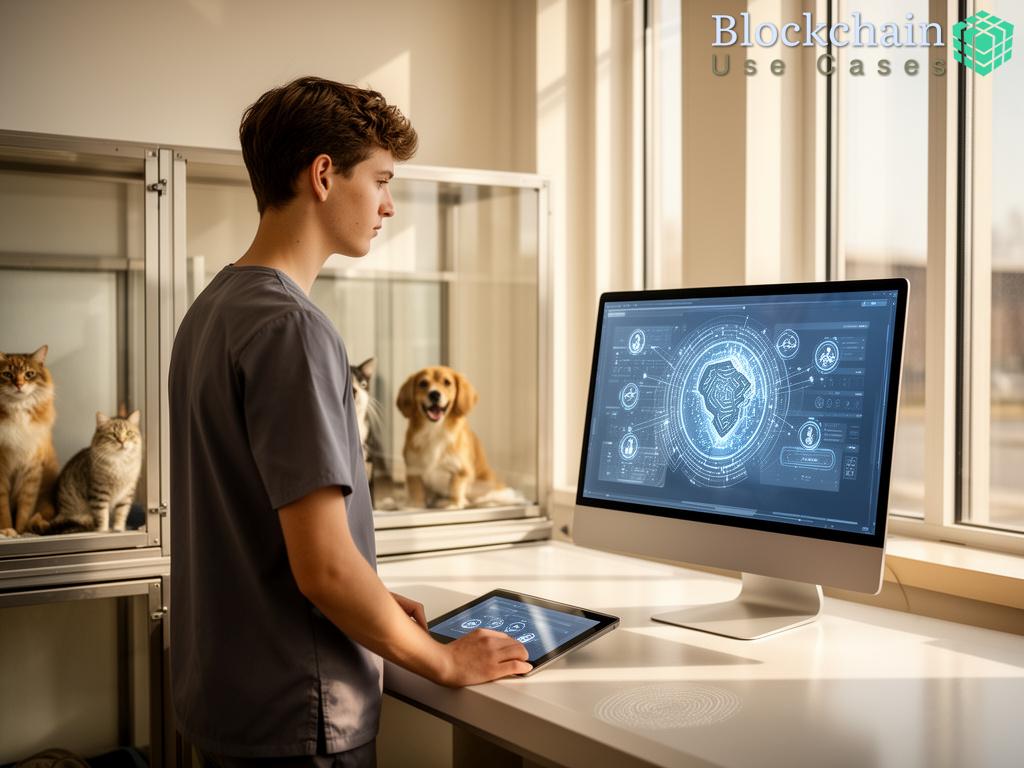
Integrating Blockchain in Animal Shelter Management
Animal shelters and rescue operations around the world face constant challenges in maintaining accountability, efficiency, and transparency. Traditional record-keeping systems often fail to provide a unified and tamper-proof method for tracking animal histories, donations, and adoptions. However, blockchain technology presents an innovative way to revolutionize how shelters manage their operations, ensuring trust, clarity, and sustainability within animal welfare ecosystems.
Enhancing Credibility and Data Integrity in Shelter Operations
Blockchain’s core advantages lie in its decentralized database structure, which records each transaction in a secure, immutable ledger. When applied to shelter management, this means every process—from intake to adoption—can be recorded and verified transparently. Donors, adopters, and volunteers can access real-time updates on how funds and resources are used, significantly boosting trust in nonprofit organizations.
The integration of blockchain also mitigates the risks of data manipulation. Each animal can have a verifiable digital identity with records that include microchip data, medical history, and adoption status. This transparency promotes public confidence and supports compliance with animal welfare regulations.
| Aspect | Traditional System | Blockchain-Based System |
|---|---|---|
| Data Security | Centralized and prone to manipulation | Decentralized and immutable |
| Transparency | Limited and fragmented | Fully traceable with real-time access |
| Accountability | Dependent on manual audits | Automatic, built-in verification |
| Cost Efficiency | High administrative overhead | Reduced costs through automation |
Practical Implementation and Adoption Strategy
For shelters and rescue organizations aiming to adopt blockchain, strategic planning and collaboration with tech partners are crucial. A phased approach allows institutions to adapt gradually while ensuring staff training and system migration are seamless. Furthermore, open-source blockchain platforms and smart contracts can empower shelters to manage resources efficiently and automate key workflows.
Below is an overview of practical steps that organizations can follow to efficiently integrate blockchain into their operations:
Steps for Implementing Blockchain in Animal Shelter Management:
- Assessment and Planning: Identify current system limitations and set transparency goals.
- Choosing the Right Blockchain Platform: Select a platform based on scalability, cost, and interoperability with existing systems.
- Data Migration: Gradually transfer historical and operational data to the blockchain ledger.
- Smart Contract Deployment: Automate processes such as donations, adoptions, and volunteer scheduling.
- Stakeholder Engagement: Educate donors, adopters, and staff to interact securely with the new system.
Through these steps, shelters can create a transparent ecosystem where donors gain confidence, adopters trust the process, and animals receive care supported by technology-driven accountability. Over time, blockchain’s application in animal welfare could redefine ethical management, reshaping the future of how society supports vulnerable animals.
Enhancing Transparency in Donation and Resource Allocation
In today’s digital landscape, transparency has become a fundamental expectation among donors, volunteers, and communities supporting animal welfare. Animal shelters, often reliant on public generosity, face ongoing challenges in assuring contributors that resources are distributed ethically and effectively. With blockchain technology, these institutions gain a powerful tool to demonstrate accountability and eliminate doubts surrounding the flow of donations, ensuring that every contribution is traceable from origin to final use.
Transparent Allocation Through Immutable Tracking
Blockchain introduces a trust-driven ecosystem where financial and material contributions are logged on an immutable ledger. Each donation, whether monetary or in-kind, can be assigned a unique digital record—visible and verifiable by the public. This capability transforms shelter management by eradicating information silos and providing donors with real-time insights into how their funds contribute to animal care, food supply, and medical treatment. Unlike conventional management tools, blockchain ensures that data entries cannot be altered retroactively, fostering unprecedented integrity in shelter operations.
For instance, a blockchain-based donation trail allows stakeholders to track the journey of a contribution: from the initial registration on the ledger to its allocation toward a specific animal’s treatment or facility maintenance. This direct connection between donor intent and tangible impact strengthens confidence in shelter programs. It also facilitates auditable transparency, enabling organizations to present publicly accessible financial statements that match blockchain-verified data.
| Donation Aspect | Traditional Tracking | Blockchain Tracking |
|---|---|---|
| Visibility | Limited to internal records | Real-time, public access to donation data |
| Data Accuracy | Dependent on manual entries | Verified through immutable transactions |
| Accountability | Requires extensive audits | Instant validation through distributed ledgers |
| Trust Level | Based on institutional reputation | Founded on verifiable, automated proof |
Leveraging Smart Contracts for Efficient Resource Distribution
Smart contracts, integrated within blockchain systems, extend these transparency benefits by automating resource distribution. Once specific conditions are met—such as reaching a fundraising goal or confirming a medical procedure—smart contracts execute predefined actions like releasing funds to a veterinarian or transferring supplies to a rescue center. This eliminates the need for intermediaries and reduces administrative costs, while also providing donors with measurable outcomes that align with their contributions.
Moreover, shelters can apply smart contracts to streamline inventory tracking, ensuring that food, medication, and shelter supplies are allocated equitably among animals. Real-time dashboards can illustrate which areas receive support, preventing duplication or misuse of resources. Such automated transparency not only improves operational efficiency but also enhances public engagement, inspiring consistent donor participation through visible impact reporting.
As public awareness of technological accountability grows, blockchain integration in shelters positions these organizations as pioneers of ethical management in nonprofit operations. By embedding transparency within every transaction, shelters can uphold higher standards of integrity, ensuring that compassion and technology work hand in hand to protect animal lives.
Ensuring Data Integrity and Animal Welfare Records
In an era where trust and transparency define the success of humanitarian and animal welfare efforts, the role of reliable data systems has never been more critical. Animal shelters, often managing hundreds of records daily, need solutions that not only store information securely but also provide a verifiable audit trail of every activity. Blockchain technology emerges as a transformative force in this domain, ensuring that each update, from vaccinations to adoptions, is recorded with precision and verified through a decentralized network. This creates a transparent ecosystem where stakeholders can confidently rely on data to make ethical and well-informed decisions.
Building Immutable Animal Histories through Blockchain Integration
The accuracy and permanence of animal welfare records determine both the operational efficiency of shelters and the trust of adopters, donors, and regulators. By leveraging distributed ledger technology, each animal’s data becomes an immutable record, free from unauthorized modifications or accidental loss. Every update—be it medical treatment, dietary adjustment, or transfer history—is cryptographically linked to prior entries, forming a transparent and chronological narrative. This eliminates the discrepancies often encountered in traditional databases dependent on manual inputs.
Unlike conventional systems that rely on centralized repositories prone to cyber threats, blockchain-enabled data integrity ensures that once information is validated and uploaded, it remains tamper-proof. Veterinarians can input medical updates, while shelter managers record behavioral progress or microchip details, each entry timestamped and validated across multiple network nodes. This level of traceability builds lasting confidence among external oversight bodies and reinforces ethical accountability in animal care.
| Record Management Aspect | Traditional Systems | Blockchain-Based Systems |
|---|---|---|
| Data Authenticity | Susceptible to manual edits and loss | Verified through cryptographic validation |
| Animal History Tracking | Fragmented across multiple databases | Unified and immutable record per animal |
| Regulatory Compliance | Dependent on paperwork and audits | Real-time verifiable data transparency |
Optimizing Welfare Oversight and Ethical Accountability
Beyond technical efficiency, blockchain plays a vital role in advancing animal welfare ethics by integrating transparency with compassion. Shelters adopting blockchain networks can collaborate seamlessly with veterinarians, auditors, and government bodies, ensuring that health records and welfare assessments remain unaltered and accessible to all authorized parties. The technology’s decentralized framework eradicates single points of failure and prevents any stakeholder from monopolizing control over data.
Through smart contract functionalities, shelters can further enhance their ethical operations. Automated alerts can trigger when medical checkups are due or when regulatory health compliance milestones approach, ensuring no animal is overlooked. In practice, this fosters a proactive rather than reactive welfare management system. The visibility offered by blockchain-based dashboards further encourages community involvement, enabling donors to witness the long-term care progress of animals they help support. Ultimately, embedding blockchain into the operational foundation of animal shelters transforms data integrity into a catalyst for compassion—uniting technological innovation with ethical responsibility.
Challenges and Future Opportunities for Blockchain Adoption
Blockchain technology has begun to reshape the operational infrastructure of animal shelters and rescue organizations, providing a framework of accountability, efficiency, and verifiable transparency. Yet, despite its compelling advantages, the path to widespread adoption is marked by considerable challenges. These hurdles encompass both technical and organizational dimensions, shaping how non-profit institutions approach innovation. As shelters explore blockchain-integrated ecosystems, understanding these barriers becomes essential to ensuring that technological progress translates into sustainable welfare outcomes for animals.
Overcoming Implementation Barriers and Technical Complexities
One of the foremost challenges in blockchain adoption lies in its technological sophistication. Many animal welfare organizations lack the in-house technical capacity to deploy and maintain decentralized systems, prompting reliance on external developers or costly partnerships. The process of integrating blockchain into existing workflows—especially when involving legacy databases and manual reporting systems—often presents compatibility issues that can impede operational continuity. Additionally, the perception of blockchain as a complex or costly innovation may deter smaller shelters with limited budgets, despite its long-term advantages in accountability and data integrity.
Scalability remains another critical barrier. While public blockchains provide transparency, they can face transaction delays and variable costs, particularly when donor contributions or shelter updates increase in frequency. This limitation underscores the need for hybrid or private chain models that balance accessibility with efficiency. Furthermore, education plays a pivotal role. Staff and volunteers must be adequately trained to navigate blockchain-based dashboards, interpret digital records, and comply with evolving data protection frameworks. Without effective onboarding and digital literacy programs, the promise of transparency can be undercut by confusion or misuse.
Data governance also introduces ethical challenges. Shelters must ensure that information shared on public ledgers respects privacy standards, particularly when recording adoptive details or sensitive donor data. Implementing permissioned access systems and encryption layers helps maintain confidentiality while retaining public auditability. Overcoming these combined challenges requires a collaborative ecosystem involving shelter administrators, regulators, blockchain developers, and donors—each contributing to the refinement of a transparent but secure digital environment.
Emerging Opportunities and the Path Toward a Smarter Future
While obstacles persist, the future of blockchain in animal welfare reveals vast potential for innovation and social impact. Advances in smart contract functionality are expected to automate compliance tasks, medical record updates, and donor fund distribution with unprecedented precision. As infrastructure costs decline and user interfaces become more streamlined, even small shelters will gain affordable access to blockchain solutions that previously seemed out of reach. Moreover, partnerships between technology firms and nonprofit entities are paving the way for open-source frameworks tailored to the specific needs of animal welfare institutions, reducing implementation time and enhancing interoperability across networks.
Future opportunities extend beyond transparency into predictive operations. By combining blockchain-stored data with artificial intelligence, shelters could forecast resource demands, predict adoption rates, and monitor disease trends in real time. This synergy between blockchain and data analytics promises not only operational efficiency but also preventive action that safeguards animal well-being. Governments and international welfare bodies are also beginning to recognize blockchain’s potential for standardized reporting, enabling cross-agency collaboration and compliance monitoring without dependence on centralized intermediaries.
Looking ahead, the evolution of blockchain ecosystems will redefine what ethical management in animal rescue truly means. As regulatory clarity improves and community stakeholders embrace digital accountability, blockchain could emerge as the global benchmark for trust-driven nonprofit governance. The transformation will not occur overnight, but through incremental adoption, innovation sharing, and strong leadership, shelters worldwide will move closer to a future where technology ensures every act of compassion is both transparent and traceable.