
Blockchain Integration in Waste Management Systems
As global waste levels rise exponentially, cities and organizations are under growing pressure to find cleaner, more sustainable waste disposal methods. One groundbreaking approach leading this revolution is the integration of blockchain technology into waste management systems. With the use of smart contracts and real-time tracking, blockchain is helping governments, companies, and consumers to better monitor, recycle, and reward responsible behavior in waste management cycles.
Smart Contracts: The New Backbone of Waste Operations
The introduction of smart contracts into waste management is reshaping how recycling and disposal transactions are recorded and executed. A smart contract—essentially a self-executing digital agreement—ensures that once specific conditions are met, such as proper sorting or collection confirmation, the next steps automatically occur without manual intervention. This reduces chances of fraud, promotes transparency, and minimizes administrative overheads that have historically plagued the industry.
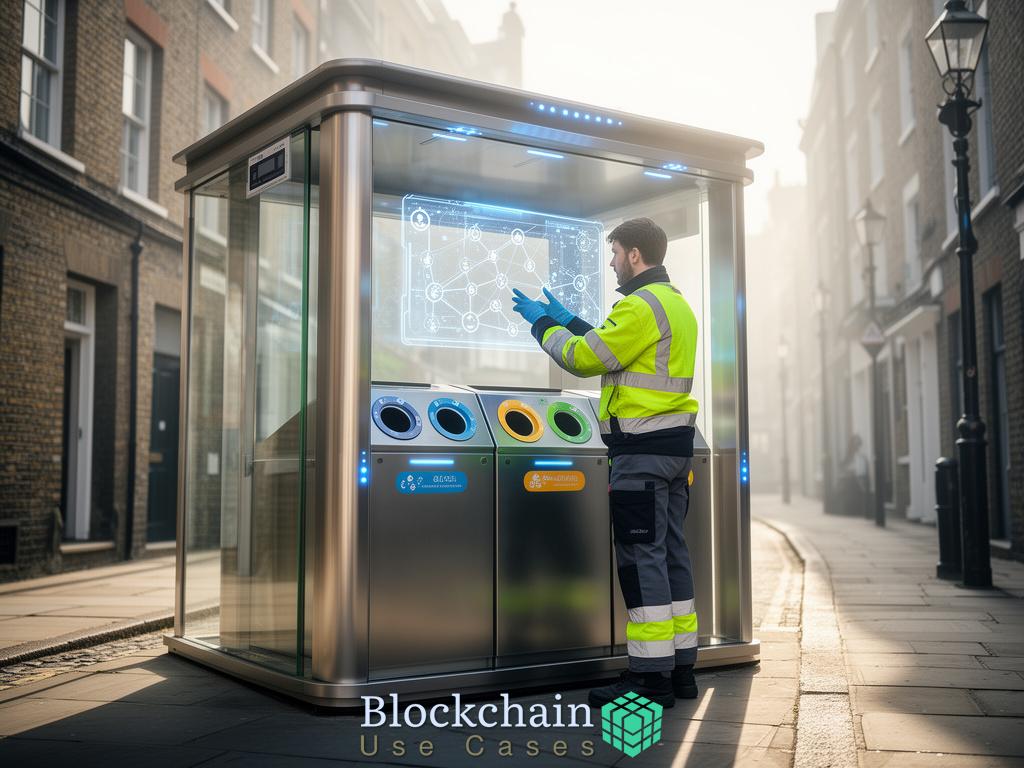
For municipalities and private operators, these smart contracts can be applied to manage everything from collection schedules and payment verification to recycling incentives issued to citizens. As a result, these automated systems not only improve efficiency but also encourage accountability across the waste management chain.
Transparency and Incentives through Blockchain Integration
Transparency has long been a challenge in waste management. Where do the recyclables go? How much waste gets truly processed? Blockchain’s immutable ledger technology offers a definitive answer. Every transaction—from collection to final recycling—can be recorded, verified, and accessed by authorized stakeholders, eliminating data manipulation and uncertainty.
Beyond traceability, this digital integration motivates citizens and recyclers alike by providing token-based incentives. Participants in waste segregation and recycling programs can earn digital tokens redeemed for goods, services, or even utility discounts, creating a self-sustaining circular economy. Companies also benefit from traceable compliance records that facilitate environmental reporting and improve brand credibility.
Comparison: Blockchain vs. Traditional Waste Management
| Aspect | Traditional Systems | Blockchain-Integrated Systems |
|---|---|---|
| Data Transparency | Prone to data loss or manipulation | Immutable, verifiable records accessible to all parties |
| Payment and Reporting | Manual verification, delays common | Automated through smart contracts |
| Citizen Engagement | Limited incentive mechanisms | Tokenized incentives encourage participation |
| Operational Efficiency | Dependent on human coordination | Automated and streamlined processes |
Below are essential implementation aspects that organizations should evaluate before adopting a blockchain-based waste management framework:
- Assess digital infrastructure readiness and compatibility with IoT-based sensors.
- Develop customized smart contract protocols aligned with local waste policies.
- Initiate pilot projects to test traceability and reward systems.
- Consider cyber and data protection compliance frameworks.
- Partner with blockchain developers experienced in sustainability tech.
Shaping the Next Era of Urban Sustainability
By combining blockchain technology with smart contracts, cities can move beyond outdated waste systems toward transparent, efficient, and citizen-driven recycling programs. The transformation not only reduces environmental risks but also creates new economic models that reward sustainability. Blockchain’s integration ultimately empowers consumers, improves regulatory oversight, and supports cleaner, smarter urban communities for future generations.
Smart Contract Mechanisms for Automated Recycling Rewards
As urban centers transition toward smarter and more sustainable infrastructures, automation has emerged as the defining tool in reshaping waste collection and recycling models. Smart contracts, operating within blockchain ecosystems, have become vital in creating fairness, transparency, and real-time responsiveness in reward-driven recycling systems. These digital contracts not only streamline waste management but also reimagine civic participation through automatic recognition and compensation for environmentally responsible actions. The capability to identify, verify, and reward each participant through data-driven and tamper-resistant mechanisms has accelerated the transformation of recycling economies across multiple sectors.
Algorithmic Trust and Real-Time Reward Distribution
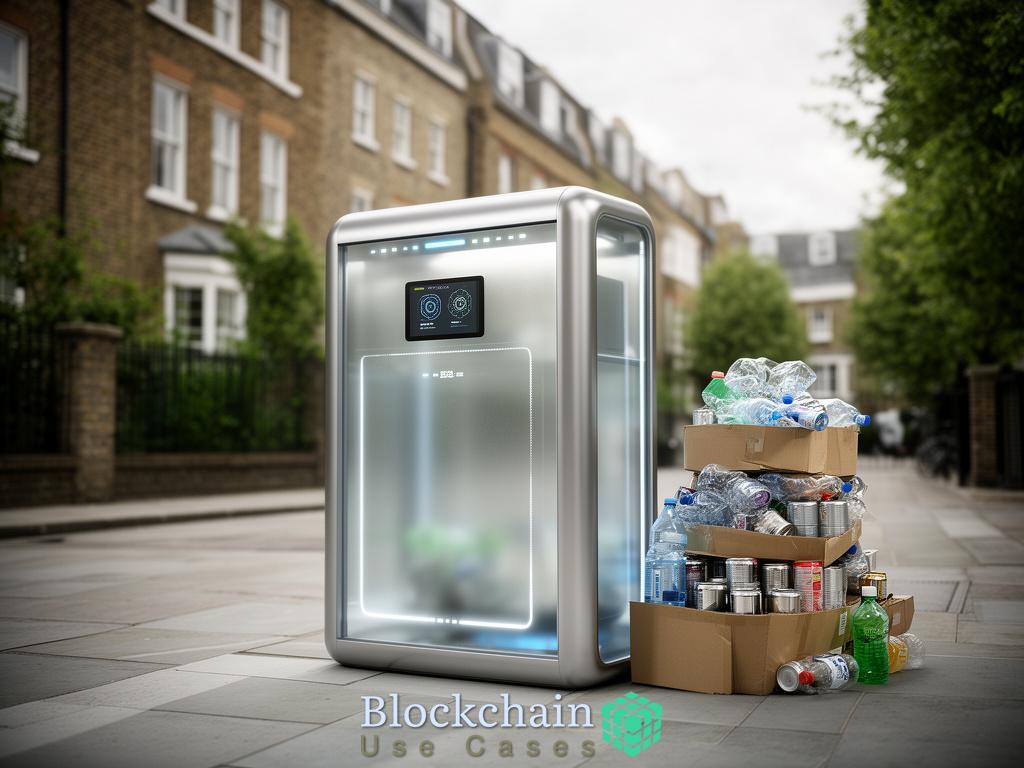
In traditional systems, tracking recyclables and rewarding contributors relied heavily on manual verification and administrative approval. Smart contracts eliminate these inefficiencies by establishing algorithmic trust. Once waste is deposited, intelligent sensors and IoT-enabled bins feed live data into a blockchain network that instantly validates the activity. Upon confirmation, the smart contract automatically triggers a transaction—issuing tokens, credits, or discounts directly to the participant’s digital wallet. This instant, error-free reward allocation eliminates the delays and discrepancies that once undermined recycling enthusiasm. It ensures that rewards are granted consistently, motivating individuals, businesses, and communities to partake in measurable sustainability initiatives without depending on intermediaries.
Furthermore, data privacy and authenticity are reinforced through encrypted verification layers built into blockchain protocols. Each recycling event is recorded as a permanent entry in the distributed ledger, protecting against manipulation and data loss. From start-ups managing local circular economies to global corporations implementing environmental accountability frameworks, this mechanism transforms sustainability from a voluntary effort into a quantifiable economic exchange.
Tokenization and Behavioral Incentive Modeling
The integration of token-based incentives has revolutionized how cities engage citizens in waste management cycles. In this model, every act of proper waste segregation or recycling is translated into measurable digital value. These tokens, stored within blockchain-secured digital wallets, can be exchanged for tangible benefits—ranging from public transport credits and utility bill reductions to eco-brand partnerships and carbon offset contributions. Beyond rewards, token metrics empower local governments to evaluate environmental performance through data analytics, allowing customized initiatives that target underperforming sectors.
More importantly, smart contracts play a pivotal role in defining behavioral incentive modeling. Rewards can be dynamically adjusted based on waste categories, recycling frequency, or geographic factors. For instance, participants who consistently recycle electronic components or hazardous materials may receive higher incentives compared to standard recycling activities. The automated logic embedded within smart contracts ensures objective distribution of these variations, creating a transparent and equitable reward ecosystem. As cities face growing pressure to meet sustainability goals, this approach not only promotes circular resource utilization but also strengthens public trust in government-led green policies.
Ultimately, the fusion of blockchain technology and smart contract automation marks a turning point in global waste management strategies. By merging trustless technology with everyday recycling practices, communities can experience an unprecedented level of engagement, transparency, and efficiency—laying the groundwork for a cleaner, smarter, and more participatory urban future.
Data Transparency and Traceability in Waste Processing
As global waste generation continues to accelerate, cities and waste management corporations are striving for full visibility across their recycling and disposal operations. The integration of blockchain-backed smart contract systems is transforming this vision into a measurable, data-driven reality. Through immutable digital records and automated validation mechanisms, waste processing can now be traced from its collection point to its final recycling destination, reducing inefficiencies, fraud, and environmental impact. This advancement represents a critical shift toward a transparent, accountable, and community-engaged circular economy.
Revolutionizing Waste Tracking through Decentralized Ledgers
Blockchain’s distributed ledger system enables each transaction and process within the waste management chain to be securely documented and shared across authorized participants. Unlike traditional systems where data is siloed or susceptible to manipulation, blockchain ensures every waste movement, transformation, and recycling operation is permanently recorded. Smart contracts further enhance reliability by automatically logging key actions—such as verification of waste drop-offs, recycling completion, or contamination incidents—in real time. This multi-layered verification approach establishes digital trust among governments, private operators, and citizens.
Incorporating IoT-enabled devices like RFID tags and sensor-equipped bins amplifies traceability even further. Each piece of data collected is linked to a unique digital signature, encrypted, and timestamped within the blockchain. This guarantees not only the authenticity of recycling records but also enables regulators to perform audits or compliance checks without depending solely on manual reports. The result is a highly visible ecosystem where data transparency drives policy decisions and operational precision.
Empowering Stakeholders through Verifiable Data Flows
Transparent data systems bring substantial value to both environmental governance and public confidence. By leveraging blockchain and smart contracts, stakeholders can trace every stage of waste treatment with complete accuracy—from collection and sorting to final material recovery. This technological synergy enables local administrations to establish verified sustainability metrics while offering citizens real-time feedback on community recycling performance.
The data integrity achieved through blockchain integration assures that reported figures reflect actual operations, not projections. For enterprises involved in the supply and recycling chain, this transparency mitigates disputes, enables predictive analytics, and optimizes logistics routes. The ability to trace sources of non-compliance or contamination also supports swift corrective measures, protecting ecosystems and promoting accountability where it matters most.
Moreover, consumers are increasingly demanding brands and municipalities to disclose their environmental impact. Transparent, traceable waste management systems powered by blockchain meet this demand by providing proof of ethical and sustainable practices. This visibility fosters stronger partnerships between governments, private entities, and eco-conscious citizens who seek meaningful participation in sustainability initiatives.
Key Drivers Enhancing Data Transparency and Traceability
For cities and organizations implementing blockchain-integrated waste solutions, several technological and administrative components play a crucial role in ensuring robust traceability systems.
- Smart Contract Automation: Enforces rules for data validation, ensuring event authenticity before records are permanently added to the blockchain.
- IoT Sensor Networks: Provides real-time waste activity data, enabling instant tracking of collection, sorting, and transportation processes.
- Immutable Audit Trails: Prevents unauthorized alterations to waste processing data, offering reliable historical insight for compliance audits.
- Stakeholder Access Frameworks: Facilitates secure data sharing among regulators, private operators, and citizens without compromising privacy.
- Performance Analytics Dashboards: Transforms traceable data into actionable insights for better waste management strategies and sustainability reporting.
Through these interconnected components, data transparency ceases to be a passive concept and becomes an operational standard—one that nurtures accountability, sustainability, and innovation. The continued enhancement of blockchain-based waste traceability will not only revolutionize public service delivery but also redefine how societies measure their environmental commitments in the digital age.
Stakeholder Collaboration through Decentralized Platforms
As urban waste management systems embrace digital transformation, collaboration among stakeholders has become the defining factor for achieving sustainable progress. The fusion of blockchain technology and smart contract automation is not only revolutionizing data integrity and operational efficiency but also reshaping how municipalities, private sectors, and citizens interact within circular economy ecosystems. In this new paradigm, decentralized platforms act as unified infrastructures—bridging previously disconnected actors to create a synchronized, transparent, and reward-driven recycling network.
Decentralized Synergy: Building Trust Beyond Traditional Boundaries
Conventional waste management models have long relied on fragmented communication channels that often led to inefficiency and mistrust. Through decentralized blockchain platforms, this outdated structure is being replaced by a consensus-driven network that ensures fair representation and traceable accountability. Smart contracts embedded within these systems automatically validate collection, sorting, and recycling tasks, instantly notifying all stakeholders about progress milestones or incentive distributions. As a result, real-time coordination becomes possible across multiple entities, from city administrators and waste collectors to environmental agencies and recyclers.
By removing intermediaries and reducing manual verification, decentralized collaboration strengthens data authenticity and operational integrity. This not only minimizes human error but also creates a robust environment for multi-party cooperation. For example, NGOs focused on sustainability can now directly track recycling statistics, while regulators gain verified insights into compliance performance. Equally important, citizens benefit from transparent updates on their contributions through user-friendly dashboards that display token earnings and environmental impact metrics. This inclusivity fosters a sense of shared ownership, transforming waste management from a bureaucratic obligation into a collective sustainability mission.
Unified Data Frameworks and Shared Value Ecosystems
What sets decentralized platforms apart is their ability to unify data flows across independent systems while still maintaining privacy and security. Every transaction—from waste collection confirmation to tokenized reward release—is recorded on the blockchain and accessible only to authorized participants. Through this distributed ledger, information asymmetry is eliminated, establishing equal access to verified environmental data. This transparency enables regulators, businesses, and researchers to make evidence-based decisions that directly influence policy development and operational strategies.
Furthermore, smart contract-enabled ecosystems redefine how value circulates within waste management networks. Each participant, whether a corporate contributor or an individual recycler, gains measurable economic and environmental returns for their actions. Companies that utilize recycled materials or contribute to waste reduction programs can receive automated carbon credits or brand recognition benefits governed through these digital agreements. Meanwhile, individuals participating in segregation initiatives receive tokenized rewards instantly, reinforcing participation through verifiable impact reporting.
The resulting synergy is not merely operational—it is fundamentally transformative. Decentralized collaboration fosters cross-sector partnerships that encourage innovation and long-term investment in sustainable technologies. Municipalities leveraging these systems experience measurable reductions in administrative costs and environmental discrepancies, while communities gain confidence through traceable and transparent processes. Ultimately, decentralized platforms powered by smart contracts embody the next phase of waste management evolution—one where trust, transparency, and technology converge to drive a cleaner, more efficient, and equitable global recycling future.