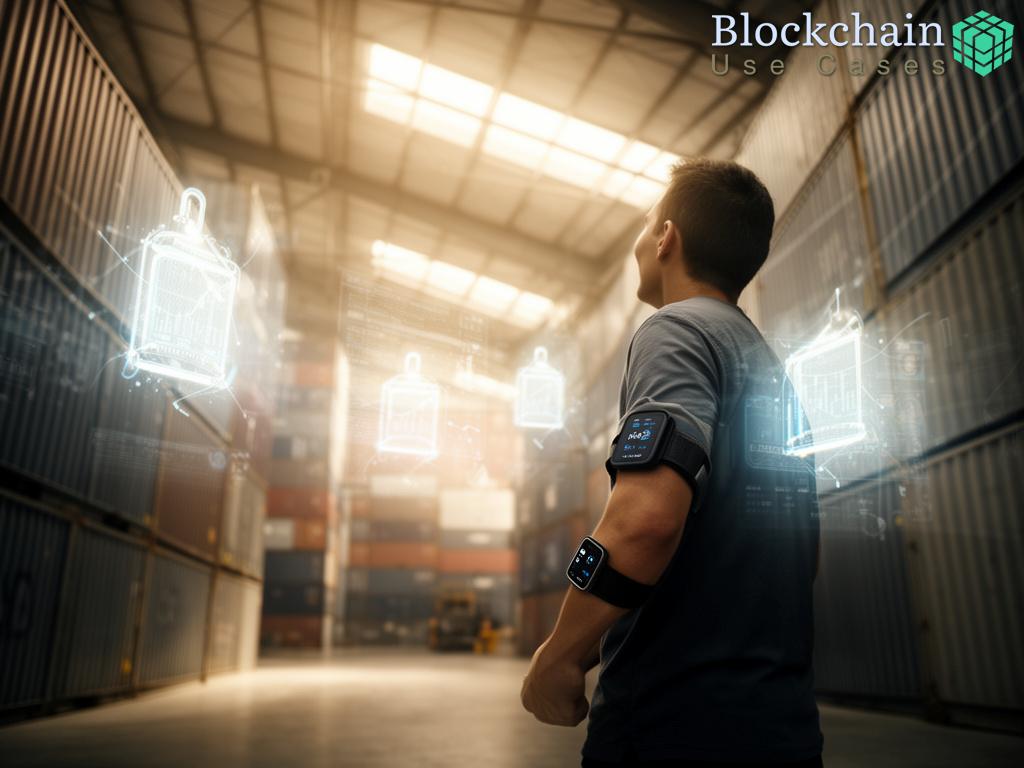

The Evolution of Tokenization in Supply Chain Management
The global supply chain industry is undergoing a monumental transformation through the integration of tokenization — a process redefining how assets, information, and value flow between stakeholders. As logistics networks grow increasingly complex, businesses are turning to blockchain-based token systems to enhance transparency, traceability, and trust. These digital representations of real-world assets promise to unlock efficiency while reducing friction in global trade operations.
From Paper-Based Trade to Tokenized Transparency
Traditionally, supply chain management relied on an intricate web of paperwork, intermediaries, and manual verifications. With the advent of blockchain and tokenization, these traditional systems are being reimagined into digital ecosystems where authenticity, speed, and accountability reign supreme. Each asset or shipment can be represented by a digital token that carries immutable details about its production, origin, and logistics journey.
Tokenization’s greatest appeal lies in its capacity to synchronize disparate systems under a unified framework. The traceability of goods—from raw material sourcing to end delivery—can now be validated in real-time. This shift is fostering new forms of supply chain collaboration, where data integrity is no longer just a goal but an integrated feature.
New Business Models in Tokenized Logistics
The implementation of tokenized frameworks is paving the way for value-added logistics models that emphasize data-driven decision-making and distributed ownership. Companies are experimenting with hybrid models, combining decentralized finance (DeFi) principles with logistics operations to create token-driven marketplaces for freight, warehousing, and inventory management. These models are not merely about efficiency—they’re also about enabling more equitable participation in global supply networks.
Below is a comparison table demonstrating how tokenization modifies certain operational dynamics:
| Aspect | Traditional Supply Chain | Tokenized Supply Chain |
|---|---|---|
| Data Transparency | Fragmented and delayed verification | Unified, real-time verification via blockchain |
| Asset Management | Physical documents and proprietary databases | Digital tokens with immutable records |
| Operational Efficiency | Prone to manual errors and disputes | Automated transactions with smart contracts |
| Access to Finance | Limited to central institutions | Decentralized liquidity through token-backed assets |
To illustrate the scope of innovation, the following list highlights key advantages driving tokenized transformation across supply chain ecosystems:
- Enhanced Visibility: Every token contains auditable information, improving oversight of logistics and inventory flow.
- Reduced Counterparty Risk: Smart contracts ensure transaction terms are fulfilled before execution.
- Improved Liquidity: Tokenized assets can be fractionally owned or traded, optimizing financing structures.
- Regulatory Traceability: Built-in compliance layers enable efficient auditing and reporting.
- Collaborative Ecosystems: Decentralized platforms foster stronger partnerships by promoting fair data sharing.
The Road Ahead for Tokenized Value Networks
The evolution of tokenization is reshaping how enterprises perceive logistics not as a back-end function, but as a value creation hub. Governments and standardization bodies are now developing frameworks to ensure that tokenized systems adhere to global trade regulations. As interoperability becomes standardized, tokenized supply chains may soon emerge as the backbone of future trade—where every participant, from producer to consumer, can seamlessly verify the authenticity and journey of goods.
In essence, tokenization promises a shift towards smarter, fairer, and highly connected supply networks. The next frontier of logistics lies in harnessing this technology to create scalable, transparent systems that generate sustainable value across the entire supply chain spectrum.
Integrating Blockchain for Transparency and Efficiency
As global commerce accelerates into a new era of digital transformation, blockchain integration stands at the core of tokenized supply chains, redefining operational transparency and process efficiency across logistics ecosystems. Businesses striving for resilience and responsiveness are realizing that data immutability and verifiable trust are no longer optional — they are essential competitive differentiators. Through blockchain integration, organizations can ensure that every supply chain participant accesses a single, tamper-proof source of truth, bridging previous gaps created by fragmented databases and manual verifications.

Building Trust Through Immutable Data Frameworks
The shift toward decentralized logistics depends on blockchain’s capability to establish verifiable trust among stakeholders that traditionally operated in isolation. By embedding tokenized identities and smart contracts into each stage of the supply chain, companies can automate compliance checks, monitor goods in real time, and anticipate potential disruptions before they escalate into costly inefficiencies. This transparent ledger not only reinforces accountability but also enhances brand integrity by allowing end consumers to authenticate the origin, handling, and sustainability metrics of their purchases.
Transparency within blockchain-enabled supply chains also fosters stronger regulatory alignment. Governments and international trade bodies can trace asset flows with unprecedented accuracy, ensuring that ethical sourcing standards and trade regulations are upheld. For enterprises, this means fewer disputes, reduced document management costs, and significantly improved risk mitigation strategies. The fusion of blockchain with logistics tokens transforms conventional auditing from a retrospective activity into a continuous and predictive process.
Efficiency Through Automation and Real-Time Synchronization
Efficiency in modern supply networks now depends on the ability to act swiftly with data-backed precision. Through blockchain-enabled smart contracts, tokenized supply chains minimize the need for intermediaries by self-executing agreements once predefined conditions are met. Payments, shipment releases, and compliance confirmations happen automatically, creating a synchronized flow where human oversight focuses on strategic decision-making rather than operational validation. These blockchain instruments are rewriting the rules of logistics efficiency, providing scalability across cross-border networks and complex trade ecosystems.
Consider the impact on trade settlements and financial accessibility. Using tokenized digital assets linked to physical goods, businesses are now able to unlock liquidity faster by offering fractional ownership of goods in transit or inventory being held. This evolution is creating new niches of micro-investment and dynamic financing across supply chain corridors that were once inaccessible to smaller players. The results are more inclusive, agile, and resilient trade environments where all participants — from producers to distributors — share quantifiable benefits through verifiable blockchain reporting frameworks.
| Factor | Before Blockchain Integration | After Tokenized Blockchain Integration |
|---|---|---|
| Information Flow | Disjointed and paper-reliant | Unified and auditable digital pathways |
| Transaction Speed | Slow approvals with manual bottlenecks | Automated execution via smart contracts |
| Supply Visibility | Limited real-time tracking | Transparent monitoring across all nodes |
| Operational Costs | High due to third-party validations | Lowered through decentralized verification |
Ultimately, the integration of blockchain into tokenized supply chain services does more than digitize logistics — it democratizes them. By creating a dynamic web of verified, data-rich interactions, companies gain not only a more responsive infrastructure but also the potential to foster new business models centered on transparency, efficiency, and shared value creation. The resulting market landscape empowers stakeholders to make informed, ethical, and data-driven decisions, laying the groundwork for the next generation of global trade infrastructure.
Value-Added Logistics Through Digital Asset Models
As digital transformation reshapes the global trade arena, tokenized supply chain services are establishing an entirely new paradigm for creating and capturing value. Beyond operational efficiency, tokenization enables logistics ecosystems to derive revenue from data interoperability, digital asset liquidity, and transparent stakeholder participation. Companies are recognizing that value-added logistics is no longer confined to physical movement—it extends to the exchange and management of digital assets representing ownership, sustainability credentials, and financial leverage across interconnected supply chains.
Redefining Logistics Operations Through Tokenized Value
The emergence of digital asset models introduces unprecedented versatility to supply chain ecosystems. Each token operates as a verifiable representation of physical goods, granting companies the ability to monetize supply chain components such as transport capacity, storage availability, and sustainability metrics. This token-centric framework transforms traditional logistics players into digital asset managers—facilitating new layers of value creation through data-driven services and automated financial instruments.
Unlike conventional systems that treat logistics processes as cost centers, tokenized models transform them into strategic assets capable of generating recurring income. Through fractional token ownership, businesses and investors can co-own shipments or commodities in transit, enabling diversified risk management and liquidity injection across the value chain. Such dynamic capability not only improves financial inclusion but also fosters collaborative ecosystems where transparency and trust anchor every transaction.
Smart Contract Automation and Service Differentiation
Smart contracts form the operational foundation of tokenized logistics by embedding automation and accountability into every transaction layer. These digital agreements autonomously enforce terms once stipulated conditions are met—ensuring a seamless, error-resistant exchange among suppliers, carriers, and financiers. For logistics providers, this allows the integration of premium services such as predictive delivery schedules, real-time insurance adjustments, and carbon footprint validation directly within tokenized frameworks.
Through service differentiation powered by blockchain intelligence, logistics enterprises can establish competitive advantages by offering traceable sustainability metrics or automated compliance validation. This shift positions value-added logistics not merely as a support mechanism but as a primary driver of brand credibility and customer trust.
| Category | Conventional Logistics | Tokenized Logistics |
|---|---|---|
| Revenue Streams | Primarily from service fees | Diversified income through token-based assets |
| Transparency | Dependent on intermediaries | Immutable and publicly verifiable |
| Speed of Transactions | Manual confirmation and delayed settlements | Instantaneous smart contract execution |
| Strategic Leverage | Limited flexibility in asset management | Dynamic asset utilization through token liquidity |
Emerging Market Mechanisms for Tokenized Optimization
As logistics networks evolve into digitally transferable value ecosystems, new market mechanisms are surfacing to optimize operations and democratize participation. Decentralized finance (DeFi) layers integrated with supply chain tokens enable asset-backed liquidity pools, allowing small and medium enterprises (SMEs) to access capital traditionally reserved for large industry players. Moreover, these digital models facilitate real-time participation in freight auctions and carbon credit exchanges, where logistics efficiency directly translates into measurable economic gain.
Industry analysts predict that such tokenized optimization will not only accelerate the transition toward circular economies but also redefine performance indicators across entire value networks. The capacity to convert logistics data into financial instruments introduces a new dimension of monetization where visibility, speed, and accountability become essential commodities in their own right.
Key Benefits of Value-Added Logistics Through Digital Asset Models:
- Dynamic Liquidity Access: Instant capital mobilization through tokenized goods and services.
- Data-Driven Monetization: Leveraging operational data to create value-based logistics assets.
- Enhanced Sustainability Compliance: Transparent tracking of carbon metrics for responsible sourcing.
- Collaborative Innovation: Cross-party participation enabled by decentralized platforms.
- Predictive Integration: Real-time analytics embedded within tokenized processes for proactive decision-making.
In summary, the incorporation of digital asset models into logistics marks the beginning of an intelligent, transparent, and collaborative era where physical and digital supply chains converge. Businesses embracing this evolution will not only achieve operational agility but will also cultivate entirely new dimensions of value creation—shaping the future of global trade ecosystems toward resilience, inclusion, and sustainability.
Regulatory and Security Considerations in Tokenized Supply Chains
The rapid expansion of tokenized supply chains brings profound opportunities—but also multidimensional challenges that intersect with regulation, security, and ethical responsibility. As blockchain-integrated logistics systems mature, governments, industry bodies, and enterprises must converge on clear policies and robust frameworks to ensure trust, compliance, and resilience. The global dialogue has now shifted from proof-of-concept discussions to questions surrounding digital asset governance, data protection, and systemic risk assurance in tokenized logistics environments.
Building a Compliant Framework for Tokenized Trade
The fusion of physical trade and digital tokens introduces complex jurisdictional dynamics. Since tokenized supply chain assets often cross borders—both digitally and physically—there is an increasing need for harmonized global regulation. Authorities are examining how tokenized assets should be classified: are they digital securities, commodities, or unique categories of trade tokens?
Regulatory clarity is fundamental to enabling enterprise adoption. Tokenized ecosystems must embed compliance mechanisms within their protocols, mapping every digital transaction to relevant legal frameworks such as customs documentation laws, anti-money laundering (AML) standards, and data protection acts. The rise of regulatory technology (RegTech) solutions tailored to blockchain networks offers strategic tools for real-time compliance validation, reducing administrative complexity and fostering greater transparency throughout global trade corridors.
| Aspect | Traditional Compliance | Tokenized Compliance |
|---|---|---|
| Documentation Verification | Manual paperwork and audits | Automated validation through smart contracts |
| Regulatory Reporting | Periodic and retrospective | Continuous and real-time data transmission |
| Asset Classification | Fixed based on jurisdiction | Dynamic based on token metadata |
| Risk Management | Dependent on third-party assessments | Integrated verification through decentralized consensus |
Such hybrid frameworks pave the way for an auditable and legally recognized structure where regulators, enterprises, and consumers can co-exist transparently. This balance of innovation and control forms the cornerstone of the next-generation supply chain governance model.
Securing Tokenized Infrastructures Against Digital Threats
As logistics operations evolve into data-rich digital ecosystems, the importance of cybersecurity magnifies exponentially. Tokenized supply chains, powered by blockchain, promise immutability—but no digital system is immune to vulnerabilities, especially at points where external data interfaces with decentralized networks. Security, therefore, must be engineered as a foundational principle rather than an incremental feature.
Organizations must address potential threats including data breaches, false token issuance, identity spoofing, and smart contract manipulation. Enterprise-grade encryption, zero-trust authentication mechanisms, and continuous threat analytics become mandatory to sustain confidence in tokenized operations. Furthermore, multi-signature verification models add layers of accountability, ensuring no single participant can unilaterally alter or compromise transaction records.
Beyond technical safeguards, governance models play a central role in ensuring security continuity. Decentralized Autonomous Organizations (DAOs) and consortium-driven oversight bodies can implement shared policies and instant response frameworks to mitigate risks. By leveraging blockchain’s traceability capabilities, incident identification and resolution become faster and more precise, transforming reactive cybersecurity practices into predictive resilience models.
Core Pillars of Tokenized Supply Chain Security:
- Decentralized Authentication: Strengthened identity layers prevent unauthorized access and data tampering.
- Encrypted Data Streams: Real-time encryption preserves the confidentiality of cross-border trade information.
- Smart Contract Auditing: Continuous inspection prevents logic-based exploitation of automated agreements.
- Adaptive Risk Intelligence: AI-driven analytics monitor anomalies across distributed nodes.
- Consortium Governance: Shared accountability ensures compliance and rapid incident management.
Collectively, these strategies transform tokenized supply chains into fortified digital ecosystems where transparency coexists with protection, enabling the creation of resilient, regulatory-aligned value networks.
Toward a Unified Ethical and Secure Token Economy
The fusion of compliance and security dynamics ultimately defines the success of tokenized supply chain services. Achieving regulatory harmony while safeguarding operational integrity is not merely a technological aspiration—it is a strategic imperative. Governments and enterprises that collaboratively define ethical standards and secure architecture frameworks will lead the next decade of digital trade transformation. Through such synergy, the tokenized supply chain will evolve into an ecosystem where innovation thrives under the shield of verified trust—building a future in which every asset, transaction, and stakeholder operates within a transparent, secure, and compliant digital framework.
Future Opportunities and Strategic Implementations
The next decade of global trade will be shaped by how effectively organizations adapt to the merging frontiers of blockchain, tokenization, and artificial intelligence in supply chain ecosystems. As regulatory and digital infrastructures mature, tokenized supply chain services are expected to transcend their current innovation phase and become the fundamental architecture of international commerce. The strategic synthesis of data interoperability, decentralized governance, and ESG-driven transparency will unlock unprecedented opportunities for enterprises ready to embrace digital transformation at scale.
Strategic Expansion Through Interoperable Ecosystems
The foremost opportunity for tokenized logistics lies in achieving seamless interoperability between digital and physical value networks. Cross-chain communication frameworks will allow tokenized assets, such as digitized bills of lading or contract tokens, to transfer freely across multiple blockchain platforms without losing their provenance or compliance data. This capability will accelerate multi-party collaborations by bridging the silos between suppliers, financial institutions, insurers, and regulators. Emerging interoperability standards are positioning themselves as the backbone for future global logistics systems, enabling enterprises to connect, transact, and innovate with unmatched fluidity.
To illustrate the shift in value potential, the following table compares the strategic scalability metrics between conventional and interoperable tokenized supply chains:
| Element | Traditional Networks | Interoperable Tokenized Ecosystems |
|---|---|---|
| Data Exchange | Isolated proprietary databases | Cross-network smart synchronization |
| Operational Reach | Limited to regional collaborations | Global trade integration in real time |
| Regulatory Alignment | Manual compliance procedures | Built-in global protocol adherence |
| Innovation Velocity | Dependent on centralized IT systems | Accelerated through composable blockchain layers |
Within such interoperable frameworks, organizations can integrate decentralized finance (DeFi) mechanisms, smart logistics contracts, and predictive analytics into a singular operational layer. This multi-dimensional integration not only reduces cost and latency but fundamentally transforms how international supply networks scale, secure financing, and respond to disruption. The ultimate goal is to create an adaptive logistics grid where data, capital, and goods flow simultaneously under verified digital governance.
Next-Generation Strategies for Sustainable and Data-Driven Value Creation
The strategic roadmap for tokenized supply chains extends beyond automation—it centers on building resilient, transparent, and sustainable global operations. As the world shifts toward circular manufacturing and net-zero compliance, enterprises will increasingly tokenize sustainability credentials, allowing traceable verification of carbon efficiency across every supply chain node. By embedding environmental scoring within digital tokens, businesses will gain actionable insights into how their trade activities align with global green standards while simultaneously unlocking access to sustainability-linked financing instruments.
This evolution introduces a transformative model where data no longer acts as a byproduct of operations but becomes a tradable asset of strategic significance. Tokenized datasets related to product lifecycle, supply routes, or emission performance can be securely exchanged among certified partners to enhance decision-making and improve global accountability. Through this process, enterprises establish competitive advantage by aligning market agility with verifiable ESG integrity—a critical determinant for global investment in the coming years.
Strategic implementations will also focus on AI-enhanced orchestration of decentralized supply chain services. Predictive algorithms trained on tokenized data repositories can autonomously manage contract execution, demand forecasting, and risk mitigation with precision accuracy. This synergy between blockchain and artificial intelligence will enable self-regulating logistics systems capable of dynamically adjusting their operations in response to geopolitical, climatic, or market-driven disruptions. Organizations that strategically embed these technologies into their logistic frameworks will emerge as the central nodes of a new digital trade paradigm—one defined by transparency, resilience, and value creation.
As tokenized ecosystems mature, collaboration between the public and private sectors will be crucial in defining governance standards and economic models that balance innovation with compliance. The enterprises that succeed in this next phase will be those that treat tokenization not simply as a technological enhancement but as an integral strategic resource—a digital infrastructure upon which adaptive, sustainable, and inclusive value networks are built.