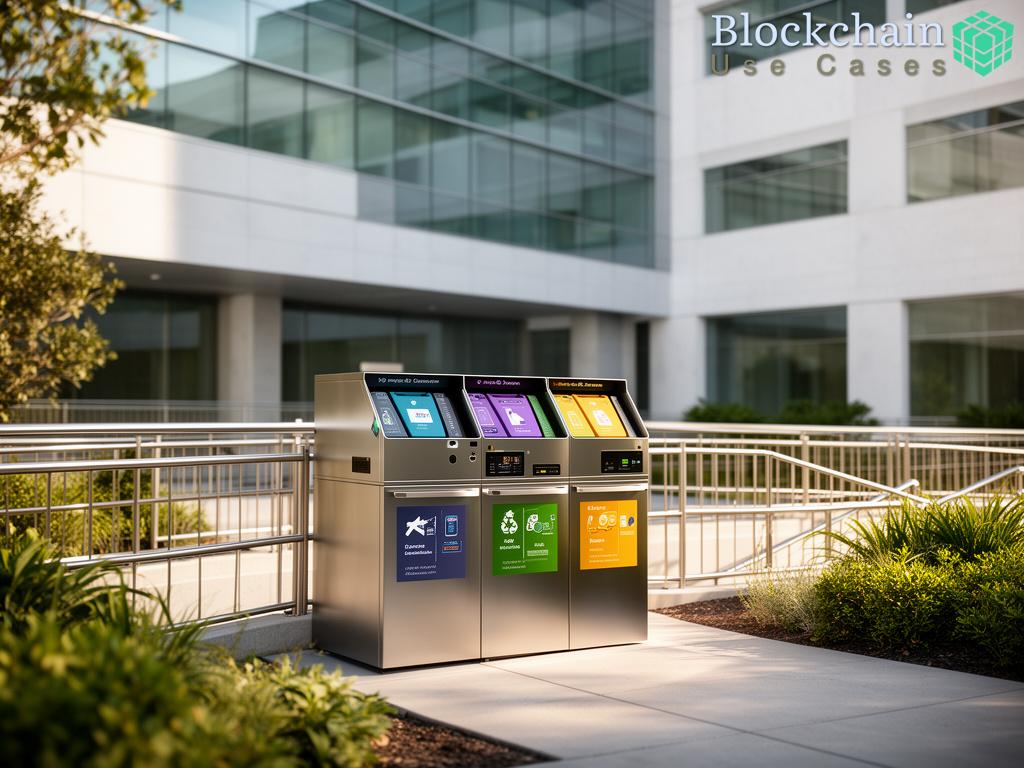

Blockchain-Driven Efficiency in Healthcare Scheduling
The healthcare industry is continuously seeking innovative technologies to resolve inefficiencies, reduce administrative costs, and improve patient experience. Among these emerging technologies, blockchain-based smart contracts are proving to be pivotal in revolutionizing healthcare appointment scheduling systems. By ensuring transparency, automation, and security, blockchain platforms are transforming the way patients book, modify, and receive reminders for their healthcare visits.

Traditional healthcare scheduling systems often suffer from issues such as double-booking, delayed confirmations, and administrative overload. The utilization of blockchain technology introduces a decentralized and automated alternative, powered by smart contracts, to streamline these processes. Smart contracts automatically execute defined tasks once certain conditions are met, such as verifying patient identity or provider availability.
This mechanism not only eliminates manual intervention but also enhances trust among patients and healthcare providers. Because of blockchain’s immutable nature, every transaction or appointment detail is securely recorded, reducing the risk of tampering or human error.
| Aspect | Traditional Scheduling | Blockchain-Based Scheduling |
|---|---|---|
| Data Management | Centralized and prone to breaches | Decentralized and securely encrypted |
| Administrative Effort | High manual intervention | Automated via smart contracts |
| Appointment Verification | Dependent on administrative approval | Automatically validated by blockchain protocol |
| Audit Trail | Limited transparency | Immutable, fully traceable record |
Beyond automation, blockchain-based systems introduce advanced reminder functionalities that utilize predefined conditions and secure notifications. Patients can receive real-time updates regarding appointment confirmations, available time slots, or upcoming consultations without compromising their sensitive information. These reminders are triggered automatically through smart contract protocols, minimizing the risk of missed or forgotten appointments.
Implementing such automated reminders ensures that patient engagement rises significantly. It also aids healthcare providers in managing their time efficiently, reducing costs related to no-shows and rescheduling.
To better understand the operational and patient-centric advantages, consider the following notable benefits of integrating smart contracts into healthcare scheduling platforms:
Key Advantages of Smart Contract Integration
- Enhanced Data Security: Patient data is encrypted and stored on a distributed ledger, making unauthorized access extremely difficult.
- Operational Efficiency: The decentralized model shortens administrative cycles and enhances appointment handling speed.
- Transparency and Trust: Every transaction or change is recorded permanently, ensuring accountability.
- Cost Optimization: Reducing manual workload leads to significant savings for hospitals and clinics.
- Improved Patient Satisfaction: Automated, secure, and user-friendly systems promote better healthcare service experiences.
In sum, integrating blockchain into healthcare scheduling and reminders represents a major leap toward a smarter and more trustworthy healthcare ecosystem. As global healthcare providers move toward digitization, blockchain-backed smart contracts can serve as an essential foundation for future-ready systems—combining security, efficiency, and transparency in one solution.
Smart Contract Automation for Patient Appointment Management
The shift toward automated healthcare scheduling systems has unleashed a new wave of operational transformation in hospitals and clinics worldwide. At the heart of this transformation lies smart contract automation, a technology redefining how patients, healthcare providers, and administrative teams interact. By embedding business logic directly into decentralized code, smart contracts are reshaping the fundamentals of appointment management, enabling frictionless, transparent, and secure communication between all parties.
One of the key advantages of integrating smart contracts into healthcare scheduling systems is the automation of critical booking and confirmation processes. Once a patient initiates a request for an appointment, the smart contract automatically triggers a series of validations—confirming provider availability, verifying insurance coverage, and updating the appointment ledger. This seamless automation minimizes the chances of human error, reduces administrative delays, and ensures that both patients and providers benefit from instant and accurate confirmations.
Blockchain-backed automation also guarantees that every interaction or amendment made to a booking is logged within an immutable chain. This enhanced traceability not only facilitates better governance but also enhances accountability across the healthcare ecosystem. Hospitals adopting this system are noticing a significant improvement in coordination, as the need for manual reconciliation or repeated data entry virtually disappears.
Modern healthcare demands flexibility—and smart contract frameworks are meeting this challenge with dynamic scheduling capabilities. These intelligent contracts can interpret patterns of cancellations, identify optimal rescheduling options, and even synchronize with healthcare provider calendars in real-time. For example, if a patient cancels a consultation at short notice, the contract can instantly notify another patient on the waiting list who may wish to claim that slot. This adaptive approach leverages automation and data intelligence to maximize time utilization while maintaining patient-centered efficiency.
Furthermore, predictive analytics integrated within blockchain systems can forecast peak scheduling periods, empowering healthcare institutions to allocate resources more effectively. This enhances not only operational scalability but also fosters a proactive approach to patient management.
To better illustrate how automation drives value across healthcare scheduling, the following points summarize the primary strategic benefits of deploying smart contract-driven appointment management solutions:
- Autonomous Protocol Execution: Smart contracts self-execute tasks like appointment approvals and cancellations without requiring administrative oversight.
- Error Minimization: Automation eliminates discrepancies commonly seen in manual booking processes.
- Real-Time Synchronization: Patients receive immediate feedback on appointment status, enhancing user trust and experience.
- Reduced Operational Bottlenecks: Automated systems free staff from repetitive scheduling duties, allowing focus on core healthcare services.
- Improved Compliance and Security: The cryptographic and audit-ready nature of blockchain ensures full adherence to medical data protection regulations.
In today’s data-driven healthcare environment, automated patient appointment management through smart contracts stands as a key enabler of both efficiency and patient empowerment. The continuous evolution of decentralized technologies is paving the way for smarter healthcare ecosystems—where time, trust, and transparency operate in perfect harmony.
Data Security and Privacy Enhancements through Decentralization
As healthcare institutions advance toward digital transformation, one of their greatest challenges remains ensuring the security and privacy of patient information. Electronic health records, scheduling data, and communication channels are often susceptible to cyberattacks, data leaks, or unauthorized manipulation within centralized systems. Blockchain-enabled smart contract platforms are addressing these vulnerabilities head-on, introducing a decentralized infrastructure that not only optimizes operational efficiency but also establishes a far more resilient defense against digital threats. This paradigm shift goes beyond convenience—it represents a fundamental rethinking of how trust and security are managed in healthcare scheduling.
Unlike traditional systems where data is stored in centralized databases vulnerable to single points of failure, decentralized blockchain architecture distributes information across multiple encrypted nodes. Each transaction—whether booking, modification, or cancellation—is recorded as an immutable entry, ensuring tamper-proof traceability. In this structure, even if one node is compromised, the network maintains integrity, preventing total system breaches. Additionally, smart contracts reinforce this protection by controlling data access through predefined permissions, ensuring that only authenticated entities such as verified healthcare providers or patients can modify or retrieve sensitive information. The decentralized setup not only secures patient records but restores confidence in digital healthcare interactions.
Moreover, encryption integrated with blockchain consensus mechanisms ensures that no single authority holds unilateral control over patient data. This eliminates the risk of exploitation or unauthorized internal access often observed in conventional systems. Every data interaction is cryptographically signed, providing undeniable proof of authenticity. As a result, healthcare institutions adopting blockchain-based scheduling are experiencing a reduction in compliance risks while achieving alignment with stringent data protection regulations like GDPR and HIPAA.
Privacy has become a cornerstone of modern healthcare systems, and smart contract-enabled decentralization empowers patients to maintain ownership of their personal information. In conventional medical scheduling platforms, users often relinquish control once they provide their data. In contrast, decentralized healthcare ecosystems enable patients to grant and revoke data access as needed. This patient-centric model enforces the principle of self-sovereign identity, allowing users to decide who views, shares, or processes their information within the network.
The transparency of blockchain operates alongside sophisticated privacy preservation techniques such as zero-knowledge proofs and off-chain storage. These methods balance accountability with confidentiality—ensuring that data remains verifiable without revealing underlying personal details. Healthcare administrators gain visibility into operational activities through traceable audit logs, while patient data stays encrypted and anonymized. Consequently, the system achieves a dual objective: transparency for verification and privacy for protection.
Beyond mere compliance, decentralized smart contract scheduling promotes a new culture of data empowerment and ethical information management. By mitigating reliance on third-party intermediaries, healthcare organizations minimize vulnerabilities and reduce costs associated with data security infrastructure. As blockchain adoption grows, healthcare scheduling platforms are steadily evolving into trustless ecosystems—where automation, privacy, and reliability converge to form the backbone of a secure digital future.
Integrating Smart Contracts with Healthcare Information Systems
As healthcare organizations move towards enhanced digital interoperability, integrating smart contracts with existing Healthcare Information Systems (HIS) presents a transformative leap in efficiency and reliability. This integration redefines how clinical, administrative, and patient data synchronize in real time, creating a seamless pathway between appointment scheduling, medical records, billing, and care coordination. The adoption of blockchain-compatible smart contracts ensures that every interaction—whether an appointment booking, verification, or medical update—is authenticated, secure, and traceable.
One of the critical advantages of embedding smart contracts into HIS frameworks is their ability to foster real-time interoperability between disparate healthcare systems. Traditional healthcare platforms often operate in silos, complicating data exchange and resulting in delayed care coordination. Through blockchain-enabled smart contracts, these barriers are dismantled by establishing a standardized, decentralized infrastructure where data flows automatically and securely across departments and external providers. When a patient confirms an appointment through a smart contract, the update dynamically reflects in all connected systems—such as Electronic Health Records (EHRs), lab scheduling modules, and insurer verification platforms—without requiring manual input.
This synchronized ecosystem does more than just automate administrative interactions; it eliminates duplicate record entries, reduces latency in decision-making, and strengthens the continuity of care. The trustless verification mechanism built into the blockchain ensures that each data transaction meets compliance requirements before being recorded, thereby maintaining data integrity and traceability at every stage. As healthcare operations continue to expand across digital networks, this capability becomes indispensable for maintaining security while achieving operational transparency.
The synergy between smart contracts and healthcare information systems extends beyond automation—it empowers clinical intelligence. By integrating rule-based smart contracts with predictive analytics engines, healthcare institutions can create adaptive scheduling protocols that anticipate patient needs and resource constraints. For example, if a specific department experiences high patient demand, the smart contract can interact directly with the HIS to recommend optimal schedule adjustments or reroute appointments to available specialists. This predictive adaptability, driven by decentralized data, substantially optimizes patient throughput and enhances care quality.
Moreover, smart contracts contribute to superior decision support mechanisms by automating compliance validation and triggering instant alerts in cases of data anomalies. This continually evolving algorithmic interaction between decentralized protocols and HIS ensures system-wide consistency and resilience. Healthcare professionals benefit from actionable insights, while patients gain from efficiency and transparency—all supported by an architecture built on trust and automation. Such integration not only revolutionizes operational workflow but also drives a data-driven culture where accountability and security co-exist harmoniously.
As the integration of smart contracts matures, scalability and regulatory compliance remain paramount. Healthcare organizations must ensure that decentralized contract executions comply with existing standards such as HIPAA and GDPR. Blockchain interoperability modules designed to align with these frameworks allow the secure transmission of identifiable patient information across systems without breaching privacy boundaries. Each smart contract is designed with embedded compliance rules, ensuring that privacy and access permissions are automatically enforced according to jurisdictional guidelines. This not only minimizes legal exposure but also standardizes secure operations in an increasingly connected healthcare landscape.
Looking forward, the fusion of blockchain-based smart contracts with HIS frameworks represents a milestone in digital healthcare transformation. It creates an interlinked environment where scheduling efficiency, patient empowerment, and data resilience converge. The future of healthcare scheduling—and indeed, healthcare management at large—lies in such intelligent integrations that unite automation, security, and collaboration as fundamental pillars of operational excellence.
Future Prospects and Ethical Considerations in Automated Scheduling
The integration of smart contracts into healthcare scheduling represents a defining step toward a fully automated and transparent system. However, as technology reshapes patient interactions and operational frameworks, it is critical to look beyond technical achievement and consider the implications that accompany automation. The future promises adaptability, precision, and unprecedented accessibility, yet it also calls for a cautious and ethically aware approach to digital transformation. The coming era of healthcare automation will be guided not just by efficiency, but by trust, inclusivity, and human oversight.
The future of healthcare scheduling lies in the enhanced intelligence of autonomous smart contracts that will evolve through interaction with real-time data. With advances in AI-powered blockchain systems, appointment management will transcend mere automation and become dynamic, intuitive, and predictive. The technology will not only verify and confirm schedules but also anticipate patient needs based on historical patterns, treatment frequency, and health metrics integrated from wearable devices. This predictive functionality will allow hospitals to create patient-specific schedules that improve care accessibility and reduce administrative strain.
Moreover, as telemedicine expands globally, decentralized scheduling systems are expected to support cross-border healthcare coordination. Smart contracts can operate on interoperable blockchains that align international standards, enabling seamless data exchange between institutions in different regions. This global adaptability holds the potential to revolutionize service delivery, especially for patients in remote areas. Yet, as automated scheduling becomes more intelligent and expansive, data governance and equitable access must evolve in parallel to maintain fairness and transparency.
With automation taking a central role in healthcare coordination, ethical vigilance becomes indispensable. The delegation of decision-making to self-executing contracts raises critical questions of accountability and informed consent. In a digital environment where algorithms may determine availability and prioritization, maintaining human oversight ensures that empathy and discretion remain integral to care delivery. Healthcare institutions will need to design frameworks where automated decisions can be reviewed, overridden, or audited without compromising the integrity of the blockchain.
Privacy remains another cornerstone of ethical concern. While blockchain enhances security through decentralization, emerging models must guarantee that patient data is used solely within the scope of legitimate care provision. Balancing algorithmic transparency with the confidentiality of sensitive medical data will be essential to uphold ethical standards. Furthermore, as predictive scheduling relies heavily on analytics, avoiding bias in algorithmic decision-making will require active interventions such as diverse dataset training and regular ethical audits.
Looking ahead, the legitimacy of smart contract-based scheduling will depend heavily on maintaining patient confidence. The success of these systems is not only technical but cultural; patients must trust the automation that manages their health engagements. Building such trust will require the healthcare ecosystem to embrace explainable automation—a model where every digital action can be understood, verified, and attributed. Ethical transparency, rather than algorithmic opacity, will set the tone for patient–provider relationships in blockchain-driven environments.
Ultimately, the evolution of automated scheduling systems will usher in a healthcare paradigm that merges efficiency, accountability, and ethical stewardship. The challenge for policy-makers, developers, and providers will be to ensure that technological advancements remain guided by moral responsibility and social good. The fusion of innovation with ethics will define the next chapter of digital healthcare transformation—one where automation enhances human agency rather than replacing it.