
Blockchain Mechanisms for Secure Remote Voting Systems
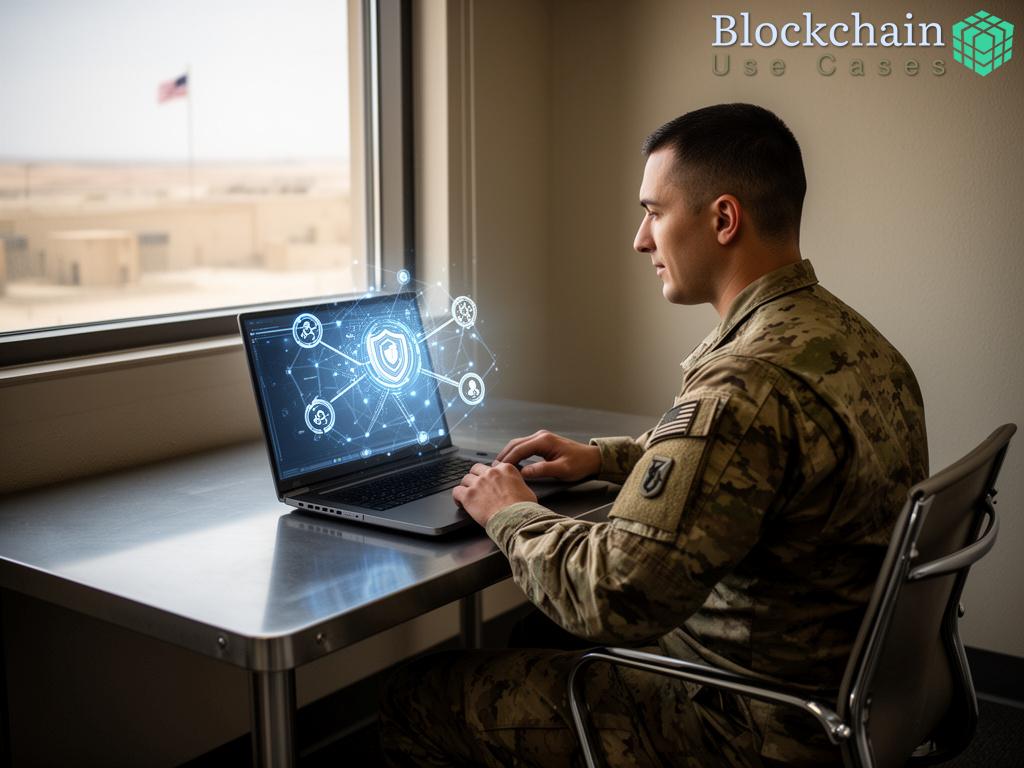
As global communication networks advance, the need for secure and verifiable remote voting solutions has become increasingly significant, particularly for military personnel stationed abroad. Blockchain, known for its transparent and tamper-evident structure, is now at the forefront of redesigning how remote elections can be conducted safely and efficiently. The convergence of distributed ledger technology and electoral systems promises to strengthen trust and elevate the democratic rights of service members worldwide.

At the heart of blockchain’s promise lies decentralization — an architecture that eliminates single points of failure. By distributing voting data across numerous nodes, the risk of unauthorized manipulation decreases drastically. This model ensures that every vote remains immutable once recorded, thus enhancing overall confidence in the electoral process for citizens and defense personnel alike.
Furthermore, every participant in a blockchain-based voting network can audit the transactions independently. This heightened transparency not only safeguards the authenticity of results but also promotes accountability throughout the voting cycle, from registration to final tallying.
| Security Aspect | Traditional Voting Systems | Blockchain-Based Systems |
|---|---|---|
| Data Integrity | Relies on centralized databases prone to breaches | Ensured by distributed ledger with cryptographic validation |
| Voter Verification | Manual verification processes | Digital identity authentication through cryptographic keys |
| Transparency | Limited public oversight | Open verification and auditability for authorized entities |
Beyond decentralization, smart contracts form a crucial element of blockchain-based voting. These self-executing agreements automatically validate and count votes under strictly defined conditions. By embedding electoral rules into code, the system reduces human error and potential interference during vote tallying. This mechanized trust model transforms how election integrity is managed, especially across geographically scattered military units.
Additionally, smart contracts streamline the reconciliation of voter lists and improve data consistency across all jurisdictions involved. The transparency offered by these digital contracts enhances compliance with voting regulations and ensures a seamless audit trail accessible to authorized observers.
Below is a concise outline highlighting blockchain’s unique benefits in secure remote voting systems:
- Enhanced Data Security: Every entry is encrypted and chained, rendering fraudulent modifications virtually impossible.
- Transparent Auditability: Vote transactions are visible to approved observers without exposing voter identities.
- Real-Time Verification: Blockchain allows instant confirmation of vote submission and receipt, reducing delays in result compilation.
- Operational Resilience: The distributed model continues functioning even if one node fails, ensuring uninterrupted service for voters worldwide.
Implementing blockchain in remote voting for military personnel is more than a technological milestone; it signifies a paradigm shift in global democratic participation. With continuous improvements in encryption, scalability, and identity verification, blockchain-based systems could redefine how nations manage elections in the digital era. As governments and defense institutions pilot such initiatives, the focus must remain on balancing security, usability, and verifiability to uphold the highest standards of electoral integrity.
In the near future, blockchain’s transparent, decentralized infrastructure could make remote voting not only more secure but also more inclusive — ensuring every voice counts, no matter how far from home it is cast.
Data Integrity and Transparency in Military Voting Processes
The evolution of secure digital systems has significantly reshaped how military personnel across the globe can exercise their fundamental right to vote. As deployment and mission schedules often separate service members from their home jurisdictions, ensuring data integrity and transparency in remote voting becomes a mission-critical concern. Blockchain technology, with its immutable ledgers and cryptographic validation methods, stands as a transformative solution in addressing these challenges — enabling verifiable, tamper-proof, and transparent electoral participation for defenders of democracy.
Data integrity is the foundation upon which trust in any election is built, and this principle holds even greater weight in military voting processes. Blockchain ensures that once a vote is cast, it becomes a permanent and unalterable record. Each entry is secured through cryptographic hashing, linking every transaction to its predecessor in a chronological chain. This linkage prevents retroactive alterations and immediately reveals any form of manipulation attempt. For military institutions that prioritize operational security, such a feature eliminates doubt and preserves the authenticity of the electoral record, regardless of geographical or network conditions.
Furthermore, blockchain’s distributed network ensures that no single authority wields exclusive control over the voting database. Each participating node maintains a synchronized copy of the ledger, providing continuous validation. This mechanism guarantees consistency across the network, allowing military auditors and oversight bodies to verify the same immutable data uniformly, without dependence on local intermediaries or central servers susceptible to compromise.
In traditional remote voting systems, transparency often conflicts with voter confidentiality—a balancing act particularly sensitive in military contexts. Blockchain resolves this through cryptographic pseudonymization, ensuring every vote is verifiable but not directly traceable to an individual. Auditors can confirm vote legitimacy and transaction order without revealing a voter’s identity. This technology-driven transparency fortifies confidence in the tallying process and builds a resilient chain of accountability among electoral authorities.
Additionally, military commands benefit from real-time visibility into system performance. Any irregular network behavior, delayed transactions, or suspicious data patterns can be quickly detected and addressed, minimizing disruption during critical voting windows. This heightened transparency not only strengthens institutional trust but also empowers military voters to confirm the receipt and inclusion of their ballots through secure verification mechanisms.
Key Features That Uphold Data Integrity and Transparency:
- Immutable Record Verification: Once cast, votes cannot be altered or deleted, securing electoral data from tampering.
- Cryptographic Assurance: Each transaction is encoded and validated through consensus mechanisms resistant to external manipulation.
- Distributed Oversight: Multiple network nodes cross-verify all recorded votes, eliminating central vulnerabilities.
- Transparency with Privacy: Authorized observers can audit results without compromising voter secrecy.
- Continuous Traceability: Every ledger update contributes to an unbroken audit trail, ensuring long-term verifiability.
Ultimately, blockchain redefines how governments safeguard democratic participation for service members stationed away from home. By ensuring data integrity and transparency, blockchain not only strengthens public trust but also supports the principle that no deployment should prevent anyone from contributing to their nation’s democratic process. As nations move closer to secure, borderless electoral ecosystems, blockchain’s precision and reliability stand as pillars supporting the next generation of military voting systems.
Authentication and Identity Verification through Blockchain
Ensuring voter authenticity has long been a challenge in remote electoral systems, particularly within military contexts where personnel are dispersed across multiple time zones, secure locations, and communication protocols. Blockchain, beyond its capacity for immutable record keeping, introduces advanced mechanisms that revolutionize how voter authentication and identity verification are managed. This transformation not only minimizes electoral fraud but also fortifies trust in digital democracy for service members worldwide.
Traditional remote voting mechanisms often rely on centralized databases to authenticate voters, creating potential vulnerabilities that could be exploited through unauthorized access or data breaches. Blockchain addresses this through the concept of decentralized identity management, where users maintain control over their own digital credentials. These identifiers, secured through cryptographic keys, are verified across a distributed ledger without ever disclosing sensitive personal details.
For military personnel, this model ensures a fortified balance between security and privacy. Each voter can register and validate their identity via blockchain-enabled identity tokens issued by trusted governmental or defense authorities. The process eliminates the need for multiple verification intermediaries, reducing both latency and exposure risks. Moreover, smart contract integrations can automatically cross-check eligibility conditions—such as deployment status or jurisdictional affiliation—ensuring only authorized personnel access the ballot system.
Blockchain’s design inherently supports a layered authentication structure, crucial for maintaining defense-grade security across voting networks. Every voter’s interaction, from registration to ballot submission, undergoes cryptographic validation through private-public key pairs. These keys, embedded within blockchain tokens, authenticate the user’s session while maintaining operational anonymity.
Beyond individual key verification, blockchain enables continuous revalidation throughout the voting process. Any attempt at replication or misuse of credentials triggers immediate network alerts and consensus-based rejection of affected transactions. This decentralized verification ensures that even in high-security environments with limited connectivity, votes remain verifiable and tamper-resistant.
The following list outlines the key layers of blockchain-enhanced identity authentication in remote military voting systems:
- Cryptographic Verification: Voter identities are secured using robust public-key cryptography, preventing falsification or duplication of credentials.
- Decentralized Identity Tokens: Unique, verifiable identifiers stored on blockchain networks eliminate reliance on central databases.
- Smart Contract Validation: Automated eligibility verification ensures compliance with election and defense protocols.
- Continuous Network Consensus: Each vote is authenticated by multiple nodes, ensuring integrity throughout the process.
One of the most profound advantages of using blockchain for identity verification lies in its ability to separate authentication from attribution. While the system validates that a registered and authorized voter has participated, it provides no traceable link to how that individual voted. This design principle upholds absolute voter anonymity without jeopardizing legitimacy or transparency—a particularly sensitive balance for those serving in defense environments where operational discretion is paramount.
As defense agencies continue exploring blockchain-integrated voting systems, attention is shifting toward interoperability and scalability. The integration of biometric validation, zero-knowledge proofs, and next-generation encryption standards promises to further strengthen this ecosystem. Over time, blockchain-based identity verification could well become the global benchmark for secure and trustworthy remote elections, ensuring that every military voter’s voice is authenticated, preserved, and counted with unwavering precision.
Challenges and Limitations of Blockchain-Based Voting
While blockchain stands at the frontier of secure digital transformation in military remote voting systems, its adoption does not come without hurdles. The integration of decentralized technologies into national and defense-driven election infrastructures introduces complex operational, legal, and technical challenges. Although the technology promises integrity, transparency, and immutability, the practical realities of implementing such systems at scale demand careful consideration and sustained innovation. The balance between security assurance and technological feasibility remains a defining factor in blockchain’s readiness for global electoral deployment.
The deployment of blockchain-based voting within military environments faces significant technical limitations. Ensuring consistent connectivity and node synchronization across geographically dispersed military zones can be difficult, especially in missions that rely on restricted or low-bandwidth communication networks. Unlike conventional electoral systems, blockchain requires continuous consensus among nodes to maintain ledger integrity. Interruptions or delays in these communications can hinder real-time validation processes, potentially affecting voter experience and confidence. Furthermore, scalability remains a persistent challenge. Public blockchains, though secure, often exhibit limited transaction throughput, which may lead to latency or network congestion during peak voting periods. Military organizations must therefore invest in hybrid models or permissioned blockchains that optimize both speed and confidentiality. However, maintaining these infrastructures at defense-grade standards requires extensive cybersecurity oversight, energy resources, and specialized expertise—not always feasible within austere or rapidly changing operational conditions.
Another critical challenge revolves around system integration and interoperability. Blockchain networks designed for military voting must communicate seamlessly with existing defense IT architectures and national electoral frameworks. Without established standards or unified protocols, integrating these systems could introduce security vulnerabilities or data inconsistencies. Thus, while the technology itself enhances resilience, its implementation demands multi-level coordination between government, military, and technological stakeholders to ensure reliability across all phases of the electoral cycle.
Beyond technology, the regulatory and ethical dimensions of blockchain-based voting represent equally pressing obstacles. Traditional election laws often lack provisions for decentralized and cryptographic voting systems, creating legal ambiguities concerning data jurisdiction and vote verification. For military personnel stationed abroad, questions about cross-border data sovereignty and compliance with both defense and civilian election authorities further complicate deployment. Establishing globally recognized standards for blockchain election audits, voter data protection, and cryptographic key management is crucial to prevent disputes and maintain legitimacy.
From an ethical and social standpoint, voter accessibility and user confidence are as important as cryptographic security. Many military voters may not possess advanced technical knowledge required to interact with blockchain-based interfaces, increasing the risk of user error or operational confusion. Ensuring intuitive, multilingual, and accessible platforms is vital to maintaining inclusivity. Additionally, concerns surrounding voter anonymity and surveillance persist despite pseudonymization mechanisms. Military personnel, operating under command structures, must trust that their votes are confidential and insulated from institutional oversight, making user trust just as essential as system resilience.
The path forward involves harmonizing digital innovation with practical defense realities. Governments and defense agencies must recognize that blockchain is not a universal solution but a pivotal component within a larger voting security framework. Ongoing research in zero-knowledge proofs, quantum-safe encryption, and off-chain scaling solutions is expected to mitigate some of blockchain’s structural inefficiencies while improving voter privacy. Pilot programs conducted under controlled conditions can serve as critical testbeds for refining performance and evaluating long-term sustainability. Ultimately, the effective use of blockchain in remote military voting will depend on the ability to balance technological sophistication with operational simplicity, ensuring that every service member, regardless of location, can vote with confidence in both the system’s strength and the sanctity of their voice.
Future Prospects for Blockchain Adoption in Military Elections
As secure digital transformation accelerates, defense institutions worldwide are increasingly exploring blockchain as a foundation for reliable, transparent, and tamper-proof voting mechanisms. The future of military elections lies in the ability to integrate this technology efficiently across diverse operational environments while ensuring privacy, scalability, and resilience against cyber interference. The transition from pilot programs to widespread adoption signifies more than technological progress—it reflects a commitment to reinforcing democratic values under all circumstances, even amid global deployments and conflict zones.
The vision for blockchain-enabled military voting systems extends far beyond experimental trials. In future implementations, defense agencies are expected to deploy permissioned, interoperable blockchains capable of connecting multiple command structures and allied nations. These systems would allow uniform authentication standards, cross-border vote verification, and secure cryptographic synchronization between jurisdictions. Such scalability would ensure every service member, regardless of deployment status, can securely cast a verifiable ballot in real time.
Emerging technologies like quantum-resistant encryption and zero-knowledge proofs will further expand blockchain’s feasibility in defense contexts. These enhancements would strengthen end-to-end encryption while safeguarding anonymity, a crucial aspect for personnel operating in classified environments. Integration with biometric validation and AI-driven anomaly detection could offer continuous oversight—alerting electoral administrators to any irregularities without exposing private voter information. Ultimately, blockchain’s scalability will depend not only on computational power but also on policy alignment among defense and civil institutions to institutionalize shared protocols.
The journey toward full-scale adoption of blockchain voting solutions within military frameworks depends heavily on interoperability across existing defense systems and legislative environments. Future readiness will require redefining national election standards, ensuring that military-grade blockchain infrastructures align with domestic electoral commissions and international legal frameworks. This collaboration is essential to guarantee transparency, legitimacy, and long-term sustainability.
To achieve this, military technology agencies are projected to adopt hybrid governance models combining centralized oversight with decentralized verification. Such an approach provides governments with policy control without undermining the core transparency of blockchain records. Furthermore, alliances between allied defense forces may establish standardized audit frameworks to ensure cohesive integrity across multinational deployments.
Below is a concise outline of emerging directions shaping the future of blockchain in military elections:
- Next-Generation Consensus Mechanisms: Transitioning from energy-intensive models to efficient algorithms that support defense network constraints.
- Biometric and Cryptographic Fusion: Leveraging multimodal authentication methods to reinforce identity confidence while preserving voter privacy.
- AI-Driven Threat Monitoring: Employing machine learning models to predict, detect, and neutralize fraudulent behavior in real time.
- Policy Integration and International Standards: Developing unified frameworks for data sovereignty, validation, and election oversight among allied nations.
- Cyber Resilience and Infrastructure Sovereignty: Enhancing network independence through blockchain nodes operated within secure military data centers.
The evolution of blockchain within military voting systems signals not only a technological breakthrough but a redefinition of democratic assurance in defense operations. As global defense organizations increasingly invest in secure digital ecosystems, blockchain stands to become the cornerstone of next-generation electoral integrity. Future implementations will likely combine decentralized architectures, AI-assisted verification, and immutable records to create an electoral process resilient to interference and censorship.
Over the next decade, as pilot programs mature and legal ecosystems adapt, blockchain’s integration into military elections could transform how governments conceptualize remote voting. Beyond improving logistics or transparency, this transformation embodies a deeper principle: ensuring that every soldier’s voice, no matter where they serve, is counted securely and accurately. In this future, the democratic foundation of nations will extend seamlessly into the battlefield—empowered by cryptographic trust and digital transparency.