
Enhancing Transparency in Reverse Logistics Through Blockchain
In an era where consumers expect swift returns, full visibility, and guaranteed product authenticity, electronics manufacturers face significant challenges in managing reverse logistics. The process, encompassing product returns, refurbishment, and recycling, demands accurate tracking and data integrity. Blockchain technology emerges as a transformative solution, enabling transparency and accountability throughout each phase of returned product management.

Reverse logistics involves intricate processes where multiple stakeholders such as retailers, logistics providers, refurbishing centers, and consumers share data. Traditional systems often rely on fragmented databases, creating inefficiencies and the potential for lost information or fraudulent claims. With blockchain’s decentralized ledger, each transaction—from product return initiation to final refurbishment—is permanently recorded, verifiable, and traceable. This eliminates discrepancies and fosters trust among supply chain partners.
A blockchain-enabled return system ensures that every device’s journey is fully visible. For instance, when a returned smartphone enters a refurbishment center, its digital record on the blockchain instantly updates with repair details and replacement parts, assuring customers and regulators of part authenticity and sustainability compliance.
Deploying blockchain in electronics reverse logistics is not just a technological upgrade—it’s a strategic shift toward greater operational integrity. Companies implementing blockchain-based systems have reported notable improvements in time efficiency, fraud detection, and waste reduction.
Below is a detailed comparison of how blockchain enhances each stage of product return management compared to traditional systems:
| Process | Traditional System | Blockchain System |
|---|---|---|
| Product Tracking | Manual or limited-system dependent | Immutable, real-time updates accessible to all stakeholders |
| Data Security | Centralized databases prone to tampering | Cryptographically secured distributed ledger |
| Transparency | Restricted visibility, often siloed | End-to-end transparency for all authorized parties |
| Audit and Compliance | Complex manual audits | Instant traceability and automated audit trails |
The integration of blockchain into return management systems involves adopting smart contracts and interoperable platforms that align with existing enterprise software. By automating triggers for shipping, inspection, or refurbishment through smart contracts, businesses minimize human error and achieve better synchronization across the network.
Blockchain’s potential extends beyond record-keeping—it redefines consumer trust and brand credibility. As environmental regulations tighten and circular economy models gain momentum, electronics brands can leverage blockchain to verify sustainable refurbishment practices and materials reuse.
To ensure a successful transition, companies should focus on a phased integration approach. Starting with pilot programs in high-volume return categories can demonstrate quick wins and build stakeholder confidence.
Key Steps for Effective Blockchain Adoption in Reverse Logistics:
- Evaluate strategic goals and compliance needs.
- Identify high-impact return and refurbishment processes for pilot programs.
- Collaborate with supply chain partners for shared data standards.
- Integrate smart contracts for automation and accountability.
- Continuously analyze system performance to optimize efficiency.
In conclusion, blockchain’s integration in reverse logistics signals a new era of supply chain transparency and responsibility. By linking authenticity, sustainability, and operational accuracy, the technology ensures that every return strengthens—not weakens—the value chain of electronics manufacturers.
Optimizing Product Authentication and Traceability
As global electronics brands strive to uphold integrity and consumer confidence, product authentication and traceability have become the backbone of effective reverse logistics. The rise of counterfeiting and unauthorized part substitutions challenges the trust that consumers place in refurbished devices. Blockchain technology, with its immutable and verifiable record system, provides a robust framework for assuring authenticity at every touchpoint of a product’s lifecycle—from its original manufacture to final resale.
In traditional supply networks, verifying product authenticity relies heavily on centralized databases that are vulnerable to manipulation and costly human errors. Blockchain transforms this scenario by establishing an unchangeable digital identity for every unit produced. Each product, upon creation, is assigned a unique cryptographic token that captures essential data such as component origin, assembly date, and firmware history. When the product enters the reverse logistics cycle, these records are instantly accessible to service teams and regulators, guaranteeing that all components used in refurbishment are genuine and compliant with industry standards.
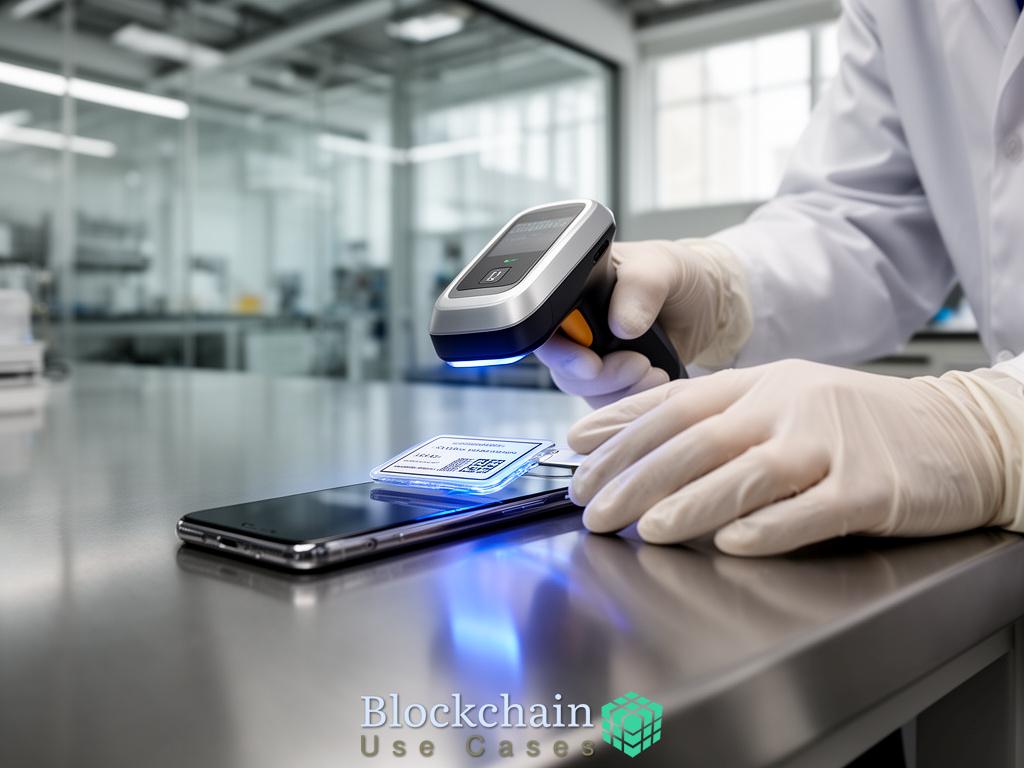
The application of blockchain ensures end-to-end traceability. When a customer initiates a return, the blockchain ledger automatically verifies the product’s serial data and matches it with the original entry. This process exposes counterfeit returns and prevents unauthorized replacements from entering the system. Moreover, integration with IoT-enabled sensors allows for real-time monitoring during transport or repair, enriching the data set with environmental conditions and handling records that further reinforce chain-of-custody integrity. Through this approach, electronics manufacturers reduce risk, enhance quality assurance, and maintain alignment with sustainability and compliance objectives.
In a marketplace fueled by rapid innovation and increasing consumer awareness, digital provenance is no longer a competitive advantage—it is a necessity. Blockchain introduces a transparent layer of provenance, allowing both end-users and business partners to verify that a refurbished product meets original quality and environmental commitments. Smart contracts serve as an automated verification mechanism. They trigger actions such as validating replacement parts, authorizing shipment to certified refurbishers, or approving final resale listings. This automation not only accelerates approval cycles but also eliminates the ambiguity and administrative burden typical of legacy systems.
By implementing blockchain-driven traceability, electronics brands gain the ability to showcase a verified sustainability record. When consumers scan a QR code on a refurbished device, they can instantly view the product’s full journey—from manufacture through return and refurbishment—promoting brand transparency and reinforcing responsible production practices. The result is a digitally trustworthy ecosystem where every participant, from suppliers to recyclers, benefits from data-driven accountability.
Ultimately, optimizing authentication and traceability with blockchain is not simply about protecting assets; it’s about redefining trust in a circular economy. The technology transforms each product’s story into a transparent digital record—one that assures authenticity, guarantees safety, and cultivates enduring loyalty in the electronics supply chain.
Streamlining Refurbishment Processes with Smart Contracts
As electronics supply chains evolve to meet the demands of speed, sustainability, and accountability, the refurbishment process has become a critical focal point for innovation. Smart contracts, powered by blockchain technology, are transforming how manufacturers, logistics providers, and refurbishers coordinate activities. By automating operational tasks and ensuring compliance through programmed logic, smart contracts facilitate a seamless and data-driven approach to managing refurbished products. This evolution not only enhances accuracy and efficiency but also strengthens trust throughout the reverse logistics network.
Traditional refurbishment processes often depend on manual verifications, paper-based procedures, and siloed data management. Each step—from product diagnostics to repair authorization—can introduce bottlenecks that delay turnaround times and increase operational costs. Smart contracts change this paradigm by enabling conditional automation. Once predetermined criteria are met, such as confirmation of product authenticity or verification of component availability, the smart contract automatically triggers subsequent actions. This ensures consistent protocol execution without human intervention, dramatically reducing delays and human error.
For example, when a returned laptop is flagged for refurbishment, a blockchain-based smart contract can initiate an automated workflow. It updates stakeholders with real-time repair status, dispatches replacement parts requests to certified suppliers, and confirms repair completion for quality testing—all securely recorded on the blockchain. This self-executing framework keeps every participant aligned, while immutable records guarantee full accountability throughout the process.
In electronics refurbishment, maintaining quality and compliance is as essential as controlling costs. Smart contracts enable standardized inspection and validation protocols, where each step of the refurbishment pipeline is verified against manufacturer-defined benchmarks. Any deviation detected by IoT-enabled diagnostic tools can automatically trigger notifications or halt operations until corrective actions are executed. This real-time coordination fosters a more resilient and compliant refurbishment ecosystem, ensuring refurbished devices meet or exceed quality expectations.
Beyond operational efficiency, smart contracts bring structural clarity to multi-party engagements. Each actor—be it a recycling partner, parts supplier, or fulfillment center—interacts through transparent, rule-based agreements encoded within the blockchain network. This trustless but verifiable framework eliminates ambiguity, reduces administrative burden, and encourages strategic partnerships grounded in data transparency.
Implementing smart contracts in refurbishment operations requires a balanced approach between technical integration and organizational alignment. Successful adoption depends on defining clear goals, ensuring interoperability with legacy systems, and preparing stakeholders for digital transformation. Below are key steps electronics manufacturers can take to streamline the integration of smart contracts in refurbishment systems.
Key Steps for Smart Contract Integration in Refurbishment Workflows:
- Define Refurbishment Protocols: Map existing workflows to identify which actions and data points can be automated using smart contracts.
- Develop Standardized Data Models: Ensure uniform data exchange formats across suppliers, service centers, and regulators.
- Integrate IoT and Diagnostic Systems: Connect repair tools and IoT sensors to blockchain for real-time performance validation.
- Test and Scale Gradually: Begin with pilot programs in high-return categories to evaluate benefits before full-scale deployment.
- Train Stakeholders: Educate employees, partners, and refurbishers on leveraging blockchain dashboards and automated workflows effectively.
By embedding smart contracts into refurbishment management, electronics brands can optimize turnaround efficiency, cut unnecessary costs, and ensure operational integrity. The technology creates a self-regulating digital ecosystem that not only accelerates refurbishment cycles but also elevates brand credibility through transparency and precision.
Improving Sustainability and Compliance in Return Operations
In an age where sustainability and regulatory compliance have become central to supply chain transformation, electronics manufacturers are under unprecedented pressure to ensure environmentally responsible return operations. Blockchain technology, already celebrated for its transparency and traceability, is now emerging as the driving force behind the creation of sustainable and compliant reverse logistics ecosystems. Through immutable data tracking and verifiable environmental reporting, blockchain empowers companies to align their return processes with both global sustainability standards and consumer expectations for ethical manufacturing.
Managing product returns in electronics is increasingly tied to a company’s environmental footprint. From e-waste reduction to energy-efficient refurbishment, every step contributes to corporate sustainability metrics. Blockchain offers a transparent, tamper-proof mechanism for documenting waste management, material recovery, and emissions tracking. This allows manufacturers to prove that returned products are handled in compliance with environmental directives such as the EU’s Waste Electrical and Electronic Equipment (WEEE) regulations or the Restriction of Hazardous Substances (RoHS) directives. By turning compliance data into an immutable digital ledger, blockchain minimizes reporting fraud and ensures that sustainability claims are backed by verifiable evidence.
For instance, when a returned circuit board is sent to a certified recycler, blockchain records its recycling process and material yield in real time. This not only guarantees ethical disposal but also supports the circular economy by enabling recovered materials to be authenticated before reuse. The result is a digital chain of custody that extends beyond logistics, providing organizations and regulators with instant insights into each product’s lifecycle impact. Blockchain ensures that sustainability audits transition from reactive tests to continuous, automated verifications embedded into operational flows.
Compliance in reverse logistics extends beyond environmental performance—it encompasses fair labor practices, safe handling procedures, and responsible resource utilization. Traditional compliance monitoring often relies on periodic manual audits, which are prone to oversight and inconsistencies. Through blockchain’s decentralized architecture, every compliance check—whether it concerns supplier certification, refurbisher accreditation, or waste treatment validation—is automatically logged and traceable. This immutable compliance documentation significantly reduces the administrative burden while elevating transparency across multiple jurisdictions.
A blockchain-enabled compliance model enhances both efficiency and credibility. For example, smart contracts can automatically validate whether a refurbishing partner adheres to safety and environmental guidelines before authorizing the shipment of components. This automated enforcement of rules eliminates subjective decision-making and ensures consistent adherence to international standards. In essence, blockchain transforms compliance from a static obligation into a dynamic, real-time assurance process that is both auditable and trustworthy.
| Aspect | Traditional Return Operations | Blockchain-Enabled Return Operations |
|---|---|---|
| Sustainability Tracking | Manual data collection and periodic audits | Continuous automated sustainability monitoring |
| Regulatory Compliance | Fragmented certification records | Unified digital proof of regulatory adherence |
| Waste Management | Limited traceability of recycling and disposal | End-to-end visibility and verified recycling documentation |
| Stakeholder Coordination | Dependent on siloed communication | Real-time synchronization via shared blockchain network |
Blockchain’s role in improving sustainable return operations is not limited to reporting—it actively shapes new business models grounded in circularity. By linking product data with environmental metrics, companies can quantify carbon savings, track component longevity, and optimize lifecycle design. These insights pave the way for data-driven sustainability optimization where every return adds measurable value to the ecosystem. For consumers, blockchain verification provides transparency into how their returned devices contribute to resource recovery and waste reduction. For regulators, it offers a reliable method for enforcing compliance without intrusive audits or redundant paperwork.
Ultimately, blockchain brings an unprecedented level of integrity to sustainability management in reverse logistics. By ensuring that environmental claims are supported by verifiable data and that compliance is perpetually monitored rather than intermittently audited, blockchain lays the groundwork for a more ethical, efficient, and resilient supply chain future. As electronics companies continue to reimagine the lifecycle of their products, blockchain stands at the intersection of technological innovation, environmental responsibility, and corporate accountability—transforming return operations into a catalyst for genuine sustainable progress.