Secure Patient Data Integration through Blockchain
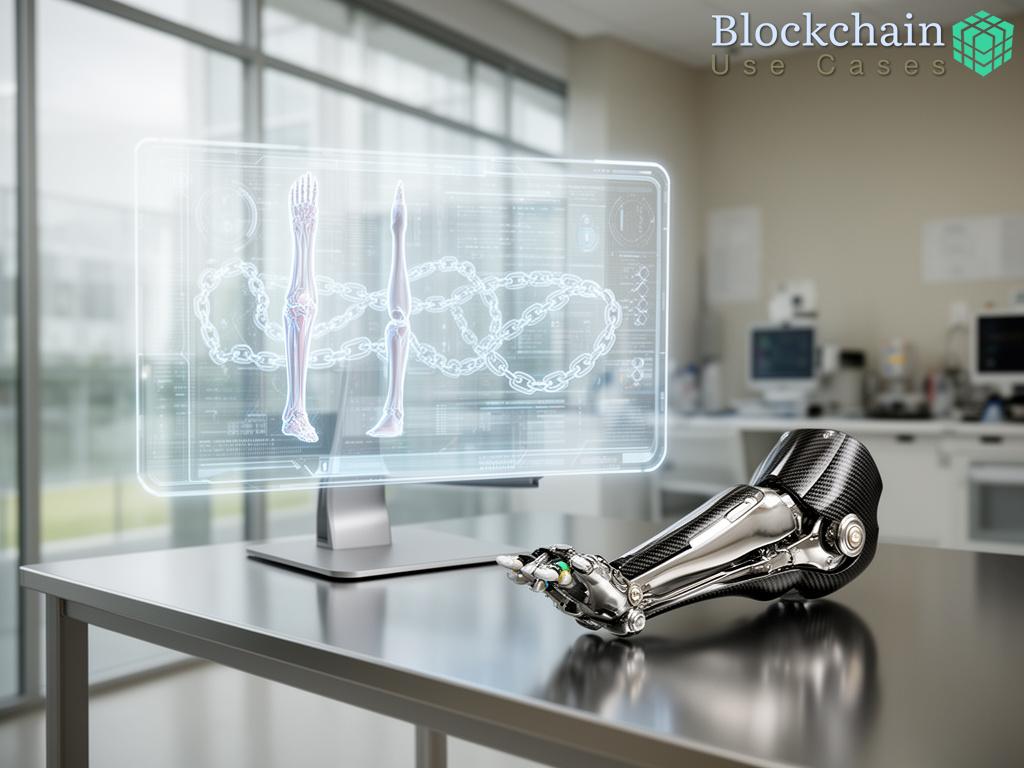
As healthcare continues its digital transformation, the intersection of blockchain technology and prosthetics and orthotics (P&O) data management is emerging as a critical innovation. The integration of blockchain not only reinforces data security but also enhances interoperability, transparency, and efficiency in managing patient information. Healthcare providers, prosthetists, and orthopedic specialists are exploring how this technology can streamline operations and improve patient outcomes through a secure, tamper-proof system.
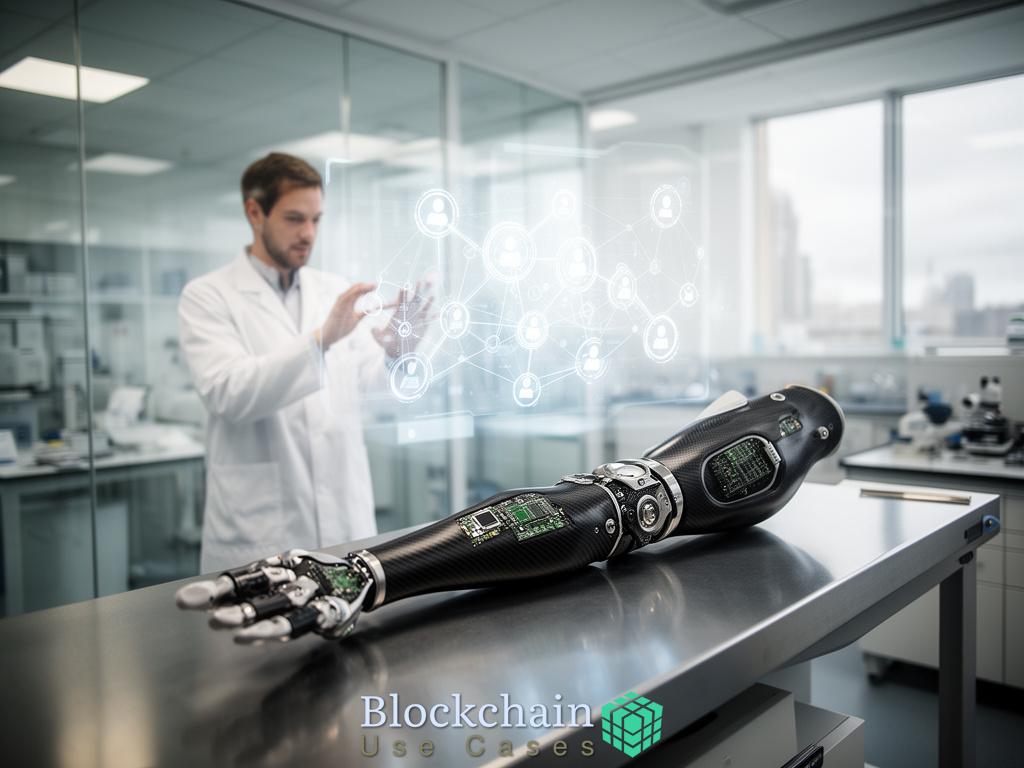
Patient records in prosthetics and orthotics care involve sensitive information, including biomechanical measurements, device configurations, and personalized fitting data. Traditionally, this data is stored across multiple systems, increasing the risk of data breaches and inconsistencies. Blockchain introduces an immutable ledger system, ensuring that every transaction, update, or modification made to a patient’s record is securely logged and verifiable.
Unlike conventional databases, blockchain provides a decentralized consensus mechanism where each participating node validates data integrity before it is recorded. This eliminates single points of failure and creates a transparent chain of custody for medical data. Furthermore, patients can maintain control over their records, granting or revoking permissions through encrypted keys — strengthening privacy in compliance with global healthcare regulations.
The introduction of blockchain in prosthetics and orthotics extends beyond security — it simplifies integration between different healthcare stakeholders. Manufacturers, clinicians, and insurers can collaborate on a shared data network without compromising patient confidentiality. This synchronized approach ensures that patient fitting data, prosthetic device updates, and rehabilitation progress are available in real time to authorized parties only.
Such a distributed system reduces redundant paperwork, accelerates prosthetic alignment adjustments, and fosters greater coordination across treatment teams. Data entry errors and mismatches, which commonly disrupt continuity of care, can be minimized through automated smart contracts and real-time data validation.
Comparison of Traditional Data Management vs Blockchain-enabled Systems:
| Aspect | Traditional Data Management | Blockchain-Enabled Management |
|---|---|---|
| Data Storage | Centralized databases; high breach vulnerability | Decentralized ledger; secure, immutable records |
| Data Sharing | Manual authorization, often delayed | Permission-based, cryptographic access |
| Transparency | Limited audit trails | Comprehensive, traceable data logs |
| Patient Control | Minimal ownership of personal data | Full control through private keys |
Transitioning to blockchain-based data management in prosthetics and orthotics requires structured planning and collaboration among industry players. The following list outlines a practical roadmap to achieving a secure, patient-centered framework:
- Assessment and Goal Definition: Evaluate current data management challenges and define specific goals for blockchain application.
- Regulatory Compliance: Align blockchain architecture with HIPAA, GDPR, and regional data protection standards.
- Network Design: Select an appropriate blockchain model (private, consortium, or public) based on data sensitivity and stakeholder needs.
- Integration Testing: Ensure compatibility with existing hospital information systems, wearable tech, and prosthetic design software.
- Training and Adoption: Educate medical staff and patients on using blockchain interfaces effectively for data access and updates.
Through these strategic steps, the P&O field can achieve seamless, efficient, and secure digital integration that enhances clinical trust and patient empowerment. Blockchain’s impact is set to redefine the way prosthetic and orthotic services deliver personalized, data-driven care across the globe.
Improving Supply Chain Transparency in Prosthetic Components
The production and distribution of prosthetic and orthotic (P&O) components involve a complex global network of material suppliers, manufacturers, logistics providers, and healthcare institutions. As demands for customized, high-quality prosthetic devices increase, so does the necessity for uncompromised supply chain transparency. By leveraging blockchain technology, the P&O industry can achieve a new level of trust and visibility across each stage of component development — from sourcing raw materials to patient delivery. This digital evolution not only enhances operational accountability but also fortifies ethical sourcing and regulatory compliance in a rapidly advancing medical sector.
In a field where precision and safety are paramount, counterfeit or substandard prosthetic components pose significant risks to patient well-being. Blockchain introduces a tamper-proof digital trail that verifies the origin, quality certifications, and handling records of every component throughout its lifecycle. Each transaction is recorded in an immutable ledger, enabling authorized parties — such as healthcare providers and auditors — to instantly validate the legitimacy of devices before clinical use. This traceability component dramatically reduces the margin for counterfeit entries while ensuring that all products adhere to medical-grade standards and ethical sourcing protocols.
Furthermore, suppliers participating in a blockchain network gain a competitive advantage by demonstrating transparent practices. Every phase, from raw material procurement to final assembly, can be timestamped and verified without disclosure of proprietary business data. The result is a more resilient and ethically aligned supply chain, promoting both brand integrity and patient confidence in P&O solutions.
Beyond authentication, blockchain-based systems can automate essential logistics and compliance processes through smart contracts. These self-executing digital agreements streamline supply chain operations by triggering actions when specific conditions are met — such as verifying shipment temperature thresholds or confirming material certifications. For prosthetic manufacturers, this means reduced administrative delays, minimized human error, and real-time quality verification without manual oversight. The automation capacity also enhances response times in situations requiring urgent component replacements or production adjustments, ultimately improving service delivery for patients.
In contrast to traditional supply chains plagued by data silos and costly manual oversight, blockchain-driven transparency fosters collaborative networks where each participant can securely share relevant data. The following comparison highlights the operational distinctions between legacy and blockchain-enabled systems.
| Aspect | Conventional Supply Chain | Blockchain-Integrated Supply Chain |
|---|---|---|
| Data Accessibility | Fragmented among stakeholders | Unified, decentralized access for authorized users |
| Traceability | Limited tracking with potential data loss | End-to-end traceable records with permanent verification |
| Quality Assurance | Manual verification prone to error | Automated validation through smart contracts |
| Ethical Compliance | Opaque supplier validation | Transparent, verifiable sourcing practices |
As the P&O industry continues to innovate in digital data management, integrating blockchain solutions across the supply chain will be pivotal in securing quality, compliance, and sustainability. These advancements ensure that prosthetic and orthotic devices not only meet technical and medical standards but also reflect a globally responsible approach to production and patient care. By embedding transparency and automation into the very fabric of supply operations, the field moves closer to a fully connected, data-driven future that prioritizes both trust and efficiency.
Smart Contracts for Custom Prosthetic Design and Delivery
The integration of smart contracts within blockchain frameworks is reshaping how prosthetic and orthotic (P&O) services are designed, produced, and delivered. This evolution marks a critical turning point where automation and digital trust merge to redefine customization workflows and patient engagement. Smart contracts serve as autonomous digital agreements embedded within blockchain systems, ensuring that each interaction between clinics, manufacturers, and patients is time-stamped, verifiable, and automatically executed upon meeting pre-defined conditions. As a result, the entire lifecycle of a prosthetic — from initial fitting designs to final delivery — gains unmatched transparency and efficiency.
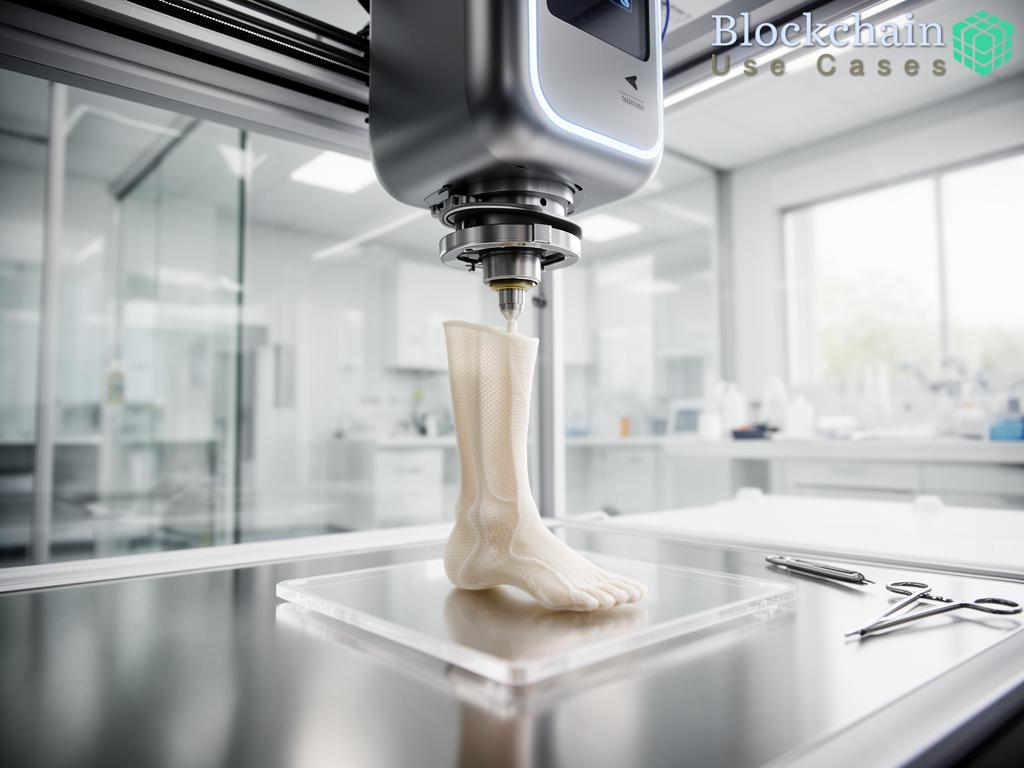
In traditional prosthetic design workflows, patient data must traverse multiple stages across clinical and production software, resulting in potential delays and information gaps. With blockchain-backed smart contracts, the process becomes dynamically orchestrated. Once a prosthetist submits biomechanical data or a digital limb scan, a smart contract triggers sequential validations that authorize material selection, initiate 3D printing requests, and ensure compliance with regulatory design specifications. This autonomous validation removes repetitive administrative layers and shortens production timelines significantly. Design authenticity and file integrity are also preserved through immutability, preventing unauthorized alterations to prosthetic models. Each verified update is securely logged, allowing healthcare providers to trace modifications while maintaining full patient privacy through encrypted access keys. This mechanism encourages a new era of precision-driven, patient-specific prosthetic engineering, where collaboration between all parties is fluid and fully transparent.
Beyond the design phase, smart contracts extend into logistics and delivery management, introducing a seamless flow where every milestone is recorded and automatically verified. When a prosthetic passes its quality control stage, the corresponding smart contract can instantly notify the healthcare institution, schedule delivery, and even trigger payment authorizations once receipt is confirmed. This ensures that all stakeholders — patients, insurers, and manufacturers — participate within a trust-based, automated network. In contrast to conventional systems that depend on human validation and paper-based confirmations, blockchain-powered automation dramatically minimizes disputes and accelerates service fulfillment. Moreover, patients gain substantial control over their treatment journey. Through encrypted credentials, they can monitor the progress of their device fabrication, verify authenticity certifications, and engage with their clinical team in real time. This combination of data empowerment, automation, and traceability forms the foundation for a future-ready P&O ecosystem that prioritizes both clinical reliability and patient satisfaction.
The application of smart contracts is not limited to individual transaction optimization; it extends to the creation of interoperable industry platforms that unify multidisciplinary collaboration. By standardizing data exchange protocols on the blockchain, P&O manufacturers, component suppliers, and regulatory bodies can operate on a single shared infrastructure. This uniformity eliminates the inefficiencies of disconnected databases and incompatible software. Each stakeholder interacts through transparent, coded agreements that establish intellectual property rights, consent management, and compliance enforcement automatically. The outcome is a sophisticated ecosystem where innovation and accountability coexist, encouraging faster prototype development and ethical oversight in equal measure. As blockchain matures, these intelligent frameworks are expected to become the cornerstone of global prosthetic supply and care management — fostering inclusivity, data-driven evolution, and sustained patient trust.
Enhancing Regulatory Compliance and Auditability
In the fast-evolving landscape of digital healthcare, the ability to ensure regulatory compliance and maintain audit-ready data integrity has become a central priority for prosthetics and orthotics (P&O) organizations. Blockchain technology is redefining how healthcare institutions, manufacturers, and regulators ensure adherence to global standards such as HIPAA, GDPR, and ISO 13485. By introducing a transparent, decentralized ledger that guarantees real-time verification and traceability of every action, blockchain significantly enhances the accountability and trustworthiness of patient and operational data. This paradigm shift is providing a robust framework that not only simplifies compliance but also builds resilience against data manipulation and unauthorized access.
One of the most defining aspects of blockchain integration in P&O data management is its immutability — a feature that serves as a built-in compliance safeguard. Every patient record, design update, or device configuration stored on the blockchain becomes a permanent entry, creating a verifiable digital footprint that cannot be altered or erased without clear authorization. This ensures end-to-end data traceability and strengthens adherence to stringent healthcare regulations.
Compared to conventional digital storage systems, which often rely on centralized oversight and periodic audits, a blockchain-based framework embeds continuous compliance monitoring into every transaction. Auditors and regulators can instantly cross-verify timestamps, identity signatures, and modification histories without disrupting operations. The blockchain ledger itself acts as a self-maintaining compliance repository, eliminating the complexities associated with manual reconciliation. The result is not only greater confidence in data authenticity but also a significant reduction in time and cost associated with preparing regulatory reports or responding to compliance inquiries.
Traditional healthcare audits are often retrospective and labor-intensive, requiring multiple rounds of data validation and documentation assessments. Blockchain transforms this approach into a real-time, data-driven auditing system. Since all transactions in prosthetic and orthotic workflows are cryptographically linked and time-stamped, auditors can access immutable datasets that accurately reflect chronological actions — from digital limb scans and device design approvals to quality checks and delivery confirmations.
This shift toward proactive auditing is further reinforced by the use of smart contracts, which encode regulatory standards directly into the blockchain infrastructure. When specific conditions or compliance thresholds are not met, these smart contracts can automatically generate alerts or restrict process execution until corrective actions are verified. In practice, this functionality ensures that every prosthetic device produced or fitted within the ecosystem meets respected regulatory and ethical guidelines before reaching patients. This automation enhances transparency and dramatically reduces the risk of regulatory non-compliance due to oversight or human error.
Furthermore, blockchain’s decentralized verification process allows auditors and healthcare authorities to access shared data repositories securely without exposing confidential patient information. By leveraging permission-based access controls and encrypted identifiers, the system ensures full alignment between transparency and privacy. Regulatory bodies gain direct insights into compliance adherence while patients remain the ultimate custodians of their personal health data — striking a critical balance between accountability and confidentiality.
The introduction of blockchain into prosthetics and orthotics extends beyond operational advantages — it represents a future-oriented model of digital governance. The decentralized framework promotes cross-border regulatory consistency, enabling international health organizations and device manufacturers to operate under unified compliance standards. This interoperability is crucial in an era of globalized healthcare, where clinical data and prosthetic designs often move between jurisdictions with differing regulatory landscapes.
Through shared blockchain networks, stakeholders across the P&O sector can verify device authenticity, regulatory certifications, and maintenance histories from anywhere in the world, creating an unbroken chain of trust that supports both clinical precision and patient protection. As clinicians, regulators, and manufacturers increasingly adopt blockchain-enabled compliance frameworks, the industry stands on the verge of a more transparent and accountable era — one where ethical practices are digitally enforced, and every aspect of patient care can be traced with absolute certainty.
Future Prospects of Decentralized Data Systems in Orthotics
The evolution of blockchain in prosthetics and orthotics (P&O) has already established a transformative foundation — but the next phase of innovation lies in the broader adoption of fully decentralized data ecosystems. As digital health ecosystems evolve, decentralized systems promise to redefine patient engagement, research collaboration, and real-time clinical decision support. The emphasis is shifting from mere data security to data autonomy, collective intelligence, and predictive personalization. The orthotics field, characterized by dynamic patient needs and precision-driven medical devices, is particularly positioned to benefit from such distributed infrastructures.
Future decentralized data systems are set to amplify collaboration between clinicians, patients, manufacturers, and researchers by enabling secure, equitable data exchange. Unlike traditional cloud-based infrastructures where a single entity may control data governance, decentralized networks distribute authority across all authorized participants, fostering a transparent and resilient health data environment. This ensures continuous access even in cases of institutional downtime or cyber disruption.
In orthotics, this evolution means real-time integration of sensor-based performance data from assistive devices directly into patient records, enabling adaptive feedback for gait correction, posture support, or alignment optimization. Patients who once relied on scheduled consultations for device tuning will benefit from responsive systems capable of automatically recommending adjustments based on aggregated biomechanical insights. This form of decentralized intelligence lays the foundation for autonomous orthotic care systems that continuously learn from collective datasets while preserving patient privacy.
Decentralized databases also hold profound potential for reshaping orthotic research frameworks. By securely connecting academic institutions, manufacturers, and clinical centers through blockchain, large-scale datasets can be analyzed without compromising proprietary or personal data. These collective learning environments enhance research speed and inclusivity, making it possible to examine design performance across diverse populations and clinical conditions. The insight gained from such structured, anonymized collaboration can inform material innovation, biomechanical modeling, and predictive behavior of orthotic devices under real-world conditions.
Moreover, the use of tokenized incentive mechanisms could encourage patients and practitioners to contribute data toward research and device optimization. This paradigm not only accelerates discovery but aligns ethical participation with measurable contributions. In essence, decentralized orthotic ecosystems can merge user feedback, real-world device telemetry, and manufacturer performance records into a single verifiable knowledge framework.
Comparison Between Centralized and Decentralized Orthotic Data Systems:
| Aspect | Centralized Data Models | Decentralized Data Networks |
|---|---|---|
| Ownership | Controlled by single institutions or vendors | Distributed control shared among legitimate participants |
| Interoperability | Dependent on intermediary data sharing agreements | Native interoperability through standardized blockchain protocols |
| Scalability | Limited by centralized infrastructure capacity | Horizontally scalable through distributed nodes |
| Data Validation | Periodic and manual verification | Continuous, automated consensus-driven validation |
| Patient Involvement | Passive data ownership | Active, permission-based control of personal records |
The long-term potential of decentralized systems extends beyond interoperability — it redefines how orthotic care itself is delivered. As blockchain technology converges with artificial intelligence, digital twins, and Internet of Medical Things (IoMT) devices, future orthotic ecosystems will operate as intelligent feedback loops. These interconnected environments will predict device degradation, pre-empt performance issues, and suggest remanufacturing triggers automatically through secure, autonomous protocols. Patients will no longer merely wear orthoses; they will engage with adaptive devices capable of real-time, blockchain-verified self-calibration.
For organizations preparing for this evolution, adopting decentralized infrastructure now provides a strategic advantage. By embedding transparency, ethics, and patient empowerment within the digital backbone of orthotic innovation, the industry can cultivate sustainable trust and continuous progress. In the coming years, such systems will underpin not only smarter data management but an entirely new paradigm of intelligent orthotic design — one built on shared intelligence, decentralized validation, and globally aligned healthcare values.
Key Steps toward a Decentralized Orthotic Future:
- Establish interoperable blockchain frameworks linking clinical, engineering, and patient platforms.
- Adopt decentralized identity management to ensure verifiable patient and device integrity.
- Implement smart data-sharing contracts for research and global design collaboration.
- Explore tokenized incentives for patient-driven data contribution and innovation acceleration.
- Integrate predictive analytics within decentralized networks for preventive orthotic care.
With these initiatives, decentralized systems are poised to not only transform data management but to fundamentally rewrite the future blueprint of orthotic care. The convergence of transparency, automation, and personalization is leading the way toward a global, trust-based digital health ecosystem — one where every stride toward innovation is recorded, verified, and securely shared for the benefit of all.