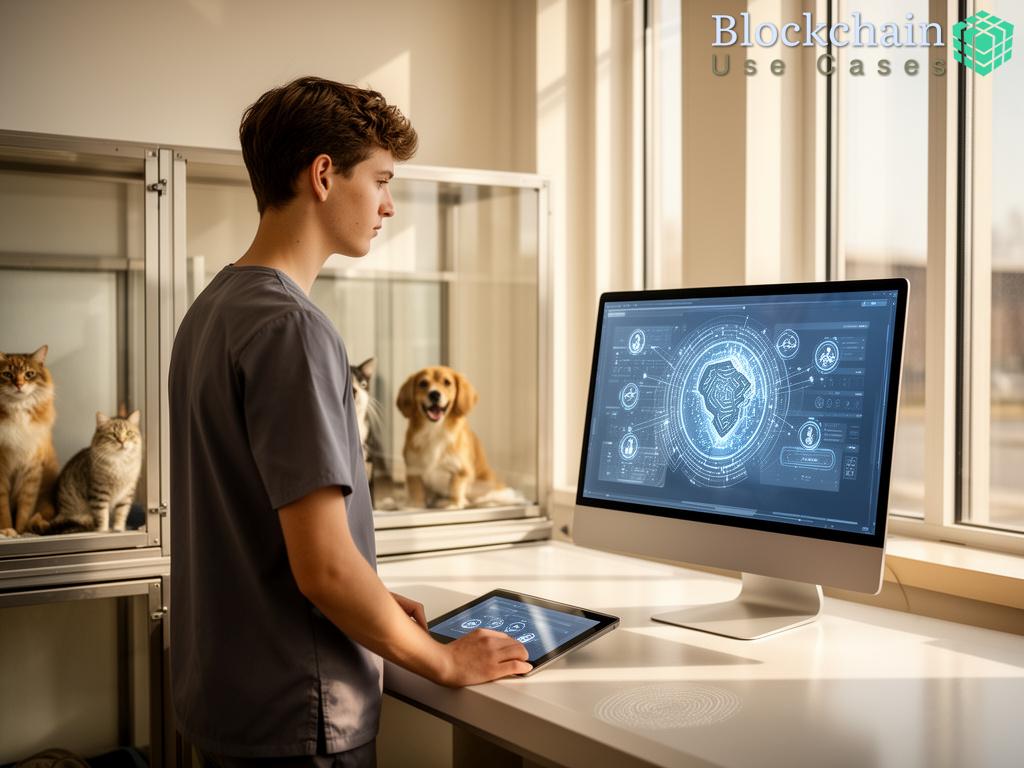

Blockchain-Based Data Confidentiality Framework
Protecting the safety and privacy of individuals seeking refuge from domestic violence requires the highest data security standards. In an era where digital breaches are increasingly sophisticated, the integration of blockchain technology into shelter management systems emerges as a groundbreaking approach. A well-structured blockchain framework ensures that sensitive information—especially shelter locations—remains confidential and only accessible to verified personnel.

Decentralized Integrity: The Cornerstone of Privacy Protection
A blockchain-based framework provides data integrity by distributing records across multiple nodes without relying on a single centralized authority. This decentralized architecture ensures that no party can alter or expose records without detection. Every transaction related to shelter data, from address updates to access logs, is cryptographically signed, verified, and permanently recorded. By design, this reduces vulnerabilities associated with conventional database management systems.
At the core of this system lies the permissioned blockchain model, which differentiates between public and private data layers. Sensitive records, such as shelter coordinates and resident identities, are grouped under private chains accessible only through multilayer authentication. In contrast, non-identifiable operational statistics can be stored in public nodes for transparency and reporting.
| Storage Type | Accessibility | Primary Function |
|---|---|---|
| Private Ledger | Restricted (Verified Authorities) | Stores encrypted shelter locations and resident details |
| Public Ledger | Open (Auditors and Funders) | Contains anonymized operational data and performance records |
| Hybrid Layer | Role-Based Access | Bridges communication between private and public ledgers |
Encryption, Access, and Accountability in Sensitive Data Handling
Each entity interacting with the blockchain undergoes secure digital identity verification before granted access. The framework employs zero-knowledge proofs and smart contracts to manage conditional access permissions—ensuring that law enforcement, case managers, and shelter staff can retrieve only the data relevant to their role. Furthermore, the encrypted audit trail allows for transparent review processes without revealing private details.
This model advocates for resilient accountability paired with uncompromised protection. Encryption keys are dynamically generated and split across multiple secure nodes—meaning no single party can unilaterally decrypt sensitive information. Shelter participants gain enhanced trust and confidence in the technology underpinning their safety.
Key Comparative Advantages of Blockchain versus Conventional Data Systems:
- Enhanced Security: Immutability of blockchain records prevents unauthorized modifications.
- Improved Trust: Distributed verification builds institutional and survivor confidence.
- Reduced Data Breach Risk: Absence of central data repositories minimizes attack targets.
- Real-Time Traceability: Transparent audit trails track every data interaction securely.
- Automated Compliance: Smart contracts enforce access and retention policies without manual oversight.
In a climate where the protection of domestic violence survivors is paramount, this blockchain-based data confidentiality framework offers a transformative path forward. It fuses the precision of cryptography with the principles of social protection, ensuring that technology becomes an ally in guaranteeing security and dignity for all who depend on shelter systems.
Decentralized Access Control for Authorized Personnel
As domestic violence shelters increasingly rely on digital platforms to coordinate safety operations, the role of precise access control becomes undeniable. In a blockchain-powered infrastructure, the balance between data confidentiality and system usability is achieved through decentralized access management. This paradigm ensures that each stakeholder—from social workers to law enforcement—gains information access strictly within their authorization limits, while maintaining a tamper-resistant environment of trust.
Adaptive Authorization Through Smart Contracts
Traditional security models often depend on centralized permission servers, which introduce vulnerabilities and single points of failure. Blockchain technology addresses this by using smart contracts to enforce conditional access rules automatically. Each authorized interaction with the data layer is validated through cryptographic keys and verified identity signatures. This not only replaces manual validation protocols but also creates a self-enforcing policy mechanism that automatically revokes access if credentials expire or misuse is detected.
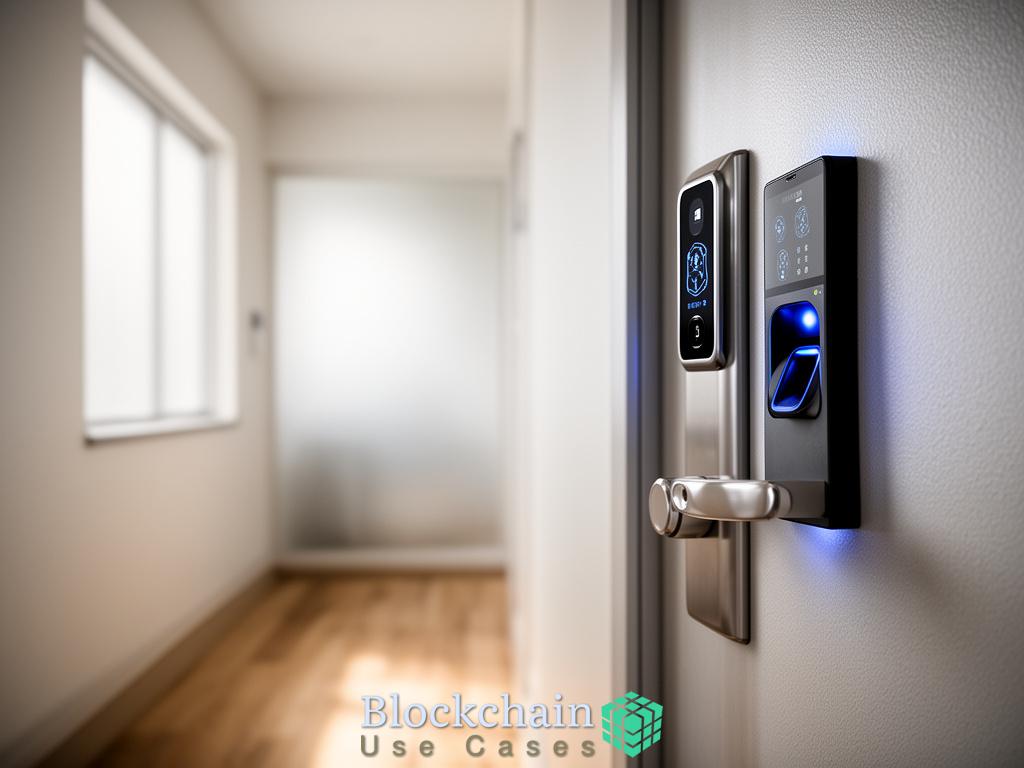
In this model, authorization is no longer reliant on human oversight alone—it becomes an autonomous protocol woven into the core design. By aligning policy execution with automated verification, agencies enhance both efficiency and compliance without sacrificing the privacy of survivors or the operational agility of shelters.
Role-Defined Permissions and Multi-Tier Validation
Maintaining confidentiality in sensitive operations requires clarity in responsibility assignments. The blockchain framework introduces role-defined access hierarchies synchronized across network nodes. Each participant is granted data visibility according to verified credentials, with real-time monitoring preventing unauthorized privilege escalation. Law enforcement personnel, for example, can obtain temporary access to encrypted coordinates during emergencies, while administrative staff can view resource allocation summaries without exposing identifiable data.
This layered validation ensures that access permissions evolve dynamically as operational roles shift or expand. Through periodic key regeneration and cross-verified participant identities, the blockchain maintains a continuous cycle of authentication and accountability.
Key Functional Highlights of Decentralized Access Control
- Distributed Authority: Eliminates single-point vulnerabilities by assigning verification power across multiple authenticated nodes.
- Dynamic Permissions: Ensures that access privileges adapt instantly to personnel changes or emerging threats.
- Immutable Record-Keeping: Each authorization event is permanently logged, enabling transparent auditing and compliance checks.
- Data Fragmentation Security: Sensitive records are divided among multiple encrypted nodes, preventing total exposure from any single breach.
By weaving decentralized control into every data transaction, blockchain ensures that domestic violence shelters operate inside an ecosystem of digital trust. This approach minimizes human error, deters data abuse, and creates a fortress of confidentiality for some of the most vulnerable individuals seeking safety and anonymity.
Ensuring Data Integrity and Immutable Record-Keeping
In the modern era of digital transformation, trust in data accuracy and durability is fundamental — especially when that data involves the safety of individuals fleeing abusive environments. The integration of blockchain into domestic violence shelter management introduces a new paradigm of immutability, where every piece of information is verifiably authentic, traceable, and safeguarded from manipulation. Unlike traditional systems that rely on centralized repositories vulnerable to alteration or unauthorized deletion, blockchain maintains an unbreakable chronology of records that protect both survivors and the organizations that serve them.

Immutable Ledger: The Foundation of Digital Trust
At the heart of blockchain’s advantage is its immutable ledger — a feature that ensures every recorded event, from shelter entry logs to administrative updates, becomes a permanent and verifiable part of the digital network. Once data is recorded, it is cryptographically sealed, making retroactive changes impossible without detection. This creates not just technical security, but institutional trust, as all participating entities share a unified and tamper-evident source of truth.
For domestic violence shelters, this permanence translates into protection against false reporting, unauthorized edits, or data tampering that could endanger shelter occupants. Immutable records also empower oversight bodies and auditors to conduct transparent evaluations without compromising survivor privacy, as information can be cryptographically verified without disclosing actual content.
Cryptographic Proofs and Consensus Verification
Blockchain’s validation process is equally critical to maintaining data reliability. Through consensus mechanisms, multiple independent nodes confirm each data entry before it becomes part of the permanent ledger. This decentralized verification model virtually eliminates the possibility of inaccurate or malicious data being introduced. Cryptographic proofs fortify each transaction, providing mathematical assurance that the data originated from a legitimate source.
Each shelter’s operational activity — whether documenting shelter capacity, managing encrypted location coordinates, or authorizing staff access — is written to the blockchain after being approved through consensus. This process guarantees that no single party possesses unilateral control over sensitive data, ensuring integrity from file inception to long-term storage.
Comparative Advantages of Immutable Record-Keeping in Shelter Management
The utilization of blockchain-based immutability introduces a level of accountability and traceability that conventional systems cannot match. By design, blockchain helps align data stewardship with humanitarian confidentiality ideals. Below are key advantages showcasing how immutability transforms shelter management:
- Verified Authenticity: Every document or update carries a verified digital signature, confirming its legitimacy and origin.
- Forensic Transparency: Immutable logs enable forensic-level tracking of data interactions, reducing internal misconduct and external threats.
- Operational Continuity: Historical data remains intact even in the event of server failures or cyberattacks, ensuring uninterrupted shelter operations.
- Legal Accountability: Immutable records hold evidentiary value, supporting investigations and compliance audits while preserving anonymity.
- Enhanced Stakeholder Confidence: Survivors, staff, and funders gain assurance through visible, verified proof of secure data stewardship.
By securing the very foundation of information integrity, blockchain doesn’t merely serve as a data management tool — it becomes a guardian of trust, safety, and continuity. In environments where the cost of a data breach can be catastrophic, immutability stands as a promise of unyielding protection. Every timestamped entry, every encrypted transaction, and every verified signature serves as a monument to the unwavering duty of shelters to protect those they serve with precision and honor.
Integration of Blockchain with Existing Shelter Management Systems
As domestic violence shelters continue their transition into digitally-driven operations, the question of how to seamlessly integrate blockchain technology with existing shelter management systems has become pivotal. The motivation is clear: ensuring survivor safety through secure, tamper-proof, and transparent data handling while maintaining practicality for shelter staff and affiliated agencies. The integration process is more than a technological upgrade—it represents the foundation for trust-based digital transformation across the humanitarian protection ecosystem.
Bridging Traditional Systems with Blockchain Infrastructure
Many existing shelter management platforms were designed with speed and accessibility in mind, but often rely on centralized databases that pose potential vulnerabilities. Blockchain offers an evolutionary next step by decentralizing data storage without disrupting the operational workflows that shelters depend upon. Through modular API layers and middleware connectors, blockchain frameworks can interface with legacy systems, transforming traditional data pipelines into encrypted, verifiable transaction records.
During the integration process, sensitive information—such as shelter addresses, resident identities, and case notes—is encrypted before being converted into blockchain-compatible entries. This ensures a dual protection layer: continuous operability of existing software combined with blockchain’s unmatched data integrity safeguards. Additionally, real-time synchronization allows both systems to mirror updates instantaneously, minimizing downtime and preserving essential data accuracy.
To ensure accessibility for non-technical staff, front-end interfaces remain largely unchanged, while blockchain activity occurs in the background. This strategic design empowers social workers and administrators to maintain routine operations while benefiting from invisible layers of digital protection. The implementation strategy is thus both pragmatic and transformative—building technological resilience without overwhelming existing infrastructures.
Operational Interoperability and Data Flow Optimization
Integrating blockchain into shelter systems requires not only technical alignment but also procedural harmony. The interoperability layer is what binds administrative tasks, safety protocols, and reporting functionalities into a unified framework of efficiency and security. By aligning blockchain nodes with established workflows—such as resident intake, funding audits, or inter-agency communication—data flows become traceable and verifiable end-to-end.
To achieve this, system architects prioritize three focus areas: data mapping, standardized blockchain protocols, and identity federation. Data mapping ensures that every field in the old system correctly corresponds to blockchain ledger entries, preventing loss or misclassification. Standardized protocols guarantee that different shelters operating within the same network follow consistent encryption and validation practices. Finally, identity federation connects external entities—like law enforcement or healthcare partners—through verified digital identities, ensuring role-based access without compromising security.
The outcome is a harmonized structure where shelter management evolves into a secure information ecosystem. Every transaction—whether it’s a residency approval, funding verification, or policy update—leaves behind a verifiable trail of truth, actively reinforcing accountability and transparency at every level of operation.
Strategic Implementation Pathways for Shelter Networks
Transitioning toward a blockchain-empowered shelter environment is an incremental yet strategic process. Adoption models may vary depending on shelter size, resource availability, and existing infrastructure maturity. Nonetheless, a structured roadmap ensures continuity and coherence throughout the integration journey. Below are the key phases that guide a successful implementation:
- Assessment & Alignment: Identify existing system vulnerabilities, define data categories requiring blockchain protection, and align goals with shelter-specific needs.
- Pilot Deployment: Deploy blockchain modules on limited operations—such as encrypted resident intake logs—to evaluate performance and accessibility.
- System Integration: Establish secure APIs connecting blockchain with existing databases, ensuring smooth data synchronization and seamless user experience.
- Network Expansion: Scale blockchain nodes across agencies, shelters, and external partners to create a unified verification and reporting ecosystem.
- Continuous Evaluation: Monitor blockchain transactions, review access patterns, and employ automated compliance checks through smart contracts to guarantee enduring integrity.
This methodical approach not only ensures operational stability but also fosters technological literacy among staff and stakeholders. By merging blockchain with traditional shelter management, organizations fortify digital defenses without dismantling functional familiarity. Ultimately, the alliance of innovation and compassion gives rise to a new model of data protection—one defined by verifiable trust and human-centered security.