Enhancing Traceability and Accuracy of Expiry Information
In an era where consumer trust hinges on transparency and product integrity, retailers are under pressure to ensure that expiry information is both accurate and easily traceable. Blockchain technology, known for its immutable ledger system, is emerging as a key instrument in transforming how expiry data is managed across global retail supply chains. With the power to record, verify, and share data in real time, blockchain introduces a new level of precision and accountability to product lifecycle management.
Revolutionizing Expiry Management Through Decentralized Traceability
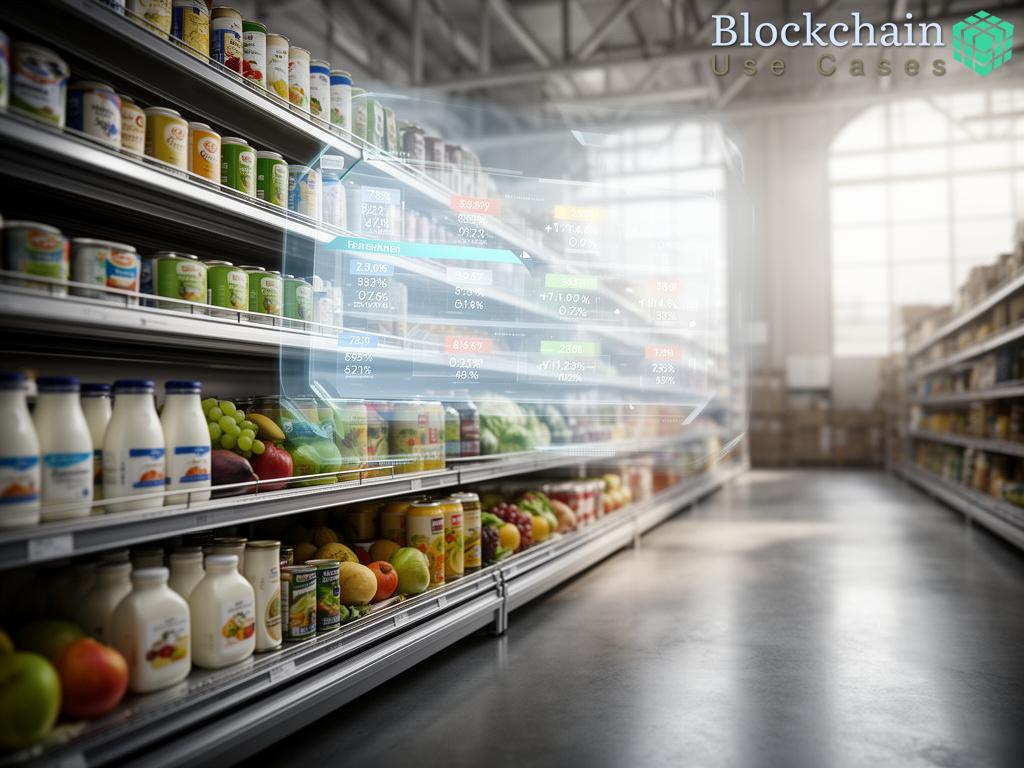
The traditional system of tracking expiry dates involves manual processes, scattered databases, and fragmented communication between suppliers, distributors, and retailers. This often leads to inconsistencies and, in some cases, product recalls due to human error or data mismatches. By integrating blockchain, every product’s expiry information can be stored as an immutable record accessible throughout the supply chain, minimizing errors and ensuring transparency from production to point of sale.
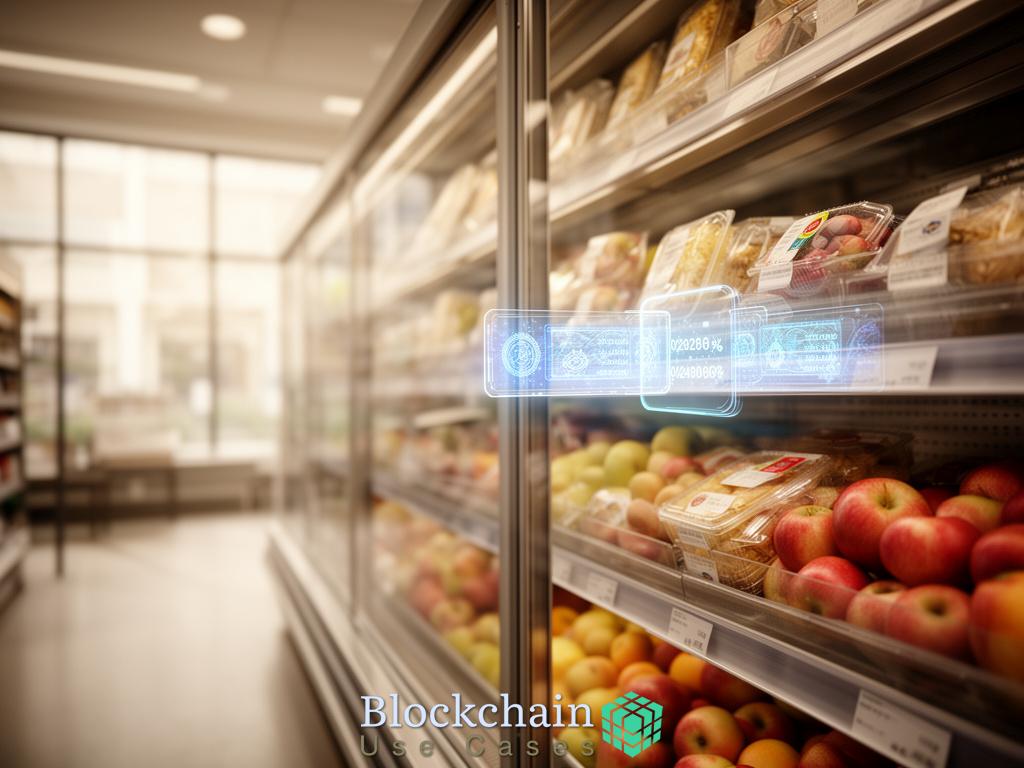
Smart contracts can automate the monitoring of expiry milestones, triggering alerts when certain thresholds are reached. This not only ensures timely product rotation but also reduces the risk of expired goods reaching consumers. The digital record created through blockchain provides retailers with verifiable data that proves compliance and enhances brand reputation.
Optimizing Shelf-Life Accuracy and Product Rotation Strategies
Blockchain’s strength lies in its ability to unify logistics, manufacturing, and retail systems under one trustworthy platform. Retailers can use the data retrieved from blockchain networks to optimize product rotation strategies, ensuring that older stock is prioritized for sale or repositioned as discounts before reaching expiry. This data-driven approach reduces waste and boosts efficiency within inventory management cycles.
In particular, when integrated with IoT and AI technologies, blockchain enhances predictive analytics. Real-time expiry insights help retailers forecast product demand and adjust procurement more accurately. As a result, retailers can minimize excess stocking and achieve a balanced supply flow, increasing profitability while maintaining consumer safety.
Comparative View on Expiry Management Approaches:
| Aspect | Traditional System | Blockchain-Based System |
|---|---|---|
| Data Storage | Centralized databases prone to tampering | Distributed ledger with immutable records |
| Traceability | Manual tracking and paperwork | Automated and auditable trail |
| Shelf Rotation | Reactive and error-prone | Proactive through smart contracts |
| Consumer Confidence | Limited visibility | Transparent and verifiable information |
Strategic Steps for Retailers to Implement Blockchain Effectively
While the potential is immense, successful implementation requires a structured approach. Retailers and supply chain leaders must establish a clear roadmap to integrate blockchain into existing systems. Interoperability, data security, and stakeholder alignment are key factors that determine the success of such transformation. Furthermore, early collaborations with technology providers can streamline adaptation and reduce technical hurdles.
The integration process can be guided by several critical steps, ensuring that both operational and compliance requirements are met.
Essential Implementation Steps:
- Assessment & Planning: Evaluate existing data management systems and identify pain points that blockchain could resolve.
- Technology Integration: Partner with blockchain developers to create interoperable frameworks linked with ERP and IoT devices.
- Smart Contract Development: Define automation rules for expiry notifications and stock movements.
- Testing & Validation: Run pilot programs to ensure performance, scalability, and compliance with food safety standards.
- Full-Scale Deployment: Roll out the solution across supply chain nodes with continuous monitoring and updates.
By embracing blockchain for expiry and rotation management, retailers position themselves at the forefront of innovation — enhancing not only operational accuracy but also fostering consumer trust and sustainability in supply chain systems.
Streamlining Product Rotation Through Smart Contracts
As the retail industry continues to embrace digital transformation, one of the most compelling applications of blockchain lies in streamlining product rotation. The automation of product movement and expiry control through smart contracts introduces a sophisticated layer of efficiency that conventional methods struggle to achieve. This technological leap not only enhances supply chain responsiveness but also ensures that stock management aligns with real-time market dynamics, ultimately minimizing losses and optimizing sales outcomes.
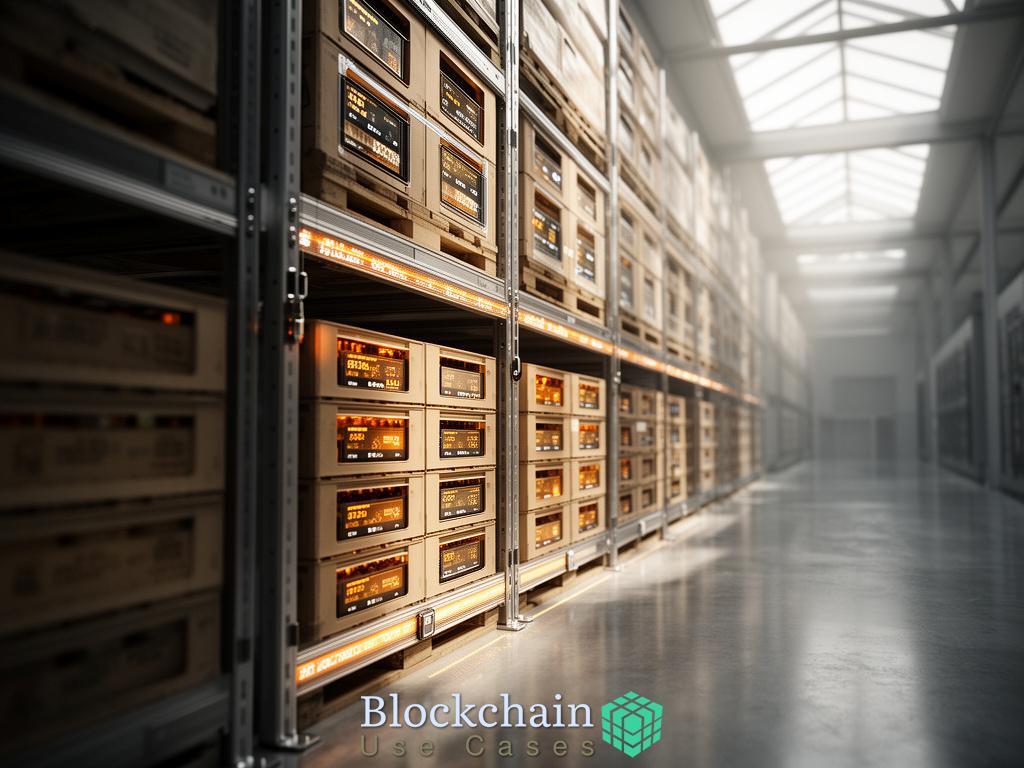
Automated Rotation and Real-Time Decision Making
Smart contracts—self-executing digital agreements stored on blockchain—are revolutionizing how retailers manage replenishment and shelf rotation. These intelligent protocols automatically enforce actions based on predefined conditions such as approaching expiry dates, inventory thresholds, or demand signals. For instance, when a product nears its expiry milestone, the system can trigger a price adjustment, initiate a promotional campaign, or redirect items to secondary markets without requiring manual intervention.
Such automation translates into operational precision. Retailers gain the ability to react instantly to data verified across all supply chain nodes, reducing delays and potential errors. More importantly, this mechanism promotes a proactive approach to product lifecycle management—transforming what was once a reactive, labor-intensive task into a fully optimized digital process.
Data Integrity and Collaboration Across Supply Chains
Unlike traditional systems that rely on fragmented databases, blockchain-based smart contracts create a single, verifiable source of truth. This shared ledger encourages cross-functional collaboration among manufacturers, distributors, and retail outlets, ensuring that product flow decisions are made from consistent and transparent information. The collective accountability built into this framework mitigates disputes and fosters confidence in every transaction. Additionally, smart contracts can integrate with IoT sensors that automatically transmit temperature, humidity, or handling condition data, further refining the accuracy of rotation and storage strategies.
Key Advantages of Blockchain-Powered Product Rotation
The integration of blockchain and smart contracts presents measurable benefits for retailers seeking to modernize their operations and uphold high standards of efficiency and safety. Below is a concise overview of the most notable advantages:
- Precision Automation: Reduces manual oversight by executing pre-set actions based on verified supply data.
- Enhanced Transparency: Provides all stakeholders with an immutable record of each product’s journey and handling conditions.
- Reduced Waste: Encourages the timely sale or redistribution of perishable goods, lowering the volume of expired inventory.
- Regulatory Compliance: Facilitates documentation required for safety and quality certifications through blockchain’s audit-ready structure.
- Scalable Efficiency: Allows businesses of varying sizes to adapt and scale their rotation processes in alignment with demand fluctuations.
By extending blockchain beyond data tracking into automated action, the retail sector is entering a new phase of operational intelligence. Smart contracts enable businesses to transcend the limitations of existing ERP systems, ensuring that product rotation decisions are not only faster but also more reliable and data-driven. This evolution positions blockchain as more than a recordkeeping tool—it becomes a dynamic engine driving continual optimization and consumer assurance within global retail networks.
Reducing Waste and Ensuring Freshness via Real-Time Data Sharing
The global retail landscape is under increasing scrutiny to operate sustainably, reduce product waste, and guarantee freshness for consumers. In this context, blockchain technology emerges as a transformative asset by enabling instant, reliable data exchange throughout the supply chain network. Beyond securing traceability and automating product rotation, blockchain introduces a real-time communication layer that connects every stakeholder—from producers to retailers—with consistent information on product condition, movement, and expiry status. This collaborative ecosystem not only protects brand credibility but also directly contributes to sustainability goals by minimizing spoilage and improving stock utilization.
Real-Time Synchronization for Improved Freshness Management
In traditional supply chains, gaps in communication and inconsistent data entries often result in delayed decisions regarding product distribution and shelving. Blockchain overcomes these inefficiencies by establishing a shared, immutable ledger accessible to all authorized participants. As data is recorded and synchronized instantaneously, retailers can monitor expiry indicators with unprecedented accuracy.
This real-time synchronization allows dynamic adjustments—such as modifying delivery priorities, reallocating near-expiry stock to high-demand regions, or scheduling discounts for items approaching their freshness limit. By ensuring that each node in the network has consistent and up-to-date information, blockchain effectively extends shelf life management into a collaborative, data-driven process that reduces losses and preserves product quality.
Collaborative Data Ecosystems and Sustainable Retail Operations
Retailers are now shifting from isolated data management systems toward a unified information architecture powered by blockchain. This shift creates a transparent environment where wholesalers, distributors, and logistics partners make informed decisions based on a single source of truth. Integrating IoT and blockchain technologies amplifies this synergy—smart sensors continuously record temperature, humidity, and transportation conditions, automatically updating the blockchain ledger in real time.
Such data-driven precision helps identify vulnerabilities in the supply chain before they cause product degradation. In addition to maintaining freshness, this transparency enhances accountability and fosters mutual trust among stakeholders. The result is a sustainable retail model that reduces overproduction, streamlines inventory cycles, and supports circular economy practices.
Key Impacts of Real-Time Data Sharing in Blockchain-Based Supply Chains
The multifaceted advantages of integrating blockchain into expiry management systems reveal its potential to redefine inventory sustainability and freshness assurance across the retail industry. Below is an overview of some transformative benefits that real-time blockchain data sharing delivers:
- Minimized Waste Generation: Accurate expiry tracking ensures timely clearance or redistribution of perishable goods before spoilage.
- Enhanced Supply Chain Coordination: Shared data allows immediate alignment between suppliers and retailers, optimizing logistics decisions.
- Improved Forecast Accuracy: Real-time analytics support data-backed procurement and replenishment schedules to match evolving demand.
- Sustainability Assurance: Transparent visibility over product lifecycles creates measurable evidence of environmental responsibility.
- Heightened Consumer Confidence: Validated freshness information fosters trust and loyalty, strengthening overall brand equity.
By embracing real-time blockchain data sharing, the retail sector gains a sustainable advantage that goes far beyond technical innovation. It redefines how perishables are monitored, mobilized, and marketed, building an infrastructure where efficiency and environmental stewardship coexist harmoniously. The result is a modernized supply chain built on accountability, freshness, and the collective goal of waste reduction.
Integrating Blockchain with IoT for Automated Inventory Management
The convergence of Blockchain technology and the Internet of Things (IoT) is redefining the structure of retail supply chain operations. As companies strive for greater efficiency, precision, and sustainability, the fusion of these digital ecosystems creates a framework where inventory oversight becomes self-regulating and autonomously optimized. Through automated processes and real-time communication, this integration is not only reducing manual intervention but also transforming how retailers handle product expiration, rotation, and replenishment.
Building a Smart Infrastructure for Inventory Transparency
Within modern supply networks, the need for continuous visibility into product conditions has become paramount. IoT sensors — embedded across warehouses, transport vehicles, and retail shelves — continuously capture critical parameters such as temperature, humidity, and handling activity. When this sensor data is transmitted into a Blockchain ledger, it is instantly converted into immutable records accessible to all supply chain actors. The result is a synchronized ecosystem where real-time updates underpin every inventory decision.
By linking these IoT data points with Blockchain, retailers can automatically trigger operational protocols such as dynamic pricing adjustments or restocking orders when predefined conditions are met. This intelligent infrastructure allows the system to autonomously reposition products nearing expiry to higher turnover channels or implement discount strategies to accelerate their sale. Such automation enhances shelf-life accuracy while safeguarding quality and consumer trust through verifiable data trails.
Transparency and accountability emerge as the strongest pillars of this integration. Each data input — whether environmental readings or product movement — is cryptographically secured, eliminating disputes over storage conditions or distribution delays. This digital transparency enables collaborative decision-making among manufacturers, wholesalers, and retailers while ensuring compliance with food safety and sustainability regulations. The interconnected intelligence between Blockchain and IoT thus eliminates information silos and enables a consistent, data-driven flow across every operational layer.
Predictive Efficiency and Autonomous Stock Optimization
The power of combining Blockchain with IoT extends far beyond tracking. When enhanced with analytical algorithms, the collected data becomes a predictive tool that can anticipate demand variations, prevent overstocking, and optimize stock distribution based on real-time consumption trends. With continuous input from IoT sensors feeding into the Blockchain, retailers can transition from static data interpretation to predictive and autonomous inventory management.
This digital synergy also reinforces sustainability. Retailers can proactively identify products that are nearing expiry and redirect them toward secondary marketplaces or donation networks. The immutable Blockchain records ensure that every redistribution is traceable, supporting regulatory compliance and environmental accountability. Additionally, predictive analytics derived from Blockchain-IoT networks help brands anticipate future needs more accurately, reducing unnecessary production and minimizing waste generation.
In practice, this results in a self-sustaining system where the supply chain reacts in real time to the dynamic realities of retail flow. From receiving goods at the warehouse to shelf placement and customer purchase, every point becomes part of a continuous feedback loop guided by sensor data and Blockchain verification. This interconnected approach not only boosts operational resilience but also reinforces consumer confidence, as every stage of product movement remains transparent and verifiable.
The strategic integration of Blockchain and IoT ultimately paves the way for an intelligent retail network where expiry management and product rotation are guided by automation rather than assumption. By ensuring that information is precise, accessible, and tamper-proof, retailers can achieve a new balance of efficiency, sustainability, and trust — essential qualities for competitiveness in the evolving digital economy.