Integration of Blockchain Technology in Cotton Supply Chains
The global textile industry is undergoing an unprecedented transformation, with sustainability and transparency emerging as primary drivers of change. Cotton, one of the most widely used natural fibers, lies at the heart of this revolution. As demand for ethical clothing rises, brands and consumers alike are demanding verifiable proof of sustainable sourcing. Blockchain technology, with its immutable ledger and real-time traceability, is proving to be a game-changer for the cotton industry by linking every stage of the supply chain into one trusted, digital ecosystem.
Enhancing Transparency Through Blockchain Integration
The integration of blockchain into cotton supply chains allows every participant – from cotton farmers to fashion retailers – to record and verify transactions on a secure digital platform. Each block in the chain captures vital data such as the origin of the cotton, farming practices, transportation routes, and factory processing details. This ensures that claims of organic or sustainably produced cotton can be verified without the possibility of tampering.
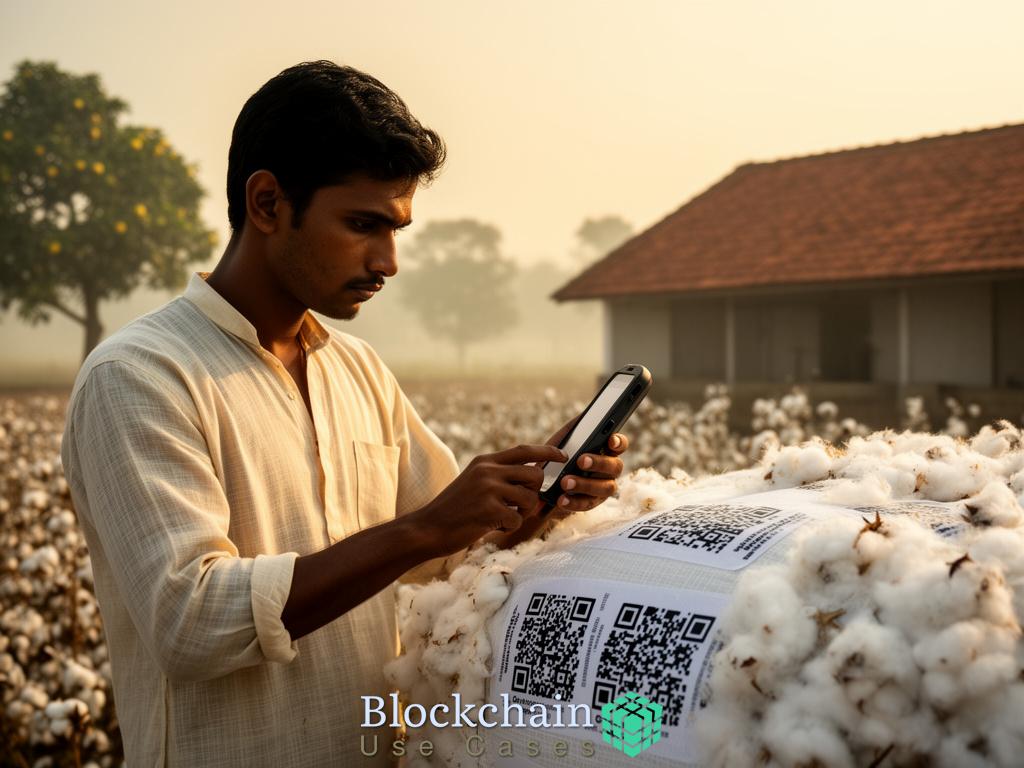
Textile manufacturers and brands that adopt blockchain are not only improving traceability but also building stronger trust with consumers. By scanning a simple QR code on a product label, buyers can trace their garments back to the cotton field where it all began. This technology bridges the gap between producers and end-users, setting new standards for accountability and consumer engagement.
Driving Efficiency and Sustainability Across Stakeholders
Blockchain does more than just store information; it streamlines entire operational processes. Traditional cotton supply chains often involve multiple intermediaries and paperwork-heavy procedures that can lead to inefficiencies and data discrepancies. By moving these records into a digital, decentralized system, companies achieve real-time updates and reduce administrative overheads.
Moreover, blockchain adoption encourages sustainable practices by providing transparent insights into resource usage, waste management, and compliance with ethical farming standards. This digitalization supports the implementation of global sustainability goals and regulatory frameworks that promote responsible production.
Key Benefits of Blockchain Implementation in Cotton Supply Chains:
- Traceability: Enables tracking of raw cotton from farms to retail shelves, ensuring product authenticity.
- Data Integrity: Maintains reliable records of origin, production, and logistics without tampering risks.
- Consumer Confidence: Offers transparent product information that reinforces brand trust.
- Regulatory Compliance: Simplifies verification processes for sustainability certifications.
- Operational Efficiency: Automates recordkeeping and enhances collaboration between stakeholders.
Blockchain Adoption Challenges and Comparative Insights
Despite its potential, blockchain integration faces adoption hurdles such as high initial costs, lack of standardization, and limited technical literacy among small-scale cotton producers. However, as digital infrastructure in agricultural markets matures, these challenges are gradually being addressed through partnerships, training programs, and scalable blockchain solutions tailored for the textile sector.
The comparison below highlights the differences between traditional and blockchain-enabled cotton supply chain management systems.
| Aspect | Traditional Supply Chain | Blockchain-Enabled Supply Chain |
|---|---|---|
| Data Management | Centralized and prone to errors | Decentralized and tamper-proof |
| Transparency | Limited visibility across stakeholders | Full transparency and traceability |
| Verification Process | Manual and time-consuming | Automated and real-time |
| Operational Efficiency | Fragmented and slow communication | Streamlined and efficient transactions |
| Consumer Trust | Dependent on brand claims | Driven by data-backed evidence |
As blockchain technology continues to evolve, it will redefine the future of the cotton supply chain by making it smarter, more ethical, and more resilient. The integration of this technology stands as a cornerstone for sustainable transformation across the global textile industry.
Ensuring Transparency and Traceability in Sustainable Cotton Production
As the global textile industry intensifies its commitment to sustainability, the focus has shifted toward absolute transparency and verifiable traceability in the production of cotton – one of the most fundamental raw materials in fashion. Blockchain technology has become the backbone of this transformation, offering an innovative digital structure where every activity within the cotton supply network can be securely documented, verified, and accessed in real time. This convergence of agriculture and digital innovation is not merely improving visibility but redefining trust between producers, brands, and consumers.
Building a Trustworthy Framework for Cotton Authenticity
One of the most significant challenges in sustainable cotton sourcing lies in validating whether raw materials are truly produced under ethical and eco-conscious standards. Through blockchain integration, every stakeholder—from smallholder cotton farmers to textile exporters—can record authenticated data points that remain immutable and interlinked. This ensures that no single party can alter or manipulate production details once entered into the digital ledger.
For instance, when a farmer records the harvest details, including the geographic coordinates of the field or the quantity of organic fertilizers used, this data is permanently stored and made visible to subsequent supply chain actors. The ginning, spinning, and fabric processing stages continue to build on this verified data architecture. The result is an unbroken digital pathway that lets brands demonstrate proof of origin and enables consumers to validate sustainability claims with a simple scan. Such transparency reduces opportunities for fraud, strengthens certification integrity, and enhances accountability across all supply links.
Enhancing Traceability Through Real-Time Data Integration
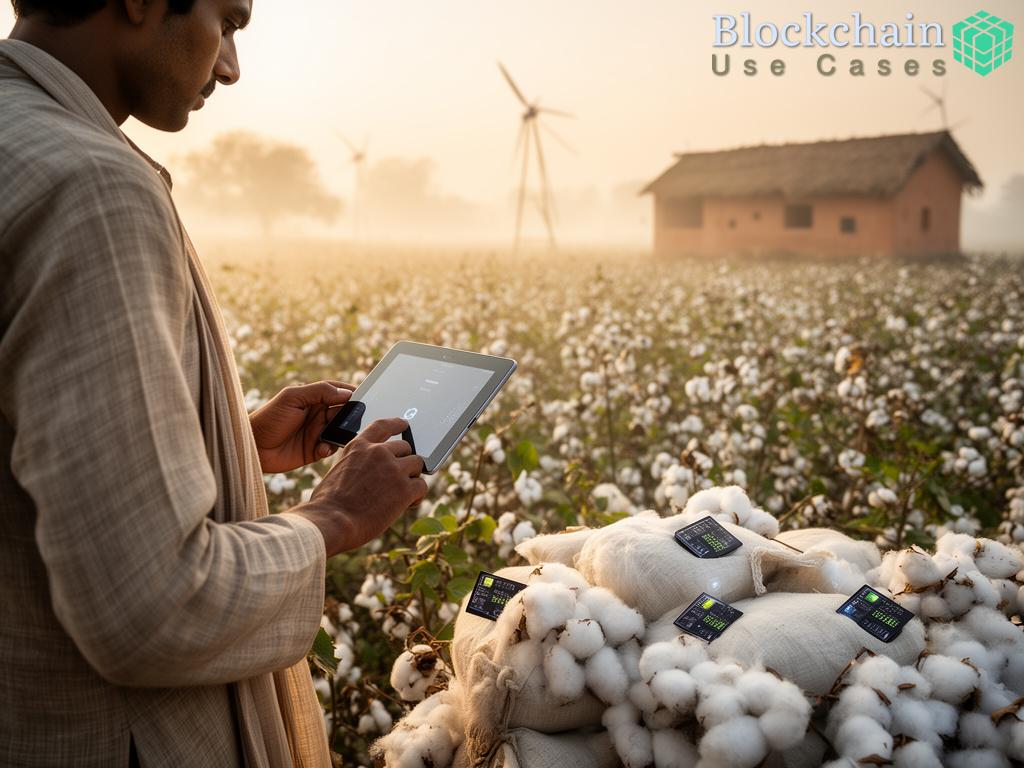
The next evolution of traceability in sustainable cotton production lies in the synchronization of multiple technologies within blockchain ecosystems. When blockchain networks interact with IoT sensors, GPS tracking, and digital tags, each bale of cotton can be traced from the farm to the finished garment with minute precision. Farmers benefit from optimized data sharing, while manufacturers gain real-time performance insights into raw material flow, storage conditions, and processing timelines.
Beyond operational transparency, the technology also empowers policymakers and certification boards to verify compliance more efficiently. Data integrity and automated validation mechanisms simplify regulatory inspections and promote adherence to internationally recognized standards, including the Better Cotton Initiative (BCI) and Global Organic Textile Standard (GOTS). Moreover, by giving consumers direct access to this traceable information, blockchain reshapes the perception of textile ethics, turning traceability into a vital component of brand loyalty and market differentiation.
In essence, blockchain-driven traceability offers a holistic view of the sustainable cotton lifecycle. It not only reveals where and how cotton was grown but also fosters a collective responsibility among all supply chain participants. As textile companies invest further into blockchain frameworks, transparency ceases to be a marketing claim—it becomes a measurable guarantee embedded in the digital DNA of sustainable fashion.
Enhancing Stakeholder Accountability Through Smart Contracts
In the evolving landscape of ethical textile production, smart contracts are emerging as the next transformative mechanism to ensure stakeholder accountability, compliance, and operational transparency. These self-executing digital agreements integrated within blockchain networks eliminate the need for manual oversight by automatically enforcing predefined conditions among all cotton supply chain participants. As the textile industry continues to embrace digitization, smart contracts are revolutionizing how trust, performance, and sustainability are managed within the ecosystem of sustainable cotton production.
Automating Compliance and Strengthening Ethical Responsibilities
Smart contracts serve as the digital guardians of transparency across the cotton production value chain. Every transaction, from the farmer’s first cotton delivery to the retailer’s finished apparel, can be governed by a contract that ensures compliance with sustainable farming and ethical trade practices. Once a condition is met—such as verification of organic certification or confirmation of fair trade wages—the contract executes automatically. This instant validation not only prevents disputes but also eliminates delays associated with human intervention or third-party verification.
By embedding environmental and social performance metrics into these contracts, stakeholders gain measurable accountability. For example, a spinning mill may only receive its payment if digital records confirm that the cotton used meets specific sustainability criteria. Likewise, fashion brands can ensure that production facilities meet labor and energy efficiency standards before initiating procurement agreements. This mechanism transforms sustainability from a voluntary commitment into a mandatory, data-verified obligation, reinforcing a culture of collective integrity across the industry.
Smart Contracts as Catalysts for Collaborative Accountability
Beyond compliance automation, smart contracts are redefining stakeholder collaboration by facilitating transparent and equitable interactions. Each participant—farmers, suppliers, manufacturers, logistics providers, and retailers—is assigned a digital identity on the blockchain. Transactions and contract clauses are visible to authorized parties, ensuring that no single entity can manipulate outcomes. This democratized structure enhances inter-organizational accountability and deepens mutual trust.
To illustrate, consider a scenario where raw cotton is transported from an organic farm to a ginning facility. As IoT sensors confirm shipment details such as weight, humidity, and location, the blockchain automatically updates the smart contract. If the conditions align with predefined quality standards, the contract validates the transaction and triggers payment release. Any discrepancies or quality deviations are instantly documented, prompting corrective actions within seconds. This digital alignment ensures that all decisions within the supply chain are not only traceable but also verifiable by design.
| Aspect | Traditional Contract Management | Smart Contract Enabled Management |
|---|---|---|
| Enforcement | Manual verification and delayed execution | Automated execution upon condition fulfillment |
| Transparency | Limited data visibility among stakeholders | Shared and immutable data records accessible to authorized participants |
| Accountability | Dependent on human oversight | Driven by data integrity and algorithmic validation |
| Transaction Speed | Slow and documentation-heavy | Instant verification and streamlined workflows |
| Dispute Resolution | Complex, often requiring mediation | Reduced scope for conflict due to contract self-enforcement |
Transforming Governance and Trust in Cotton Value Chains
The implementation of smart contracts is not just a technological upgrade but a redefinition of governance across textile supply chains. As the sector pursues zero-tolerance for greenwashing and unethical production practices, blockchain-backed automation provides an incorruptible foundation for traceability. Regulatory authorities and accreditation bodies can also leverage these digital records to validate certifications in real time, cutting down on inspection costs and administrative overheads. For consumers, this equates to unprecedented access to truth—each purchase backed by data-proven sustainability credentials.
Ultimately, smart contracts bridge the trust gap that has long challenged the textile industry. By linking financial flows with verified sustainability milestones, they nurture responsible production and fair compensation. As brands race toward carbon neutrality and ethical stewardship, smart contract systems stand as a pillar of accountability, ensuring that every meter of sustainable cotton is not only traceable but also ethically validated from field to fashion shelf.
Data-Driven Sustainability Metrics and Certification Validation
The textile sector is entering a new era where transparency and accountability are no longer optional—they are essential. As sustainability becomes a competitive differentiator, the ability to monitor environmental and social performance through reliable, data-driven metrics has become vital. Blockchain technology is enabling this transformation by serving as the foundation for measurable sustainability within cotton supply chains. Through immutable data records and automated certification validation, blockchain is replacing fragmented reporting with objective, verifiable evidence that tracks ethical compliance from the soil to the store shelf.
Harnessing Data Intelligence for Measurable Sustainability
In traditional cotton production systems, sustainability metrics—such as water usage, soil health, carbon emissions, and labor conditions—were often based on self-reported or inconsistent audits. These analog practices provided only limited visibility, leaving room for human error and greenwashing risks. With blockchain integration, however, advanced data streams from IoT sensors, satellite imaging, and digital farming platforms are seamlessly incorporated into a secure ledger. The result is a real-time sustainability dashboard where performance indicators can be continuously monitored and verified.
This transformation empowers all stakeholders—farmers, cooperatives, manufacturers, and certification agencies—to act upon transparent data rather than assumptions. For example, when blockchain records reveal that a farm maintains consistent pesticide-free yields or efficient irrigation practices, those insights can directly contribute to the farm’s verified sustainability score. This score then travels with the cotton through ginning, spinning, and fabric production stages, embedding quantified sustainability data into every production step. Such continuity of verified environmental performance transforms sustainability from a marketing statement into a measurable standard of excellence.
Redefining Certification and Ethical Verification Processes
Where sustainability certification once relied on periodic audits and extensive paperwork, blockchain-driven certification validation now offers a continuous, digital alternative. Each certificate—whether for organic production, fair trade compliance, or carbon neutrality—is recorded as a tamper-proof digital asset within the blockchain. This means that when a textile brand claims GOTS or BCI certification, that information is instantly verifiable through a traceable chain of digital evidence rather than retrospective documentation.
Moreover, smart contracts integrated into blockchain platforms can automatically cross-check compliance data and trigger certification updates in real time. If a spinning mill’s energy usage exceeds a preset efficiency threshold or a farmer fails to meet soil health benchmarks, the system immediately flags irregularities. This automation drastically reduces manual intervention and audit delays, while strengthening trust between certifiers, regulators, and consumers. As a result, certification validation becomes not just a label—but a dynamic, data-supported guarantee of integrity.
For the textile value chain, this means efficiency, accuracy, and accountability at scale. Brands can confidently demonstrate compliance with international sustainability standards, while consumers gain direct visibility into the story behind every cotton product. In effect, blockchain not only digitizes certification validation—it democratizes it, ensuring that every garment carries a verified, ethical lineage accessible to anyone, anywhere. As sustainability evolves toward precision-based management, blockchain stands as the definitive catalyst transforming cotton production into a transparent, data-empowered discipline.