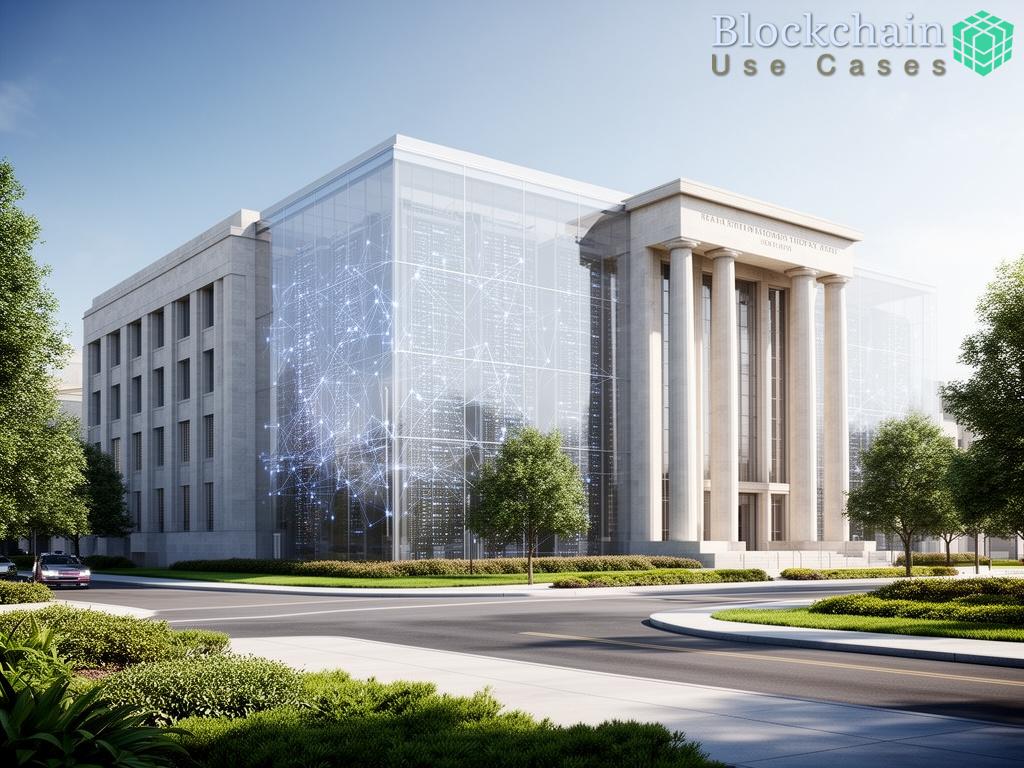

Integrating Blockchain for Transparent Property Data Management
In the rapidly evolving real estate industry, transparency and accuracy in property data management have become indispensable. As traditional data management systems struggle to cope with fragmented information and data discrepancies, blockchain technology emerges as a revolutionary solution. By integrating blockchain into property data systems, stakeholders gain access to secure, immutable, and transparent records, fundamentally transforming how transactions and analyses are conducted.

The cornerstone of blockchain lies in its decentralized ledger that ensures every transaction or data update is recorded with verifiable authenticity. In the context of property markets, this capability minimizes the likelihood of fraudulent listings and inaccurate ownership claims. Furthermore, it streamlines data flow across agencies, reducing administrative bottlenecks and manual verification delays.
By shifting from conventional record-keeping to a blockchain-based framework, real estate entities can collaborate more efficiently while maintaining trust. Each modification is time-stamped and traceable, giving analysts and buyers confidence in the reliability of property data used for market seasonality studies and valuation assessments.
One of the most compelling advantages of blockchain integration is its ability to enhance real-time market analysis. Accurate data on transaction frequencies, ownership changes, and investment patterns enables deeper insights into seasonal trends. For example, property demand spikes during specific quarters can be validated through blockchain-verified data, helping investors and policymakers make informed decisions.
When blockchain ensures data accuracy, forecasting models become more robust. This adds clarity to seasonal cycles that influence property prices, leasing activities, and investment strategies. As a result, analysts can predict future fluctuations with higher precision, supporting both macroeconomic planning and individual portfolio management.
Key Benefits of Blockchain Adoption in Property Data Management:
- Immutable Records: Every property transaction is permanently recorded and easily verifiable.
- Improved Traceability: Historical ownership and transaction details remain accessible across the network.
- Operational Efficiency: Automation through smart contracts reduces clerical overhead and delays.
- Enhanced Market Analysis: Real-time, validated data enables more accurate seasonality analysis.
- Increased Stakeholder Trust: Investors and buyers operate in a transparent, fraud-resistant environment.
To better understand the transformative potential of blockchain, it is essential to compare it with conventional property data systems. While traditional models rely heavily on third-party intermediaries and centralized databases, blockchain introduces a decentralized infrastructure that eliminates many of the traditional system’s weaknesses.
| Aspect | Traditional System | Blockchain-Based System |
|---|---|---|
| Data Accessibility | Restricted by central authorities | Widely accessible through permissioned networks |
| Data Security | Vulnerable to tampering or data loss | Protected through cryptographic protocols |
| Transparency | Dependent on manual verification | Immutable records visible to authorized participants |
| Operational Efficiency | Manual processes slow down data updates | Automation through smart contracts increases speed |
With blockchain-enabled platforms, real estate firms can not only safeguard their data integrity but also strengthen the analytical capacity of their market research divisions. The technology’s transparency reshapes the trust landscape across property stakeholders, paving the way for a more reliable, efficient, and data-driven property market ecosystem.
Enhancing Market Predictability Through Decentralized Analytics
The convergence of blockchain technology and real estate analytics is not merely redefining data management—it is pioneering a new era of market predictability. With decentralized analytics built on blockchain infrastructures, property professionals can move beyond reactive decision-making to anticipate future market conditions with data-backed precision. The decentralization of analytical processes ensures that insights are not confined to a single entity but are instead collaboratively generated across a secure, transparent, and globally distributed network.
Predictive accuracy in real estate has traditionally been hindered by fragmented datasets and inconsistent reporting standards. Blockchain’s decentralized nature mitigates these barriers by ensuring data uniformity and authenticity across markets. Each transaction, lease agreement, and property exchange entered on the blockchain enriches the collective intelligence of the network, forming a foundation for advanced analytical modeling. As algorithms access validated, real-time property data, they generate predictive indicators that enhance the understanding of market seasonality—such as cyclical price variations, rental turnover trends, and investment momentum shifts.
Moreover, decentralized analytics democratizes access to powerful forecasting tools previously dominated by large institutional players. Smaller investors, independent brokers, and municipal authorities can now utilize blockchain’s verifiable datasets to assess emerging trends without the distortions caused by opacity or asymmetrical information flow.
Smart contracts further elevate the analytical capabilities of blockchain-driven platforms. By automating the execution and documentation of property-related events, they generate instantaneous data streams that feed into market prediction models. These continually updated datasets, free from manual interference, enable algorithms to detect seasonal fluctuations and market anomalies with exceptional granularity.
For instance, automated triggers in smart contracts can alert analysts to sudden activity surges in specific geographies, signaling potential demand peaks. This automation not only refines the accuracy of forecasts but also expedites the decision-making cycle for developers and investors aiming to respond swiftly to evolving conditions.
The application of decentralized analytics through blockchain creates an analytical paradigm that enhances market transparency and foresight. Below is an overview of the primary dimensions influencing predictive precision in seasonal property analysis:
- Data Authenticity: Each input undergoes cryptographic verification, ensuring analytical models rely solely on verified information.
- Collaborative Intelligence: Multiple stakeholders contribute to decentralized datasets, enabling richer multi-source insights.
- Automated Consistency: Smart contracts maintain continuous data synchronization, eliminating lag between transaction and recording.
- Distributed Forecasting Capabilities: Decentralized frameworks support real-time predictive outputs across various market participants simultaneously.
- Predictive Transparency: Every analytical outcome can be traced back to its verified data origin, ensuring full accountability across prediction models.
Ultimately, decentralized blockchain analytics bridge the gap between static historical patterns and dynamic, forward-looking market strategies. By transforming how predictions are formulated, shared, and validated, the technology empowers real estate decision-makers with clarity and confidence never before achievable in seasonality-driven markets.
Leveraging Smart Contracts for Seasonal Real Estate Transactions
As the real estate market becomes more dynamic and data-driven, smart contracts are emerging as the cornerstone of blockchain-powered transactional ecosystems. Their capacity to automate, verify, and secure agreements in real time provides an unprecedented advantage in managing seasonally influenced property activities. Seasonal patterns—such as rental increases during tourism peaks or price adjustments in post-holiday quarters—demand agile and transparent solutions that can adapt instantly. Smart contracts meet this demand by ensuring that property deals, lease renewals, and investment transactions execute automatically once predefined conditions are met, mitigating human error and administrative delays.
The seasonal rhythm of real estate often causes bottlenecks in transaction management, particularly during high-volume periods. Smart contracts, powered by blockchain technology, revolutionize how these fluctuations are handled by converting conventional agreements into *self-executing digital protocols*. Once triggered by real-world conditions—such as time-bound price changes or verified data from property registries—smart contracts carry out predefined actions instantly. This eliminates dependence on intermediaries like notaries or agents, while guaranteeing the transparency and accuracy of every transaction. The automation of tasks such as seasonal rent adjustments or short-term lease activations provides both landlords and tenants with greater operational efficiency and reliability. Importantly, each execution is recorded immutably on the blockchain, ensuring stakeholders retain full visibility over every seasonal trend or pricing shift.
In essence, smart contracts empower the property market with real-time adaptability. Seasonal transaction models that once relied on manual recalibration—like adjusting rental rates in coastal properties during peak summer months—can now update autonomously in accordance with verified data sources. This reduces friction between parties and strengthens trust, a critical factor for markets where transaction timing is closely tied to seasonal demand cycles. As blockchain-based systems streamline these processes, analysts gain access to continuous, tamper-proof data that enhances the precision of seasonality analysis across multiple property types and geographic segments.
Beyond transaction efficiency, the integration of smart contracts enables synchronized data ecosystems that drive superior predictive performance. Each contract execution contributes valuable, time-stamped data points to the blockchain ledger, forming a comprehensive dataset capable of revealing intricate seasonal patterns. This flow of verified information allows predictive algorithms to refine future forecasts and identify emergent market signals. Investors and policymakers can therefore align their strategies with high-confidence projections grounded in blockchain-generated evidence.
The impact of smart contract synchronization extends beyond automation—it directly enhances decision-making agility. When contract activations align seamlessly with data analytics engines, fluctuations such as property demand surges, leasing spikes, or investment slowdowns become easier to anticipate. Real-time visibility into these activities allows market participants to react proactively, capturing opportunities before competitors. In turn, property ecosystems evolve into more transparent, predictable, and equitable spaces where blockchain technology not only records the past but continuously shapes a clearer view of the market’s seasonal future.
Improving Stakeholder Trust via Immutable Transaction Records
In an industry where credibility forms the foundation of every transaction, the real estate market has long wrestled with issues of trust stemming from inconsistent records, opaque dealings, and fragmented data. Blockchain technology is now rewriting this narrative by introducing immutable transaction records that modernize trust in property markets. As every verified transaction becomes an indelible part of a decentralized ledger, stakeholders—from investors and developers to buyers and regulators—can finally engage with confidence in data integrity and ethical transparency. This evolution doesn’t just strengthen record-keeping; it redefines the trust dynamics underpinning market seasonality analysis and decision-making.
Transparency in real estate has traditionally been at the mercy of centralized databases and third-party intermediaries. These systems, often prone to manipulation or data loss, undermine confidence during pivotal market phases such as seasonal peaks and investment surges. Blockchain’s immutable architecture prevents these vulnerabilities by ensuring that every recorded event—be it a land transfer, property sale, or seasonal rental adjustment—is cryptographically validated and time-stamped. This feature serves as a self-auditing mechanism, where data authenticity is no longer dependent on trust in intermediaries but on verifiable proof within the network.
By upholding immutable data trails, blockchain fosters an auditable environment conducive to long-term market evaluation. Regulatory agencies gain transparent access to transaction histories, investors rely on verified insights for market entry timing, and consumers engage in property deals with reduced risk of misinformation. This combination of verifiable data and decentralization has transformed stakeholder relationships from conditional trust to systemic assurance, especially within seasonally sensitive market segments like vacation rentals, commercial leasing, and suburban development cycles.
Reliable seasonality analysis thrives on consistency across datasets and transparency in transaction flow. As blockchain securely logs each market occurrence, analysts can examine cyclic patterns without concerns about data distortion or selective omission. The immutable record provides a complete, tamper-resistant chronology of market movements—capturing every spike in property demand during high seasons and every dip associated with off-peak periods. This reliable data flow enhances the precision of predictive algorithms and empowers both institutional and retail investors to act on insights backed by verified transaction evidence rather than speculative data.
Beyond individual investors, the ripple effect of immutable transaction records reinforces the credibility of entire property ecosystems. Developers can forecast seasonal pricing trends more accurately, municipalities can gauge regional housing supply responsiveness, and real estate platforms can provide end-users with real-time, authenticated property data. When trust becomes quantifiable through blockchain verification, the market naturally steers toward greater stability and fairness, reducing volatility exaggerated by uncertain or incomplete reporting.
The incorporation of blockchain’s immutability into real estate analytics brings multifaceted advantages that reach beyond data preservation. Below are the key ways this innovation strengthens stakeholder confidence and enhances analytical transparency:
- Unalterable Transparency: Once recorded, transactions cannot be modified or deleted, creating a single source of truth accessible to authorized parties.
- Verified Authenticity: Each transaction undergoes cryptographic verification, eliminating the possibility of duplicate or fraudulent entries.
- Continuous Accessibility: Stakeholders can review transaction history in real time without intermediary approvals, ensuring consistent access to verified data.
- Improved Accountability: Every modification and network confirmation is traceable, holding all parties accountable for their actions during seasonal shifts in demand.
- Enhanced Predictive Value: Immutable data enables analysts to construct models based on historical accuracy, refining market seasonality forecasts.
Ultimately, immutable transaction records serve as a digital foundation of trust in the real estate market, harmonizing technology with human assurance. By anchoring the truth of property transactions on blockchain, the industry achieves enduring transparency that not only safeguards investments but also illuminates patterns that shape the future of real estate seasonality worldwide.