
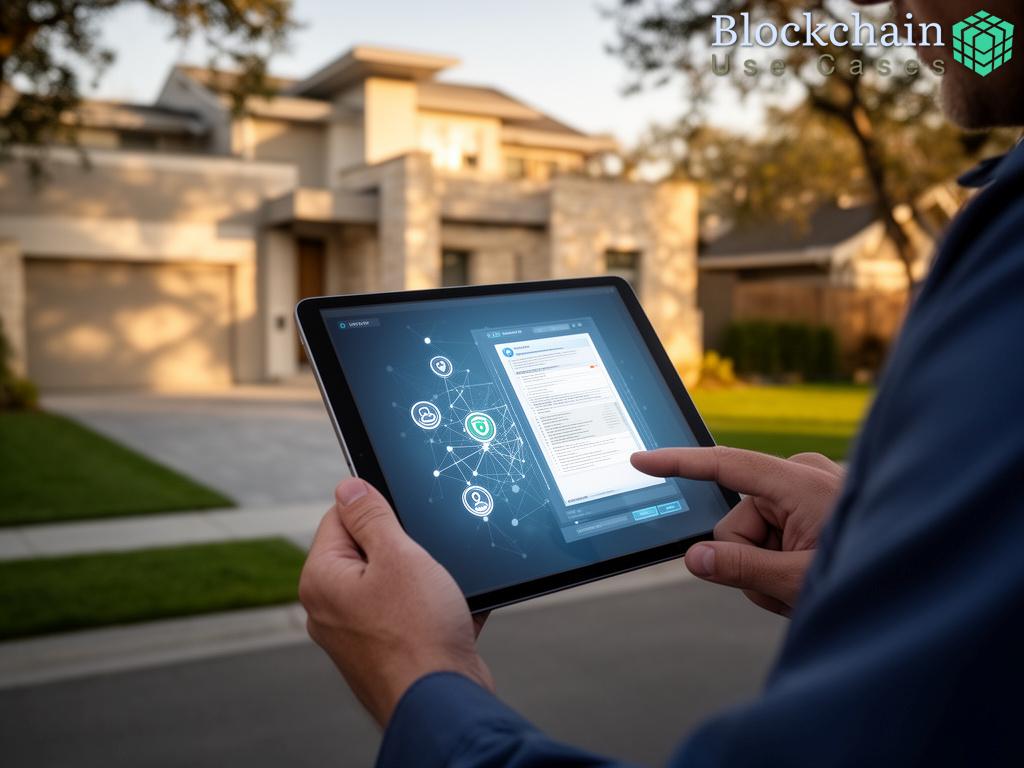
Integration of Blockchain in Real Estate Inspection Workflows
In an era where trust and transparency are paramount in the real estate industry, blockchain technology is rapidly emerging as the backbone for secure and verifiable property data management. Real estate inspection reports, once plagued with inefficiencies, manual errors, and potential data manipulations, are now being reinvented through blockchain integration. This innovation is set to redefine how stakeholders—the buyers, sellers, inspectors, and regulators—interact within the property ecosystem.
Blockchain’s inherent properties of immutability, traceability, and decentralization make it an ideal framework for managing inspection reports. By leveraging distributed ledgers, every inspection record becomes tamper-proof and verifiable, ensuring accountability across all stages of the property evaluation process. When a property inspection is completed, its data—including photographic evidence, timestamps, and assessor credentials—can be securely recorded on the blockchain network.

This approach addresses long-standing challenges such as the alteration of inspection findings, unauthorized access to confidential information, and inconsistencies across reporting entities. Furthermore, blockchain-powered smart contracts streamline transactions by automating approval workflows, greatly reducing delays and enhancing collaboration between stakeholders.
The integration of blockchain into inspection workflows is not merely about digitalization—it represents a paradigm shift. Real estate entities must assess both the benefits and the implementation complexities to realize blockchain’s full potential. Below is a comparative overview of how traditional versus blockchain-based systems differ in managing inspection data.
| Aspect | Traditional System | Blockchain-Integrated System |
|---|---|---|
| Data Security | Centralized storage vulnerable to breaches | Distributed and encrypted ledger ensuring data integrity |
| Transparency | Limited visibility across stakeholders | Full auditability and immutable record history |
| Efficiency | Manual data validation and approvals | Smart contracts automate validation workflows |
| Compliance | Prone to documentation errors | Automated compliance tracking and record verification |
Through strategic adoption, inspection agencies and real estate firms can reduce intermediary dependencies and foster greater operational efficiency. The transition, however, must be aligned with regulatory frameworks, data privacy standards, and interoperability between existing systems.
For organizations exploring blockchain deployment in inspection workflows, a structured roadmap is essential. The success of implementation relies heavily on preliminary research, stakeholder buy-in, and technological adaptability. The steps below detail crucial considerations before and during implementation.
List of Key Integration Steps:
- Assessment Phase: Evaluate the current inspection reporting process and identify bottlenecks that blockchain can alleviate.
- Regulatory Alignment: Ensure compliance with property laws, data protection guidelines, and jurisdiction-specific regulations.
- Platform Selection: Choose a blockchain framework (public or private) that meets scalability, security, and interoperability needs.
- Smart Contract Development: Design automated contract scripts to manage inspection approvals, status updates, and alerts.
- Integration and Testing: Implement blockchain modules within existing systems and conduct pilot runs to validate workflow performance.
- Stakeholder Training: Educate inspectors, auditors, and property managers on blockchain-based submission and verification methods.
Embracing blockchain in real estate inspections not only enhances data integrity but also instills confidence among property investors and homeowners. As worldwide adoption gains pace, industry leaders are recognizing blockchain as more than just a technological upgrade—it is becoming a cornerstone for next-generation trust in property management.
Data Security and Transparency in Property Inspection Records
As the digital transformation of the real estate sector gains momentum, data security and transparency have emerged as critical pillars in maintaining the integrity of property inspection reports. With the increasing digitization of records, safeguarding sensitive information such as inspection findings, property images, and compliance documents has become more challenging. The introduction of blockchain-driven inspection systems provides a revolutionary approach to these challenges, delivering a new layer of reliability that traditional databases simply cannot match.
One of the most valuable aspects of blockchain integration in property inspections lies in its decentralized data protection framework. Unlike centralized storage methods, which are vulnerable to unauthorized alterations and potential breaches, blockchain encrypts and distributes inspection data across multiple nodes. This ensures that no single entity can modify or erase a record without consensus. Every property inspection file—from structural assessments to environmental compliance certificates—is protected by cryptographic algorithms that authenticate both the inspector’s credentials and the time of data submission.
This decentralized nature not only minimizes cybersecurity risks but also provides real-time verification of inspection integrity. In practice, this means when a property report is uploaded to the blockchain network, it is instantly validated by automated protocols that certify the report’s legitimacy. Any discrepancy or malicious attempt to manipulate the file is immediately detected. The result is a high degree of confidence among stakeholders who rely on these reports to make informed investment, regulatory, and financial decisions.
Transparency has long been a concern in the property inspection process, often hindered by inconsistent documentation or selective data sharing among parties. Blockchain technology eliminates these inefficiencies by offering a single, immutable record of every step taken during an inspection. Through a shared and tamper-proof ledger, all participants—including property owners, inspectors, and legal authorities—gain equal visibility into report updates, audit trails, and procedural verifications.
Moreover, the use of smart contracts enhances transparency by automating inspections approvals and data exchanges based on predetermined criteria. Once the required conditions are met—such as the submission of inspection results or verification of inspector credentials—the contract executes automatically, while maintaining a transparent record of every interaction. This not only boosts efficiency but also ensures that accountability and trust remain integral to the process.
As blockchain ecosystems continue to evolve, the real estate industry stands at the threshold of a new era of governance and reliability. Secure and transparent inspection records are no longer just technological aspirations—they are defining characteristics of the modern property marketplace. The synergy between blockchain’s immutable architecture and real estate’s demand for integrity ensures that every inspection report can serve as an indelible, verified, and universally trusted source of truth.
Smart Contracts for Automated Inspection Report Verification
As digital ecosystems within the real estate sector continue to evolve, automation is becoming a cornerstone of operational efficiency and trust assurance. Blockchain technology, known for its immutable and transparent data handling, introduces another layer of innovation through smart contracts—self-executing agreements embedded directly into blockchain networks. These programmable protocols are revolutionizing the way property inspection reports are validated, shared, and approved, eliminating traditional bottlenecks tied to manual processing and human oversight.
In a blockchain-based inspection management system, smart contracts act as intelligent intermediaries that govern the flow of data and transactions. They automatically verify inspection outcomes against predefined parameters, ensuring that every report adheres to regulatory and quality benchmarks before being finalized on the distributed ledger. Once an inspector uploads a report along with relevant metadata—such as timestamps, digital signatures, and geolocation markers—the smart contract instantly initiates a sequence of validations. These may include compliance checks, document integrity authentication, and even cross-referencing with municipal property databases.
By automating this multi-step process, smart contracts drastically reduce administrative delays and the risk of human error. Regulators and stakeholders gain immediate access to validation outcomes, ensuring seamless oversight and decision-making. Furthermore, conditional triggers embedded within the contracts can automatically release payments or notifications once specific verification milestones are met, fostering both financial transparency and procedural reliability.
Beyond validation, smart contracts actively redefine collaboration dynamics among stakeholders in the property inspection chain. By replacing traditional intermediation with autonomous digital logic, these contracts enable instantaneous confirmation of inspection statuses and approvals. Inspectors, lenders, property owners, and legal bodies can all interact with the same verified dataset, enabling a shared understanding of compliance levels without relying on centralized authority.
This shift towards automated verification not only strengthens accountability but also promotes sustainable digital trust. For instance, when discrepancies are detected, the smart contract can autonomously initiate an audit request, ensuring that potential inconsistencies are addressed in real time. This capability accelerates resolution workflows and minimizes disputes—a remarkable upgrade to legacy systems plagued by redundant reviews and opaque reporting standards.
Smart contracts integrate seamlessly into blockchain inspection ecosystems through a combination of logic design, data authentication, and automated governance. The following table highlights how smart contracts transform the traditional inspection validation model into a dynamic, secure, and self-regulating framework.
| Feature | Traditional Verification | Smart Contract-Based Verification |
|---|---|---|
| Approval Workflow | Manual sign-offs by multiple parties | Automated multi-party consensus validation |
| Data Authenticity | Dependent on central database integrity | Directly validated through blockchain cryptography |
| Payment Release | Processed after manual verification | Triggered automatically upon condition fulfillment |
| Error Detection | Reactive and report-based | Proactive anomaly identification through smart logic |
As illustrated, the adoption of smart contracts not only digitizes inspection management but also operationalizes trust through coded governance. They translate complex inspection workflows into self-enforcing digital events, ensuring that every property inspection report is transparent, authentic, and regulatory-ready from the moment it is created.
While the advantages of smart contract adoption are evident, their implementation demands a carefully structured approach, integrating both technical precision and compliance awareness. Institutions must address interoperability, scalability, and rule customization to align their blockchain frameworks with regional regulatory expectations.
The successful integration of smart contracts can be guided by a concise set of foundational steps that ensure both security and functionality:
- Define Workflow Logic: Identify core inspection checkpoints and translate them into smart contract triggers.
- Establish Data Sources: Map trusted data inputs—such as certified inspectors’ credentials and IoT verification metadata.
- Integrate with Regulatory Systems: Ensure seamless compliance and instant reporting to authorized entities.
- Conduct Pilot Testing: Run limited-scale trials to validate contract performance and data synchronization efficiency.
- Scale and Optimize: Extend smart contract operations across portfolios while refining logic for new compliance standards.
With the adoption of these structured practices, real estate organizations can transform inspection verification from a procedural necessity into a digitally autonomous process. Smart contracts mark a decisive step toward a future where property inspection transparency is algorithmically guaranteed, instilling enduring confidence in every recorded report on the blockchain.
Challenges and Regulatory Considerations in Blockchain Adoption
As the real estate industry embraces blockchain-based inspection management systems, it is increasingly evident that technological innovation must evolve hand-in-hand with regulatory adaptation. While blockchain promises unparalleled transparency and data integrity, it also introduces new legal, operational, and governance complexities that institutions must address before full-scale deployment. The balance between innovation and compliance defines the next stage of blockchain adoption in real estate inspection workflows.
One of the most pressing challenges in implementing blockchain for property inspection data management lies in the regulatory ambiguity surrounding digital ledgers and smart contracts. Many jurisdictions still lack a clearly defined legal framework for recognizing blockchain entries as valid evidence or substitutes for traditional documentation. This creates a potential conflict when property inspection records—secured on a decentralized ledger—must be authenticated or contested in legal proceedings. To mitigate these risks, organizations must align their blockchain governance models with existing property registration laws, data protection regulations, and consumer rights directives.
Another critical concern relates to data privacy and cross-border information governance. Since blockchain’s immutable architecture stores data permanently across distributed nodes, ensuring compliance with data protection laws such as the General Data Protection Regulation (GDPR) becomes complex. For instance, when inspectors upload personal identifiers or client-sensitive property details onto the blockchain, it may conflict with the legal right to erasure or data modification. Therefore, institutions exploring blockchain adoption must implement advanced encryption protocols and off-chain storage mechanisms to protect sensitive inspection data while maintaining regulatory conformity.
Furthermore, since blockchain transactions are validated by consensus mechanisms rather than centralized control, regulators face challenges in defining responsibility and accountability in case of discrepancies. Integrating compliance automation tools and establishing cooperative oversight frameworks between blockchain consortiums and legal authorities will be essential for creating a trusted operational environment.
Beyond regulatory factors, the operational adoption of blockchain introduces several technical and strategic challenges. One of the foremost issues is interoperability between blockchain networks and existing property management systems. Real estate institutions often rely on legacy databases and multiple digital platforms, each operating under distinct data standards. Seamless integration requires not only technical compatibility but also standardized inspection reporting practices that can be universally recognized across different blockchain ecosystems.
Scalability also remains a practical concern, particularly for large inspection agencies and multi-asset portfolios. Blockchain transactions, while secure, may experience latency and higher computational costs when verifying large data volumes such as images, environmental scans, and inspection videos. Innovative approaches such as layer-two scaling solutions and hybrid blockchain architectures are emerging to address these limitations, but their implementation requires substantial technological investment and continuous optimization.
Equally important is the human factor—the degree to which inspectors, regulators, and property owners understand and trust blockchain-driven processes. Lack of awareness or technical literacy among stakeholders can slow adoption, cause procedural misinterpretation, or lead to reliance on intermediaries that defeat blockchain’s decentralized purpose. To overcome these barriers, organizations must invest in structured training programs, promote cross-sector partnerships, and establish transparent communication frameworks that clarify how blockchain enhances—not complicates—the property inspection cycle.
Ultimately, successful blockchain implementation in real estate inspection workflows hinges on a dual commitment to technological resilience and regulatory cooperation. The path forward is not about replacing existing systems overnight but about gradually introducing verifiable, compliant, and interoperable blockchain solutions that align with evolving property governance models. As global regulators begin to develop clearer blockchain policies, the real estate industry stands well-positioned to pioneer a secure, transparent, and future-ready inspection infrastructure.
Future Outlook for Blockchain-Based Property Inspection Systems
The evolution of blockchain technology within real estate inspection ecosystems marks a defining moment for digital trust and operational modernization. As the industry moves toward full-scale adoption, blockchain is expected to become more than just an innovation—it will form the foundational layer for data authenticity, compliance, and process automation throughout the property lifecycle. Global players in real estate technology are already investing in blockchain-backed infrastructure to ensure that data exchange and inspection verification remain transparent, tamper-resistant, and universally certifiable. The future of blockchain in inspections lies in its ability to merge decentralized trust with advanced analytics, artificial intelligence, and regulatory automation.
The intersection of blockchain with Artificial Intelligence (AI) and the Internet of Things (IoT) is predicted to redefine real estate inspection systems in the next decade. These technologies, when combined, form an integrated smart inspection environment where physical assets and digital data streams coexist on the blockchain ledger. Real estate inspection drones, smart sensors, and building monitoring devices are expected to feed real-time data directly into decentralized networks, enabling predictive analysis and transparent verification.
AI algorithms will augment this blockchain infrastructure by detecting inconsistencies, identifying structural risks, and validating data accuracy before any record is permanently written on-chain. This automation ensures that inspection records remain consistently accurate, unbiased, and free from tampering. As IoT and AI integrations mature, blockchain verification will serve as an unalterable source of truth, ushering in an era of autonomous property compliance monitoring and real-time evaluation insights.
While blockchain holds transformative potential, its long-term success in real estate inspections hinges on standardized regulatory frameworks and interoperable ledger designs. International collaboration between property registries, financial institutions, and government bodies will play a crucial role in defining how inspection data is captured, validated, and shared across jurisdictions. Efforts are underway to establish universally recognized blockchain audit standards that ensure cross-border recognition of inspection certifications.
In parallel, regulatory harmonization will foster trust between public authorities and private sector innovators, allowing blockchain-based inspection data to serve as legally binding evidence. Real estate watchdogs and compliance agencies are expected to develop digital oversight interfaces that connect directly to blockchain ledgers, automating audit trails and enhancing transparency. This shift will reduce bureaucratic friction and position blockchain as a cornerstone for reliable real estate governance.
The following table illustrates potential transformations in regulatory and operational aspects over time:
| Aspect | Current State | Projected Future State |
|---|---|---|
| Inspection Record Validity | Dependent on manual certification | Blockchain-backed and legally recognized worldwide |
| Regulatory Reporting | Manual submission to agencies | Automated blockchain-linked compliance uploads |
| Cross-Border Recognition | Limited jurisdictional compatibility | Interoperable global inspection data exchange |
| Data Authentication | Centralized database control | Distributed and cryptographically validated network |
The real estate sector stands on the verge of a fundamental transformation driven by blockchain’s scalability and trust capabilities. Governments are anticipated to integrate blockchain verification into national property registries, while inspection agencies may shift to hybrid blockchain models to manage both private and public data securely. The widespread deployment of decentralized networks is also expected to reduce administrative overhead, fraud incidents, and data disputes that have historically hindered inspection workflows.
Moreover, blockchain-based inspection systems will create new business models centered around data-as-a-service (DaaS), allowing inspection records to become monetizable assets for industry stakeholders. Financial institutions and insurers could leverage real-time authenticated inspection data to expedite mortgage approvals and insurance claims, while regulators benefit from faster compliance tracking and risk mitigation.
Outlined below are the primary developments expected to shape this next phase of blockchain evolution in property inspections:
- Increased Decentralization: Expansion of permissionless blockchains enabling public verification of inspection data.
- Smarter Compliance Models: Integration of self-auditing smart contracts to ensure ongoing regulatory conformity.
- Tokenization of Inspection Assets: Digitization of verified inspection reports as tradable, value-bearing tokens within real estate digital marketplaces.
- Interoperable Ecosystems: Standardized cross-chain communication protocols linking real estate entities across global jurisdictions.
- AI-Driven Predictive Analytics: Use of machine learning models to forecast property maintenance needs based on blockchain inspection histories.
Ultimately, the convergence of these trends signifies a future where blockchain-powered property inspections evolve into intelligent, automated ecosystems. By embedding transparency and traceability into the very architecture of data management, blockchain is poised to redefine the standards of credibility, compliance, and efficiency across the real estate industry—cementing its role as the technological backbone of next-generation property inspections.