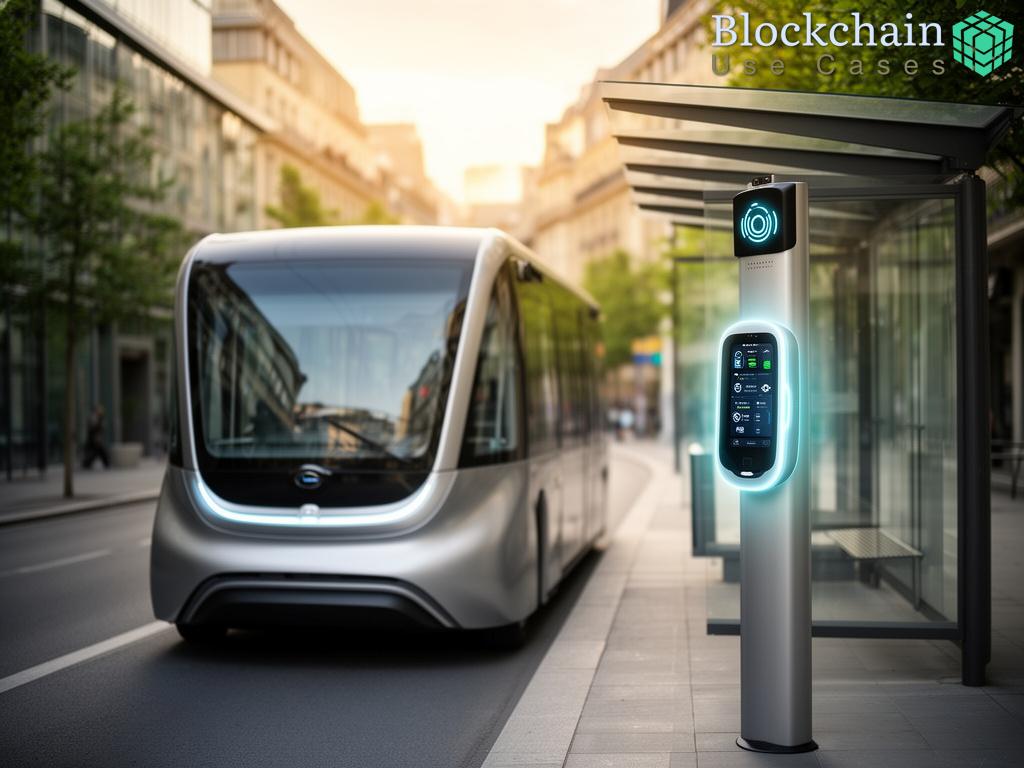
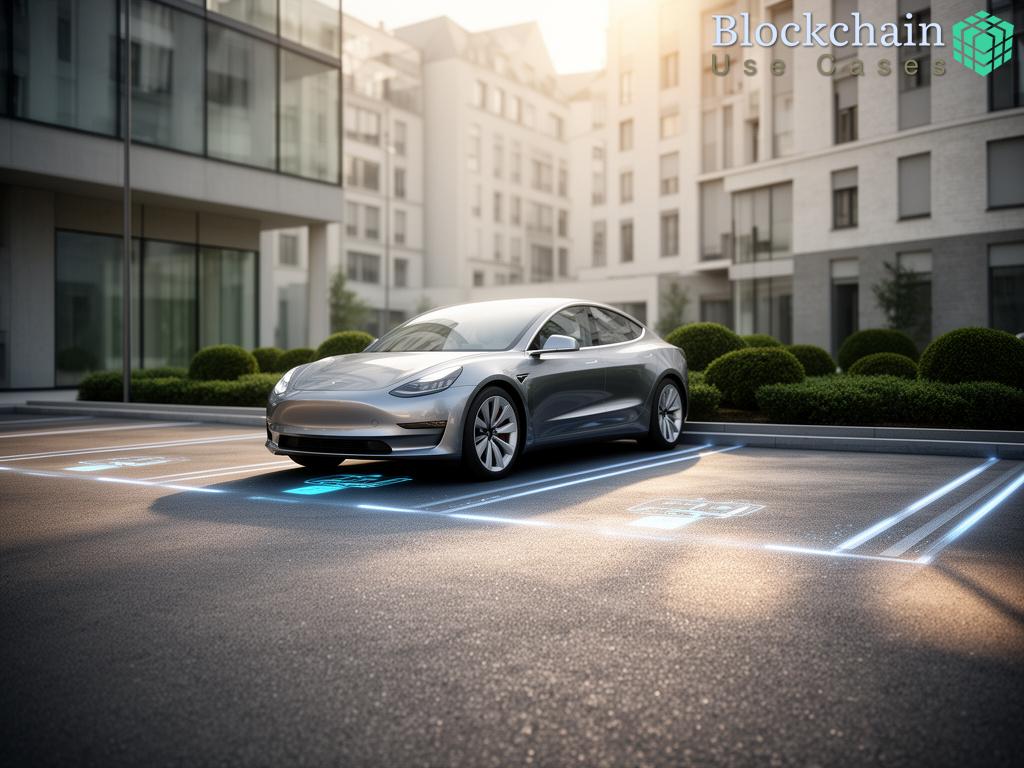
Blockchain Architecture for Secure Parking Reservations
As urban populations surge and parking congestion intensifies, cities are looking toward decentralized technologies to bring order and trust to smart parking management. Blockchain, once confined to the world of cryptocurrencies, is emerging as the backbone of secure, transparent, and efficient parking reservation systems. When integrated with IoT devices, blockchain creates a seamless and tamper-proof ecosystem for motorists, operators, and municipalities alike.

Traditional parking systems often face challenges related to data manipulation, fraudulent bookings, and lack of coordination across different operators. The integration of blockchain into IoT-based parking ecosystems eliminates these issues by decentralizing the data ledger. Each booking, cancellation, or payment is recorded immutably, ensuring that no stakeholder can alter the information after confirmation. This fosters an environment of complete transparency and traceability, making disputes and errors virtually nonexistent.
Moreover, smart contracts—self-executing agreements coded onto the blockchain—automate the entire process from vehicle entry to exit. Drivers reserve a spot, sensors confirm availability, and the payment is processed securely, all without human intervention. This automated trust mechanism minimizes administrative overhead and ensures operational integrity from start to finish.
Understanding the fundamental differences between conventional and blockchain-powered systems helps highlight the transformative advantage of decentralization. While centralized systems rely on a single authority for data storage and validation, blockchain distributes the records across multiple nodes, ensuring reliability, scalability, and security.
| Feature | Centralized System | Blockchain-Based System |
|---|---|---|
| Data Storage | Stored on single or limited servers | Distributed across decentralized nodes |
| Security | Vulnerable to single-point failures | Enhanced with cryptographic integrity |
| Transparency | Limited visibility for users | Full traceability with immutable records |
| Cost Efficiency | Higher management and maintenance expenses | Reduced intermediary costs via automation |
| Scalability | Challenging with high user loads | Smooth scalability through distributed consensus |
The practical deployment of blockchain architecture for parking reservations involves several key building blocks. From IoT sensors embedded in parking spaces to distributed ledger nodes validating transactions, the interplay of these elements ensures consistent performance and robust security. Each reservation event is verified through digital signatures, protecting user identity while maintaining transactional authenticity.
To better understand the development phases of these systems, consider the following structured overview of implementation steps:
- Integration of IoT Infrastructure: Deploy smart sensors capable of real-time data sharing on the availability of parking spaces.
- Blockchain Deployment: Set up a secure, permissioned ledger for managing transactions and ensuring data immutability.
- Smart Contract Design: Create automated scripts to handle booking and payment without third-party interference.
- User Authentication: Apply cryptographic keys for secure identity verification and fraud prevention.
- Data Analytics: Use blockchain-stored information for predictive modeling and optimization of city traffic management.
The fusion of IoT and blockchain in parking reservation systems is not merely a technological upgrade—it’s a paradigm shift toward smarter, more secure urban infrastructure. As cities continue to evolve, this synergy offers a robust blueprint for integrating convenience, transparency, and sustainability into daily mobility experiences.
IoT Integration and Real-Time Data Management
As cities embrace the era of intelligent infrastructure, the integration of Internet of Things (IoT) technologies within decentralized parking systems is redefining how urban residents experience mobility. The power of IoT lies in its ability to capture, communicate, and compute vast streams of data in real time, feeding these insights directly into a blockchain-powered ecosystem. This synergy not only brings unparalleled efficiency but also fosters trust, accountability, and dynamic responsiveness—three pillars essential for modern urban mobility solutions. By merging IoT’s sensory intelligence with blockchain’s integrity, city planners can manage parking resources with remarkable precision and transparency.
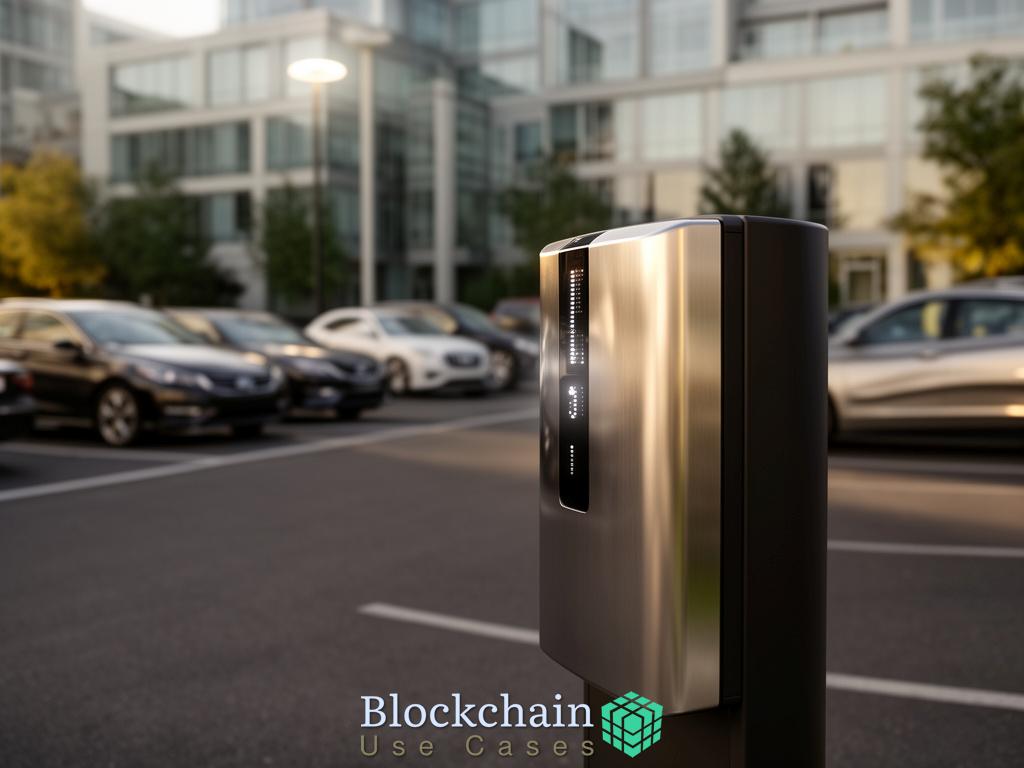
At the core of every IoT-driven parking system lies a network of smart sensors embedded within parking spaces and street infrastructure. These sensors detect occupancy, vehicle type, and duration of stay, transmitting real-time data to decentralized nodes distributed across the blockchain network. This process replaces outdated centralized monitoring systems that often suffer from latency and single-point failures. Through decentralized validation, each data packet is independently verified, ensuring that only authentic and accurate information contributes to the live parking database. Such real-time synchronization allows drivers to view continuously updated availability across the city and reserve spaces instantly without miscommunication or duplication.
The autonomous exchange between IoT devices and blockchain gateways ensures end-to-end transparency. When a car vacates a spot, the event is recorded and broadcast across the network within seconds, triggering automated updates in the reservation ledger. These instantaneous updates minimize congestion and promote equitable access to parking facilities. Additionally, the distributed nature of the network eliminates dependency on a central server, strengthening both uptime reliability and cybersecurity resilience.
Beyond monitoring occupancy, IoT sensors serve as powerful data generators, feeding millions of operational signals into machine learning algorithms that run atop decentralized infrastructures. This continuous flow of trusted data helps transform raw sensor readings into actionable insights for predictive analysis and system optimization. Urban authorities can analyze patterns to forecast demand peaks, optimize pricing strategies through smart contracts, and reduce emissions by cutting vehicle idle time. The immutable nature of blockchain ensures that all historical data used for such analytics remains tamper-proof and fully auditable.
Moreover, real-time IoT data management isn’t confined to vehicles and parking lots alone. Integration with broader citywide IoT frameworks—such as electric vehicle charging stations or traffic-flow sensors—creates a connected urban matrix. This interlinked structure empowers mobility ecosystems that adapt dynamically to environmental and usage conditions, all under the secure governance of distributed consensus. In essence, the adaptation of a blockchain-IoT hybrid model sets the foundation for a truly autonomous urban mobility grid, where decisions are driven by verified, real-time intelligence rather than human dependency or institutional bottlenecks.
The evolution of IoT integration within decentralized smart parking systems signals a major shift from reactive management to proactive optimization. As blockchain continues to enhance data security and signaling integrity, cities stand on the brink of realizing a fully interconnected and trust-centric mobility future—one that not only alleviates urban congestion but also redefines how citizens engage with the spaces around them.
Smart Contract Mechanisms for Automated Payment and Access Control
The transformative union of blockchain technology and IoT-enabled smart parking infrastructure is not merely redefining convenience — it is recreating the very fabric of how urban mobility operates. Within this ecosystem, smart contracts stand as the central pillar, automating every aspect of the reservation process from booking and payment to entry and departure. These self-executing digital agreements eliminate the need for intermediaries while ensuring that each transaction is conducted transparently, verifiably, and securely. As vehicles increasingly become nodes within the decentralized city grid, smart contracts offer seamless interactions between machines and systems, enabling cities to evolve toward autonomous urban management.
In a conventional parking environment, payments flow through centralized gateways vulnerable to delays, human error, and potential fraud. Conversely, in a blockchain-integrated IoT network, a smart contract replaces these manual processes by automating the entire financial transaction lifecycle. Once a driver reserves a parking space, the system triggers a predefined set of blockchain conditions that authenticate identity, validate space availability, and lock in the appropriate fee. Upon vehicle arrival, IoT sensors verify occupancy, automatically releasing payment to the operator while storing the data immutably on the ledger. This end-to-end automation not only increases transaction speed but also ensures that neither party can manipulate or reverse the payment after confirmation, preserving financial integrity across the system.
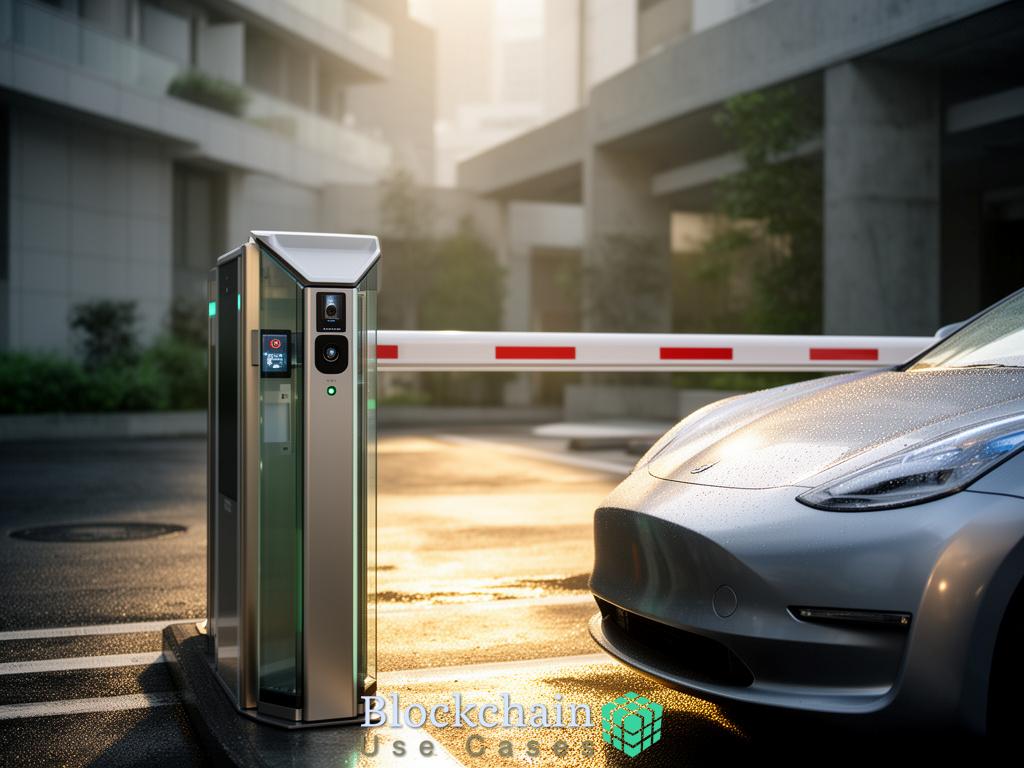
Security and user privacy are upheld through cryptographic keys that protect personal details while still allowing verifiable access for compliance and auditing. For instance, drivers can engage with the platform anonymously, while each financial trace remains publicly auditable, ensuring both individuals and operators benefit from a fair and traceable process. This dual balance of privacy and transparency has made blockchain-based smart contracts the preferred framework for next-generation mobility payments.
Beyond payment automation, smart contracts redefine access control in smart parking infrastructure. Upon successful booking and verification, a unique access token—secured on the blockchain—is generated. When the vehicle approaches the parking gate, IoT sensors interact with the blockchain ledger to confirm the token’s authenticity. This allows instant, contactless entry without physical tickets, QR scans, or manual validation. In the event of a schedule change or cancellation, the linked smart contract automatically adjusts permissions and updates all nodes, ensuring consistency throughout the decentralized ecosystem.
Each action—entry, duration of stay, and exit—is recorded via distributed consensus, meaning that no single entity controls or can falsify access events. This approach not only prevents unauthorized use but also strengthens accountability for both operators and users. The transparency empowered by blockchain also enables real-time audits of space utilization, occupancy trends, and user behavior, assisting municipalities in optimizing parking allocation and reducing overall congestion.
The fusion of predictive analytics and smart contract frameworks introduces new capabilities for adaptive management. By connecting IoT-generated data streams with contract logic, cities can automatically adjust rates and availability based on demand, weather conditions, or event schedules. These autonomously adapting contracts provide dynamic pricing and automated billing, aligning user costs with real-world conditions without administrative oversight. Machine learning models trained on immutable blockchain data continuously refine these algorithms, creating a living ecosystem where efficiency improves over time.
Ultimately, smart contract mechanisms transcend automation — they embody the core principles of trustless collaboration and efficiency. As global cities migrate toward fully integrated digital infrastructure, the deployment of automated payment and access control systems powered by decentralized ledgers is not just an incremental upgrade; it represents a foundational shift toward transparent, equitable, and self-regulating urban ecosystems.
Scalability and Interoperability in Decentralized Parking Systems
As IoT and blockchain technologies continue converging within smart cities, one of the most critical challenges in maintaining their long-term viability is achieving both scalability and interoperability. Decentralized parking ecosystems must process thousands of real-time transactions simultaneously, all while ensuring compatibility between heterogeneous platforms, devices, and service providers. The evolution of these systems demands a robust framework capable of expanding seamlessly and integrating universally, ensuring that urban mobility infrastructure keeps pace with growing data demands and cross-network interactions.
Unlike traditional centralized models, decentralized architectures must efficiently manage explosive increases in connected devices and transactions. As more vehicles, sensors, and digital wallets engage with blockchain-based parking applications, transaction throughput and latency become decisive factors for user satisfaction. To address this, advanced consensus mechanisms such as Proof of Stake (PoS) and Delegated Proof of Authority (DPoA) are now being leveraged to reduce bottlenecks. By optimizing block verification times and distributing computational loads across nodes, these protocols enable cities to scale their systems without compromising performance or trust.
Furthermore, the introduction of Layer-2 solutions—parallel transaction channels operating on top of primary blockchains—provides an added layer of flexibility. These off-chain processing models allow micro-transactions related to parking bookings, renewals, and cancellations to occur instantaneously, only recording the final summary on the main blockchain. This dynamic allocation of transaction loads not only improves speed but also significantly reduces energy consumption, aligning with sustainability goals in urban infrastructure. As citywide networks expand, this modular scalability ensures continued reliability and high performance even under peak occupancy scenarios.
A comparison of scaling strategies in decentralized parking systems highlights the tangible benefits of modular architectures over linear expansion models:
| Scaling Strategy | Implementation Focus | Advantages |
|---|---|---|
| Horizontal Scaling | Adding new nodes dynamically | Enhanced fault tolerance and capacity expansion |
| Vertical Scaling | Upgrading processing power of existing nodes | Improved throughput with minimal topology changes |
| Layer-2 Integration | Off-chain transaction management | Real-time responsiveness and lower network congestion |
As the number of blockchain frameworks and IoT devices grows, interoperability becomes fundamental to the unified operation of decentralized parking ecosystems. A smart parking reservation made on one network must seamlessly interact with payment systems, identity solutions, and IoT sensor frameworks across other platforms. Without interoperability, isolated blockchain networks risk creating data silos—undermining the citywide coordination that smart urban infrastructure demands.
To overcome this, interoperability frameworks are emerging that utilize cross-chain communication protocols and standardized APIs. These systems enable different parking platforms to exchange verifiable data regarding space availability, payment validation, and driver authentication. For instance, a driver from one municipality can use the same blockchain identity credential to reserve a space in another district’s network, with all interactions processed via interoperable smart contracts. This decentralized federation model reduces friction across networks and enhances mobility accessibility for residents and visitors alike.
Beyond functionality, semantic interoperability—the ability for machines to understand and contextualize shared data—is transforming how IoT-based systems communicate. By adopting standardized data taxonomies and open protocols, IoT devices embedded across parking infrastructures can exchange accurate real-time data, regardless of manufacturer or blockchain type. This harmonization enables predictive algorithms to aggregate readings from multiple sources, producing a more comprehensive urban mobility insight. The result is a multi-layered, interconnected infrastructure that evolves cohesively rather than in isolated technological pockets.
Ultimately, scalability and interoperability form the dual pillars upon which the next generation of decentralized parking networks will stand. A city’s smart mobility resilience depends not only on how efficiently it grows but also on how seamlessly it connects. By fostering adaptive scaling and universal compatibility, decentralized IoT-based parking ecosystems are transforming from localized convenience solutions into globally scalable frameworks—laying the groundwork for a more unified, efficient, and trustworthy urban future.
Data Privacy and User Trust in Distributed Smart Parking Networks
As cities embrace decentralized IoT-based parking infrastructures, concerns surrounding data privacy and user trust have become as vital as technical performance. The transition from centralized oversight to distributed networks means that sensitive parking data, user identities, and financial transactions are no longer stored in a single repository. While this shift inherently strengthens cybersecurity, it also demands rigorous governance models that ensure transparency without compromising anonymity. Striking the balance between open accountability and private user interactions is the cornerstone of sustainable adoption in distributed smart parking ecosystems.
Every interaction within a decentralized parking network—from parking space detection to final payment—is an exchange of digital information. Privacy-by-design frameworks play a crucial role in securing these data flows from end to end. Through advanced cryptographic schemes like zero-knowledge proofs and homomorphic encryption, users can authenticate transactions without revealing any personally identifiable information. Rather than exposing driver profiles or vehicle IDs, these cryptographic operations confirm legitimacy through mathematical proofs, ensuring that the system recognizes a valid entity without learning unnecessary details. This approach transforms user validation from a potentially invasive process into a secure, trustless verification model.
Moreover, the decentralized architecture enforces data minimization principles. Instead of aggregating full datasets on single nodes, only essential fragments are distributed across the network, each encrypted and anonymized before validation. This mitigates mass data breach risks, as no node holds the complete record. When paired with blockchain’s immutable ledger, users gain confidence knowing that recorded transactions cannot be altered or exploited post-confirmation. Operators, on the other hand, can demonstrate regulatory compliance and ethical data stewardship, reinforcing citizens’ trust in automated mobility solutions.
Trust in decentralized smart parking systems extends beyond encryption; it hinges on creating ethical transparency and verifiable fairness. Users must feel assured that their data is being used responsibly and that automated decisions are guided by equitable logic. Blockchain transparency allows all stakeholders—citizens, operators, and policymakers—to access a verifiable record of transactions and operational rules. Each event, from price adjustments to service maintenance, can be traced through auditable smart contracts that prevent unilateral manipulation or hidden policy changes. This verifiability is the digital embodiment of fairness, replacing blind reliance on centralized entities with cryptographic assurance of integrity.
Decentralized parking governance models increasingly incorporate distributed identity management systems, empowering users with full ownership of their personal data. Instead of creating multiple accounts across different service providers, drivers maintain a single blockchain-verified identity key. When they interact with a parking network, only the necessary credentials are shared, reinforcing both privacy and convenience. This method removes intermediaries and cuts down on data silos, ensuring consistent privacy protection across interconnected urban ecosystems. In addition, community-driven consensus protocols ensure that system upgrades, policy changes, or data-sharing terms are collectively approved, reflecting a democratic, participatory form of urban governance.
The future of IoT-based decentralized parking networks depends not only on secure architecture but also on building ongoing confidence through independent audits and continuous verification mechanisms. Third-party validators and AI-driven monitoring tools can assess the network’s compliance with ethical standards, cybersecurity norms, and local data protection laws in real time. Every transaction, encrypted but traceable, contributes to a living audit trail that protects both user rights and operator accountability. This automated transparency reduces potential misuse and helps authorities identify anomalies before they escalate into systemic vulnerabilities.
When privacy assurance and trust-building mechanisms converge within decentralized systems, the result is not only a secure parking ecosystem but also a model for the digital cities of tomorrow. By embedding data sovereignty, algorithmic transparency, and community-driven oversight into the operational fabric, these networks redefine the relationship between citizens and city infrastructure. In a world where data equals value, trust becomes the currency of smart urban living — and decentralized parking systems are emerging as one of its most credible custodians.