

Understanding the Barriers to Financial Inclusion
Access to financial services remains one of the most critical components of economic empowerment, yet billions of people across the globe remain excluded from basic banking systems. These unbanked or underbanked populations face persistent challenges in accessing savings, credit, and insurance—limiting their ability to participate in the global economy. As blockchain technology emerges as a transformative force, understanding the barriers that prevent financial inclusion becomes essential to creating effective, sustainable solutions.
Socioeconomic and Structural Barriers to Banking Access
Despite advances in digital finance, various socioeconomic and structural factors hinder individuals from entering the formal financial system. Low-income households typically lack the necessary documentation, stable income sources, or trust in traditional banking institutions. Moreover, rural populations often reside far from financial infrastructures, making physical access a recurring challenge.
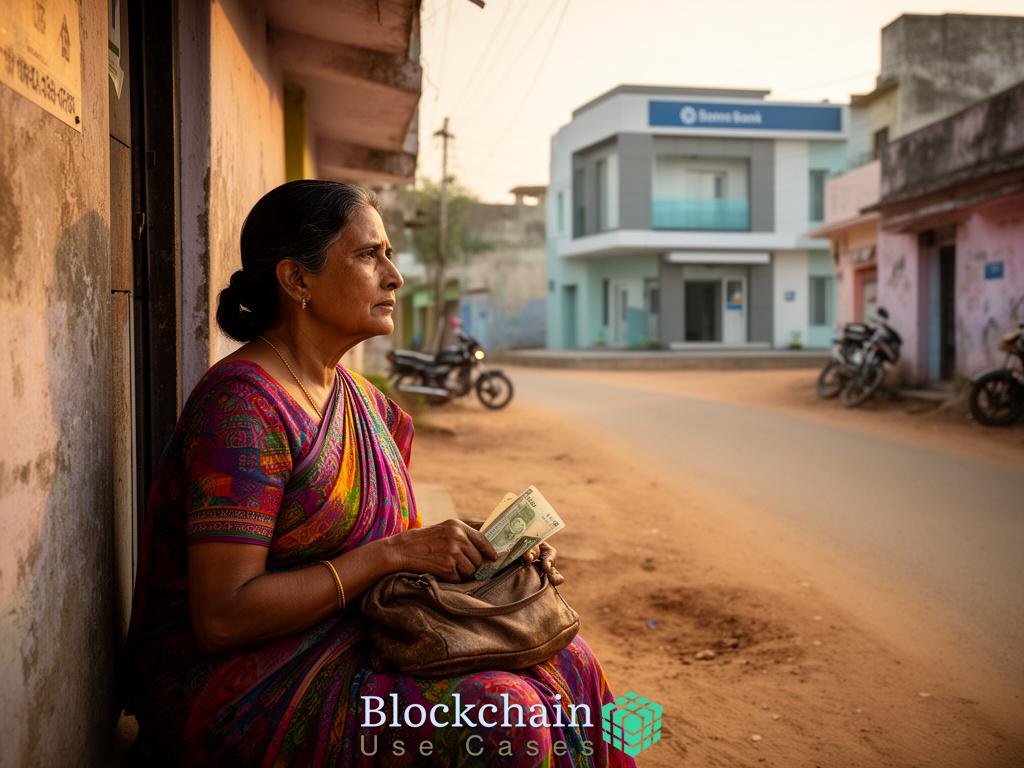
Below is a descriptive table outlining key socioeconomic barriers and their direct impacts on financial inclusion.
| Barrier | Impact on Financial Inclusion |
|---|---|
| Lack of Identification | Prevents individuals from meeting regulatory requirements to open accounts. |
| Geographic Isolation | Limited access to physical bank branches or ATMs in remote areas. |
| Low Financial Literacy | Inability to understand or trust digital or traditional financial instruments. |
| Poverty and Income Instability | Minimal ability to save or maintain regular account balances. |
Technological, Cultural, and Policy-Based Challenges
While technology offers new opportunities to overcome financial exclusion, it also introduces fresh challenges. Many unbanked populations lack smartphones, stable internet connectivity, or digital literacy, which makes the transition to online financial tools complex. Cultural hesitations and policy inconsistencies can further discourage engagement with modern financial solutions.
Before blockchain and decentralized finance can truly empower the unbanked, these overlapping factors must be addressed through collaboration among governments, financial institutions, and technology providers. Awareness and regulation play a crucial role in establishing both trust and accessibility.
Key Comparison List: Below are the critical contrasts between traditional banking barriers and the potential technological improvements offered through digital or blockchain innovations.
- Traditional Banking: Requires physical presence, documentation, and centralized approval processes.
- Blockchain-Based Systems: Promote decentralized verification, lower entry costs, and support digital identity solutions.
- Legacy Challenges: Limited transparency and slow transactions.
- Blockchain Advantage: Immutable, open ledgers supporting higher trust levels across borders.
Bridging the Divide with Innovative Frameworks
As blockchain and fintech platforms evolve, they present new possibilities for financial inclusion—transparent transactions, decentralized identity management, and low-cost remittances among them. However, technological solutions must integrate with educational programs, regulatory support, and shared infrastructures to achieve scalability and long-term sustainability.
The next phase of financial inclusion requires a combined effort between innovation and inclusion-focused policies. Understanding barriers is not merely an academic exercise—it is the foundation upon which equitable access to financial tools will be built worldwide.
Blockchain as a Tool for Democratizing Financial Access
The integration of blockchain into global financial systems is redefining how access to economic resources can be distributed across populations. As billions remain outside the formal banking framework, blockchain technology emerges as a decentralizing force that can dissolve long-standing barriers in finance. This technology is not merely a digital ledger—it is a structural innovation capable of building trust where institutional confidence is low and financial infrastructure is minimal. The democratization of finance depends on systems that are transparent, inclusive, and autonomous, and blockchain offers the architecture to create such ecosystems.

Redefining Trust and Accessibility Through Decentralization
At the heart of blockchain’s transformative capability lies its decentralized structure. Unlike traditional banks, which rely on centralized approval mechanisms, blockchain operates through a distributed ledger system that records transactions across multiple nodes, preventing manipulation and exclusion. This feature allows individuals, even without bank-issued identification, to engage in verified transactions using digital identities and smart contracts. These innovations empower users by eliminating the need for intermediaries, thereby reducing costs and barriers to entry. Furthermore, blockchain introduces a form of financial transparency that builds a higher level of public trust, especially in regions where corruption or weak governance undermines conventional banking systems.
Accessibility is also profoundly enhanced by blockchain’s capacity to support microtransactions and peer-to-peer exchanges. For people living in areas without physical banks, this means being able to save, borrow, and transfer funds securely with only a mobile device or basic internet connection. The simplicity of participation aligns perfectly with the goals of financial inclusion, extending the benefits of secure and traceable economic activity to communities traditionally excluded from global markets.
Empowering Individuals and Communities Through Digital Economies
As blockchain technology evolves, it is enabling a new wave of economic empowerment through decentralized financial ecosystems. Through decentralized applications (dApps) and digital wallets, users gain the ability to hold assets, invest, or receive remittances without intermediaries or high fees. This is particularly significant for migrant workers who rely on cross-border transfers—blockchain solutions can streamline this process, ensuring faster, more transparent transactions at a fraction of conventional banking costs. Moreover, local entrepreneurs and small businesses can access global funding opportunities through tokenization and crowdfunding platforms built on blockchain networks.
The rise of decentralized finance (DeFi) further expands this empowerment, offering credit, insurance, and savings mechanisms outside of traditional frameworks. This reconfiguration of economic participation symbolizes a shift from dependency on institutions to community-driven finance. When paired with education and supportive regulation, blockchain can be the key to an inclusive financial revolution, turning financial access into a universal right rather than a privilege. The transformative potential lies not only in technology itself but in its ability to reshape global perceptions of ownership, opportunity, and trust in the digital age.
Digital Identity and Trust in Blockchain Networks
In the rapidly advancing landscape of digital finance, the role of trust and identity has become central to the mission of achieving global financial inclusion. While blockchain technology has already begun breaking down barriers related to accessibility and transparency, its most promising frontier lies in establishing secure digital identities that empower individuals to engage confidently in economic activities. A reliable and verifiable identity is a prerequisite for any person wishing to access financial services, and blockchain’s immutable framework offers an unprecedented way to provide that security. By decentralizing the ownership of identity data, blockchain gives individuals control over their financial footprint — a foundational step toward a more inclusive digital economy.
Building a Decentralized Foundation of Trust
Traditional banking systems depend heavily on centralized authority. A bank, government, or regulatory body verifies who you are, decides whether your documentation is valid, and determines your eligibility for participation. This structure has historically excluded millions who lack legal identification or live in areas without institutional representation. Blockchain-based digital identity systems disrupt this model by shifting the trust mechanism from organizations to mathematics — a validation process coded into algorithms and distributed across multiple nodes. Each transaction and identity claim is recorded in an immutable public ledger, drastically reducing fraud, forgery, and dependency on intermediaries. The result is a community-verified network where trust is algorithmically ensured rather than institutionally mandated.
This decentralization of identity not only supports greater inclusivity but also provides a mechanism for financial self-sovereignty. Individuals can verify their personal information only when they choose, share select pieces of data rather than entire documents, and protect sensitive details from misuse. For communities traditionally excluded from formal identification systems — such as refugees, rural populations, or informal laborers — blockchain-based identity networks offer a new chance at financial visibility. By establishing trust through transparency and consensus, these systems essentially turn each participant into a stakeholder in a global trust economy.
Identity, Security, and the Future of Financial Empowerment
The implications of secure digital identities go far beyond access. A blockchain-linked identity acts as a gateway to multiple economic and social benefits — from opening digital wallets and accessing microloans to building online credit histories. Security and privacy remain integral to this model. Each identity is cryptographically protected, meaning personal information cannot be altered or duplicated without network consensus. For developing economies where identity theft and fraud are prevalent, this framework redefines what it means to feel secure in digital transactions. In essence, blockchain replaces the fragility of paper-based identity with the strength of encrypted consensus.
In addition to direct financial empowerment, blockchain identities strengthen the relationship between users and governments, allowing the development of transparent welfare systems, traceable subsidy programs, and fraud-resistant voting structures. This multifaceted trust network, supported by decentralized infrastructure, can serve as the foundation for equitable participation in the new digital economy. The evolution of identity on the blockchain is not merely a technological upgrade—it represents a paradigm shift in how societies define inclusion, ownership, and trust itself.
As blockchain adoption continues to expand, its capacity to provide every individual with a verifiable, secure, and self-controlled identity will be the cornerstone of sustainable financial inclusion. By merging technology with ethics, and verification with empowerment, blockchain networks hold the potential to transform financial systems into instruments of true global equality—bridging the gap not only for the unbanked but for the unseen and uncounted as well.
Real-World Implementations and Case Studies
Across the world, blockchain technology is moving beyond theory and into tangible impact — transforming the financial realities of those once excluded from the global economy. The journey from conceptual promise to real-world practice demonstrates blockchain’s potential not just as a technological innovation, but as a tool of empowerment and equity. By marrying decentralization with transparency, blockchain-led projects are redefining how underserved communities interact with financial systems, creating a new foundation of trust in regions where traditional infrastructure has faltered. This momentum is visible through emerging initiatives that combine digital identity, transparent recordkeeping, and decentralized financial access to deliver inclusion at scale.
Transformative Blockchain Initiatives in Developing Economies
From Africa to Southeast Asia, blockchain is bridging the financial divide through practical, outcome-driven implementations. In Kenya, blockchain-based microfinance platforms are enabling rural women to access small loans using digital identities rather than physical documents. Through community-backed verification and smart contracts, participants can build a verifiable credit history, opening avenues for future borrowing and business growth. Similarly, in the Philippines, decentralized remittance networks are revolutionizing how migrant workers send money to their families. By cutting transaction fees and processing time drastically, blockchain solutions not only make transfers faster but also more secure, giving workers greater control over their finances.
In Latin America, blockchain has become a stabilizing force in regions affected by currency volatility. Projects such as local digital currencies backed by blockchain have provided communities with alternatives to hyperinflated tender, allowing for transactions and savings to occur in a stable, transparent ecosystem. The key takeaway from these projects lies in their adaptive model — a technology that learns from the community’s needs rather than imposing uniform systems. This localization of innovation ensures that blockchain’s integration into financial inclusion stays relevant, ethical, and impactful. Each implementation validates a broader truth: decentralization can scale, but it must empower the user first.
Measurable Impact and Future Horizons of Financial Equality
The promise of blockchain in financial inclusion is best measured not solely by adoption rates but by tangible socioeconomic outcomes. Studies have shown that individuals engaging with blockchain-based microfinance tools experience improved savings habits and better access to entrepreneurship opportunities. For governments and humanitarian organizations, the technology offers a transparent ledger to distribute aid directly to recipients, reducing corruption and financial leakage. For example, digital wallets tied to blockchain IDs allow beneficiaries to spend funds securely without intermediaries, ensuring that every contribution reaches its intended target.
Another notable advancement comes from agricultural cooperatives employing blockchain to track product ownership and payments. Farmers can receive instant digital payments upon delivery of goods, minimizing delays that often cripple small-scale operations. These applications redefine the meaning of trust between consumers, producers, and financial institutions — replacing paperwork and bureaucracy with algorithmic integrity and verifiable transparency. What once required centralized authorization is now completed through collaboration and cryptographic proof.
As blockchain adoption continues to rise, its true challenge lies in achieving equilibrium between technology and governance. Effective regulatory frameworks, combined with user education and cross-sector partnerships, remain essential for blockchain to mature as a tool for equality. The future is not simply decentralized — it is inclusive by design, merging innovation with empathy to bring financial dignity to every individual, regardless of geography or income level. Through real-world implementations, blockchain is steadily turning the vision of financial inclusion into a global standard, not an exception.
Future Outlook for Blockchain-Driven Financial Inclusion
The evolution of blockchain technology is steering the global economy toward a new era of equitable finance, where inclusion is embedded in design rather than treated as an afterthought. As the unbanked and underbanked populations gain digital visibility, decentralized systems are moving beyond their initial novelty into sustainable frameworks for societal transformation. The coming years will define how collaboration, governance, and innovation merge to deliver a truly inclusive financial ecosystem—one that balances the promise of decentralization with the practical needs of communities worldwide.
Scaling Inclusion Through Strategic Innovation and Collaboration
The trajectory of blockchain-driven inclusion depends not merely on technological progression, but on the creation of a supportive global infrastructure. Governments, fintech enterprises, and non-governmental organizations are beginning to unite around common objectives—building frameworks that ensure access, trust, and usability. The next phase requires harmonized regulatory systems that can facilitate cross-border cooperation while safeguarding consumers. Dynamic alliances between central banks and blockchain platforms are expected to yield hybrid financial models, integrating digital currencies with decentralized identity structures. This convergence can minimize systemic risks while amplifying outreach to low-income populations.
Equally important is the proliferation of blockchain education. By enabling individuals to understand digital asset management, decentralized authentication, and smart contract operations, financial literacy can evolve in tandem with the technology itself. This alignment bridges the gap between innovation and adoption, ensuring blockchain remains an inclusive force that empowers rather than marginalizes the uninitiated.
Evolving Technologies Shaping the Next Era of Financial Equality
As blockchain matures, several emerging technologies are poised to reimagine how financial access is distributed and maintained. Integrations with artificial intelligence, Internet of Things (IoT), and quantum-resistant security protocols will deepen blockchain’s reliability and scalability. Such advancements promise an interoperable future—where data verification, credit assessment, and payment processing operate seamlessly across multiple systems. In rural economies, where traditional infrastructure remains fragmented, these integrations may unlock micro-economies and new pathways for economic independence.
Recent pilot programs also indicate that decentralized financial infrastructure will increasingly merge with national policy goals. Central Bank Digital Currencies (CBDCs) built upon blockchain principles serve as a bridge between state-backed financial assurance and decentralized flexibility. The result could be a blended ecosystem where transparency, accountability, and efficiency become universal standards for financial inclusion.
Key Forecasts and Milestones for Blockchain Empowerment
The momentum behind blockchain-led financial inclusion is accelerating. Analysts predict robust developments in scalability, accessibility, and user-centric design—paving the way for transformative progress over the next decade. Below is a concise projection summarizing expected trends that could determine blockchain’s lasting role in inclusive finance.
| Forecast Element | Expected Development | Impact on Inclusion |
|---|---|---|
| Regulatory Integration | Global alignment of blockchain compliance frameworks | Creates safer cross-border participation and investor confidence |
| Digital Identity Expansion | Universal adoption of self-sovereign identity solutions | Empowers individuals with verifiable, portable credentials |
| Blockchain-Backed Microfinance | Decentralized lending platforms with smart credit scoring | Enables access to credit for low-income and unbanked communities |
| DeFi and CBDC Convergence | Public-private blockchain alliances for hybrid finance systems | Balances decentralization with fiscal stability |
| Education and Capacity Building | Inclusion of blockchain literacy in global development programs | Strengthens participation and local innovation capacity |
The Road Ahead: The long-term sustainability of blockchain inclusion depends on its capacity to adapt ethically and equitably. Technological success alone cannot drive inclusion unless it operates within frameworks that respect diverse socio-economic realities. Therefore, the future of financial inclusion lies not just in decentralized systems but in reimagined partnerships that prioritize humanity at the center of digital finance. Blockchain’s evolution is no longer a question of whether it can empower the unbanked, but rather how equitably it can scale that empowerment across all corners of the globe.