Blockchain Integration in EV Charging Networks
The rise of electric vehicles (EVs) has transformed the global mobility landscape. However, as the number of EVs increases, so does the demand for reliable, transparent, and efficient charging infrastructure. Traditional centralized charging systems often face challenges related to data security, payment transparency, and operational inefficiencies. This is where blockchain technology steps in—offering decentralized solutions that can revolutionize EV charging networks and empower both providers and consumers.
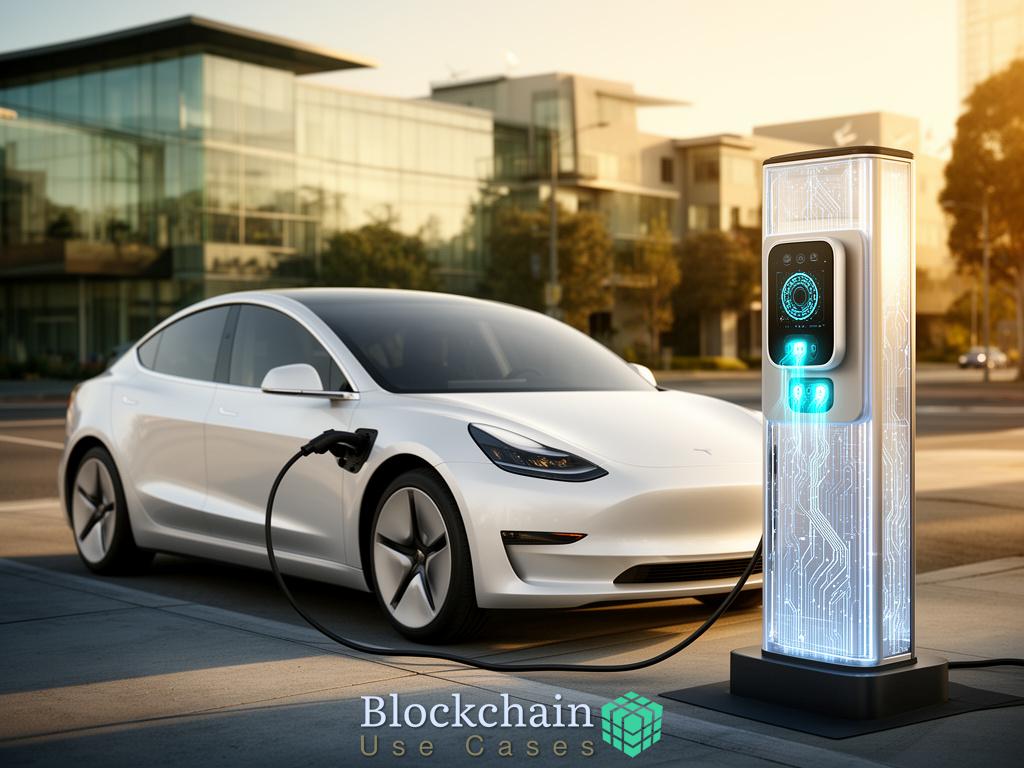
Blockchain’s capability to record and verify transactions securely in a decentralized environment provides an ideal foundation for managing EV charging operations. By minimizing the need for intermediaries, blockchain ensures seamless peer-to-peer (P2P) energy exchanges between EV owners and charging station operators. This technology not only enhances transparency but also democratizes the energy marketplace.
Imagine a system where EV users can connect directly with charging stations optimized by smart contracts. These contracts execute charging sessions, payments, and power distribution automatically and securely—reducing transactional friction and ensuring immediate settlements.
| Feature | Traditional Charging Systems | Blockchain-Integrated Networks |
|---|---|---|
| Data Management | Centralized databases prone to manipulation | Decentralized ledgers with immutable records |
| Payment Processing | Dependent on third-party payment gateways | Instant digital asset transactions via smart contracts |
| Operational Transparency | Limited visibility for users | Full transparency and traceability of energy exchanges |
The potential of blockchain integration in EV charging networks extends beyond just decentralization. By building trust and reducing costs, blockchain can facilitate the creation of new business models—such as peer-to-peer charging services and decentralized energy markets. Furthermore, blockchain supports interoperability between different charging networks, encouraging open collaboration.
To fully harness its benefits, strategic steps and technological considerations must be addressed. Integrating blockchain smartly involves understanding both its technical constraints and deployment opportunities within existing energy frameworks.
Key comparative aspects of blockchain-based EV charging ecosystems are summarized below:
- Data Security: Enhanced through encrypted, distributed ledgers ensuring privacy and integrity.
- Cost Efficiency: Reduced operational overhead by automating transactions and minimizing middlemen.
- Interoperability: Seamless collaboration across charging providers and platforms.
- User Empowerment: Enabling vehicle owners to buy or sell charging power directly, promoting self-sufficiency.
As governments and private players accelerate EV infrastructure development, blockchain is increasingly viewed as a strategic advantage. Nations with progressive renewable energy policies are experimenting with blockchain-powered microgrids, enabling decentralized and sustainable charging models. This integration not only future-proofs the EV infrastructure but also contributes significantly to the global transition toward greener economies.
The coming years will likely see more pilot projects and cross-industry collaborations focusing on blockchain-based energy distribution. Companies that adopt early will not only enhance operational efficiency but also gain a competitive edge in a rapidly evolving mobility ecosystem.
Smart Contracts for Automated Energy Transactions
As decentralized energy platforms gain traction, the concept of automating energy exchanges through smart contracts is redefining how electric vehicle (EV) charging ecosystems operate. These self-executing digital agreements are becoming the backbone of peer-to-peer (P2P) charging networks, ensuring that energy transactions occur seamlessly, securely, and without the need for third-party intermediaries. By embedding real-time logic into the blockchain infrastructure, smart contracts transform traditional billing and metering into a transparent and autonomous system that benefits both station owners and EV users.
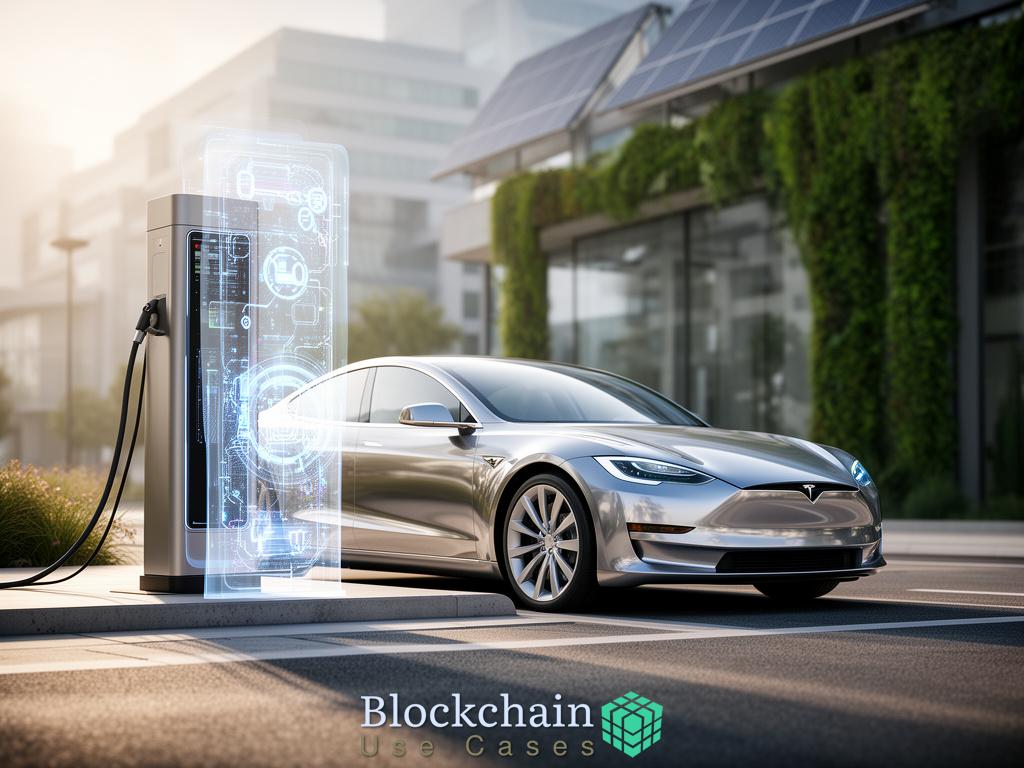
Smart contracts perform a critical role in automating processes that would otherwise require manual intervention or centralized coordination. When an EV connects to a charging point within a decentralized network, a pre-coded smart contract determines the rate, duration, and payment in digital assets—executing automatically once the charging cycle concludes. This not only eliminates billing disputes but also ensures instantaneous, tamper-proof settlements. In addition, smart contracts optimize the power distribution across multiple chargers by balancing energy flows based on real-time grid conditions and user demand, paving the way for more efficient use of renewable energy sources.
The comparative advantages of smart contract-driven models over traditional ones are evident in both technical and operational aspects. Below is an overview highlighting the key distinctions:
| Aspect | Traditional EV Charging | Smart Contract-Based EV Charging |
|---|---|---|
| Transaction Process | Manual approval and third-party verification required | Fully automated and self-verifying through blockchain code |
| Payment Settlement | Delayed due to intermediaries | Instant digital transfer using tokenized assets |
| Transparency | Limited visibility on energy rates and sources | Complete traceability via immutable ledger |
| Energy Optimization | Static distribution with limited flexibility | Dynamic and adaptive load balancing controlled by contract protocols |
By integrating smart contracts into decentralized platforms, the EV charging landscape gains a layer of trust that traditional platforms cannot match. Every charging session becomes a verifiable, autonomous event recorded permanently on the blockchain, safeguarding against fraud and ensuring compliance with energy regulations. This digital transparency also promotes fair energy pricing, allowing EV owners to engage in direct power exchange with the assurance that transactions are executed under predefined and irreversible terms.
Furthermore, the synergy between Internet of Things (IoT) devices and smart contracts unlocks even greater automation. IoT-enabled chargers can communicate directly with blockchain networks, enabling vehicles to identify nearby charging stations, authenticate themselves automatically, and trigger an instantaneous transaction once connected. The result is a seamless user experience, reduced administrative overhead, and the creation of a self-sustaining and equitable charging marketplace.
Ultimately, smart contracts are not merely technological tools but fundamental enablers of a trustless, decentralized, and user-centric EV charging ecosystem. As adoption accelerates, these systems will serve as the cornerstone for next-generation mobility infrastructures—driving progress toward a fully decentralized energy economy that values efficiency, transparency, and sustainability.
Enhancing Data Security and Transparency
The growing shift toward decentralized platforms in electric vehicle (EV) charging networks is reshaping how data integrity and transparency are maintained across energy ecosystems. As EV adoption accelerates globally, the need to secure digital interactions between users, service providers, and grid operators becomes a top priority. Blockchain-driven infrastructures offer a transformative approach that not only fortifies system reliability but also ensures that every data point, from energy sourcing to payment validation, remains verifiable and tamper-resistant.
Unlike conventional systems that rely on centralized servers, decentralized EV charging platforms utilize encrypted, distributed ledgers to record transactions. Each data entry—whether energy pricing, charging session details, or user identification—is stored across multiple nodes, making unauthorized modifications virtually impossible. This immutable structure enhances the trustworthiness of peer-to-peer exchanges by ensuring that all actions are traceable and validated without the need for third-party verification.
Such architecture is especially critical in preventing cyber intrusions and data tampering. Traditional centralized databases often present a single point of failure, while blockchain frameworks decentralize data control, ensuring resilience even if one node is compromised. Furthermore, energy authentication protocols built within these ledgers verify that the power distributed originates from legitimate and renewable sources. This contributes to a sustainable and transparent ecosystem where environmental accountability is inherently built into the system’s data architecture.
| Security Feature | Traditional Networks | Decentralized Platforms |
|---|---|---|
| Data Integrity | Vulnerable to centralized breaches | Protected by distributed consensus verification |
| Traceability | Limited visibility of transaction history | Full transparency across immutable ledgers |
| User Authentication | Dependent on external authorities | Autonomous validation via encrypted identity markers |
| Data Ownership | Controlled by central service providers | Empowers users with shared control and audit capability |
The integrity of decentralized EV charging networks lies not only in data security but also in transparency and accountability. Advanced cryptographic mechanisms, such as zero-knowledge proofs and multi-signature authentication, are redefining how users interact within these ecosystems. Each transaction is verifiable by all parties yet maintains user privacy by concealing personal identifiers. This creates a balanced model of openness and confidentiality, ensuring that trust is embedded within every energy transaction.
Additionally, blockchain-enabled transparency enables users to monitor energy origins, verify grid contributions, and access comprehensive transaction histories in real time. This builds public confidence, particularly as green energy verification becomes a regulatory requirement across several markets. By making operational data openly accessible, decentralized EV charging networks support a fairer competitive environment where pricing, performance, and sustainability metrics are visible to every participant.
Ultimately, decentralization heralds a new phase of energy democratization and ethical data management. With robust security frameworks and transparent verification processes, blockchain-powered EV charging systems transcend conventional limitations, positioning themselves as the cornerstone of a globally interconnected, sustainable, and secure energy future.
Economic Models for Decentralized Charging Infrastructure
The economic landscape of electric vehicle (EV) charging is undergoing a profound transformation, fueled by the emergence of decentralized energy platforms. As the adoption of blockchain-driven infrastructures continues to accelerate, the financial architecture supporting peer-to-peer (P2P) charging networks is shifting toward transparency, inclusivity, and efficiency. Decentralized economic models are redefining how participants—ranging from EV owners and station operators to grid providers—derive value, share resources, and interact economically within this expanding ecosystem. Unlike traditional centralized systems that concentrate revenue among a few service operators, decentralized networks enable a shared economy of energy—a system in which individuals can directly exchange and monetize charging power through secure digital contracts.
At the heart of the decentralized EV charging economy lies the concept of tokenization. Tokens serve as both a medium of exchange and a representation of value across blockchain-enabled networks. These digital assets facilitate direct settlement between parties while simultaneously incentivizing desired behaviors such as energy sharing, grid stabilization, or sustainable consumption. In tokenized marketplaces, each charging transaction becomes an autonomous micro-economy that contributes to the larger ecosystem. An EV owner who supplies excess renewable energy to the grid or to nearby vehicles can earn digital tokens, which can later be used to offset personal charging costs or traded on open energy markets.
This arrangement introduces dynamic pricing mechanisms governed by smart contracts—automated agreements that respond to real-time supply and demand conditions. As energy availability fluctuates throughout the day, token valuations adjust accordingly, encouraging users to charge or supply energy during optimal times. Consequently, decentralized charging ecosystems not only balance network loads but also promote greater economic efficiency. The integration of algorithmic market-making models ensures stability within these exchanges by maintaining equitable token circulation while mitigating price volatility, ultimately fostering long-term economic sustainability.
Decentralization is not merely a technological shift—it represents a reconfiguration of ownership and value distribution. Under traditional frameworks, charging infrastructures are managed by centralized utilities or corporations that control pricing and profits. In contrast, blockchain-based systems enable shared revenue models where multiple stakeholders can co-own and benefit from distributed charging assets. These can range from neighborhood micro-stations to community-powered solar chargers, where all participants collectively invest and share proceeds derived from charging transactions. This model strengthens local energy resilience while democratizing economic participation.
Such networks are increasingly adopting cooperative governance structures supported by decentralized autonomous organizations (DAOs). Members of a DAO can vote on system updates, pricing strategies, or new infrastructure developments, ensuring that decisions are transparent and community-driven. Revenue allocation is automated via smart contracts, eliminating administrative inefficiencies and enabling instantaneous income distribution. The following comparison illustrates how decentralized models contrast with conventional business frameworks in the context of EV infrastructure management.
| Aspect | Centralized Charging Networks | Decentralized Charging Ecosystems |
|---|---|---|
| Ownership | Controlled by corporate utilities or single entities | Shared among participants through tokenized or cooperative frameworks |
| Revenue Distribution | Profits concentrated in a few service providers | Equitable sharing across users and investors based on contributions |
| Pricing Mechanism | Fixed by central operators | Dynamic, market-driven, and governed by smart contracts |
| Capital Requirements | High entry barrier for infrastructure development | Lower entry costs through pooled community funding models |
| Transparency | Limited visibility of cost structures | Full disclosure via immutable blockchain records |
As decentralized charging platforms evolve, ensuring the long-term financial sustainability of these networks becomes critical. Investors and early adopters are exploring hybrid economic structures combining traditional financing mechanisms with blockchain-driven incentives. For instance, project-backed tokens can represent equity stakes in a specific charging infrastructure project, granting contributors recurring returns as the station generates revenue. This model encourages sustainable growth by aligning investor interests with network expansion goals.
Furthermore, decentralized energy exchanges are emerging as viable investment frontiers, where institutions can fund infrastructure projects while individuals participate in real-time trading of electricity credits. The scalability of such models hinges upon regulatory integrations that recognize blockchain-based energy tokens as legitimate tradable assets. As policy frameworks evolve to accommodate decentralized markets, the convergence of digital finance, renewable energy, and autonomous technologies will likely spearhead the next phase of global mobility innovation.
Ultimately, the economic backbone of decentralized EV charging networks lies in their ability to create equitable markets, reward sustainability, and ensure user autonomy. By transforming energy into a tradable, transparent, and community-governed asset, these networks not only challenge conventional business doctrines but also pave the way toward a future where mobility and energy economics coexist within a balanced digital ecosystem.