

Integrating Blockchain for Wildlife Data Transparency
As the global community intensifies its focus on conservation, emerging technologies like blockchain are becoming powerful allies in preserving endangered species. Transparent and immutable data records are essential for tracking wildlife protection activities, funding, and habitat conservation. By integrating blockchain into environmental efforts, stakeholders gain a real-time, verifiable mechanism to combat fraud and misinformation in conservation data reporting.
Organizations and governments often face difficulties validating claims related to animal populations, habitat restoration, and resource allocation. Blockchain addresses these challenges by enabling shared and immutable ledgers that record every conservation-related transaction. This enhances trust among NGOs, researchers, and donors, ensuring the authenticity of field data and the proper use of conservation funds. With blockchain, monitoring endangered species becomes a collaborative effort rather than a fragmented pursuit.
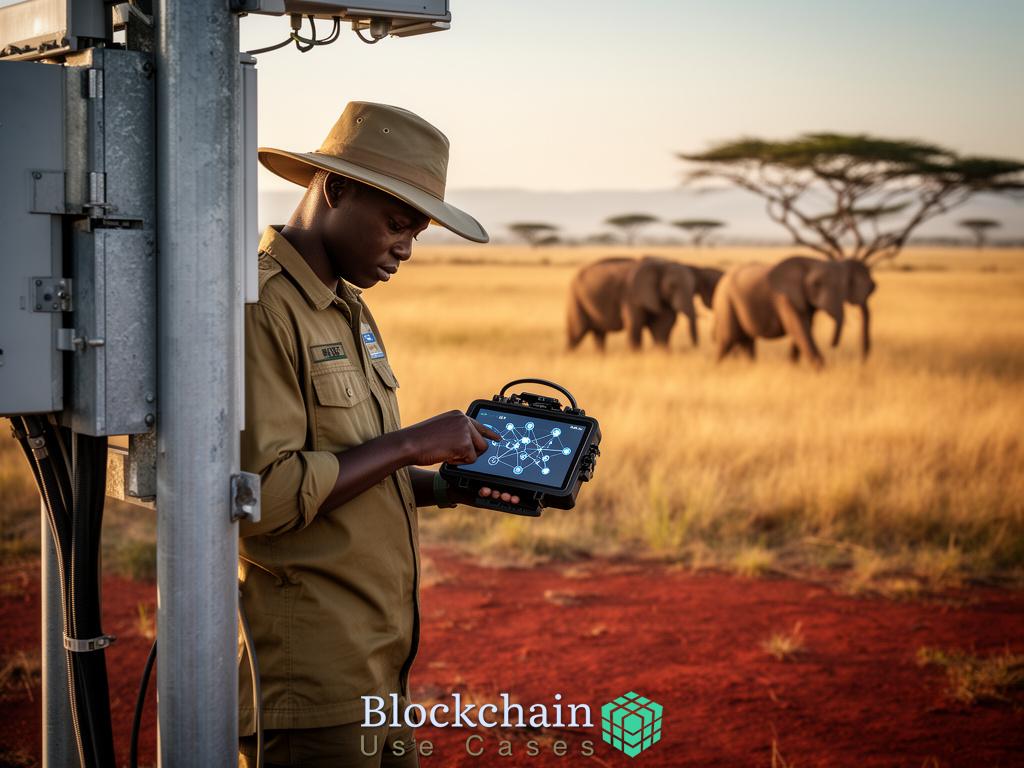
Implementing blockchain-based solutions allows the conservation community to align data from various regions and entities under a single, tamper-resistant system. This fosters transparency and ensures that progress can be tracked through verified data rather than estimates or self-reported numbers.
Implementing blockchain in conservation involves multiple steps—from data collection on the ground to secure storage in distributed ledgers. Each data point, whether it’s GPS tracking, population count, or habitat changes, can be entered into the blockchain with timestamped accuracy. This not only ensures credibility but also allows real-time analysis of wildlife trends across regions.
The following list outlines the key steps in integrating blockchain for wildlife data management:
- Data Collection: Sensors, field researchers, and satellites gather real-time ecological information.
- Data Verification: Blockchain validates information through consensus protocols before storage.
- Data Storage: Verified data is securely added to decentralized ledgers.
- Data Access: Stakeholders such as governments, NGOs, and donors access the same verified data.
- Data Utilization: Insights from blockchain records inform policy-making and funding allocation.
Each step strengthens accountability and ensures that no stakeholder can alter or manipulate information without detection. This digitized structure guarantees both accessibility and reliability in global wildlife conservation efforts.
The incorporation of blockchain has opened new frontiers in environmental transparency. Conservationists can now back their claims with verifiable data sources, and funding agencies can track financial flows from donor to field operations. The technology also supports cross-border collaboration, enabling nations to share unified conservation databases without compromising data sovereignty.
| Conservation Challenge | Blockchain Solution | Potential Impact |
|---|---|---|
| Poaching Data Manipulation | Immutable data records prevent unauthorized edits | Enhanced integrity of anti-poaching statistics |
| Funding Misuse | Smart contracts ensure funds are released per verified milestones | Accountable financial distribution |
| Data Silos | Shared decentralized systems link global stakeholders | Improved coordination across nations |
The evolution of blockchain within wildlife protection signals a shift toward digital accountability. Its adoption could pave the way for future initiatives combining blockchain with AI, IoT, and drone technologies to create a fully transparent ecosystem for species preservation worldwide.
Enhancing Conservation Accountability through Immutable Records
As environmental crimes grow increasingly sophisticated, maintaining trust in data related to wildlife protection has never been more critical. Blockchain technology introduces a groundbreaking solution—creating a trail of immutable records that ensure accountability from the field to global conservation networks. This innovation is transforming how organizations track animal populations, habitat recovery, and the distribution of resources, making every recorded action verifiable and tamper-proof.
The introduction of blockchain-based ledgers into conservation networks provides a unified platform for accurate and transparent recording of environmental activities. Each data entry, whether a field observation or a habitat restoration milestone, becomes part of an unchangeable timeline. This eliminates the gaps and inconsistencies that traditionally plague ecological reporting systems. Governments, donors, and NGOs can now cross-verify every transaction, ensuring integrity in both ecological impact measurements and financial management.

Immutable records not only prevent data alteration but also enhance credibility in international conservation agreements. By storing every change in wildlife population data, blockchain transforms accountability from a reactive to a proactive practice. This distributed structure encourages collaboration across institutions while guaranteeing that each stakeholder references the same, verified information.
Blockchain operates as a shared infrastructure that bridges conservationists, policymakers, and financial contributors within a transparent ecosystem. When field agents upload data—such as migration patterns or anti-poaching operations—it is immediately recorded with unique encryption keys, guaranteeing traceability. Such transparency reduces the potential for discrepancies between reported and actual conservation outcomes, fostering a higher degree of responsibility in project execution.
Furthermore, immutable blockchain entries enable progress audits without relying on manual verification. Analysts can therefore focus on evaluating results rather than investigating inconsistencies. The technology effectively minimizes corruption and misrepresentation, allowing conservation funds to be directed to legitimate and effective environmental initiatives.
The following table provides a comparison of how blockchain significantly advances environmental transparency and strengthens accountability in conservation systems:
| Aspect | Traditional Wildlife Data Systems | Blockchain-Integrated Conservation |
|---|---|---|
| Data Integrity | Prone to alteration and human error | Immutable and cryptographically verified |
| Transparency | Limited, often siloed among institutions | Shared visibility across stakeholders in real-time |
| Funding Oversight | Difficult to trace fund utilization | Smart contracts release funds upon verified outcomes |
| Data Verification | Manual, time-consuming validation | Automated consensus mechanisms ensure accuracy |
| Global Collaboration | Restricted by geographical and policy limitations | Cross-border, decentralized integration of conservation data |
By embedding blockchain within wildlife preservation frameworks, conservationists unlock unparalleled accountability and transparency. Below is an overview of the primary advantages associated with immutable record keeping:
- Enhanced Credibility: Every conservation action is permanently documented, building trust among stakeholders.
- Data Accuracy: Automated verification reduces manipulation and misinterpretation of field data.
- Financial Traceability: Smart contracts ensure fair and transparent allocation of resources.
- Operational Efficiency: Decentralized systems eliminate redundancies and accelerate data sharing.
- Long-Term Impact Measurement: Historical data can be continuously referenced for policy evaluation and scientific research.
As the conservation sector navigates a complex digital transformation, immutable blockchain records stand as the backbone of a new era of environmental accountability. By embracing these technologies, the global community ensures that efforts to protect endangered species are not only monitored but verified with precision, transparency, and enduring trust.
Leveraging Smart Contracts for Funding and Resource Allocation
As conservation projects increasingly embrace digital transformation, the application of smart contracts within blockchain systems emerges as a vital instrument in ensuring transparent, accountable, and efficient distribution of resources. Traditional conservation funding models often face challenges such as delayed fund disbursement, lack of verification mechanisms, and opaque reporting. Smart contracts—inherently self-executing agreements encoded on decentralized ledgers—address these inefficiencies by automating resource allocation once predetermined conditions are met. This innovation ensures that every financial or material contribution is released only when verified conservation milestones are achieved, fostering integrity and precision across environmental initiatives.
The integration of smart contracts into wildlife protection frameworks has redefined how conservation funding operates. When donors, governments, or international organizations commit resources to a project, those funds are often tied to specific ecological outcomes such as successful habitat restoration, verified species population growth, or completion of anti-poaching operations. Through blockchain technology, these outcomes are validated using real-time data from IoT sensors, satellite imagery, and field verification. Only when objective data confirms milestone completion do smart contracts automatically release corresponding funds. This process eliminates the need for intermediary verification, reduces administrative delays, and minimizes opportunities for corruption or resource mismanagement.
Beyond improving speed and efficiency, this system enhances transparency and donor confidence. Stakeholders can track fund movements across every stage of the project life cycle, ensuring that contributions are used precisely as intended. The immutable nature of blockchain records guarantees that no actor can retroactively modify financial or operational information. In effect, this approach transforms funding from a trust-based system into a data-verified transaction chain, where conservation success is both measurable and verifiable.
Smart contracts extend far beyond financial oversight—they play a crucial role in streamlining resource distribution. From deploying rangers to allocating supplies in remote conservation zones, blockchain-based automation ensures that resources are distributed efficiently and transparently. Once specific environmental triggers—such as deforestation alerts or wildlife migration updates—are recorded on the ledger, smart contracts can automatically initiate logistic support or dispatch emergency teams. This capability significantly enhances responsiveness and ensures that resources reach critical regions promptly, reducing dependency on manual approval systems that are prone to error or bias.
The introduction of programmable contracts also enables conservation organizations to align resource flows with ecological priority scoring models. By integrating artificial intelligence analytics, smart contracts dynamically adjust funding and resource allocation based on evolving biodiversity data. For instance, if a particular species faces an unexpected population decline, the blockchain system can automatically reassign additional funding or equipment to that area. These adaptive features not only promote efficient fund utilization but also embody a forward-thinking approach to conservation management, merging digital intelligence with ecological stewardship.
As blockchain continues to mature, the use of smart contracts in wildlife preservation stands out as more than a technological trend—it represents a transformation toward measurable accountability and proactive environmental governance. Each automated, condition-triggered transaction bridges the gap between donor intent and real-world ecological impact. In doing so, blockchain technology reinforces global trust, ensures resource integrity, and propels endangered species protection into a new era of digital transparency.
Challenges and Ethical Considerations in Blockchain-Based Conservation
As blockchain continues to reshape wildlife preservation efforts, its integration brings to light a complex mix of ethical dilemmas and operational challenges. While the technology offers unprecedented transparency and verifiability, its application in biodiversity conservation also raises questions about data ownership, accessibility, and potential ecological impact. Responsible implementation demands a careful balance between innovation and ethics—where the pursuit of accountability must not come at the expense of privacy, equity, or the environment itself.
One of the primary concerns surrounding blockchain in conservation is the delicate balance between transparency and confidentiality. Endangered species data—such as nesting coordinates, migration paths, or breeding habits—can be highly sensitive. Overexposure of such details could unintentionally facilitate poaching or illegal trade, especially if malicious actors gain access to real-time ecological information. Therefore, conservationists must tread carefully when deciding what data to record publicly and what to secure through encryption or permissioned ledgers.
Moreover, data sovereignty becomes increasingly complex in cross-border conservation areas. Many ecosystems span multiple jurisdictions, leading to questions over who ultimately controls, verifies, and benefits from shared conservation data. Developing standardized frameworks for international cooperation—where both transparency and respect for national policies coexist—remains one of the most pressing ethical priorities in blockchain-based wildlife protection.
While blockchain is hailed for its digital integrity, it faces scrutiny for its energy consumption and potential environmental costs. Traditional proof-of-work systems require immense computational power, leading to concerns that the technology meant to protect nature might paradoxically contribute to its degradation. Emerging eco-friendly models such as proof-of-stake and hybrid consensus mechanisms offer promising solutions, yet their adoption across global conservation networks is still in its infancy.
Beyond environmental implications, the digital divide between technologically advanced nations and developing regions presents another ethical challenge. Many biodiversity hotspots exist in areas with limited internet infrastructure or technological literacy. If blockchain applications are to be truly inclusive, conservation initiatives must prioritize equitable access to resources, training, and capacity building. Failing to address these disparities could inadvertently centralize control in the hands of a few technologically dominant institutions, contradicting the decentralized ethos of blockchain itself.
Governance plays a vital role in ensuring that blockchain-based conservation remains ethically responsible and socially sustainable. Once data is written onto a blockchain, it cannot be altered—a feature that can simultaneously protect integrity and create ethical complications. For instance, errors or misinterpreted data about species populations, once recorded immutably, can influence international policy decisions and funding allocations. Designing protocols for resolving such discrepancies without undermining data permanence represents a significant governance challenge.
Furthermore, ethical governance extends to community consent. Indigenous populations often inhabit conservation regions and possess invaluable traditional ecological knowledge. Ethical blockchain systems must recognize their rights over data and ensure that information sharing does not exploit or marginalize local communities. Transparency should thus go hand in hand with inclusivity, built on mutual agreement rather than unilateral digital documentation.
Key Ethical and Operational Dilemmas in Blockchain-Based Conservation
Below is an overview of some of the prominent ethical and technical dilemmas observed in blockchain-integrated wildlife conservation and possible mitigation priorities.
| Challenge | Potential Risk | Mitigation Approach |
|---|---|---|
| Data Exposure | Endangered species locations at risk of exploitation | Encrypted or permissioned blockchain layers for sensitive information |
| Energy Consumption | High carbon footprint undermines conservation goals | Adoption of low-energy consensus protocols and green blockchain models |
| Governance Gaps | Ambiguity over data control across borders | International policy harmonization and transparent data ownership frameworks |
| Community Exclusion | Marginalization of indigenous groups and local ecological contributors | Participatory data collection and community-governed blockchain nodes |
| Data Inaccuracy | Permanent record of flawed conservation information | Implementing pre-validation protocols and multi-party oversight mechanisms |
As conservation networks evolve into increasingly digitized ecosystems, addressing these multifaceted challenges remains central to maintaining ethical integrity. The success of blockchain in endangered species protection depends not only on technological advancement but also on the global community’s ability to embrace responsible innovation. Building transparent, inclusive, and ecologically sustainable digital infrastructures ensures that technology strengthens rather than overshadows the mission to preserve life on Earth.