
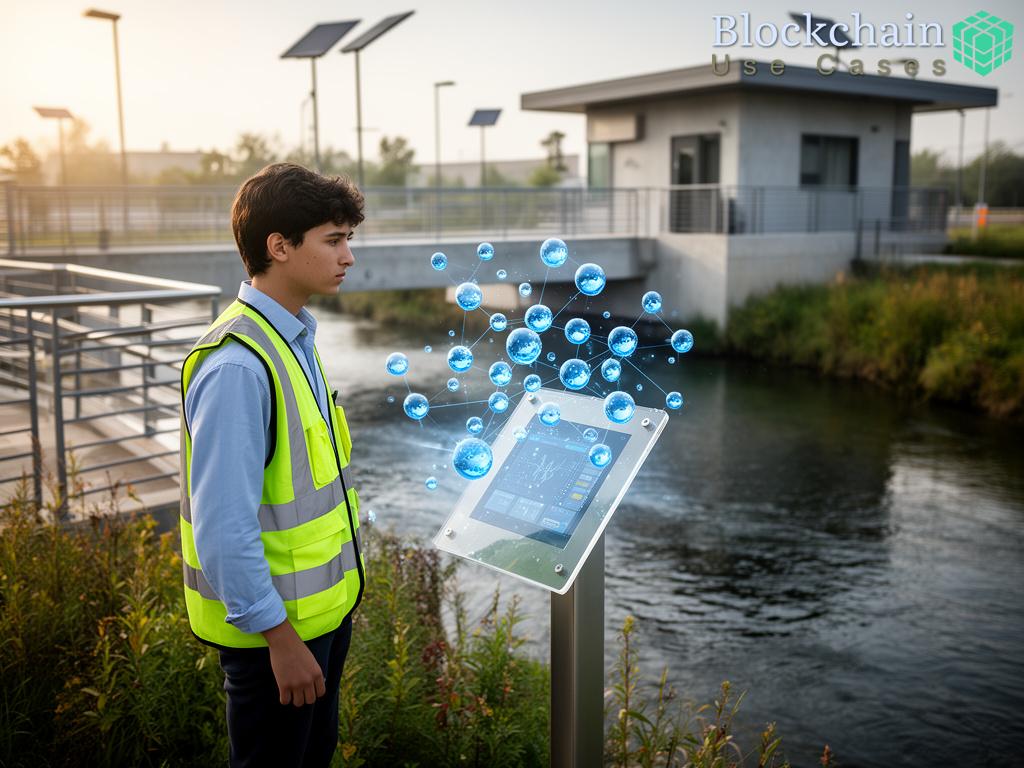
Introduction to Blockchain in Water Resource Management
As global water scarcity intensifies and the demand for accountability in resource management grows, blockchain technology is emerging as a transformative tool. Governments, NGOs, and environmental organizations are increasingly turning to distributed ledger systems to ensure transparency, track funding, and verify the real-time progress of clean water projects across remote and vulnerable regions.
Revolutionizing Accountability through Decentralized Transparency
In traditional water management systems, there are often challenges in verifying how funds are allocated and used for infrastructure projects. Blockchain introduces a decentralized ledger, enabling every participant — from policymakers to citizens — to view verifiable and immutable data records. This fosters greater trust, reduces corruption risks, and ensures that the targeted communities receive the intended benefits.
By storing project milestones and expenditure details on a shared ledger, blockchain provides a digital trail that can be audited at any time. This transparency boosts donor confidence and supports government compliance with international sustainability goals.
Enhancing Efficiency and Trust in Water Supply Ecosystems
Beyond transparency, blockchain contributes to more efficient water resource management systems. When used with IoT devices and sensors, real-time data about water quality and distribution can be securely stored on the blockchain. This integration not only ensures data integrity but also enables predictive maintenance and optimal use of water assets.
Many developing regions face barriers such as fragmented records and intermediaries in their water project implementations. With blockchain, smart contracts can automate many of these processes, improving transaction speed and reducing the potential for human error or manipulation.
Comparative Overview: The table below illustrates key differences between conventional and blockchain-based management approaches in clean water initiatives.
| Aspect | Traditional System | Blockchain-Based System |
|---|---|---|
| Data Transparency | Centralized and limited access | Decentralized and fully traceable |
| Fund Tracking | Prone to delays and misreporting | Immediate verification and automated logging |
| Accountability | Dependent on third-party audits | Ensured through immutable ledger entries |
| Operational Efficiency | Manual verification and paperwork | Automated processes through smart contracts |
Implementing Blockchain for Real-World Water Solutions
For blockchain integration to succeed in the water sector, multi-stakeholder collaboration is crucial. Governments, technology providers, and local agents need frameworks that balance data privacy with transparency. Pilot projects are already paving the way — from validating groundwater quality in Africa to tracking carbon-neutral desalination projects in the Middle East.
The following list outlines the Key Steps for implementing blockchain in clean water management projects:
- Assessment: Evaluate the water system’s data collection maturity and existing digital infrastructure.
- Integration: Connect IoT sensors and monitoring devices to the blockchain ledger for real-time data entry.
- Regulatory Alignment: Ensure compliance with environmental and data protection laws.
- Collaboration: Engage local communities, regulators, and donors for transparent oversight.
- Scaling: Expand the blockchain framework across regions based on pilot outcomes.
As blockchain technology evolves, its role in securing and optimizing water resources will likely expand. By marrying sustainability with technology, blockchain offers a genuine path toward equitable and accountable water distribution worldwide.
Enhancing Transparency Through Decentralized Data Recording
In a world where every drop counts, the credibility and transparency of water project implementations have become more important than ever. Blockchain technology, with its decentralized nature, offers a trustworthy digital environment for managing, monitoring, and authenticating every step of a clean water initiative. As global populations grow and the competition for limited freshwater resources intensifies, transparent tracking through blockchain could be the solution that bridges the gap between sustainability targets and on-ground realities.
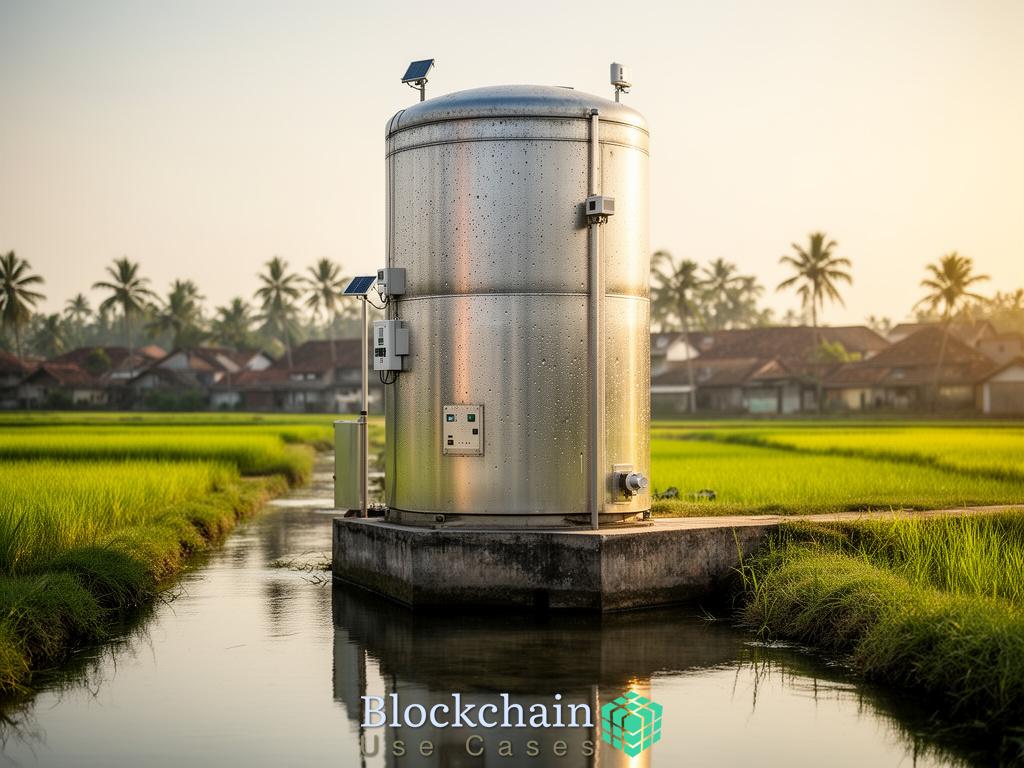
Decentralized Data Recording for Real-Time Accountability
One of the most transformative aspects of blockchain in clean water initiatives lies in its ability to create tamper-proof and distributed data records. Each transaction — whether involving funding, infrastructure updates, or water quality metrics — is permanently logged onto the blockchain ledger, making it accessible, verifiable, and resistant to manipulation. This decentralized architecture eliminates the traditional dependence on central authorities, ensuring that no single entity can alter or obscure information once it is recorded.
Real-world examples highlight how this approach increases trust within communities. When water usage data and financial flows are openly visible on a distributed ledger, both beneficiaries and donors can monitor progress instantaneously. For instance, community members in rural regions can validate when filtration systems were installed or when maintenance activities occurred, empowering local governance and reducing the risk of project mismanagement. The result is a new paradigm where transparency becomes an ingrained characteristic of operational workflows, rather than a retrospective requirement.
Integrating Advanced Analytics and Immutable Records
Blockchain technology does not only serve as a storage mechanism; it also acts as a foundation for advanced analytical frameworks. When paired with Internet of Things (IoT) devices and environmental sensors, blockchain captures a continuous stream of water-related data — from purity levels to pressure metrics — all encrypted and timestamped for authenticity. This integration enables predictive analysis that helps identify inefficiencies in distribution networks and ensures that projects remain compliant with regulatory standards.
Moreover, blockchain-based transparency offers measurable improvements compared to traditional systems. The following table demonstrates the practical advantages brought by decentralized data recording in clean water management ecosystems.
| Feature | Traditional Record-Keeping | Blockchain-Enabled Transparency |
|---|---|---|
| Data Security | Vulnerable to unauthorized modifications | Immutable and cryptographically secured |
| Data Accessibility | Restricted to intermediaries or institutions | Open access for verified stakeholders |
| Traceability | Requires manual tracking and audits | Automatic traceability throughout project life cycle |
| Operational Integrity | Dependent on periodic reporting | Ensured by continuous digital verification |
Such advancements are reshaping donor relations and public oversight within the water sector. By offering a single version of truth accessible to all participants, blockchain fosters collaborative governance where accountability, accuracy, and efficiency coexist harmoniously.
Building Confidence Through Data Integrity and Global Collaboration
The widespread adoption of decentralized data systems in clean water initiatives also promotes stronger collaboration across sectors. When governments, NGOs, and private partners operate on shared ledgers, coordination becomes streamlined. Project milestones, funding releases, and maintenance schedules can be publicly verified, enabling stakeholders to act on the same data foundation. This not only accelerates project delivery but enhances confidence among international donors who seek measurable impact and transparent operations.
In this digital transformation journey, ensuring data integrity is not just a technical exercise but a cornerstone of sustainable progress. By aligning local water governance models with global digital standards, blockchain allows resource management to transcend bureaucratic limitations. The collective outcome shapes a more resilient and accountable future for the water sector — one where technology and trust flow together as seamlessly as the clean water it seeks to deliver.
Stakeholder Accountability and Real-Time Monitoring
As clean water initiatives expand across communities and continents, stakeholder accountability and real-time monitoring have become critical pillars for ensuring transparency and trust. Blockchain technology, with its distributed and tamper-proof architecture, is redefining how governments, NGOs, contractors, and local citizens interact within water project ecosystems. By embedding transparency directly into the operational framework, blockchain eliminates opacity and fosters a collaborative environment where every transaction, update, and data input becomes verifiable and accessible to all relevant parties.
Redefining Accountability Through Shared Digital Ecosystems
Traditional water management programs often rely on multilayered administrative structures that can lead to inefficiencies and a loss of trust. With blockchain, stakeholder accountability is embedded into every process. Each contribution—from fund disbursement to equipment installation—is recorded in an immutable ledger visible across the network. This gives rise to a shared digital ecosystem where transparency is no longer an afterthought but a foundational design element. When a donor releases funds for a new borehole or a government agency approves a maintenance cycle, the action is instantaneously logged and time-stamped. The permanent nature of these entries prevents unauthorized alterations, ensuring that accountability remains intact at every operational stage.
What makes this approach particularly powerful is its ability to dissolve the conventional hierarchy of oversight. Instead of external auditors uncovering inefficiencies long after project completion, each stakeholder becomes an active participant in real-time verification. This continuous flow of authenticated information strengthens public trust and dramatically reduces cases of fund diversion or false reporting. In essence, blockchain turns a once reactive governance model into a proactive mechanism for collective accountability.
Empowering Transparent Monitoring Through Real-Time Data Synchronization
Real-time monitoring represents another leap forward in the evolution of clean water project governance. Blockchain integrates seamlessly with IoT-enabled sensors that track water flow, purity, and reservoir levels, continuously feeding authenticated data into the distributed ledger. This process creates a live, verifiable snapshot of every project in motion—from purification plants to rural water kiosks. Stakeholders no longer have to wait for quarterly reports to assess performance; instead, real-time data streams empower instant decision-making and rapid responses to emerging challenges.
Consider a scenario where a filtration system in a remote village detects pH level deviations. The connected sensors transmit this data directly to the blockchain, triggering automated alerts to technicians and funding agencies. This seamless communication loop reduces downtime, optimizes resource utilization, and ensures water standards remain consistent. The transparency also extends to community engagement—residents can verify service uptime or maintenance logs, reinforcing mutual confidence between service providers and recipients.
| Monitoring Aspect | Conventional Approach | Blockchain-Integrated System |
|---|---|---|
| Data Accuracy | Dependent on manual updates | Automatically verified and time-stamped |
| Stakeholder Visibility | Limited to periodic reporting | Accessible 24/7 for all verified users |
| Accountability Enforcement | Centralized audit processes | Distributed verification across nodes |
| Response Time | Reactive and delayed | Proactive and instantaneous |
Strengthening Global Water Governance Through Collaborative Technology
The broader adoption of blockchain in water project tracking has implications that extend beyond operational transparency. It nurtures cross-sector collaboration and establishes an immutable record of ethical governance. Stakeholders—ranging from engineers to donors—now share a unified source of truth, replacing fragmented documentation and unverified claims. This harmonized data environment simplifies auditing procedures, supports international funding compliance, and accelerates sustainability alignment with the United Nations’ SDG 6: Clean Water and Sanitation.
Moreover, this digital transformation creates a fertile ground for long-term partnerships. With auditable records accessible globally, international collaborations can advance more seamlessly. Accountability becomes data-driven, citizen engagement more meaningful, and policy enforcement more rigorous. Ultimately, blockchain’s infusion into water sector management transforms transparency from an obligation into a continuous, quantifiable reality—bringing the world one step closer to ensuring that every drop of clean water is tracked, trusted, and delivered to those who need it most.
Challenges and Opportunities in Blockchain Adoption for Water Projects
As blockchain continues to reshape the global conversation on transparency and accountability, the clean water sector stands at a critical juncture. While distributed ledger technology promises a revolutionary leap toward traceable and tamper-resistant project management, its adoption is not without difficulties. From regulatory ambiguity to technical scalability, the journey toward fully blockchain-enabled water governance brings forth unique challenges—but also unprecedented opportunities for systemic transformation. By addressing these dimensions with foresight and innovation, the water sector can leverage blockchain to ensure that clean water initiatives are not just well-funded, but genuinely impactful and equitable.
Bridging the Digital Divide: Overcoming Implementation Challenges
Despite its transformative potential, blockchain adoption in water resource management faces intricate hurdles. One of the biggest challenges lies in the infrastructure readiness of regions where water scarcity is most acute. Many rural communities and developing nations, often the primary beneficiaries of clean water projects, lack stable internet connectivity, power infrastructure, and digital literacy—key enablers of blockchain functionality. This gap hinders large-scale participation and risks deepening inequalities unless addressed through inclusive digital transformation strategies.
Another barrier is the issue of interoperability and scalability. Water project data often originates from multiple sources—IoT sensors, supply chain systems, and local monitoring authorities—each using different data formats and standards. Without unified protocols, integrating these datasets into a blockchain ledger can be complex and inefficient. Moreover, the high energy consumption associated with some consensus mechanisms poses sustainability concerns, particularly in eco-sensitive initiatives. A shift toward energy-efficient models such as proof-of-stake or hybrid blockchains offers a promising solution to balance transparency with environmental responsibility.
Regulatory uncertainty presents another critical obstacle. Many jurisdictions still lack formal frameworks for blockchain use in public administration and environmental monitoring. The absence of clear data ownership and privacy laws makes stakeholders wary of adopting fully decentralized systems. Yet, as governments increasingly recognize the efficiency of digital ledgers in public service delivery, the policy landscape is slowly evolving. Developing cross-border governance standards and ethical data-sharing practices will be key to facilitating widespread adoption in the clean water ecosystem.
Transforming Water Governance: Unlocking Opportunities Through Decentralization
For every challenge, blockchain offers a powerful counterbalance in the form of opportunity. By introducing immutable and verifiable recordkeeping, decentralized systems can restore trust in water governance—a trust that has often eroded due to opaque bureaucratic processes and corruption. Through immutable data trails, funding disbursements, water quality measurements, and maintenance work can all be tracked transparently, allowing donors and communities to verify each action in real time. This digitized transparency strengthens the social license of governments and NGOs, promoting a culture of accountability and data-driven collaboration.
The integration of smart contracts also enables automated compliance and incentive structures—mechanisms that can revolutionize operational efficiency. Payments to contractors or suppliers can be automatically triggered when predefined quality or delivery metrics are met. This not only reduces administrative overhead but curtails opportunities for fraud or mismanagement. Furthermore, token-based models could introduce new ways to fund clean water ventures, empowering communities to engage directly with impact investors through secure digital platforms.
Decentralized transparency also encourages cross-sectoral partnerships. Blockchain’s open architecture allows public agencies, private enterprises, and academic institutions to collaborate on a shared ledger, promoting joint innovation. By analyzing tamper-proof datasets, researchers can identify long-term consumption trends, optimize supply chains, and develop predictive maintenance algorithms that enhance sustainability. These insights not only improve project performance but align global efforts with the UN’s Sustainable Development Goal 6, ensuring equitable access to safe water for all.
While widespread adoption will demand patience, coordination, and policy support, the momentum behind blockchain integration in water projects continues to accelerate. The convergence of decentralized technology, transparent governance, and sustainable resource management paves a clear path forward—a path where trust is rebuilt, accountability is automated, and every step in the journey toward clean water access is publicly verifiable. Blockchain does not merely record progress; it defines the very structure of trust that progress relies upon.
Future Outlook and Policy Implications of Blockchain Integration
The integration of blockchain technology into clean water project implementations represents a defining shift in global environmental governance. As water scarcity intensifies and nations seek more accountable infrastructure systems, blockchain’s capacity to ensure transparency, traceability, and efficiency stands at the forefront of innovation. Looking ahead, the future of water governance will not simply rely on digital tools for data collection but on a redefined trust structure that decentralizes verification, fosters inclusivity, and reimagines how regulatory frameworks approach environmental accountability.
Shaping the Future of Sustainable Water Governance
The trajectory of blockchain adoption in water management will likely be determined by how effectively policy institutions and technology innovators collaborate. Governments increasingly recognize that sustainability goals depend not only on physical infrastructure but also on digital transparency mechanisms. By using distributed ledgers to validate water usage metrics, carbon-neutral operations, and maintenance schedules, nations can enhance compliance with international climate and development standards.
Experts anticipate that upcoming water management strategies will embed blockchain into broader smart governance ecosystems. Civil registries, environmental monitoring systems, and local development programs could link to blockchain networks, synchronizing decisions across departments and reducing the inefficiencies born of fragmented oversight. On a macro scale, this shift signifies the evolution from paper-based reporting to digital ecosystems of trust that can operate seamlessly across borders and organizations.
Beyond the horizon of technological integration lies a deeper transformation in how transparency is perceived — not as a requirement for compliance, but as a shared principle of sustainable governance. Policymakers are expected to introduce adaptive guidelines that emphasize ethical data handling, equitable access, and long-term interoperability. Cross-sector collaboration will be key to ensuring that blockchain systems evolve inclusively, benefiting both technologically advanced urban centers and remote regions facing acute water scarcity.
Policy Frameworks and Global Regulatory Coordination
The successful mainstreaming of blockchain in clean water initiatives depends on the establishment of consistent and forward-looking policy frameworks. Current regulatory landscapes are fragmented, often creating uncertainty for stakeholders seeking to deploy decentralized platforms in public service delivery. However, global policy momentum is shifting toward digital trust ecosystems that uphold transparency while respecting privacy, environmental ethics, and local autonomy.
Regulatory authorities across regions are beginning to pilot blockchain-enabled registries that monitor the allocation of environmental funds and technical resources. Such initiatives demonstrate the potential to revolutionize how governments measure compliance with national water strategies and the United Nations Sustainable Development Goals (SDGs). By setting standardized rules for data certification, identity management, and smart contract validation, policymakers can provide a stable environment that encourages innovation rather than restricts it.
For a clearer understanding of the evolving policy landscape, the following table highlights emerging trends shaping the adoption of blockchain technology in water governance and their corresponding implications for stakeholders.
| Emerging Policy Direction | Implications for Water Governance |
|---|---|
| Digital Trust Legislation | Enables legal recognition of blockchain-based records and smart contracts in water-related transactions. |
| Cross-Border Data Governance | Facilitates international cooperation and data sharing on transboundary water bodies. |
| Energy-Efficient Blockchain Protocols | Encourages sustainable blockchain models aligning with climate goals. |
| Public–Private Partnership Frameworks | Promotes collective investment in decentralized infrastructure and innovation hubs. |
These policy trends collectively point toward a paradigm where technology and governance coalesce to establish a resilient, hybrid model of water resource management. Decentralized systems will serve as transparent governance enablers rather than mere data storage tools, ensuring that each drop of water — and each dollar spent — can be accounted for within a globally trusted framework.
Strategic Roadmap for Long-Term Integration
As blockchain becomes an integral part of global water initiatives, a strategic roadmap is necessary to sustain its long-term benefits. Stakeholders must approach integration not merely as a technology upgrade but as an institutional transformation requiring coordination across technical, regulatory, and social dimensions. Establishing ethical standards, operational flexibility, and fair access will be pivotal in maintaining the balance between innovation and inclusion.
The following list outlines the foundational elements expected to guide blockchain’s long-term role in water governance and project transparency.
- Inclusive Innovation: Invest in education and community training to reduce digital disparities in blockchain adoption.
- Interoperability Standards: Develop consistent global protocols for data exchange between different blockchain networks and water monitoring systems.
- Ethical Data Frameworks: Protect the privacy of participants while enabling open, auditable project transparency.
- Scalable Pilot Programs: Initiate adaptable testbeds across regions to refine blockchain applications before nationwide deployment.
- Collaborative Governance Models: Foster partnerships between governments, private firms, NGOs, and academia to ensure balanced ecosystem growth.
In this vision of the future, blockchain’s role extends far beyond technology — it becomes the very foundation of accountable environmental management. When implemented under sound regulatory and ethical guidance, it can transform the way societies safeguard their most vital resource. The next decade will determine whether policymakers and innovators can translate this potential into a transparent, inclusive, and resilient global water governance architecture where trust is permanent and tangible progress is visible to all.