
Framework of Blockchain Integration in Utility Asset Management
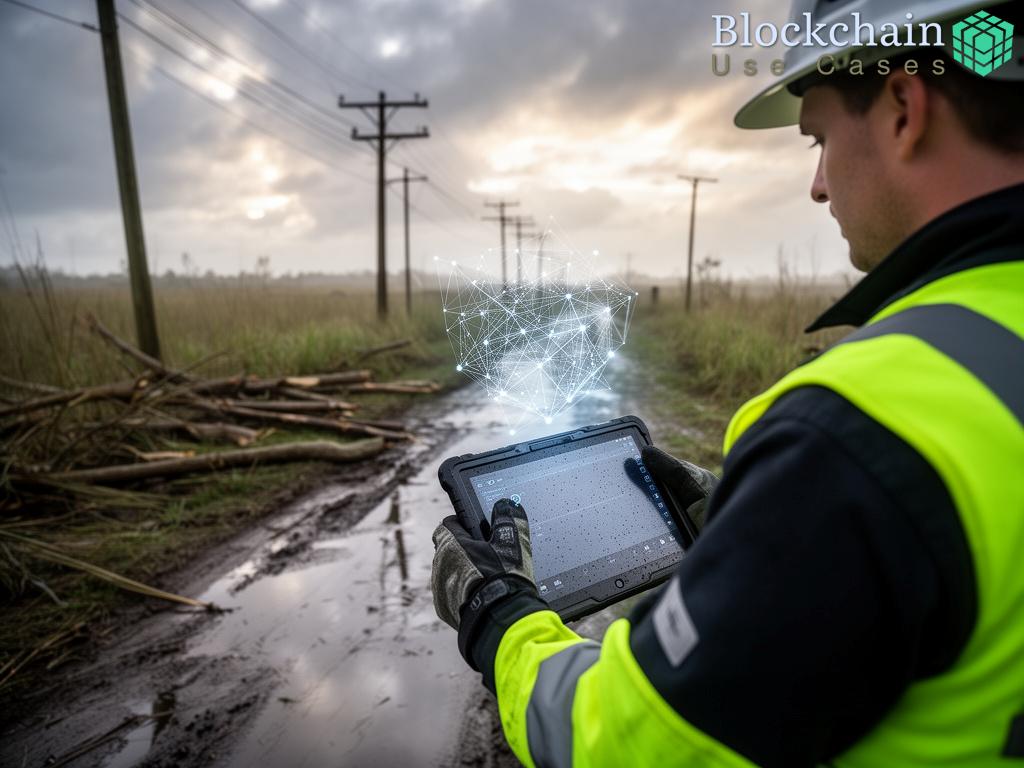
In today’s rapidly evolving digital era, the utility sector faces increasing demand for transparency, efficiency, and security in managing its vast network of physical assets. From monitoring asset performance to evaluating depreciation and valuation, traditional systems are battling to maintain consistency and reliability. The integration of blockchain technology presents a remarkable opportunity to redefine utility asset management with immutable data tracking, real-time auditing, and secure lifecycle monitoring.

Transforming Utility Asset Management Through Blockchain Integration
The integration of blockchain within utility operations is transforming the way organizations record, validate, and share data. With decentralization and cryptographic verification at its core, blockchain introduces a level of trust and transparency previously unattainable in conventional asset management systems. Each transaction or maintenance record becomes a permanent, time-stamped entry, drastically improving accountability and compliance.
Utilities are leveraging blockchain to enhance communication between departments and stakeholders, reducing dependence on siloed databases. This decentralized data flow ensures that every party—from regulators to auditors—has equal access to accurate, tamper-proof records. By bringing this level of integrity to asset depreciation and valuation, blockchain not only optimizes decisions but also prevents fraudulent reporting of asset states.
Key Advantages and Framework for Implementation
Developing a blockchain-based framework for utility asset management requires a consolidated approach that balances technology, policy, and operational needs. Integrating blockchain is not just a technological upgrade but a strategic move toward greater data integrity and operational resilience. Before implementation, companies must identify core assets, define their lifecycle, and determine key blockchain nodes responsible for data validation and consensus mechanisms.
As utility organizations adopt this technology, they are focusing on interoperability with legacy systems, scalability for expanding asset bases, and smart contract automation to streamline maintenance schedules and depreciation tracking. These features collectively enable organizations to capture real-time asset information while ensuring compliance and future-proofing operations against data manipulation or loss.
The following list outlines critical stages to establish a robust blockchain framework in utility asset management:
- Asset Digitization: Converting physical utility assets into digital records registered on blockchain for real-time traceability.
- Smart Contract Deployment: Automating depreciation calculations and valuation updates through predefined algorithms.
- Consensus Model Selection: Choosing appropriate mechanisms to validate transactions and maintain efficiency.
- Integration with IoT Sensors: Combining blockchain with connected devices for automated data input and condition monitoring.
- Stakeholder Access Management: Ensuring permissioned access to authorized parties and maintaining regulatory transparency.
Comparative Insight: Traditional vs Blockchain-Based Asset Management
Blockchain integration introduces measurable differences compared to traditional asset management systems. While legacy methods rely heavily on centralized control and periodic audits, blockchain promotes a distributed ledger with continuous visibility. This paradigm shift not only strengthens data integrity but also enables predictive insights based on verified historical data. The table below illustrates the primary distinctions shaping this transformation.
| Aspect | Traditional Asset Management | Blockchain-Integrated Management |
|---|---|---|
| Data Control | Centralized, vulnerable to human error and manipulation | Decentralized, tamper-proof, and secured through consensus |
| Depreciation Tracking | Manual updates with potential delays | Real-time automated calculation via smart contracts |
| Audit and Compliance | Periodic and resource-intensive processes | Continuous, transparent, and instantly verifiable audits |
| Valuation Accuracy | Depends on external verification and historical assumptions | Backed by immutable data and verified transactions |
| Operational Efficiency | High administrative overhead | Automated workflows and cost-efficient management |
Enhancing Transparency and Security in Depreciation Tracking
The growing complexity of utility infrastructure has underscored the importance of accurate and transparent depreciation tracking. Traditional methods often rely on manual data entries and centralized systems that are prone to inconsistencies, delayed reporting, and human manipulation. Blockchain, with its decentralized and cryptographically secured ledger, emerges as a game-changing innovation that brings reliability and objectivity to asset lifecycle management. By embedding immutable data and automating updates, blockchain ensures that every depreciation event is accurately recorded and verifiable across the entire stakeholder network.
Blockchain as a Catalyst for Transparent Depreciation Management
In the realm of utility asset management, depreciation tracking is not merely an accounting practice—it represents the financial pulse of operational efficiency and long-term infrastructure sustainability. With blockchain, all depreciation data is stored as immutable records, accessible only through permissioned access layers. Each transaction, from initial asset registration to decommissioning, is uniquely time-stamped and linked to verifiable performance metrics. This transparency reshapes how utilities report asset value changes, ensuring that internal auditors and regulators have real-time visibility into every aspect of asset wear and tear.

Through smart contracts, depreciation calculations are automated based on predefined logic reflecting operational hours, maintenance cycles, or environmental conditions. This eliminates subjective judgement from manual entries while significantly accelerating the auditing process. As a result, stakeholders no longer depend on periodic reconciliations; instead, they can draw instant insights from live blockchain data, facilitating predictive forecasting and asset renewal planning.
Security Protocols Strengthening Data Integrity
Security is paramount when evaluating asset depreciation data, as even minor discrepancies can have significant financial implications. Blockchain effectively mitigates these risks through cryptographic hashing, distributed validation, and immutable recordkeeping. Each block of data is validated through consensus algorithms, ensuring that no single entity can alter depreciation records without detection. Moreover, blockchain’s decentralized environment drastically reduces vulnerability to cyber threats compared to conventional centralized systems.
By integrating blockchain with smart sensors and IoT-enabled devices, real-time asset performance data is directly recorded into the blockchain network, eliminating any opportunity for unauthorized manipulation. Not only does this enhance precision, but it also ensures that depreciation schedules accurately reflect the asset’s actual operating conditions and utilization rate. These features collectively lead to a more defensible and transparent depreciation strategy, strengthening investor and regulator confidence alike.
Key Benefits Driving Transparent Depreciation Tracking
The implementation of blockchain introduces several inherent advantages that bring accountability, reliability, and audit transparency to the forefront. Below is a list summarizing the critical benefits utilities can derive from blockchain-enabled depreciation management:
- Immutable Record Generation: Every depreciation event is securely anchored in a permanent ledger, ensuring unalterable historical data.
- Automated Depreciation Logic: Smart contracts autonomously apply depreciation formulas based on asset-specific parameters.
- Enhanced Regulatory Compliance: Real-time access to verified data enables seamless adherence to reporting standards.
- Streamlined Auditing Processes: Continuous validation minimizes administrative efforts and shortens audit timelines.
- Improved Asset Valuation Accuracy: Integration with IoT data enables accurate, real-time valuation adjustments.
By merging financial precision with technological integrity, blockchain in depreciation tracking transforms how utilities manage their asset portfolios. This paradigm shift from fragmented, paper-based processes to a unified and secure digital ledger sets a new benchmark for transparency and accountability within the industry.
Real-Time Valuation Models through Decentralized Ledgers
As global utility networks evolve in complexity, the demand for accurate and real-time asset valuation has become a strategic necessity rather than a technical ambition. The integration of blockchain enables the establishment of decentralized valuation models that continuously adapt to the real performance and condition of assets. By merging live operational data with immutable blockchain records, utilities can redefine how asset value is captured, interpreted, and forecasted in today’s fast-paced digital environment.

Dynamic Valuation Through Continuous Data Synchronization
Traditional valuation processes often rely on static data snapshots and manual adjustments, which struggle to reflect the true condition of operational assets. Blockchain transforms this paradigm by connecting valuation frameworks directly with data streams from IoT devices, smart sensors, and operational databases. Each data point—ranging from energy output levels to maintenance frequency—is recorded onto a distributed ledger, thereby eliminating latency between real-world asset behavior and its financial representation.
This decentralized architecture ensures that valuation updates occur instantly across all participating nodes, giving decision-makers a synchronized perspective of asset worth. Such real-time insight not only enhances how utilities manage their financial portfolios but also helps regulators, auditors, and investors maintain confidence in the integrity of reported valuations. The traceability and transparency of blockchain-based valuation models significantly reduce disputes over asset reappraisal and restore trust in data-driven governance across the energy ecosystem.
Algorithmic Intelligence in Valuation Models
At the heart of blockchain-driven valuation lies the fusion of algorithmic intelligence with immutable ledgers. Smart contracts execute complex valuation algorithms automatically, integrating operational metrics, energy output, and market-driven depreciation factors. Through consensus validation, every valuation adjustment is cross-verified and permanently anchored, enabling real-time portfolio rebalancing and predictive financial forecasting. This level of automation eliminates the need for third-party verification and accelerates decision-making processes.
Advanced valuation algorithms can dynamically adjust based on environmental conditions such as temperature variations or equipment wear rates. When combined with machine learning models, blockchain provides a responsive ecosystem that learns from historical data trends and autonomously refines valuation logic. This approach supports greater financial agility by giving stakeholders the ability to anticipate asset value fluctuations before they occur.
Comparative Strengths of Blockchain-Powered Valuation Frameworks
When compared to legacy asset valuation methods, blockchain-based models deliver not only efficiency but also deeper analytical insight. The immutable nature of decentralized ledgers guarantees that every valuation event is permanently recorded and instantly accessible. This has immense implications for forecasting, compliance reporting, and inter-departmental coordination. The following table illustrates how blockchain-enabled valuation outperforms conventional approaches across key operational domains:
| Criteria | Traditional Valuation | Blockchain-Based Valuation |
|---|---|---|
| Data Input | Manual and periodical | Automated and continuous via IoT |
| Data Security | Centralized with limited traceability | Decentralized and immutable records |
| Valuation Frequency | Quarterly or annual updates | Real-time dynamic recalculation |
| Audit Transparency | Dependent on manual reports | Verifiable through cryptographic proof |
| Operational Responsiveness | Reactive decision-making | Proactive adjustments through live analytics |
Essential Elements for Implementing Real-Time Valuation Models:
- Integration of Sensor Data Streams: IoT-based monitoring directly feeds asset performance metrics to blockchain networks.
- Smart Contract Automation: Embedded algorithms enable continual valuation updates without manual intervention.
- Decentralized Validation Nodes: Distributed consensus ensures accuracy and prevents unauthorized alterations.
- Predictive Modelling with Machine Learning: Enhances forecasting accuracy and long-term valuation precision.
- Regulatory and Audit Alignment: Real-time access to verifiable valuation data streamlines compliance.
By establishing valuation as a continuous, data-driven process rather than an episodic accounting exercise, blockchain redefines financial transparency in the utility sector. The convergence of decentralized ledgers, IoT data, and intelligent automation represents a transformative leap toward operational resilience and credible value assessment. For utilities navigating the digital transformation, real-time blockchain valuation models stand as a strategic imperative shaping the future of sustainable asset management.
Compliance and Auditability in Blockchain-Based Asset Systems
In an era where regulatory scrutiny and corporate accountability have become non‑negotiable, the fusion of blockchain technology with utility asset management offers a paradigm shift in how compliance and auditing are conducted. By embedding immutable verification and decentralized oversight into financial and operational workflows, blockchain ensures that every data point related to asset depreciation and valuation is verifiable, traceable, and permanently stored. This capability not only enhances transparency but also aligns seamlessly with global standards of financial reporting and governance.
Redefining Compliance in the Digital Utility Landscape
Compliance in traditional utility networks has long been hindered by fragmented data systems, manual reconciliations, and inconsistencies in audit trails. Blockchain-based systems address these challenges by serving as a trusted, single source of truth across all asset lifecycle activities. Each transaction, whether capturing depreciation adjustments or asset revaluation updates, is recorded in a tamper-resistant ledger accessible to authorized stakeholders. Regulators, auditors, and internal controllers can therefore rely on real-time compliance monitoring without requiring extensive manual validation.
Smart contracts play a crucial role in establishing regulatory alignment by embedding rules for reporting frequency, depreciation standards, and asset valuation parameters directly into the blockchain protocol. Automated compliance triggers can instantly alert stakeholders to policy deviations or late submissions, fostering proactive governance. This removes the unpredictability associated with manual oversight and provides a continuous compliance environment maintained through consensus validation.
Auditability Reinvented Through Immutable Verification
The auditing process within blockchain-driven asset management is evolving from retrospective evaluation to continuous verification. Every update—whether an asset condition report or a financial adjustment—is automatically validated, timestamped, and cryptographically linked to its previous record. This allows auditors to trace any asset’s history from acquisition to retirement with full contextual visibility. In contrast to traditional audits that depend on selective data sampling, blockchain supports full‑spectrum auditing based on verified and immutable datasets.
By reducing dependence on physical documentation and manual reconciliations, blockchain transforms auditing into a near real-time exercise. Even independent auditors can access ready‑made audit trails through permissioned nodes, thereby reducing the time and cost associated with verifying an organization’s asset portfolio. This not only assures the integrity of financial disclosures but also reinforces investor trust and regulatory confidence.
Comparative Analysis: Traditional Audit Models vs Blockchain‑Driven Compliance
The following table illustrates the transformational difference between conventional audit processes and blockchain-integrated systems in maintaining accountability and transparency across utility asset management operations.
| Criteria | Traditional Audit Models | Blockchain-Based Audit Systems |
|---|---|---|
| Data Verification | Manual cross-checking of reports and logs | Automated and consensus-verified entries |
| Record Authenticity | Dependent on human accuracy and trust | Immutable, cryptographically secured data blocks |
| Audit Frequency | Periodic, often annually or quarterly | Continuous and real-time validation |
| Regulatory Transparency | Relies on post-event disclosures | Instant reporting with permissioned access |
| Operational Efficiency | Time-consuming and costly | Streamlined through automation and smart contracts |
The integration of blockchain therefore redefines auditability from a compliance burden into an operational advantage. It not only safeguards against manipulation and error but also facilitates a more robust audit ecosystem that anticipates regulatory needs rather than reacting to them.
Core Mechanisms Enabling Blockchain-Based Compliance and Auditing
Underpinning blockchain’s ability to transform compliance and auditing are several structural mechanisms that reinforce integrity, efficiency, and transparency across utility asset management systems. These features ensure regulatory synergy and real-time accountability.
Key Elements Driving Blockchain Compliance and Auditability:
- Transparent Ledger Architecture: Every transaction is visible to authorized stakeholders, ensuring verifiable traceability and reducing reporting disputes.
- Decentralized Validation Network: Consensus across multiple nodes eliminates dependence on a single authority and enhances data reliability.
- Cryptographic Certainty: Each block is linked through cryptographic hashes, making unauthorized data alteration virtually impossible.
- Programmable Policy Enforcement: Smart contracts automatically enforce regulatory frameworks and trigger compliance alerts.
- Interoperable Access Controls: Permissioned layers ensure the right stakeholders can review or audit specific datasets without compromising security.
As utility organizations navigate increasingly stringent governance landscapes, blockchain’s intrinsic auditability provides a sustainable foundation for transparent operations. Its immutable nature not only simplifies external audits but also strengthens internal governance, transforming compliance from a reactive financial procedure into a proactive, data‑driven safeguard for utility asset integrity.
Future Prospects and Challenges in Blockchain-Driven Utility Valuation
The emergence of blockchain as a cornerstone technology in utility asset management has already transformed how organizations handle depreciation and valuation. Yet, as adoption scales across global power, water, and infrastructure sectors, the next phase of development will be defined by its sustainability, regulatory adaptation, and integration challenges. The future of blockchain-driven utility valuation hinges on balancing innovation with governance—ensuring that automation, transparency, and trust continue to serve both operational and societal goals. As blockchain evolves from experimental pilot projects to enterprise-grade frameworks, its potential to revolutionize asset tracking remains immense—but not without its trials.
Convergence of Advanced Technologies and Predictive Asset Intelligence
The future of blockchain-enabled valuation lies in its integration with emerging technologies such as artificial intelligence, advanced analytics, and quantum-secure encryption. This fusion will empower utilities to turn static asset data into living, predictive intelligence systems. When combined with AI algorithms, blockchain’s immutable records can feed machine learning models capable of anticipating asset depreciation, failure risk, and maintenance needs with unmatched accuracy. This transition from reactive to predictive valuation represents a transformative leap toward operational foresight.
In the coming years, the convergence of blockchain and Internet of Things (IoT) ecosystems will deepen. Intelligent sensors will continuously report operational metrics—from temperature fluctuations in transmission lines to pressure variances in water pipelines—directly into decentralized ledgers. Each data stream will strengthen valuation algorithms, creating self-adjusting models that evolve based on real-world performance. The outcome will be a unified framework where valuation is no longer an act of assessment but an ongoing, autonomous process embedded into the digital fabric of the utility network.
| Future-Enabling Technology | Impact on Utility Valuation | Strategic Outcome |
|---|---|---|
| Artificial Intelligence | Enhances predictive depreciation and valuation accuracy | Data-driven forecasting and optimization |
| IoT and Smart Sensors | Provide real-time operational condition monitoring | Dynamic, context-rich valuation models |
| Quantum Cryptography | Secures transaction verification against future cyber risks | Long-term resilience and trust in digital asset records |
Although these advancements promise exponential benefits, they will also demand unprecedented computational and regulatory coordination. Scaling blockchain to accommodate billions of data transactions across large utility grids will require high-speed ledger protocols and cost-effective consensus mechanisms. Moreover, maintaining synchronicity between decentralized valuation systems and traditional enterprise accounting frameworks will challenge both technical and regulatory paradigms.
Regulatory Alignment, Sustainability, and Implementation Challenges
As blockchain reshapes the valuation ecosystem, future adoption depends heavily on achieving alignment with international accounting standards and data governance frameworks. While current pilots demonstrate improved transparency, global regulators are still refining policies to recognize blockchain-verified asset records as acceptable evidence for financial reporting. This regulatory lag represents a critical bottleneck that must be overcome to ensure institutional trust and cross-border adoption.
Another emerging challenge is the environmental sustainability of blockchain itself. Despite advances in energy-efficient consensus models, large-scale blockchain deployments still exert noticeable energy demand. For utilities already under scrutiny to decarbonize their operations, choosing blockchain networks optimized for low energy consumption will be essential. Emerging solutions involving proof-of-stake, sharding, and hybrid consensus architectures are being tailored to meet both operational and sustainability objectives.
Equally significant is the need to address interoperability and legacy integration. Utility companies often rely on decades-old enterprise resource planning (ERP) and supervisory control systems (SCADA). Integrating these systems with decentralized valuation ledgers requires standardized APIs, secure data translation protocols, and skilled personnel who understand both blockchain ecosystems and utility operations. The success of blockchain in valuation tracking depends not only on the technology itself but also on an organization’s readiness to adapt its culture, infrastructure, and workflows to a distributed model of data governance.
Ultimately, the future of blockchain in utility valuation is not merely about digitization but about rearchitecting trust in asset information. The utilities that embrace cross-sector collaboration, uphold environmental responsibility, and invest in adaptive governance will lead this transformation. While technical and regulatory complexities remain, the union of blockchain’s immutable transparency with intelligent valuation models heralds a future where asset depreciation, maintenance, and financial forecasting are continuously aligned in a self-verifying, tamper-resistant digital ecosystem.