
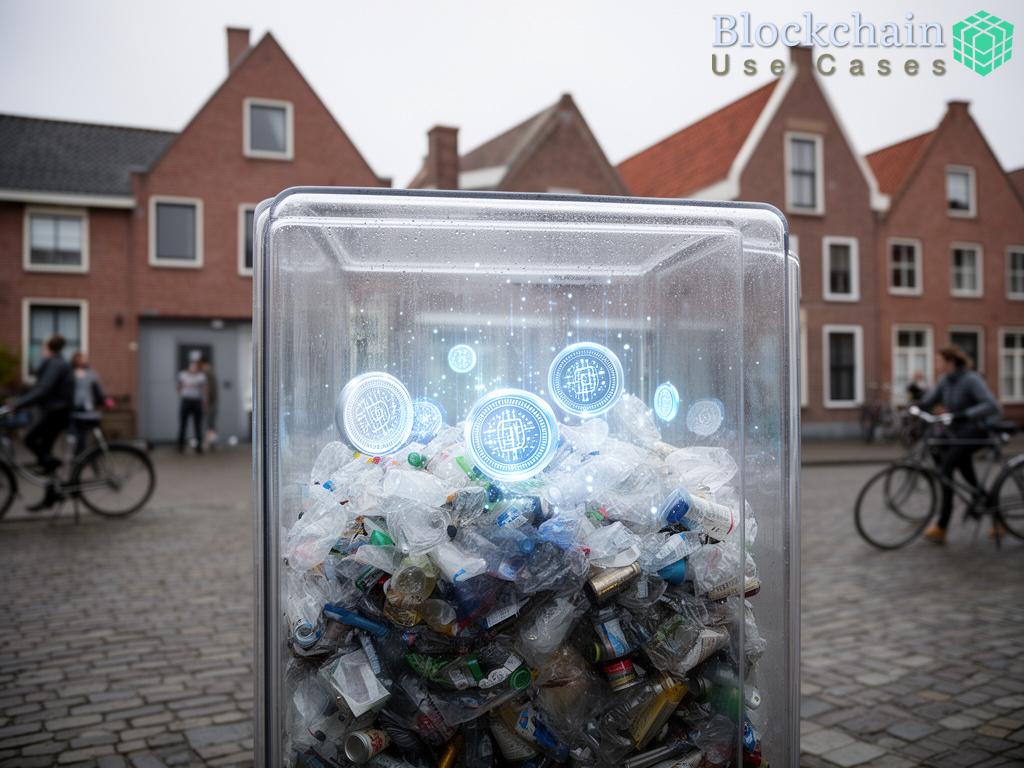
Blockchain Integration in Sustainable Supply Chains
As global stakeholders push for measurable sustainability, the intersection of blockchain technology and supply chain management is gaining unprecedented momentum. The urgency to reduce waste and promote circular economic models has shifted from theory to tangible action, and blockchain stands at the heart of this transformation. Its ability to ensure transparency, accountability, and traceability can revolutionize how industries handle waste and resource reuse.

The tokenization of supply chain waste introduces a new paradigm for how materials are tracked and valued. Each waste unit can be represented as a digital token on the blockchain, allowing real-time monitoring of its lifecycle — from production to reuse or recycling. This visibility helps prevent environmental manipulation and creates an immutable record for sustainability audits.
Blockchain-backed asset tracking empowers manufacturers, regulators, and consumers to make informed decisions. By mapping the material’s provenance and usage metrics, organizations can not only identify inefficiencies but actively reward companies adhering to sustainable practices. This mechanism effectively transforms waste management from a cost center into a profit-driven, eco-friendly asset class.
Smart contracts — self-executing agreements encoded on blockchain — are redefining how supply chain transactions operate within circular economies. These digital protocols enforce compliance with environmental standards automatically. For instance, a smart contract can trigger token rewards when recycled materials meet specific purity benchmarks or penalize participants for exceeding waste thresholds.
Such automation ensures that sustainability measures are verifiable and seamlessly integrated into business processes, removing subjectivity and manual oversight. Moreover, it fosters collaboration among stakeholders by building trust in data accuracy and contractual enforcement without dependency on centralized authority.
Key Benefits of Blockchain Integration in Sustainable Supply Chains
The following list summarizes critical advantages that blockchain technology brings to eco-conscious supply chain design and circular economy frameworks:
- Enhanced Transparency: Immutable ledgers guarantee complete traceability of resources.
- Waste Tokenization: Enables the creation of tradeable assets from recyclables or excess materials.
- Data Integrity: Prevents greenwashing by providing verifiable sustainability proofs.
- Incentivization Mechanisms: Token-based rewards motivate eco-friendly practices at every stage.
- Operational Efficiency: Smart contracts automate environmental compliance checks.
To better understand the shift toward blockchain-enhanced circular models, comparing traditional supply chain frameworks with blockchain-integrated systems reveals the evolutionary leap in sustainability and accountability. The table below outlines key distinctions driving this transformation.
| Aspect | Traditional Supply Chain | Blockchain-Enabled Supply Chain |
|---|---|---|
| Transparency | Fragmented and reliant on manual reporting | Fully transparent with immutable data records |
| Waste Management | Reactive and cost-dominated | Proactive with token-based circular modeling |
| Data Reliability | Vulnerable to manipulation | Secured through cryptographic verification |
| Incentive Structures | Limited or manual recognition | Automated rewards via smart contracts |
| Environmental Impact | Difficult to quantify and monitor | Quantifiable impact with verifiable sustainability reports |
By blending blockchain with waste tokenization models, industries are not only minimizing their environmental footprints but also redefining economic value propositions. This technological synergy reshapes what sustainability means — turning every transaction, resource, and by-product into an opportunity for regenerative growth.
Tokenization Mechanisms for Resource Efficiency
As supply chains evolve toward greater transparency and ecological accountability, tokenization mechanisms are emerging as the driving force behind sustainable transformation. By converting physical waste materials into verifiable digital assets, industries can introduce a new dimension of efficiency and traceability. This shift not only enhances environmental responsibility but also creates new financial instruments that can stimulate green innovation. Organizations across manufacturing, logistics, and recycling are now leveraging blockchain tokenization to redefine how value is assigned to resources.
The essence of tokenization lies in its ability to digitally represent physical waste or surplus materials on a blockchain network. Unlike conventional data systems, where information is siloed and static, tokenization introduces dynamic assets that evolve with every transaction or process step. When a manufacturer generates by-products or recyclable components, these can be immediately tokenized to reflect their real-world characteristics — such as weight, composition, or potential reuse value. This digital identity creates an unbreakable link between material flows and sustainability performance.
By embedding smart metrics into each token, companies gain a real-time understanding of their resource consumption patterns. This data-driven insight allows for predictive planning — identifying when waste will peak, how it can be reused internally, and where recycling incentives can be maximized. More importantly, tokenized assets can circulate across multi-party networks, ensuring that waste generated in one part of the supply chain can fuel resource needs in another, effectively closing the circular loop.
Beyond simple tracking, tokenization enables a performance-based economy that aligns financial returns with sustainable outcomes. Each token can embody intrinsic environmental value, convertible into tradeable credits or used within ecosystem-specific reward systems. For instance, if a recycling facility processes a predefined quantity of tokenized materials, smart contracts can automatically release sustainability credits or resource tokens as compensation. This creates a continuous feedback mechanism where every ecological improvement leads to immediate economic recognition.
Additionally, tokenized frameworks foster inter-sector collaborations. Corporations can exchange verified waste tokens to balance carbon offsets or meet regulatory sustainability thresholds. Such interoperability transforms isolated sustainability efforts into interconnected networks of environmental accountability. The result is a decentralized system where efficiency, transparency, and responsibility coexist — reducing friction between profit motives and ecological imperatives. As these mechanisms mature, the tokenization of waste resources promises to redefine supply chain economics, making circularity not just an environmental necessity but a measurable competitive advantage.
Data Transparency and Traceability in Circular Models
As industries accelerate their transition toward sustainable circular economies, the role of data transparency and traceability within blockchain-enabled supply chains becomes critically important. The integration of tokenized waste frameworks now allows each product, material, and by-product to tell its entire lifecycle story—from creation to reuse, recycling, or disposal. This digital narrative ensures that no resource is wasted without accountability, reinforcing both environmental and economic trust across value chains. In this evolving paradigm, circular models are no longer aspirational goals—they are quantifiable, traceable systems powered by verifiable data.
Traditional supply chain records have long suffered from opacity and fragmentation, where manual reporting and disparate systems prevent accurate sustainability auditing. Blockchain technology disrupts this model by offering a decentralized and immutable ledger that captures every data point in the resource lifecycle. When combined with waste tokenization, this digital record becomes a living proof of a company’s ecological performance. Each transaction—from the movement of materials to recycling initiatives—is timestamped, verified, and publicly auditable, eliminating the risk of greenwashing and unverifiable sustainability claims.
Moreover, smart contracts linked to these transparent data streams automatically validate compliance with predefined environmental standards. This automation effectively bridges the gap between policy enforcement and real-world action, allowing organizations to convert regulatory obligations into measurable progress. Transparency becomes a strategic asset, enabling corporations to demonstrate verifiable commitment to circularity while establishing trust with investors, regulators, and consumers alike.
The traceability of resources in a tokenized ecosystem extends far beyond the point of production. Each raw material, waste output, or recycled component gains a unique digital identity represented as a tokenized data unit. This identity stores intrinsic attributes such as carbon footprint, recycled content percentage, and lifecycle emissions metrics. As materials move across manufacturing stages, logistics hubs, or recycling facilities, their corresponding tokens update automatically to reflect new status data. The result is a continuous, verifiable thread of accountability that maps resource flow in real time.
Such traceability offers immense value to supply chain participants and regulatory agencies seeking accurate, auditable insights into environmental performance. For instance, when a recycled polymer passes through multiple hands before re-entering production, its blockchain token verifies the authenticity of sustainability claims, preventing fraud and ensuring traceable accountability. This system does not just monitor circularity—it enables it, empowering stakeholders to make informed decisions that facilitate resource regeneration rather than depletion.
| Traceability Aspect | Pre-Tokenization Supply Chain | Post-Tokenization Circular Model |
|---|---|---|
| Data Flow | Linear, disjointed, and paper-based | Digital, continuous, and synchronized across nodes |
| Verification Method | Manual audits and self-reported figures | Automated, cryptographically verified smart contracts |
| Environmental Reporting | Subjective and lagging | Objective, real-time sustainability metrics |
| Stakeholder Confidence | Limited due to fragmented data | Enhanced through transparent and immutable records |
In the digital era of circular economies, data integrity is currency. Companies that leverage blockchain-enabled tokenization gain not only compliance advantages but also strategic differentiation. Real-time traceability enhances decision-making precision, supports sustainable procurement policies, and fosters ecosystem collaboration. Advanced analytics derived from transparent datasets further help forecast material shortages, evaluate supplier impact, and dynamically optimize recycling initiatives.
Leading corporations are now transforming their waste streams into data-driven capital, redefining efficiency benchmarks. This convergence of data integrity, traceability, and decentralized verification signifies a profound evolution in corporate sustainability. By embedding blockchain at the heart of their circular supply chain models, enterprises are not simply reducing waste—they are creating a transparent, regenerative economic framework that turns sustainability into measurable, trust-based growth.
Economic Incentives through Digital Asset Frameworks
As global industries continue their transition from linear production models to circular economy frameworks, tokenized assets are emerging as powerful economic instruments that redefine how waste is perceived, managed, and monetized. By converting supply chain waste into blockchain-based tokens, enterprises are no longer treating by-products as operational losses but as verifiable, tradeable resources that feed back into larger sustainability ecosystems. This paradigm shift is not only strengthening environmental accountability but also unlocking entirely new economic incentives that align profit generation with ecological stewardship.
The convergence of blockchain and sustainability opens the door to a financial system where ecological inputs generate tangible digital value. Companies can tokenize waste outputs, surplus materials, or recycled resources, transforming them into digital assets that fluctuate in value based on verified impact metrics such as carbon reduction or resource efficiency. These tokenized units function within decentralized marketplaces, allowing organizations and individuals to trade, redeem, or reinvest sustainability assets. The direct correlation between environmental action and financial reward establishes an innovative foundation for economic motivation within supply chains.
By linking smart contracts to token performance, enterprises can automatically distribute compensation or benefits when sustainability milestones are met. For example, a manufacturing partner achieving reduced emissions or higher recycling yields could receive token incentives convertible into sustainability credits or liquidity in green markets. This transparent and autonomous process cultivates trust and ensures that every stakeholder, from producers to recyclers, has equal access to shared environmental and financial gains.
In traditional supply chain operations, sustainability efforts often suffer from fragmented incentive systems, where benefits are limited to specific actors and compliance verification remains cumbersome. Tokenized reward frameworks remedy this imbalance by embedding equitable value flows directly into blockchain architecture. Through decentralized reward issuance, participants contributing to circular outcomes—such as waste minimization, renewable sourcing, or closed-loop logistics—receive proportional returns denominated in digital tokens.
These frameworks go beyond symbolic recognition. Token value can correspond with verified impact data, including metrics like carbon savings, water conservation, and energy efficiency. The transparent structure not only democratizes economic access but also stimulates global corporate participation in circular economy programs, effectively blurring the lines between sustainability obligations and profit-driven enterprise strategy.
| Incentive Model | Traditional System | Tokenized Digital Asset Framework |
|---|---|---|
| Reward Distribution | Manual, delayed, and metrics-dependent | Automated via smart contracts with real-time validation |
| Value Basis | Compliance-driven regulatory recognition | Impact-based token valuation and tradeable assets |
| Transparency | Opaque and centralized reporting | Immutable blockchain records ensuring data integrity |
| Accessibility | Restricted to primary supply chain entities | Open participation across collaborative networks |
The tokenization of supply chain waste does not merely reshape operational transparency—it redefines market behavior. With the emergence of decentralized marketplaces focused on environmental assets, tokenized waste materials can gain intrinsic demand. These tokens serve multiple purposes: representing verified carbon offsets, acting as proof of circular contribution, or functioning as a digital currency within sustainability ecosystems. As green finance converges with blockchain standards, companies can access liquidity pathways by staking or leasing tokenized waste credits to investors and sustainability funds.
Such a dynamic trading environment accelerates resource optimization across industries. Businesses, policymakers, and consumers can all benefit from open-token economies where sustainability data is monetarily rewarded and fully auditable. In effect, these frameworks introduce a self-sustaining feedback loop: waste reduction creates tokens, tokens generate market value, and market participation funds further circular innovation. The fusion of transparency, economics, and environmental science is paving the way for an era where digital assets fuel not only financial profitability but measurable planetary regeneration.
Key Takeaways for Emerging Circular Markets
- Tokenized incentives align environmental goals with direct financial returns.
- Smart contracts automate reward delivery and sustainability verification.
- Decentralized ecosystems democratize participation and enhance accountability.
- Blockchain assets unlock new capital channels for circular supply chains.
- Impact-based token valuation turns ecological progress into measurable profit.
Challenges and Policy Implications for Tokenized Waste Systems
The emergence of tokenized waste systems represents one of the most innovative milestones in the evolution of circular supply chains. Yet, as industries race toward digitized sustainability, a complex set of challenges and regulatory implications is beginning to surface. The intersection of blockchain governance, environmental policy, and decentralized market behavior introduces both opportunities and uncertainties that will define the future trajectory of these models. To ensure the scalability and reliability of tokenized waste ecosystems, stakeholders must assess the intricate balance between transparency, compliance, and economic inclusivity.
One of the foremost hurdles facing tokenized waste systems lies in developing consistent regulatory frameworks that can operate across multiple jurisdictions. While blockchain networks transcend borders, environmental policies, waste management standards, and digital asset classifications remain highly localized. This tension creates a fragmented regulatory landscape that complicates cross-border waste token exchanges. The absence of global harmonization not only slows adoption but also increases the legal ambiguity surrounding the ownership and transfer of tokenized waste assets.
Governments are currently grappling with questions regarding waste token classification — should such tokens be considered commodities, securities, or digital environmental assets? The answer has profound implications for taxation, trading permissions, and compliance reporting. Moreover, the introduction of environmental data sovereignty concerns adds an extra layer of complexity: when waste is tokenized, data about its origin, composition, and lifecycle must adhere to privacy and environmental reporting standards. This dynamic forces policymakers to rethink the intersection of sustainability and data protection laws.
In practice, the alignment between blockchain entities, environmental regulators, and corporate sustainability bodies remains fragile. Establishing standardized reporting protocols and interoperable systems will be key to ensuring that tokenized waste initiatives do not outpace their regulatory foundations. Failure to do so could result in a fragmented marketplace where only a few regions benefit from blockchain-enabled circular advantages, ultimately undermining global sustainability goals.
Beyond regulatory uncertainty, the technological and ethical governance of tokenized waste systems introduces complex issues surrounding accountability, equity, and system integrity. Blockchain’s immutability—a feature celebrated for ensuring trustworthy records—also presents a challenge when data corrections or environmental reclassifications are required. In cases where waste metrics are inaccurately tokenized, the inability to modify blockchain entries without creating new ledger layers can complicate sustainability audits and lead to data distortion risks.
Equally pressing is the issue of digital inequality. Small enterprises and developing regions often lack the resources to participate in tokenized sustainability programs, potentially leading to the concentration of environmental data and financial gain among major corporations. This imbalance undermines the inclusive nature of circular economy principles. Policymakers and industry leaders must therefore advocate for accessible technological frameworks that enable equitable participation, standardized data validation, and affordable integration costs.
Additionally, as tokenization ties financial value to environmental performance, ethical questions emerge about the potential commodification of ecological responsibility. Turning waste into a profit-generating asset could encourage speculative behavior if not carefully managed. Maintaining system integrity requires a strong governance layer that combines algorithmic enforcement with human oversight to ensure that sustainability metrics remain authentic and unmanipulated.
| Challenge Area | Key Issue | Policy Response Need |
|---|---|---|
| Regulatory Classification | Unclear categorization of waste tokens | Establish clear asset definitions and cross-border harmonization |
| Data Governance | Decentralized data compliance and privacy | Develop blockchain-specific sustainability reporting standards |
| Market Accessibility | Digital disparity between large and small stakeholders | Implement inclusive participation incentives and infrastructure support |
| Speculative Activity | Over-commodification of environmental assets | Introduce ethical trading limits and monitoring frameworks |
The policy evolution of tokenized waste ecosystems will determine whether blockchain-driven sustainability becomes a catalyst for widespread environmental recovery or a fragmented experiment constrained by bureaucracy. Future-focused decision-making will require the synthesis of digital finance regulation, environmental protection policy, and industrial innovation strategy. Governments that recognize the convergence of these domains can create enabling environments where transparency and accountability coexist with profitability and efficiency.
To achieve this, regulators must move beyond traditional compliance frameworks, crafting adaptive policies that reflect the fluid and borderless nature of digital waste trading. Pilot programs integrating blockchain verification in recycling sectors, carbon markets, and waste-offset exchanges are already showcasing potential blueprints for international cooperation. These initiatives could form the backbone of standardized circular markets driven by token economics. More critically, policy institutions must ensure that emerging ecosystems remain guided by principles of trust, inclusiveness, and long-term environmental stewardship rather than short-term market speculation.
Tokenized waste systems, if governed with foresight and regulatory precision, could become the digital backbone of a regenerative industrial economy—one where environmental accountability transforms from obligation to opportunity. The success of this transformation will depend on the collective ability of policymakers, technologists, and industry leaders to navigate the confluence of technology, ethics, and sustainability with clarity and purpose.