Integration of IoT Sensors with Blockchain Networks
The convergence of blockchain technology and Internet of Things (IoT) sensors is transforming the fishing industry by enabling transparent, traceable, and sustainable operations. As global awareness about overfishing and environmental impact grows, digital solutions are becoming indispensable in ensuring that seafood is sourced ethically and efficiently. The integration of IoT devices with blockchain networks offers an unprecedented level of trust and accuracy in tracking fish from ocean to plate.
Real-Time Monitoring and Immutable Data Sharing
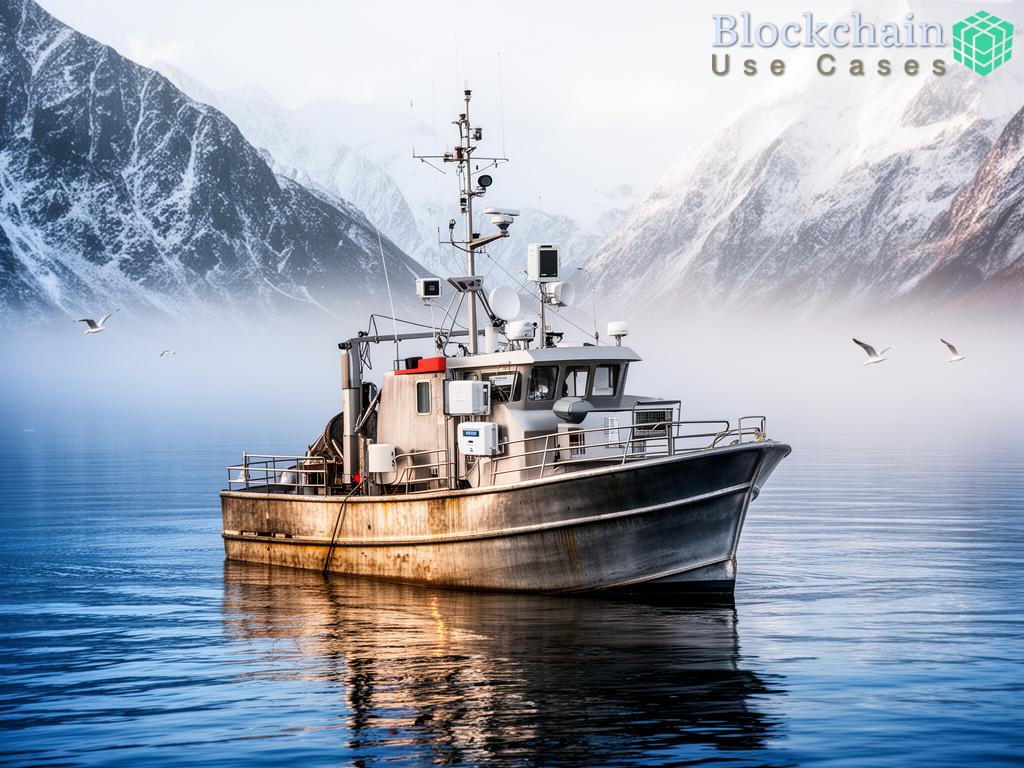
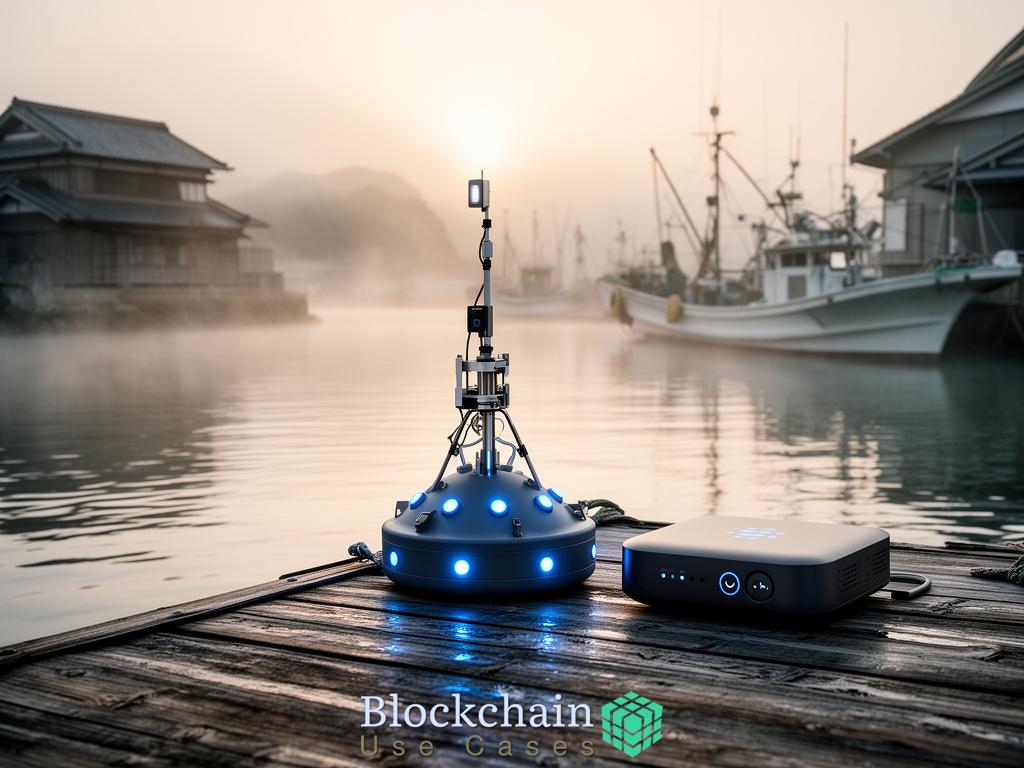
In sustainable fishing, the ability to monitor operations in real-time is critical for ensuring adherence to ecological guidelines and international regulations. IoT sensors equipped on fishing vessels, nets, and processing facilities collect crucial data such as catch quantity, species identification, ocean temperature, and GPS coordinates. This data is then securely transmitted to blockchain networks, ensuring that every step in the supply chain is recorded with integrity and transparency.
Unlike traditional systems, where data can be easily manipulated or lost, blockchain provides a tamper-proof ledger that validates each transaction automatically. Fishermen, regulators, and consumers can view authentic information regarding the origin and handling of seafood products, minimizing the risks of fraud and illegal fishing practices.
| Aspect | IoT Function | Blockchain Contribution |
|---|---|---|
| Data Collection | Captures environmental and operational information | Secures collected data as immutable records |
| Traceability | Tracks product from harvest to market | Provides a transparent ledger for verification |
| Compliance | Ensures adherence to sustainability metrics | Automates reporting and regulatory audits |
Building a Trust-Oriented and Efficient Ecosystem
The integration of IoT sensors with blockchain networks is not only improving transparency but also establishing a stronger digital ecosystem for stakeholders across the marine supply chain. From fishermen and distributors to retailers and consumers, each participant benefits from enhanced data reliability, faster communication, and reduced operational costs. Smart contracts can automate payment settlements once sustainability criteria are met, creating a fair and trust-based trading environment.
This shift towards digital traceability also fosters consumer confidence in sustainable products. When customers can verify every aspect of a fish’s journey—right from the point of capture—they are more likely to support eco-friendly fisheries and responsible brands. Governments and environmental organizations can also leverage this data-driven ecosystem to design more accurate conservation strategies and fishing quotas.
Key Benefits of IoT–Blockchain Integration in Sustainable Fishing:
- Enhanced traceability across the seafood supply chain.
- Minimized data manipulation through immutable blockchain records.
- Cost-effective compliance with sustainability regulations.
- Greater consumer trust in product authenticity and sourcing.
- Faster and automated transactions using smart contracts.
In this evolving landscape, the synergy of IoT sensors and blockchain networks is paving the way for a future where sustainable fishing is not just a goal but a digitally verifiable reality.
Ensuring Data Integrity and Traceability in Seafood Supply Chains
As the need for sustainability intensifies across global fisheries, maintaining data integrity and traceability has become a cornerstone of modern seafood supply chains. The combination of IoT-generated data and blockchain’s immutable infrastructure is redefining how every catch, transport, and sale is documented. This evolution is crucial not only for regulatory compliance but also for reinforcing consumer trust at a time when seafood fraud and illegal fishing remain global concerns. The capacity to create transparent digital chains of custody ensures that sustainability is not just claimed—but concretely verified.
Securing Authenticity Through End-to-End Digital Verification
IoT sensors embedded on fishing equipment and vessels continuously capture granular data about each catch, including the species type, capture location, and environmental conditions. However, for this data to be credible and auditable across an international trading network, it must be stored on a platform that prevents any form of alteration or loss. Blockchain technology ensures every data point is recorded as a time-stamped, cryptographically sealed transaction. Once logged, entries cannot be deleted or revised, providing all stakeholders with verifiable proof of authenticity. This combination of IoT-driven data flow and blockchain-based immutability builds a continuous, tamper-proof audit trail from the ocean to the marketplace.
One of the most impactful applications of this integration lies in protecting seafood products from origin misrepresentation. For instance, if a shipment labeled as sustainably caught tuna is verified through blockchain records, regulators and retailers gain instant validation of its journey—from the coordinates of capture to the method of processing and logistics details. Such transparent visibility discourages unethical fishing and enhances global accountability, laying the foundation for a future where informed purchasing replaces assumption-based sourcing.
Comparative Insights: Traditional vs. Blockchain-Enabled Traceability Systems
Legacy tracking methods in the fishing industry rely heavily on manual reporting and compartmentalized databases that can be easily manipulated or disconnected. By contrast, systems powered by IoT and blockchain eliminate redundant documentation while allowing for automated validation across every phase of the supply chain. To better understand the transformation, the following table illustrates a comparison of core parameters that define this technological shift:
| Aspect | Traditional Tracking System | IoT–Blockchain Tracking System |
|---|---|---|
| Data Entry | Manual and prone to error | Automated and sensor-driven |
| Data Security | Vulnerable to alteration | Immutable and cryptographically verified |
| Traceability | Fragmented and opaque | Unified and transparent |
| Compliance Auditing | Slow, paper-heavy process | Real-time, digital verification |
| Consumer Confidence | Based on labeling claims | Based on verifiable data records |
These improvements not only streamline operational efficiency but also enable instant regulatory audits and automated sustainability certification. As the ecosystem evolves, the emphasis is shifting from post-harvest validations to live-on-chain verification—empowering everyone from fishers to consumers to interact through transparent, data-driven networks.
From Digital Integrity to Global Sustainability Assurance
When combined, the analytical depth of IoT devices and the decentralized nature of blockchain produce a level of data reliability that ensures every action in the seafood supply chain can be verified without dispute. Governments and certification bodies increasingly regard this synergy as a standard for enforcing environmental policies and sustainable quotas. Beyond compliance, the method also provides commercial advantages—reducing disputes, accelerating payments, and enhancing brand reputation through visible integrity.
The ripple effect of adopting blockchain-secured IoT data extends far beyond traceability; it nurtures an interconnected, ethical ecosystem where every stakeholder—from fisherman to end buyer—participates in a collectively verified model of ocean stewardship. As global fisheries continue to integrate advanced technologies, these tools will not merely record sustainable practices; they will guarantee them through digital certainty.
Enhancing Sustainability through Smart Contracts and Automation
The emerging synergy of blockchain and IoT technologies is now taking a critical step forward through the integration of smart contracts and process automation. These intelligent digital agreements are not merely improving transparency—they are actively reshaping how sustainability is managed, verified, and rewarded in the global seafood economy. As fishing operations grow more data-driven, automation ensures that compliance and sustainability metrics are enforced without delay or human bias. This transformation introduces a new era of accountability where every transaction, from fish capture to certification, follows rigorously defined digital protocols.
Automated Accountability in the Sustainable Fishing Chain
Smart contracts embedded within blockchain systems serve as self-executing agreements that automatically enforce terms once predefined criteria are met. When IoT sensors transmit real-time data about fishing activities—such as allowable catch limits, species types, or geographical zones—smart contracts instantly validate those inputs. If a vessel operates within sustainable thresholds, the system can autonomously trigger subsequent actions, including regulatory notifications, quality certifications, or automatic payments to suppliers. This eliminates delays associated with manual verification and ensures that sustainability is not just documented but structurally upheld by code.
Furthermore, these automated systems drastically reduce disputes, since every data point and compliance check is verified through immutable blockchain entries. The transparency ensures that incentives and penalties are applied fairly, encouraging every participant in the supply chain to uphold eco-responsible behavior consistently. As a result, sustainable fishing becomes not only an environmental goal but an economically viable standard backed by automated, verifiable systems.
Digital Incentives Driving a Greener Marine Economy
Beyond traceability, automation introduces a new form of motivation for sustainable behavior—digital incentive models. Through smart contracts, fisheries and distributors that adhere to sustainability criteria can instantly receive benefits such as micro-rewards, certification tokens, or prioritized partnerships. On the other hand, non-compliant operations can trigger automatic alerts to regulatory authorities, minimizing fraudulent activity and reinforcing accountability without constant human intervention. This seamless exchange creates a self-regulating network where environmental integrity translates directly into financial and reputational gain.
Governments and international organizations can also integrate automated systems into marine policy enforcement, leveraging blockchain’s precision to issue real-time quota adjustments or sustainability verifications. This collaborative ecosystem ensures transparency not only for consumers but also for policymakers attempting to balance economic viability with ecological preservation.
The following list outlines key aspects of how smart contracts and automation strengthen sustainable fishing operations:
- Dynamic Compliance Enforcement: Smart contracts automatically verify that catch data meets sustainability policies before progressing to the next stage.
- Instant Verification and Rewards: Once IoT data validates eco-friendly fishing, blockchain triggers immediate certifications and payments.
- Fraud Prevention: Automated systems eliminate tampering opportunities by removing intermediaries from data validation processes.
- Cost Efficiency: Automation minimizes administrative overhead, ensuring transparency without additional resource expenditure.
- Enhanced Consumer Awareness: Real-time blockchain updates allow consumers to verify not only product origin but also compliance with sustainable practices.
Shaping the Future of Sustainable Trade Through Digital Autonomy
The fusion of smart contracts and IoT automation signifies a defining leap toward a fully autonomous supply network for sustainable fishing. Instead of relying on post-event audits, this model verifies compliance as activities unfold—transforming sustainability into an immediate and measurable standard. Through decentralized architecture, global fisheries can collaborate securely while maintaining a shared ledger of environmental accountability.
As industries across the marine sector continue to digitalize, the emphasis will increasingly shift from manual oversight to algorithmic governance, where trust is embedded directly within system design. Blockchain and IoT, empowered by automation, are not only illuminating the path to transparent seafood tracking—they are encoding the principles of sustainability into the very infrastructure of trade.
Regulatory Compliance and Stakeholder Transparency in Fisheries
The paradigm shift toward digital traceability is redefining how regulatory compliance and stakeholder transparency are maintained in the global fishing industry. By combining IoT-enabled data collection with blockchain’s immutable infrastructure, fisheries are developing ecosystems in which every action is visible, verifiable, and compliant with global sustainability mandates. This technological convergence not only modernizes oversight but also strengthens trust among regulators, businesses, and consumers who demand responsible seafood sourcing.
Regulatory Oversight through Decentralized Verification
Traditional compliance in fisheries has long relied on fragmented data systems, delayed reporting, and manual cross-verification—methods that often leave space for inaccuracies and manipulation. However, with IoT sensors integrated into vessel operations and data anchored securely on blockchain networks, authorities can now perform instant audits based on live, tamper-proof information. Each data point, whether it represents catch size, species identity, or location, becomes a digitally signed proof, fortifying the credibility of regulatory submissions. This real-time validation eliminates inconsistencies while establishing a rigorous verification framework that automatically aligns with international fishing quotas and ecological standards.
Regulators across coastal and international jurisdictions can benefit immensely from this model. The decentralized ledger enables cross-border interoperability, ensuring that information shared between governments, inspection agencies, and trade bodies is authentic and synchronized. By integrating smart contracts into the compliance process, regulatory actions such as quota enforcement, license verification, and penalty issuance can be automated. The result is a governance structure where policy enforcement happens autonomously, transparently, and equitably—reducing bureaucratic friction while amplifying accountability.
Empowering Stakeholders through Transparent Collaboration
Beyond regulation, blockchain-driven transparency is transforming relationships among key stakeholders—fishermen, processors, distributors, and consumers. The immutable nature of blockchain data assures every participant that reported information is authentic and untampered. Consumers can verify the ethical origin of seafood, exporters can demonstrate compliance instantly, and government agencies can track sustainability metrics without redundant paperwork. This shared network of verifiable trust fosters inclusive participation, strengthening collaboration across the entire supply chain.
When combined with IoT’s granular data streams, the blockchain framework acts as a unifying trust protocol. Fishermen equipped with sensor-based devices can automatically record operational details such as energy usage, bycatch rates, and water quality, which are instantaneously reflected on the decentralized ledger. This transparency eradicates the opacity that historically separated on-sea operations from market oversight. Over time, such traceability mechanisms can help establish fair trade certifications and sustainability rankings—empowering brands that prioritize ecological integrity and rewarding ethical fishing practices with both market recognition and policy incentives.
Ultimately, the convergence of blockchain and IoT technologies establishes a new digital compact between commerce, conservation, and governance. It ensures that every stakeholder, from small-scale fishers to international regulators, operates within a traceable, trustworthy, and compliant framework. The fusion of data authenticity and process transparency does not merely streamline regulatory control—it redefines it, setting the stage for a future in which marine stewardship is verified by code and upheld by collective digital responsibility.