

Integrating Blockchain for Real-Time Water Usage Monitoring
In the evolving landscape of educational sustainability, institutions are under increasing pressure to adopt innovative technologies to manage essential resources effectively. As campuses expand, so does their responsibility to preserve natural resources, particularly water. Blockchain-based monitoring systems offer a transformative approach to achieving transparency, accountability, and measurable conservation within school and university infrastructures.
The integration of blockchain in water monitoring represents an intelligent convergence of technology and sustainability. This decentralized ledger system captures and records every transaction or data point associated with water usage in real-time, ensuring that the data remains immutable and verifiable. Educational institutions can leverage this technology to identify consumption trends, detect system inefficiencies, and foster a collective culture of resource awareness.
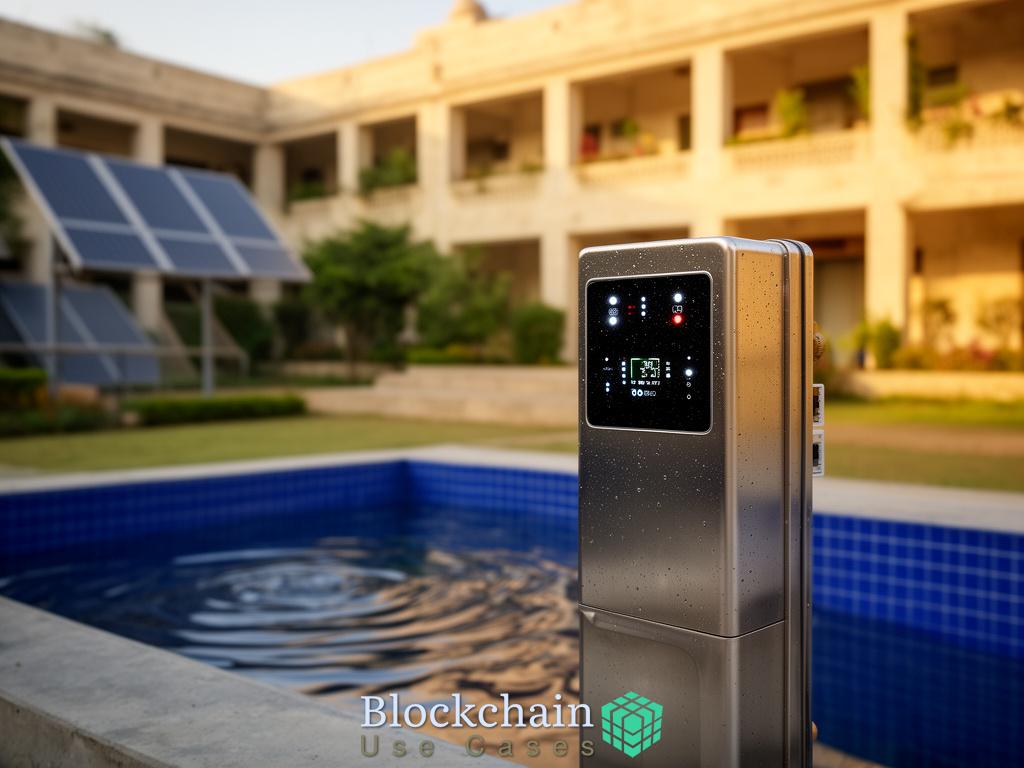
Moreover, blockchain-enhanced smart sensors can automatically report water flow metrics, enabling administrators and facility managers to make informed decisions without delays. This approach not only strengthens environmental accountability but also ensures compliance with regional and institutional sustainability goals.
When evaluating blockchain-based solutions against traditional water management methods, the benefits become significantly apparent. Institutions can move from reactive to proactive water conservation strategies, ensuring transparency at all operational levels. The following table outlines a comparative analysis of traditional and blockchain-driven monitoring approaches:
| Aspect | Traditional Systems | Blockchain-Enabled Systems |
|---|---|---|
| Data Storage | Centralized and prone to tampering | Decentralized and immutable |
| Data Transparency | Limited internal access | Real-time access for all stakeholders |
| Response to Anomalies | Manual checks and delayed reporting | Automated alerts and instant analysis |
| Accountability | Dependent on administrative oversight | Verified through smart contracts and public ledgers |
Deploying blockchain technology in water monitoring requires strategic planning, cross-department collaboration, and technological adaptation. By clearly outlining objectives and establishing measurable performance indicators, institutions can ensure smooth implementation.
Below is a guided sequence of recommended steps for integrating blockchain into water management infrastructure:
- Assessment & Planning: Conduct a full audit of existing water distribution and monitoring systems.
- Technology Selection: Choose blockchain platforms compatible with IoT sensors.
- Pilot Testing: Implement limited-scope trials to evaluate efficiency and data accuracy.
- Training & Adoption: Educate facility teams and students about interpreting blockchain-based data.
- Monitoring & Expansion: Scale across campus once validated and integrate with other environmental systems.
As blockchain technology continues to mature, its role in promoting environmental transparency will only become more significant. Educational institutions embracing this innovation not only strengthen their operational resilience but also inspire a future generation committed to sustainable living and responsible resource management.
Enhancing Transparency and Accountability in Resource Management
The global demand for sustainability-driven transparency has significantly reshaped how educational institutions approach their environmental responsibilities. With water emerging as one of the most critical resources under scrutiny, blockchain technology offers a groundbreaking opportunity to redefine accountability and efficiency in resource management. By digitally recording water usage data in immutable ledgers, schools and universities can create an ecosystem of trust where every stakeholder, from administrators to students, can visibly participate in the conservation mission.

One of the most powerful contributions of blockchain to campus resource management is its ability to protect data integrity. Unlike conventional water usage tracking systems that store data in centralized databases prone to tampering or loss, blockchain distributes records across multiple nodes. This decentralization builds a transparent environment where all recorded entries are permanently verifiable and time-stamped, ensuring that no discrepancies go unnoticed. The integration of blockchain with IoT-enabled sensors further enhances visibility, enabling real-time water flow assessment at multiple touchpoints such as laboratories, dormitories, and irrigation systems. Decision-makers can thus detect anomalies early, leading to reduced wastage and prompt maintenance interventions.
Moreover, this transparency extends beyond the technical layer to influence behavioral change within institutions. Students and staff can access anonymized dashboards showing collective progress, promoting a shared sense of accountability. Blockchain not only records the data but empowers its interpretation, turning objective figures into actionable sustainability insights. This mechanism cultivates a new dimension of environmental literacy, reshaping school cultures toward shared ecological responsibility.
Transitioning toward blockchain-based management also allows institutions to leverage smart contracts—automated protocols that execute predefined actions once specific conditions are met. These contracts enable the creation of ethical and verifiable reporting frameworks where any irregular consumption triggers automated alerts or compliance checks. Facility managers can thus maintain adherence to water conservation policies with minimal manual intervention. This approach strengthens organizational accountability and minimizes administrative burdens, ensuring every data-driven decision aligns with the institution’s sustainability objectives.
The intrinsic value of blockchain lies not only in recording accurate data but in fostering an ethical chain of responsibility. From policymakers setting institutional standards to students acting on daily conservation behaviors, each participant contributes to a fully transparent system. By embedding technology within administrative, academic, and community processes, campuses can achieve a holistic transformation—where sustainability becomes both a measurable outcome and a cultural ethos. This strategic adoption of blockchain therefore positions educational institutions as leaders in responsible resource governance, setting new global benchmarks for transparency and accountability in environmental management.
Data Security and Privacy Considerations in Blockchain-Based Water Tracking
As educational institutions increasingly turn to blockchain-enabled water management systems, the conversation around data security and user privacy becomes essential. While the decentralized nature of blockchain ensures transparency and immutability, it also introduces new dimensions of information governance that go beyond traditional IT safeguards. Implementing blockchain for water tracking involves not only collecting sensitive utility data but also managing associated stakeholder information, requiring robust mechanisms to protect integrity and confidentiality. Ensuring these protections does not diminish the technology’s transparency advantage, but rather strengthens stakeholder trust and compliance with digital ethics in educational settings.
A key principle in decentralized water tracking is maintaining a fair balance between data openness and individual privacy. Blockchain’s open-ledger structure, while valuable for real-time verification, must operate within defined access controls to prevent unwarranted exposure of sensitive consumption data. In educational institutions, this often means implementing permissioned blockchain networks where administrators, facility managers, and sustainability coordinators access only designated layers of data. Public visibility can be limited to aggregate metrics, ensuring that transparency does not compromise institutional security or personal information. Integrating blockchain with end-to-end encryption and pseudonymous identifiers enhances this model, creating a structure that is transparent in function yet private in identity.
Equally vital is the development of governance policies that define how data flows within the blockchain ecosystem. Institutions must clearly articulate who owns the recorded data, how long it is stored, and under what conditions it can be shared. Such frameworks prevent potential misuse while enabling informed participation from all stakeholders. Ultimately, a balance must be struck between the desirable permanence of blockchain records and the dynamic privacy requirements dictated by modern educational ethics and data protection laws.
The strength of any blockchain application lies in its cryptographic backbone. Advanced encryption standards combined with digital signatures make tampering virtually impossible, offering water usage data an unprecedented level of authenticity. However, as educational campuses expand their digital ecosystem, they must ensure that their blockchain infrastructure remains compliant with data protection regulations such as GDPR or equivalent policies in their jurisdiction. The integration of privacy-by-design principles from the outset guarantees that every new data stream—from smart water meters to centralized dashboards—operates within the security boundaries defined by regulatory frameworks.
Furthermore, blockchain-based water tracking benefits from regular security audits and interoperability assessments to maintain operational integrity. Institutions can deploy multi-factor authentication for administrative access and use private-key backup systems to prevent unauthorized data manipulation. These defensive measures do not merely shield data; they affirm an institution’s ethical responsibility toward transparent yet secure sustainability reporting. Through this dual commitment—uncompromising data integrity and rigorous privacy discipline—educational institutions can set a new benchmark for sustainable technology governance, where blockchain not only optimizes resource management but also upholds digital trust within the community.
Leveraging Smart Contracts for Sustainable Water Conservation Initiatives
Educational institutions are evolving into intelligent ecosystems where sustainability meets digital innovation, and blockchain technology has rapidly become a cornerstone of this transformation. As water scarcity and environmental challenges intensify globally, universities and schools are adopting smart, automated solutions to optimize their water conservation strategies. Among these innovations, smart contracts stand out as the most impactful mechanism to promote accountability, foster behavioral change, and ensure measurable environmental progress. By embedding ethical governance frameworks directly into their digital infrastructure, institutions can build long-term trust and efficiency in their water management systems.
The introduction of smart contracts revolutionizes how water conservation policies are enforced and maintained. These self-executing digital agreements operate within the blockchain network, automatically triggering actions when predefined criteria are met—such as exceeding water usage thresholds or achieving conservation milestones. This automation not only reduces administrative oversight but also guarantees impartial enforcement of sustainability guidelines.
In practice, when smart meters report data showing excessive consumption in a certain facility, the blockchain system can instantly execute corrective actions—ranging from sending alerts to facility managers to restricting access to specific water points. This level of responsiveness ensures that issues are addressed before they escalate into major inefficiencies. Through real-time triggers, smart contracts transform passive monitoring into active conservation.
One of the most progressive aspects of smart contract implementation is its ability to align technological efficiency with human motivation. Institutions can design token-based or reward-driven models that recognize departments, dormitories, or student groups for achieving conservation targets. This gamified yet ethically integrated approach helps cultivate shared responsibility while providing tangible incentives for sustainable behavior.
Smart contracts can also enhance transparency by ensuring that each participant’s contribution is auditable and verifiable without compromising individual privacy. Students and staff can observe institution-wide progress through anonymized dashboards, fostering a culture of digital trust and collective participation. This decentralized engagement model transforms conservation from a top-down directive into a community-driven initiative.
Implementing smart contracts for water conservation is not merely a technical endeavor—it is a strategic evolution that requires coordination across institutional, technological, and ethical domains. The following structured guide highlights the essential stages educational institutions should consider when deploying blockchain-driven smart contracts to support sustainability objectives:
- Define Measurable Objectives: Identify key conservation metrics, such as reduction percentages or usage limits, tailored to academic facilities.
- Design Contract Logic: Determine automated responses and conditions under which smart contracts trigger corrective measures or reward systems.
- Integrate IoT and Sensor Data: Link environmental sensors with blockchain platforms to ensure accuracy and seamless data flow.
- Regulatory and Ethical Compliance: Ensure adherence to digital governance standards and local environmental policies throughout deployment.
- Stakeholder Education and Engagement: Conduct workshops to help students, administrators, and maintenance teams understand system functionalities and their sustainability impact.
By following this framework, educational organizations can establish smart water governance systems that function autonomously, transparently, and ethically. Beyond the technological sophistication, smart contracts reinforce the human element of sustainability—fairness, accountability, and collective progress. In doing so, institutions set a precedent for the future of digital sustainability, where every drop of water is monitored, valued, and preserved through intelligent automation.