Blockchain Architecture for Secure IoT Data Exchange
In a world where resource management has become essential for sustainability, the integration of IoT (Internet of Things) with blockchain technology presents a groundbreaking transformation in agricultural and environmental systems. As climate change and water scarcity continue to challenge traditional irrigation methods, secure and transparent IoT data exchange is vital for smart water management. Blockchain’s decentralization and immutability provide a blueprint for ensuring data reliability and accountability in IoT-enabled irrigation networks.
Decentralized Trust: How Blockchain Strengthens IoT Data Networks
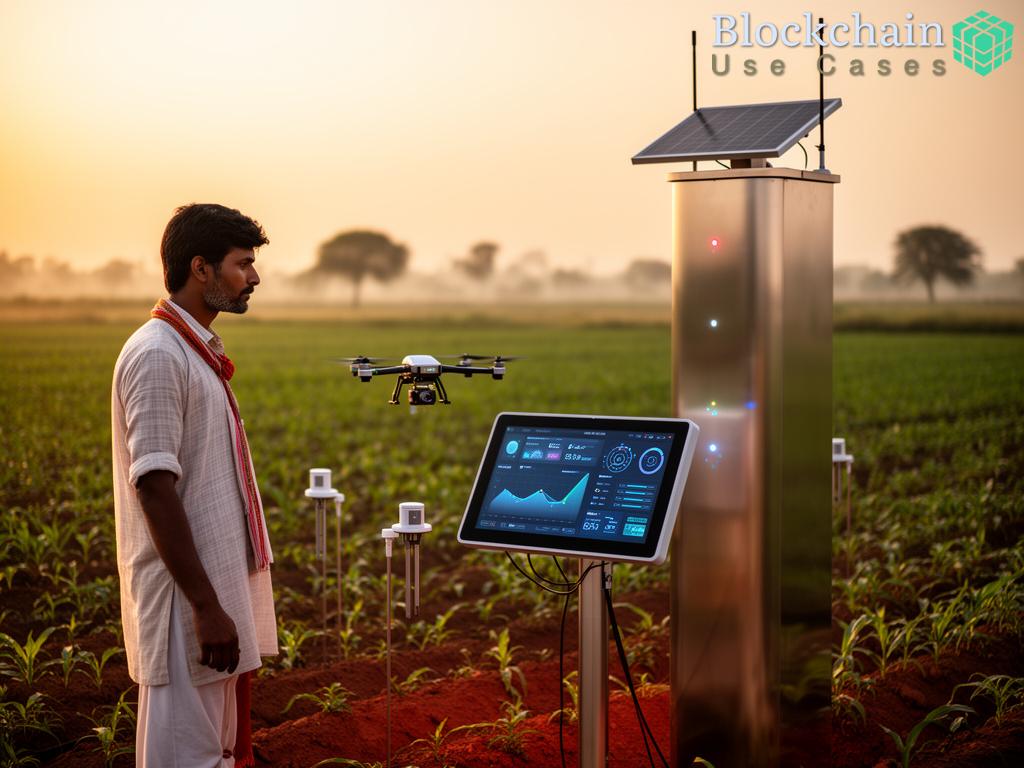
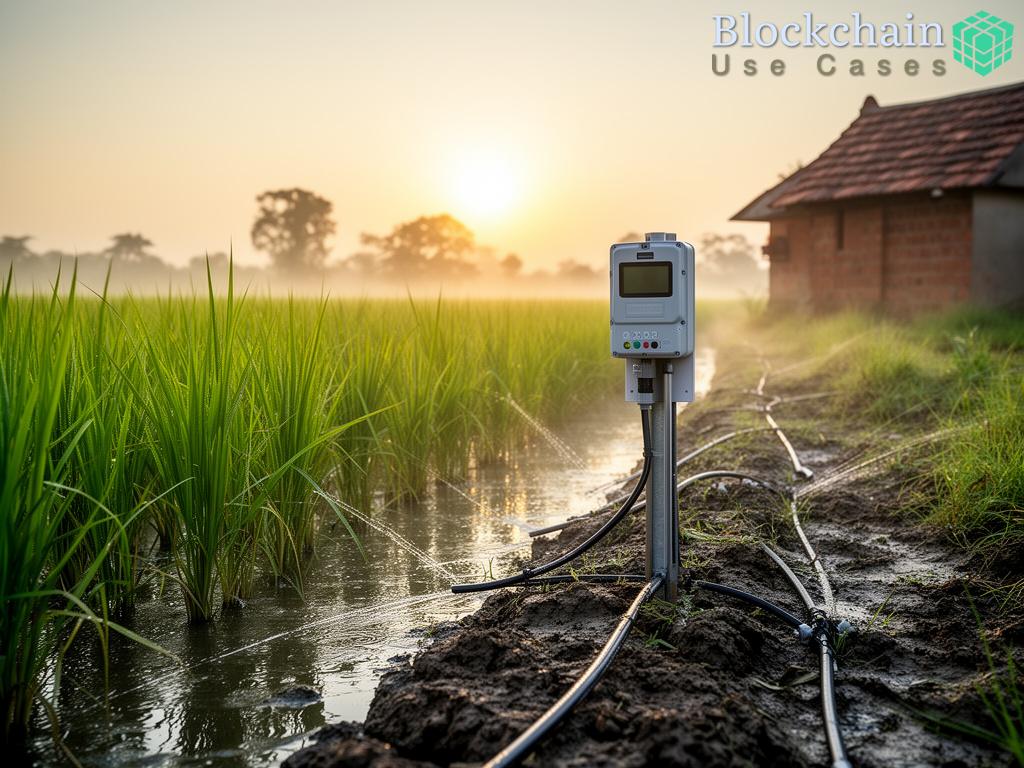
The fusion of blockchain technology with IoT infrastructure revolutionizes how devices communicate and share data. In smart irrigation systems, thousands of IoT sensors collect real-time data on soil moisture, temperature, and water flow. Traditional centralized databases, however, are vulnerable to hacking and data inconsistencies. Blockchain addresses these weaknesses by offering a distributed ledger where data integrity is guaranteed without a central authority.
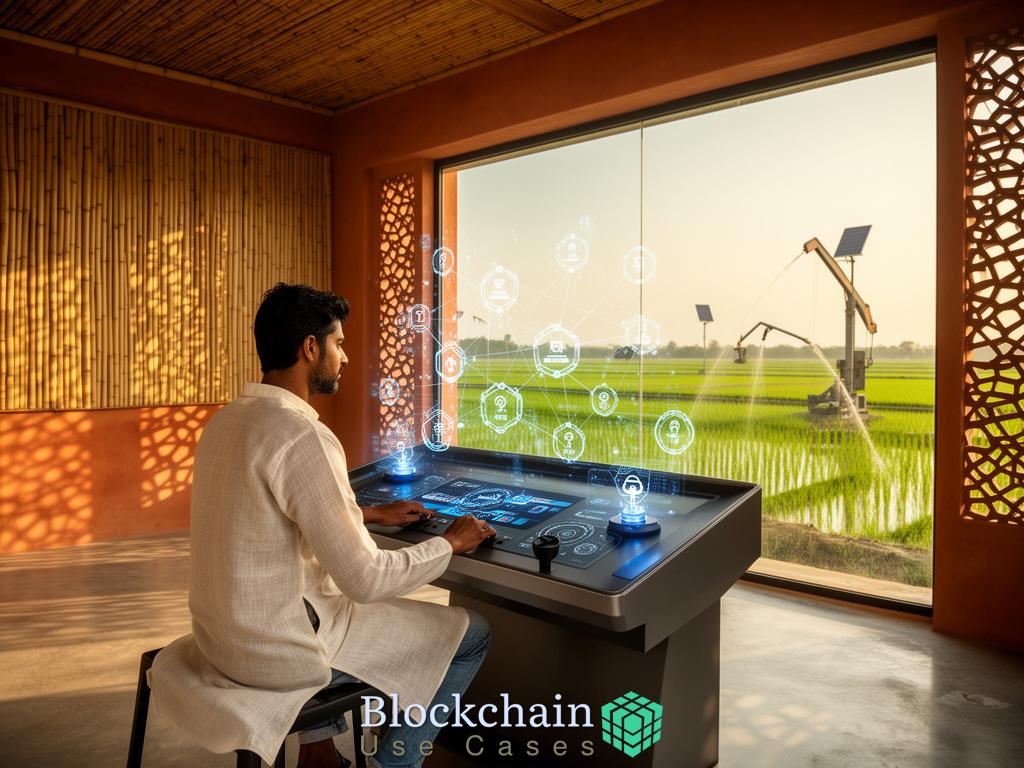
Each transaction between IoT devices is timestamped and encrypted, forming a secure chain of verified data blocks. This ensures that agricultural institutions, local authorities, and farmers all access accurate and unaltered information. Furthermore, smart contracts automate irrigation responses, allowing connected systems to function efficiently and sustainably without human intervention.
Efficiency, Transparency, and Security in Modern Agriculture
In smart irrigation networks, every data point—flow rates, humidity, and weather analytics—is critical for managing water resources efficiently. Blockchain ensures this information remains tamper-proof and authentic, building trust among stakeholders. Additionally, the decentralized nature of blockchain reduces operational costs associated with server maintenance and data reconciliation. It also fosters transnational cooperation between agricultural departments, enhancing water governance across borders.
The combination of IoT accuracy and blockchain transparency forms the foundation of a new digital agriculture era. When these technologies converge, data becomes both actionable and trustworthy, driving sustainable development and improved resource allocation in irrigation systems.
Comparison of Traditional vs. Blockchain-Based IoT Systems
| Feature | Traditional IoT Systems | Blockchain-Integrated IoT Systems |
|---|---|---|
| Data Management | Centralized Servers | Distributed Ledger |
| Security | Vulnerable to Tampering | Immutable and Secure |
| Transparency | Limited | Fully Auditable |
| Cost Efficiency | High Maintenance | Reduced Long-Term Costs |
| Automation | Manual Operations | Smart Contracts Enable Automatic Control |
Core Advantages of Blockchain for IoT in Smart Irrigation
To provide a clearer perspective, here is a brief summary of the key benefits that blockchain introduces into IoT-based irrigation systems:
- Data Integrity: All sensor readings are cryptographically secured and verifiable.
- Transparency: Every participant can track data changes across the network.
- Autonomy: Smart contracts reduce dependence on manual approvals or intermediaries.
- Scalability: The system can easily expand without compromising performance.
- Sustainability: Optimized water usage through data accuracy supports conservation efforts.
As agriculture faces increasing environmental pressures, integrating blockchain with IoT technologies for water conservation stands as a promising solution. The resulting synergy not only safeguards data but also ensures a more sustainable and equitable future for resource management across the globe.
Autonomous Decision-Making in Smart Irrigation Systems
As the integration of IoT and blockchain technologies continues to redefine agricultural innovation, a new frontier has emerged: autonomous decision-making in smart irrigation systems. This approach, powered by decentralized frameworks, enables irrigation networks to make data-driven decisions independently, minimizing human intervention while maximizing efficiency. Through advanced analytics and distributed intelligence, these systems can predict environmental needs, adapt to regional climatic changes, and maintain transparency without relying on centralized authorities.
Intelligent Algorithms and Decentralized Decision Layers
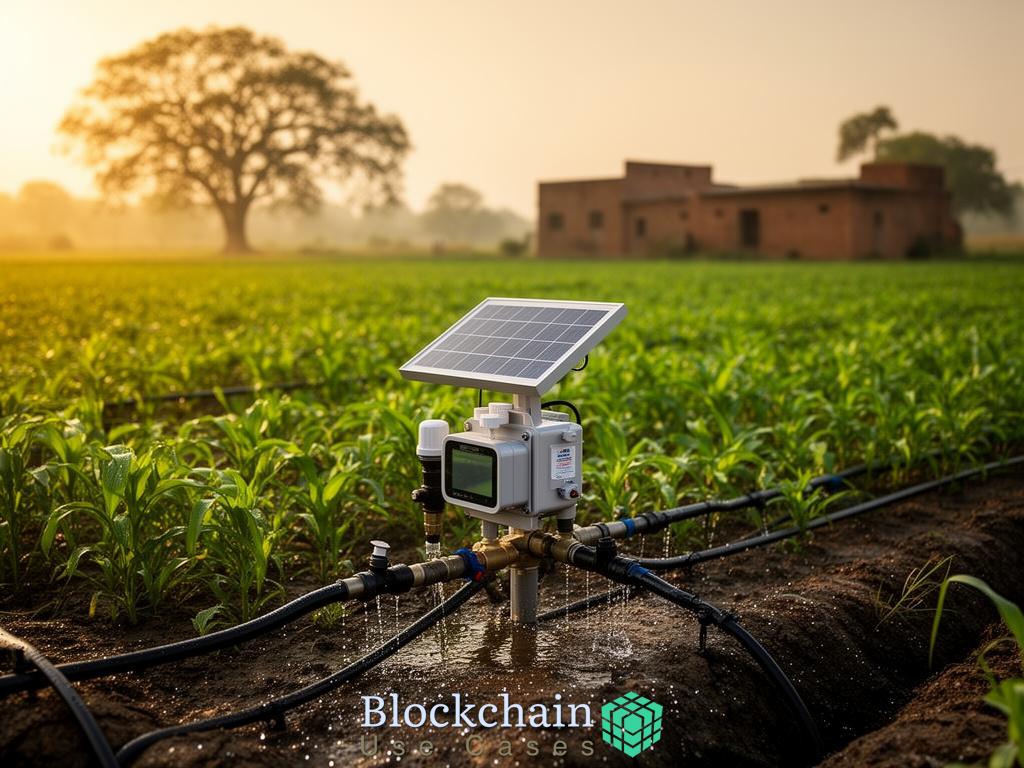
At the core of autonomous irrigation is a multi-layered decision-making model that leverages blockchain-enabled IoT networks. Each IoT sensor node acts as both a data source and a processing unit, evaluating real-time information such as soil conditions, temperature fluctuations, and water flow rates. This data is verified and shared across a blockchain ledger, ensuring authenticity and traceability. The key innovation lies in the system’s ability to trigger irrigation adjustments automatically based on consensus-driven algorithms rather than pre-programmed schedules. Through this mechanism, smart contracts operate as intelligent actuators — executing predefined water management strategies instantly when specific environmental conditions are met. The automation not only enhances response times but also prevents over-irrigation and resource wastage, contributing to more sustainable water conservation models.
Collaborative Intelligence Through Smart Contracts
In contrast to traditional automation frameworks, where decisions are dependent on centralized cloud systems, decentralized smart irrigation adopts a collaborative intelligence model. Within this architecture, blockchain orchestrates trust among diverse IoT endpoints, agricultural authorities, and energy management platforms. Smart contracts establish autonomous governance rules that define how sensors cooperate, share data, and implement adjustments. For instance, when a set of distributed sensors identifies irregularities in soil humidity levels, they collectively verify this data through blockchain consensus before triggering corrective irrigation. This cooperative process reduces latency and ensures that actions are validated by the network itself, not external mediators. The outcome is a highly resilient and fault-tolerant ecosystem that adapts dynamically to environmental variations, ensuring continuity even if certain nodes fail or come under cyber threat.
Predictive Sustainability and Future Potential
The evolution toward autonomous decision-making in smart irrigation brings a paradigm shift — from reactive water management to predictive sustainability. By integrating blockchain with artificial intelligence modules, irrigation systems can forecast water demand trends, anticipate drought risks, and allocate resources proactively. This predictive capability minimizes the environmental footprint of irrigation activities while increasing crop yield reliability. Moreover, the permanent and transparent nature of blockchain records enables agricultural policymakers to audit system behavior, fine-tune data models, and encourage data-driven sustainability governance. As a result, decentralized and autonomous smart irrigation ecosystems hold the potential to redefine how global agriculture responds to climate challenges, making water management not only efficient but also equitable and transparent for generations to come.
Integration of Edge Computing for Real-Time Water Management
As decentralized IoT and blockchain frameworks continue to reshape modern agriculture, edge computing is emerging as a powerful extension that brings computation closer to the source of data generation. In smart irrigation networks, where rapid decisions and minimal latency are crucial, the integration of edge computing introduces an unprecedented level of responsiveness and scalability. Rather than relying solely on distant cloud servers, edge-enabled architectures process environmental data locally — allowing for faster insights, lower energy consumption, and enhanced operational stability in the face of connectivity disruptions.
Localized Intelligence for Immediate Data Processing
The convergence of edge computing with blockchain-enabled IoT systems transforms how water usage and irrigation activities are monitored and controlled. Edge nodes positioned near IoT sensors act as local processing units, analyzing soil moisture, temperature, and rainfall patterns in real-time. This design empowers irrigation systems to respond within milliseconds to changing field conditions, significantly reducing data transmission overhead to centralized servers. Moreover, these localized computations preserve data privacy and system resilience — vital for remote or bandwidth-constrained agricultural environments.
Through this localized intelligence, water management operations benefit from immediate decision-making capabilities. When combined with blockchain verification mechanisms, the edge layer filters, validates, and records only critical data to the decentralized ledger, thereby minimizing network congestion. Farmers, water authorities, and research institutions all gain access to verified, high-frequency updates without compromising the integrity of the ecosystem. This integration effectively bridges the gap between on-site precision and distributed transparency, forming a cornerstone of the next generation of smart irrigation infrastructure.
Synchronizing Edge and Blockchain Layers for Predictive Control
The fusion of edge computing and blockchain introduces a synchronized operational layer designed for predictive resource allocation. While the blockchain provides immutable evidence of environmental changes and irrigation events, the edge infrastructure interprets evolving data trends in real-time, enabling systems to predict water demands ahead of time. This dual-layered architecture promotes energy efficiency and significantly enhances sustainability by ensuring that irrigation systems act proactively rather than reactively.
Unlike traditional cloud-dependent methods, this hybrid structure ensures uninterrupted service during network outages, as edge processors execute smart contract actions autonomously. Each edge device becomes an intelligent node that not only collects and computes data but also participates in consensus verification, upholding blockchain’s decentralization principles. As a result, stakeholders achieve both operational resilience and information authenticity — critical factors in achieving climate-smart agriculture goals.
Adaptive Ecosystems for Sustainable Resource Management
By decentralizing both data storage and computation, edge computing reinforces the sustainability and efficiency objectives of IoT-based irrigation systems. The ability to manage vast quantities of sensor data locally translates into substantial cost savings, reduced carbon footprints, and improved system scalability. Edge nodes continuously learn from aggregated sensor interactions, optimizing irrigation schedules with minimal human oversight.
Ultimately, the integration of edge computing for real-time water management exemplifies the maturity of decentralized agricultural ecosystems. It bridges intelligent automation, predictive analytics, and blockchain transparency — delivering a robust platform for precision water allocation, resource conservation, and long-term environmental resilience. In the era of data-driven agriculture, such synergistic infrastructures stand as the blueprint for sustainable and adaptive global water governance.
Energy Efficiency and Sustainability in Decentralized Water Networks
The growing intersection between blockchain, IoT, and edge computing is steering the evolution of next-generation irrigation networks toward environmentally conscious and energy-efficient operations. As water scarcity intensifies across agricultural regions, sustainability has emerged as the defining factor in designing resilient irrigation infrastructures. Decentralized water networks—powered by blockchain-ledger transparency and localized computational intelligence—have proven capable of optimizing not only water distribution but also the energy consumption required to maintain these systems.
Beyond automation and real-time data exchange, energy efficiency has become a strategic imperative. By eliminating reliance on central data centers and implementing distributed power optimization models, decentralized irrigation frameworks enable a balance between agricultural productivity and eco-friendly operations. This paradigm shift redefines how energy is harvested, stored, and utilized across smart water systems, ensuring that irrigation no longer competes with sustainability—it reinforces it.
Smart Power Distribution and Renewable Integration
In decentralized smart irrigation ecosystems, power management and water conservation operate in tandem. IoT-enabled nodes and edge devices are increasingly designed to support low-power protocols and renewable energy harvesting mechanisms such as solar microgrids or kinetic pumps. When paired with blockchain, these energy flows are monitored and recorded transparently, providing complete visibility into energy expenditure across irrigation stages.
Unlike centralized systems that depend on grid-based energy, decentralized frameworks can sustain autonomous operations even in off-grid environments. Smart contracts within the blockchain dynamically allocate energy resources based on soil condition data, weather forecasts, and crop water requirements, minimizing excess usage. This closed-loop energy-water optimization process ensures that irrigation is both cost-effective and environmentally sound.
Energy-Aware Data Processing and Decentralized Control
The integration of decentralized control algorithms and energy-aware scheduling represents a significant leap forward in sustainable irrigation management. Each IoT node not only monitors environmental conditions but also self-regulates its energy consumption. Through machine learning techniques embedded in edge processors, the network can predict patterns of high or low energy demand and respond accordingly. Blockchain verification ensures that every adjustment—whether a change in sensor activity or a modification to pump timing—is securely recorded and verifiable.
This distributed intelligence model significantly reduces the overhead energy costs linked to centralized data transmission. The local processing of high-frequency sensor readings also allows systems to deactivate idle nodes during low-activity cycles, generating tangible energy savings without compromising performance or transparency. As agricultural policies increasingly emphasize sustainability metrics, these energy-conscious designs will define the operational standard for future irrigation systems.
Key Components Enhancing Energy Efficiency in Decentralized Irrigation
Decentralized smart irrigation networks rely on multiple interconnected components to ensure continuous optimization of both water and energy resources. The following list outlines key technological pillars designed to improve performance and promote eco-resilient agriculture:
- 1. Renewable Energy Adoption: Integration of solar and wind energy sources to power edge nodes and pumping stations autonomously.
- 2. Dynamic Energy Allocation: Smart contracts automatically distribute power based on real-time water demand and energy availability.
- 3. Energy-Efficient Communication Protocols: Use of lightweight, low-power IoT communication standards such as LoRaWAN and NB-IoT.
- 4. Edge-Level Energy Optimization: Local analytics reduce continuous data transfers to remote servers, decreasing total power usage.
- 5. Predictive Maintenance: AI-driven diagnostics forecast energy-intensive anomalies, preventing unnecessary consumption.
The synergy of these components creates a self-correcting and adaptive infrastructure capable of managing natural resources responsibly. Each improvement fosters not only energy savings but also long-term sustainability—transforming smart irrigation into a model of ecological accountability and operational intelligence.
Ultimately, decentralized water networks symbolize a growing movement toward digital sustainability in agriculture. As blockchain and IoT technologies continue to mature, they pave the way for irrigation systems that are not only intelligent but also ethically and environmentally aligned with global conservation goals. Through ongoing innovation, the agricultural sector can achieve the remarkable balance of feeding the world while protecting its most essential resources.