
Integration of Smart Contracts in Healthcare Loyalty Systems
The healthcare industry is rapidly evolving, embracing digital transformation to improve patient engagement and build stronger connections between providers and patients. One of the most promising innovations is the integration of smart contracts within healthcare loyalty and rewards programs. These blockchain-based agreements can revolutionize how healthcare institutions reward loyalty, track benefits, and ensure transparency in incentive systems.
Revolutionizing Patient Engagement Through Automation
Traditional loyalty programs in healthcare often rely on cumbersome administrative processes that are prone to errors and inefficiencies. With smart contracts, these limitations can be eliminated through automation and self-execution. Once pre-defined conditions are met—such as attending regular check-ups, achieving wellness milestones, or adhering to prescribed treatment plans—patients can instantly receive rewards without human intervention.

Moreover, the decentralized nature of blockchain ensures that every transaction is secured and immutable, fostering trust between patients, healthcare providers, and insurers. By automating the verification and disbursement of loyalty points or benefits, smart contracts can streamline processes that previously demanded significant manual oversight.
Transparency, Security, and Interoperability in Reward Systems
The integration of smart contracts not only offers efficiency but also enhances accountability. Patients gain access to a transparent record of their rewards and eligibility criteria, while healthcare organizations can verify compliance and maintain regulatory standards effortlessly. Interoperability between multiple healthcare entities—such as hospitals, clinics, and pharmacies—becomes feasible through smart contract-based systems.
To better understand the key differences between traditional systems and smart contract-powered loyalty programs, the table below provides a comparative overview:
| Aspect | Traditional Loyalty Systems | Smart Contract-Based Systems |
|---|---|---|
| Processing | Manual or semi-automated | Fully automated |
| Transparency | Limited visibility | Immutable and auditable |
| Security | Centralized data storage | Decentralized and encrypted |
| Interoperability | Restricted to single entities | Cross-platform compatibility |
| Cost Efficiency | Higher administrative costs | Reduced operational expenses |
Through transparency and resilience provided by blockchain, healthcare ecosystems can ensure that reward mechanisms are fair, traceable, and adaptable to evolving patient engagement models.
Implementation Strategies and Future Outlook
Integrating smart contracts into healthcare loyalty frameworks requires a strategic approach. From technological readiness to regulatory compliance, proper planning ensures a smooth transition to blockchain-enhanced operations. Below is a practical step-by-step overview commonly followed by healthcare institutions adopting smart contracts:
Implementation Steps for Smart Contract Adoption
- Assessment of existing loyalty mechanisms – Evaluate current processes, data sources, and incentive models.
- Defining smart contract parameters – Establish rules, triggers, and conditions for reward issuance.
- Blockchain platform selection – Choose a secure and compliant blockchain network suitable for healthcare data.
- Integration and testing – Employ pilot programs to ensure system accuracy and regulatory adherence.
- Scaling and monitoring – Expand across departments while maintaining ongoing audits and security upgrades.
Looking ahead, the use of smart contracts could redefine patient engagement and operational efficiency within the healthcare sector. As the technology matures, healthcare loyalty programs may evolve into dynamic ecosystems where trust, security, and personalization intersect—ultimately enhancing the patient experience while promoting healthy behaviors.
Enhancing Patient Engagement Through Tokenized Rewards
As healthcare organizations continue to explore the transformative potential of blockchain technology, the concept of tokenized rewards has emerged as a powerful mechanism to deepen patient engagement. By harnessing the secure, automated features of smart contracts, tokenized reward systems bridge the gap between medical adherence and meaningful incentives. Patients are no longer passive recipients of treatment plans—they become active participants in their healthcare journey, motivated by transparent, real-time reward structures.
Transforming Patient Motivation with Digital Assets
Tokenized rewards introduce a new dimension to healthcare loyalty programs by turning healthy behaviors into quantifiable, tradeable assets. These digital tokens—governed by smart contracts—can be earned when patients meet specific milestones such as completing wellness goals, managing chronic conditions effectively, or participating in preventive screenings. The collected tokens can then be utilized across interoperable healthcare networks to obtain discounts, access premium services, or even cover partial expenses for treatments and medications.
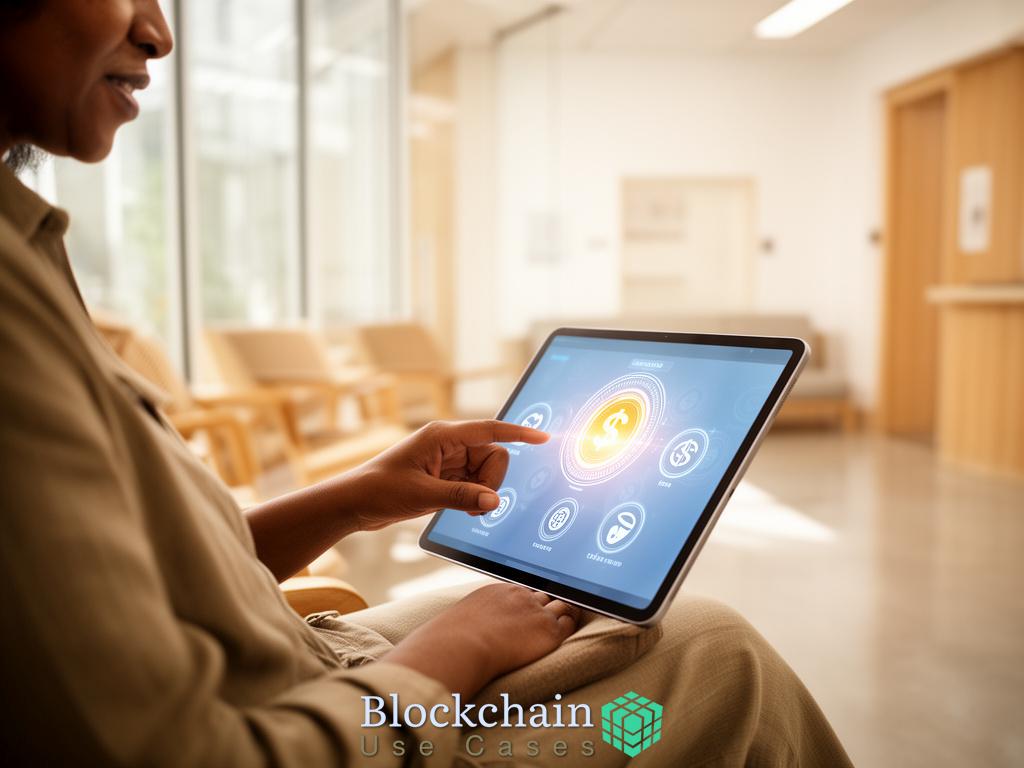
The flexibility of tokenized rewards enables healthcare providers to personalize engagement strategies based on patient profiles. Rather than applying a one-size-fits-all approach, smart contracts can dynamically adjust token issuance according to individual progress, medical history, and real-time health data. This dynamic framework fosters a more personalized, credible, and rewarding healthcare experience that drives sustained participation and compliance.
Driving Ecosystem Efficiency and Cross-Sector Collaboration
The tokenization of loyalty rewards not only influences patient behavior but also strengthens the broader healthcare ecosystem. As these tokens become interoperable across hospitals, pharmacies, wellness shops, and insurance partners, patients gain a frictionless experience while providers unlock new opportunities for collaboration. Smart contracts streamline the verification of token transactions, eliminating intermediaries and reducing administrative overhead. This level of efficiency ensures that resources are directed toward improving care quality rather than managing bureaucracy.
Moreover, tokenized systems can align multiple stakeholders under a shared data framework where transparency prevails. Each token movement is recorded immutably on the blockchain, enabling regulators and providers to audit transactions effortlessly. Patients benefit from knowing that their rewards are secure, verifiable, and free from manipulation—an essential aspect of building lasting trust in digital healthcare platforms.
Key Benefits of Tokenized Healthcare Loyalty Programs:
- Personalized Incentives: Token distribution can be customized to align with patients’ individual wellness journeys.
- Cross-Platform Flexibility: Tokens can be redeemed across multiple healthcare partners within a unified blockchain network.
- Cost-Effective Administration: Smart contracts automate complex reward processes, minimizing manual intervention and operational costs.
- Enhanced Transparency: Blockchain ensures traceability of every transaction, reinforcing ethical and compliant incentive structures.
- Increased Patient Retention: Engaged patients develop stronger loyalty toward providers offering clear, value-driven rewards.
By integrating tokenized incentives, healthcare organizations can evolve beyond traditional loyalty models toward a more inclusive, efficient, and transparent digital experience. These innovations cultivate ongoing patient engagement, encouraging proactive wellness management while redefining how value is created and distributed in the healthcare ecosystem.
Data Security and Transparency in Blockchain-Based Programs
In the increasingly digital healthcare ecosystem, where sensitive patient information and personalized incentives converge, maintaining data security and ensuring transparent operations have become top priorities. Smart contract-powered loyalty and rewards programs leverage blockchain technology to strengthen both dimensions simultaneously. Unlike traditional data management systems that rely on centralized control, blockchain’s distributed ledger model enables secure, immutable, and verifiable transactions among all stakeholders—patients, providers, and insurers—instilling confidence in the integrity of healthcare reward networks.
Empowering Trust Through Immutable Data Frameworks
The cornerstone of blockchain-based healthcare loyalty platforms lies in their ability to create an immutable data environment. Every interaction, from patient reward issuance to benefit redemption, is recorded on a distributed ledger that cannot be altered retroactively. This fundamental feature eliminates the risk of unauthorized data manipulation while enabling healthcare institutions to comply with stringent regulatory frameworks such as HIPAA and GDPR. Patients gain confidence knowing that their personal health behaviors, token balances, and incentive histories are secure and auditable in real time.
Smart contracts play a pivotal role in enforcing security protocols by automating actions based on predefined conditions without requiring manual data handling. Since these contracts operate in a closed, cryptographically protected environment, the probability of data breaches caused by human error or system compromise decreases substantially. Blockchain consensus mechanisms—such as Proof of Stake or Practical Byzantine Fault Tolerance—further reinforce data integrity, making tampering virtually impossible.
Enhancing Data Transparency Without Compromising Privacy
Transparency is a defining advantage of blockchain-driven programs, yet it must coexist with patient data confidentiality. In smart contract-based healthcare systems, transparency does not equate to unrestricted data visibility; rather, it ensures that all transactions are traceable, verifiable, and cryptographically pseudonymous. Each transaction is timestamped and validated through consensus, allowing patients and providers to verify event authenticity while safeguarding sensitive health details. By applying zero-knowledge proofs and advanced encryption methods, blockchain maintains accountability without exposing private information.
This transparent architecture allows stakeholders to verify that reward allocations, adherence achievements, and benefit redemptions occur fairly and accurately. As a result, trust among different healthcare entities grows, facilitating cross-institutional cooperation and the establishment of larger, interoperable loyalty ecosystems.
Key Security and Transparency Mechanisms in Blockchain-Based Healthcare Rewards
The following list summarizes essential mechanisms that ensure both data security and transparency in smart contract-powered loyalty systems:
- Decentralized Ledger: Removes single points of failure and provides secure, synchronized record-keeping across institutions.
- Smart Contract Automation: Ensures consistent rule enforcement without intermediaries, minimizing opportunities for fraud.
- Cryptographic Encryption: Protects patient identity, medical history, and transactional data throughout the blockchain network.
- Consensus Validation: Confirms data legitimacy via distributed agreement protocols before information is permanently recorded.
- Auditability: Enables transparent reviews through immutable transaction logs, supporting compliance and accountability.
These mechanisms collectively form a secure foundation that not only safeguards user data but also promotes institutional credibility and patient participation. As blockchain technology continues to evolve, more advanced privacy-preserving methods—such as confidential smart contracts and secure multi-party computations—are expected to further enhance trustworthiness and interoperability.
Ultimately, the integration of robust data security and transparent governance mechanisms within smart contract-based healthcare loyalty programs defines the next phase of digital transformation in healthcare. With transparency creating accountability and security building confidence, blockchain has positioned itself as the definitive enabler of ethical, efficient, and patient-centric reward ecosystems.
Operational Efficiency and Automation in Reward Management
As the healthcare sector embraces blockchain-enabled loyalty ecosystems, the focus is shifting from purely technological adoption to measurable improvements in operational efficiency. The use of smart contracts within rewards management not only redefines how incentive programs are executed but also transforms the administrative backbone of healthcare institutions. By eliminating repetitive manual interventions and integrating self-executing algorithms, healthcare providers can reduce inefficiencies, enhance timeliness, and redirect resources toward higher-value patient care. This operational revolution goes beyond convenience—it is laying the groundwork for a fully automated, intelligent, and transparent healthcare rewards infrastructure.
Streamlining Workflow Through Automated Contract Execution
The hallmark of an efficient healthcare loyalty ecosystem lies in its ability to automate complex reward processes seamlessly. Smart contracts are programmed to detect specific behaviors or milestones—such as successful treatment adherence, regular health monitoring, or preventive participation—and trigger immediate actions based on pre-defined criteria. Once these conditions are verified on the blockchain, the reward distribution, notification, and ledger updates occur autonomously, eliminating time delays and administrative redundancies. This self-executing mechanism ensures that every stakeholder, from the healthcare provider to the patient, operates within a synchronized and transparent framework. The reduction in human oversight also minimizes the likelihood of errors that traditionally stem from manual data entry or subjective reward assessments. By embedding automation at every layer, healthcare institutions achieve operational agility while maintaining compliance with evolving healthcare standards.
Another key advantage of this automated environment is its ability to efficiently coordinate cross-entity reward transactions. For example, a token earned through a wellness program at a clinic can be instantly validated and redeemed through a partnered pharmacy without requiring intermediary approval. This level of interoperability-driven automation not only supports patient convenience but also strengthens institutional collaboration. As a result, healthcare organizations shift their operational focus from process management to performance optimization, leveraging blockchain intelligence for real-time analytics and predictive improvements in engagement strategies.
Data-Driven Efficiency and Scalable Performance
Automation in reward management is not limited to simplifying workflows—it acts as a catalyst for data-driven optimization. Smart contracts continuously collect and verify operational data, enabling institutions to analyze participation trends, reward usage patterns, and patient outcomes with unprecedented accuracy. This information can be used to fine-tune incentive structures, identify inefficiencies in token circulation, and segment user behavior for personalized offers. The result is a system that evolves intelligently, using performance metrics to drive continuous operational enhancement.
Scalability further amplifies these advantages. Traditional loyalty systems often encounter bottlenecks as participant numbers grow, leading to slower processing and increased administrative costs. In contrast, blockchain-based smart contract networks thrive on scalability. Each transaction processed under automated verification protocols contributes to a more resilient and faster system. As the number of participants rises, the platform’s distributed nature sustains equilibrium between workload and performance, ensuring seamless reward execution without operational slowdowns. With real-time synchronization across diverse entities—clinics, hospitals, pharmacies, and insurers—patients experience consistent responsiveness while providers enjoy measurable gains in efficiency and reliability.
Ultimately, the integration of automation and operational intelligence within smart contract-powered loyalty programs represents a decisive shift from reactive to proactive healthcare management. By reinforcing transparency, scalability, and data efficiency, these ecosystems empower organizations to allocate resources strategically, reduce wasteful procedures, and enhance overall patient satisfaction. Smart contracts thus advance from being a back-end innovation to becoming the core enablers of smart, sustainable, and patient-centered healthcare operations.