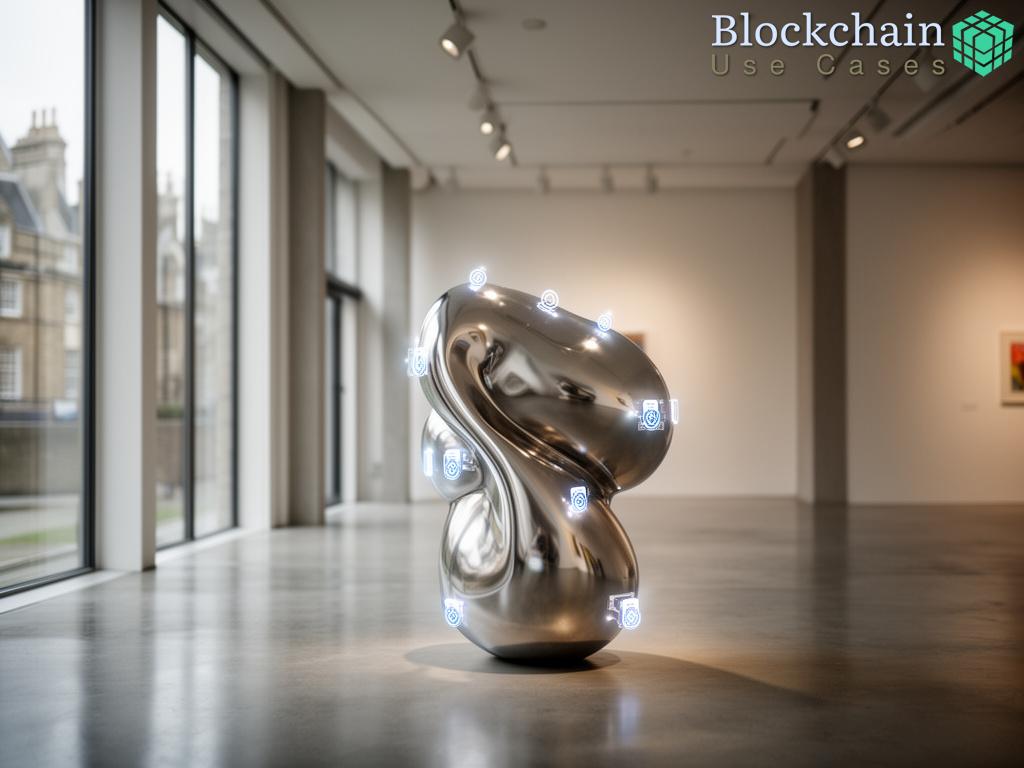
Integration of IoT Devices for Real-Time Artwork Authentication
In an era where digital innovation meets fine art, the synergy between Internet of Things (IoT) technologies and blockchain systems is revolutionizing the way authenticity and provenance are verified in the art and collectibles world. With fraud and forgery continuing to challenge collectors, galleries, and museums, IoT-enabled solutions provide a transparent and reliable method for real-time artwork authentication.
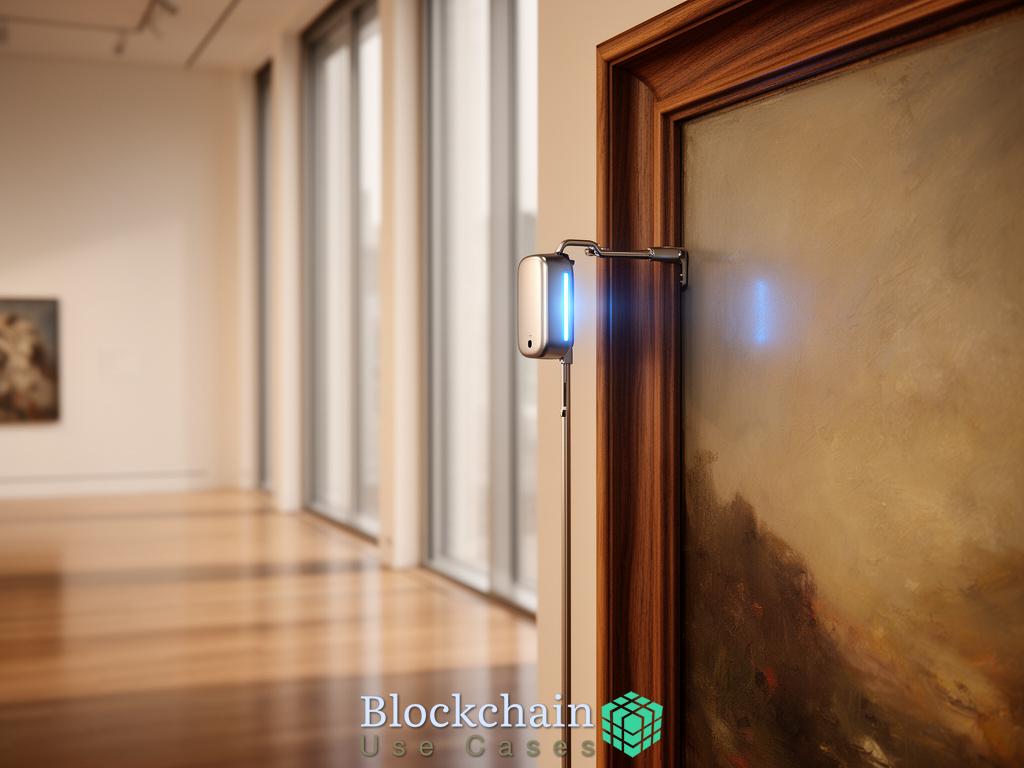
The deployment of IoT sensors embedded within or attached to artworks is increasing rapidly, offering a new standard of verifiable information. These smart devices capture environmental conditions such as temperature, humidity, and light levels while constantly recording location data. Each interaction is timestamped and immutably stored on the blockchain, ensuring that any irregularity in movement or handling is traceable.
For example, an IoT sensor can immediately alert custodians if an artwork is moved outside a predefined boundary. This layer of connectivity offers both security and provenance validation, creating a digital fingerprint that accompanies the artwork throughout its lifecycle.
When combined with blockchain technology, IoT devices become part of a distributed ledger system that guarantees tamper-proof records. Each sensor feeds data into the blockchain, where cryptographic algorithms secure the authenticity of every transaction related to the artwork’s ownership, condition, and transfer history. Collectors gain a transparent, autonomous record that is nearly impossible to falsify, thus reinforcing trust in the art market.
The following table illustrates how blockchain integration enhances the different aspects of IoT-based tracking:
| Aspect | IoT Function | Blockchain Advantage |
|---|---|---|
| Location Tracking | GPS-enabled sensors monitor transportation routes | Immutable record maintains transport traceability |
| Condition Monitoring | Temperature and humidity sensors detect anomalies | Data logs verify preservation standards |
| Ownership Transfers | Proximity authentication confirms handover | Smart contracts automate legal proof of transfer |
Real-time data collection through IoT devices not only assists in authentication but also enhances predictive maintenance. Art conservators and collectors can access live dashboards displaying the status of each connected artwork. Predictive analytics driven by AI can forecast potential deterioration risks based on sensor feedback, allowing preemptive conservation actions.
Furthermore, the combination of IoT and blockchain opens the door to globally interoperable provenance systems, where galleries, auction houses, and private collectors can verify authenticity instantly without intermediaries. This transformation empowers all stakeholders in the art ecosystem, ushering in a future where authenticity is not just claimed but technologically verified.
Comparison Overview: Traditional Authentication vs IoT-Enabled Blockchain Systems
- Traditional Method: Relies heavily on expert opinion and paper certificates, both of which are susceptible to loss or forgery.
- IoT-Blockchain Integration: Provides automated, real-time data logging and distributed validation that enhances security and credibility.
Blockchain Frameworks Ensuring Immutable Provenance Records
The convergence of IoT-enabled verification systems and blockchain frameworks has redefined how authenticity and provenance are safeguarded within the art and collectibles ecosystem. As artworks become increasingly integrated with digital identifiers and connected sensors, the integrity of the data that verifies their origin must remain beyond dispute. Blockchain technologies, known for their immutability and transparency, now form the backbone of such verification frameworks, creating a tamper-proof bridge between physical art and its digital identity.
Emerging blockchain architectures such as Ethereum, Hyperledger Fabric, and Tezos are transforming the way ownership, creation, and transfer data are recorded for IoT-enabled artworks. These decentralized systems ensure that every recorded event — from an artist’s initial registration to subsequent sale or exhibition — is cryptographically sealed and time-stamped. Through smart contracts, ownership transitions occur automatically once predefined conditions are met, eliminating reliance on intermediaries. This not only sharpens the efficiency of provenance tracking but also ensures that all participants within the art network, from curators to collectors, can independently verify authenticity in real time.
Unlike traditional centralized databases vulnerable to unauthorized manipulation, a blockchain ledger distributes verification tasks across multiple nodes globally. Such decentralization enhances data resilience and security while aligning with the IoT’s demand for responsive, real-time verification. Artists and galleries are increasingly adopting tokenization strategies, where unique blockchain tokens represent physical artworks. This fusion of digital token identity and IoT-tracked metadata reinforces the singular existence of each authentic piece.
The next wave of transformation lies in the creation of interoperable blockchain protocols that can seamlessly integrate various IoT systems across art institutions and marketplaces. Interoperability ensures that provenance data captured by one platform remains accessible and verifiable across others, sustaining a cohesive global registry of digital authenticity. By implementing standardized data encryption and metadata frameworks, art industry players can collectively maintain consistency, transparency, and traceability on a universal level.
To illustrate how different blockchain frameworks contribute to provenance integrity, consider the following comparative overview that outlines their respective advantages and operational focus:
| Blockchain Framework | Core Feature | Provenance Advantage |
|---|---|---|
| Ethereum | Public smart contract environment | Allows open verification and tokenized proof of authenticity |
| Hyperledger Fabric | Permissioned ledger for enterprise-grade traceability | Ensures controlled access within institutional art networks |
| Tezos | Energy-efficient consensus algorithm | Facilitates sustainable provenance tracking for digital collections |
The adoption of these platforms by art consortia and cultural institutions demonstrates a clear shift towards technological accountability. Blockchain not only verifies but also immortalizes the story of every piece, from its conceptual origin to its latest custody. As IoT sensors continue to evolve, the integration with blockchain frameworks will extend beyond authentication to support dynamic insurance models, intellectual property management, and predictive conservation analytics – positioning provenance as a living, verifiable narrative rather than a static certificate.
Enhancing Collector Trust Through Transparent Ownership Histories
In the digital marketplace for fine art and collectibles, trust remains the cornerstone of value. As counterfeit works and manipulated provenance records have historically challenged even the most established collectors, the fusion of IoT-enabled authentication and blockchain traceability is ushering in a new era of transparency. Through immutable data trails and automated record validation, collectors now have unprecedented visibility into an artwork’s entire journey — from creation to current ownership. This transformation is redefining not only how value is maintained but also how confidence is restored in an increasingly interconnected art ecosystem.
Traditional provenance verification relies heavily on expert attribution and fragmented documentation. In contrast, blockchain-integrated IoT ecosystems deliver a digitally unified provenance chain that ensures every event — registration, exhibition, transaction, and environmental condition — is traceable and authenticated in real time. Each ownership transfer is sealed with an unalterable blockchain signature, creating a verifiable lineage that surpasses paper trails in both accuracy and security. By embedding smart sensors directly into artworks or their frames, IoT devices continually feed new data points into the distributed ledger, reaffirming authenticity with every movement or exhibition.
Collectors can now access a comprehensive, tamper-proof digital dossier for each piece, eliminating ambiguity surrounding authenticity claims. This digital dossier, secured by cryptographic algorithms, acts as a transparent mirror of the artwork’s life cycle. The ability to independently verify ownership legitimacy, without dependence on institutional intermediaries, positions blockchain as the ultimate authority in provenance confidence. The outcome is a more informed and empowered collector base, where transparency drives trust rather than speculation.
The impact of blockchain transparency extends beyond individual trust; it actively fosters market stability and ethical assurance. As each transaction and custodial change is permanently recorded, collectors are protected from fraudulent or undisclosed transfers that could compromise an artwork’s legitimacy. Galleries and auction houses, too, benefit from this transparency, as real-time provenance verification minimizes disputes and strengthens reputational integrity. Moreover, the use of tokenized ownership certificates — digital assets tied to the physical work — ensures that provenance data remains accessible and secure, even as artworks change hands across global borders.
This convergence of IoT verification and blockchain immutability creates a self-sustaining trust ecosystem where data, not declarations, validate authenticity. By offering collectors direct visibility into an artwork’s verified history, the technology transforms provenance into a living narrative of credibility. As digital culture continues merging with physical creativity, blockchain’s transparent tracking will not only preserve artistic legacy but also redefine how trust is measured, sustained, and quantified in the evolving art economy.
Smart Contracts for Automated Transactions and Royalty Management
The art world has reached a turning point where technology no longer merely complements creativity but actively redefines how value and ownership are transacted. Building upon the synergy between IoT-enabled authentication and blockchain provenance, smart contracts now play a pivotal role in reshaping how artists, collectors, and galleries engage in secure, transparent, and equitable transactions. By leveraging programmable blockchain logic, these digital contracts eliminate manual oversight in trade and royalty management, ensuring that every creative contribution and ownership exchange is self-executing and tamper-resistant.
Smart contracts, encoded within blockchain platforms, serve as autonomous executors of pre-defined terms between stakeholders. When paired with IoT sensor data from authenticated artworks, they can automatically trigger actions such as payment settlements, ownership transfers, or insurance updates as soon as specific conditions are met. For instance, when an IoT-enabled artwork changes location or ownership, the embedded sensors feed data to the blockchain, activating a smart contract that instantly transfers digital ownership while releasing royalties to the artist’s wallet. This high level of automation removes the need for third-party validation, substantially reducing transaction costs and administrative burden.
Unlike traditional systems where copyright and resale royalties are often subject to delayed or inconsistent processing, blockchain smart contracts are immutable, meaning payments are executed precisely as agreed. Artists gain assurance of fair compensation for secondary sales, while collectors benefit from guaranteed authenticity and transparent historical records of value exchange. The result is a balanced ecosystem where financial trust mirrors artistic integrity.
The creative industry has long struggled with the challenge of providing sustainable revenue models for artists post-sale. Smart contracts bridge this gap by embedding perpetual royalty clauses directly within the transaction logic of an artwork’s digital identity. Each future sale or lending transaction can automatically distribute earnings back to the original creator, ensuring their participation in the growing value of their works. This innovation strengthens the relationship between economic reward and creative output, promoting long-term equity.
Furthermore, galleries and auction houses benefit from streamlined compliance mechanisms, as every transaction—validated through blockchain—meets traceability and transparency standards that were previously unattainable. Smart contracts not only facilitate operational efficiency but also cultivate ethical trade practices, reinforcing accountability across the art market.
Below is an overview of key advantages that smart contracts introduce to IoT-enabled art ecosystems, serving as a foundation for a future-proof market infrastructure:
- Automated Royalties: Ensures instantaneous royalty distribution to artists for every verified resale event.
- Ownership Authentication: Synchronizes IoT data verification with transfer records to confirm genuine exchanges.
- Fraud Prevention: Executes transfers only upon meeting predefined blockchain conditions to block unauthorized trades.
- Operational Transparency: Provides all participants real-time visibility into contract executions and payment settlements.
- Global Interoperability: Enables seamless transactions across multiple platforms and jurisdictions through decentralized protocols.
As IoT-enabled verification continues to deepen integration within the blockchain landscape, smart contract architecture evolves toward greater interoperability and standardization. The implementation of decentralized royalty logic fosters a collective trust mechanism—where creators, collectors, and institutions operate on equal footing under transparent, auditable rules. Such a framework reimagines the concept of ownership by aligning it with perpetual recognition of creative value rather than one-time sale profit.
With this innovation now gaining traction among major cultural institutions and digital art marketplaces, the creative economy finds itself at a unique intersection of finance and technology. Smart contracts serve as both the guarantors and catalysts of ethical monetization, proving that in the age of connected art, transparency is not just a feature—it is a fundamental right embedded into the very code of artistic exchange.